

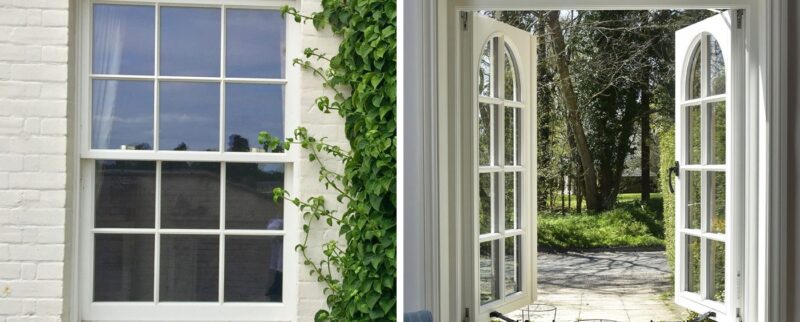
Sash windows and casement windows remain two of the most common window styles across the United Kingdom.
Both options support very different architectural needs, practical priorities, and planning requirements.
Some homes demand historical accuracy, while others focus on performance, flexibility, and ease of use.
Choosing between these styles depends on how each operates, how it looks, and how it performs in daily life.
What Exactly Are Sash Windows?
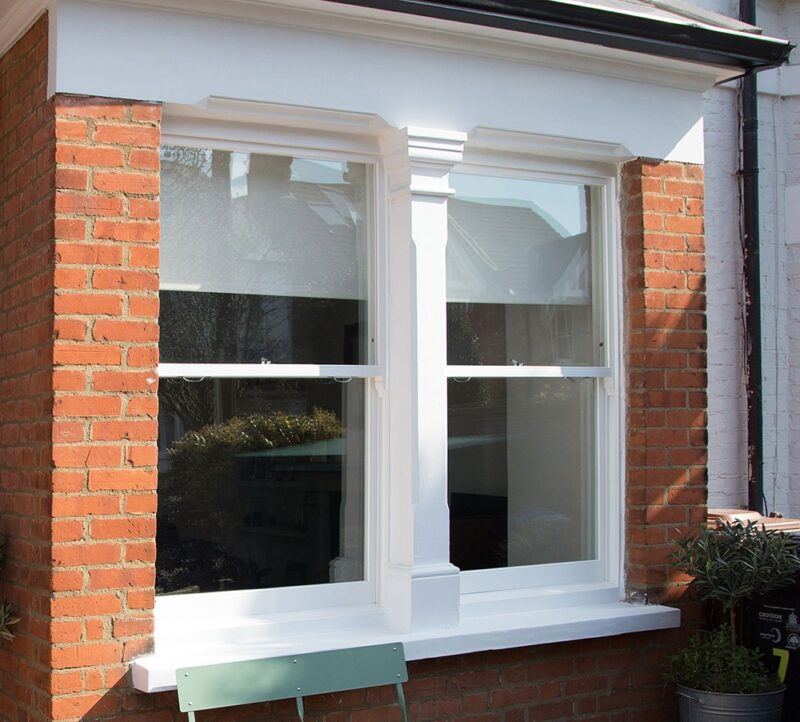
Sash windows move vertically within a fixed frame using a counterweight and pulley system. Modern designs often include tilt-in features that allow inward movement for easier cleaning.
Two sashes usually make up the window, with one positioned above the other.
Georgian, Victorian, and Edwardian homes frequently rely on this configuration to maintain architectural consistency.
Wood, uPVC, and aluminum are common material choices. Conservation areas and listed buildings often require timber sash windows to preserve original character.
Excellent ventilation and a classic, timeless presence make sash windows a preferred option for traditional properties.
And How About Casement Windows?
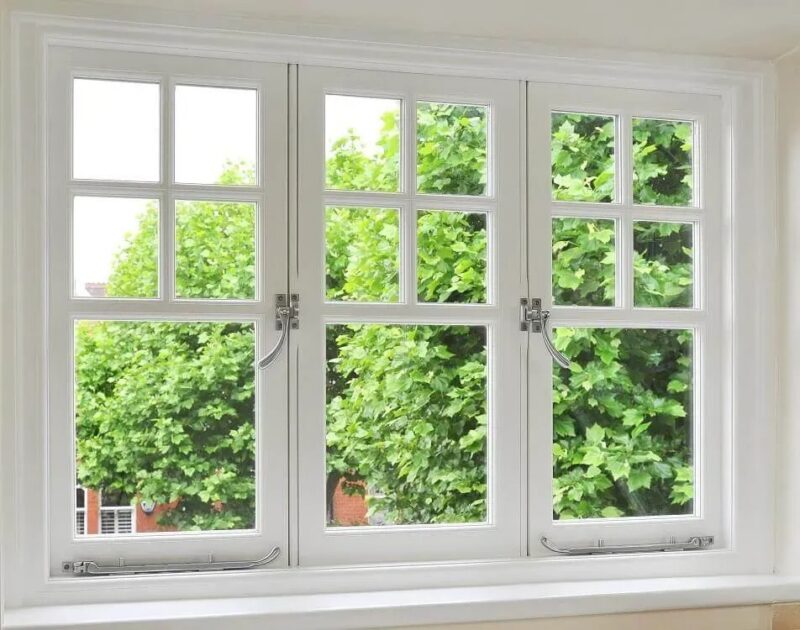
Casement windows open outward on side-mounted hinges and operate with a handle and stays. Full outward opening allows fresh air to move freely through the space.
Design flexibility makes casement windows suitable for a wide range of property styles, including contemporary homes.
Kitchens, bathrooms, and modern living spaces benefit greatly from easy operation and strong airflow.
Wood, uPVC, and aluminium options support both performance and visual customisation. Uninterrupted views and full window openings remain key advantages.
Style and Aesthetic Appeal
Sash windows create a distinctly British visual identity rooted in symmetry and proportion.
Decorative glazing bars reinforce period authenticity and support architectural consistency across historic façades.
Heritage homes depend on these visual cues to preserve original design intent and exterior balance.
Craftsmanship plays a major role in the visual presence and operation of sash windows.
Timber construction paired with counterbalanced movement delivers refinement that aligns with traditional building methods.
Period architecture retains its original character through careful replication of classic sash proportions and detailing.
Casement windows deliver a clean, modern appearance with fewer visual interruptions. Larger uninterrupted glass areas introduce more daylight and support contemporary interior layouts.
Flexibility allows adaptation to both modern homes and updated traditional properties.
Design flexibility becomes especially valuable in properties with specific visual or structural needs, including:
- Non-standard window openings
- Larger panes without glazing bars
- Custom frame profiles suited to modern renovations
Suitability by Property Type
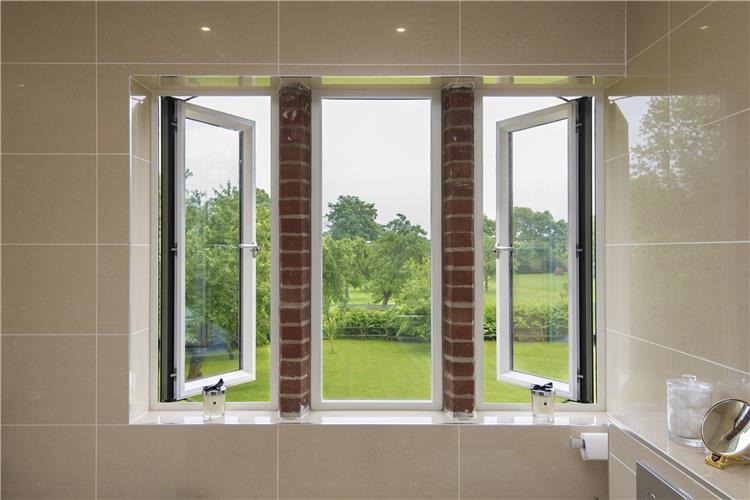
Sash windows suit heritage and period properties best due to their close alignment with traditional architecture.
Visual proportions, vertical movement, and glazing bar layouts match historical building standards found across Georgian, Victorian, and Edwardian homes.
Preservation of original exterior character remains a primary concern in these settings.
Planning regulations frequently influence window selection in historically sensitive areas. Local authorities often require specific design features to remain unchanged, including:
- Vertical sliding operation
- Timber frames instead of modern substitutes
- Traditional sightlines and glazing bar patterns
Listed buildings and conservation areas rely on these requirements to protect architectural continuity and streetscape consistency.
If you’re seeking a trusted specialist in bespoke timber sash and casement windows tailored for period properties and conservation areas, Todi&Boys offer expert craftsmanship and full-service joinery from design to installation.
Casement windows work well in modern homes, new builds, and renovation projects where flexibility and performance take priority.
Outward-opening designs suit contemporary layouts and support a wide range of opening sizes and configurations.
Practical advantages make casement windows especially suitable for modern construction, including:
- Lower overall cost compared to traditional sash systems
- Easier adaptation to unusual or asymmetrical openings
- Compatibility with modern materials and building methods
Configurational freedom supports creative design solutions without strict historical constraints, positioning casement windows as a practical and adaptable option for present-day housing.
Ventilation and Airflow
Sash windows allow both upper and lower sections to open at the same time.
Warm air escapes through the upper opening while cooler air enters below, creating controlled circulation without aggressive drafts.
Natural ventilation supports indoor comfort across multiple seasons.
Casement windows provide maximum airflow through full outward opening.
Strong directional ventilation proves especially effective in rooms where moisture control matters most, such as kitchens and bathrooms.
Key airflow advantages become clear in daily use:
- Full-pane opening for rapid air exchange
- Effective moisture removal in high-humidity spaces
Cleaning and Maintenance
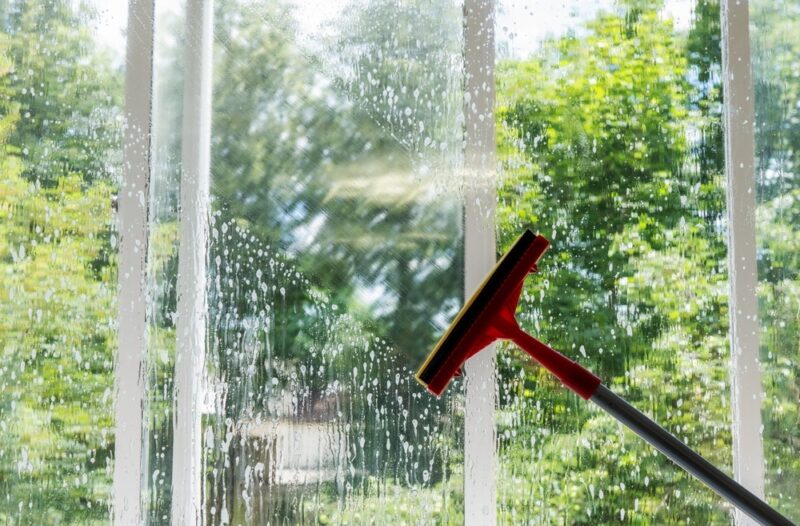
Casement windows offer straightforward cleaning due to full outward opening.
Access to both sides of the glass becomes possible from inside the home, reducing the need for external equipment.
uPVC variants further reduce upkeep demands and support long-term durability with minimal maintenance.
Traditional sash windows present more challenges for exterior cleaning.
Modern double-hung designs resolve this issue through inward-tilting sashes, allowing safe and convenient cleaning without leaving the interior space.
Energy Efficiency and Insulation
Both window styles achieve strong energy performance when properly manufactured and installed.
Casement windows achieve superior airtightness through compression seals fitted around the sash frame.
Even pressure distribution improves insulation and limits heat transfer.
Performance benefits rely on several integrated features:
- Compression seals along the entire perimeter
- Multi-point locking systems that tighten the seal
Sash windows historically allowed greater air movement.
Modern draught-proofing systems and advanced glazing now deliver significant thermal improvements.
Slim heritage double glazing maintains traditional sightlines while supporting modern energy standards.
Security
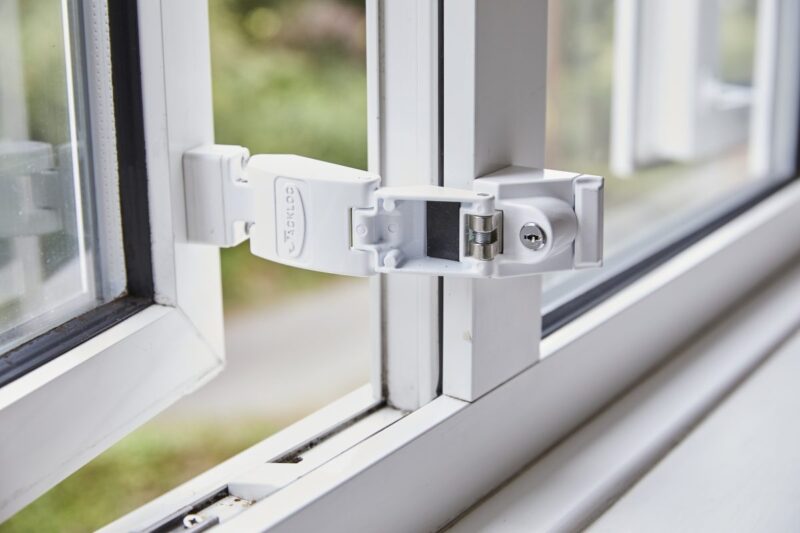
Casement windows offer strong security through integrated multi-point locking systems. Tight perimeter sealing increases resistance to forced entry and limits weak points along the frame.
Sash windows traditionally rely on friction fit and basic sash locks. Modern upgrades bring improved safety through enhanced hardware and reinforced glazing options.
Security improvements commonly include:
- Advanced locking mechanisms
- Toughened or laminated glass options
Space and Functional Considerations
Sash windows slide vertically and require no outward clearance.
Tight outdoor spaces, walkways, and patios benefit from unobstructed exterior areas and safe operation near foot traffic.
Casement windows require sufficient clearance to swing open. Space limitations may affect placement near narrow pathways or shared access points.
Custom sizing allows casement windows to adapt to smaller or irregular openings, while sash windows require a minimum width of approximately two feet to function correctly.
Which Should You Choose?
Decision-making depends on property style, planning requirements, and personal priorities.
Choose sash windows if historical accuracy matters or planning regulations demand traditional design.
Choose casement windows if ease of use, modern styling, strong ventilation, and budget flexibility take priority.