

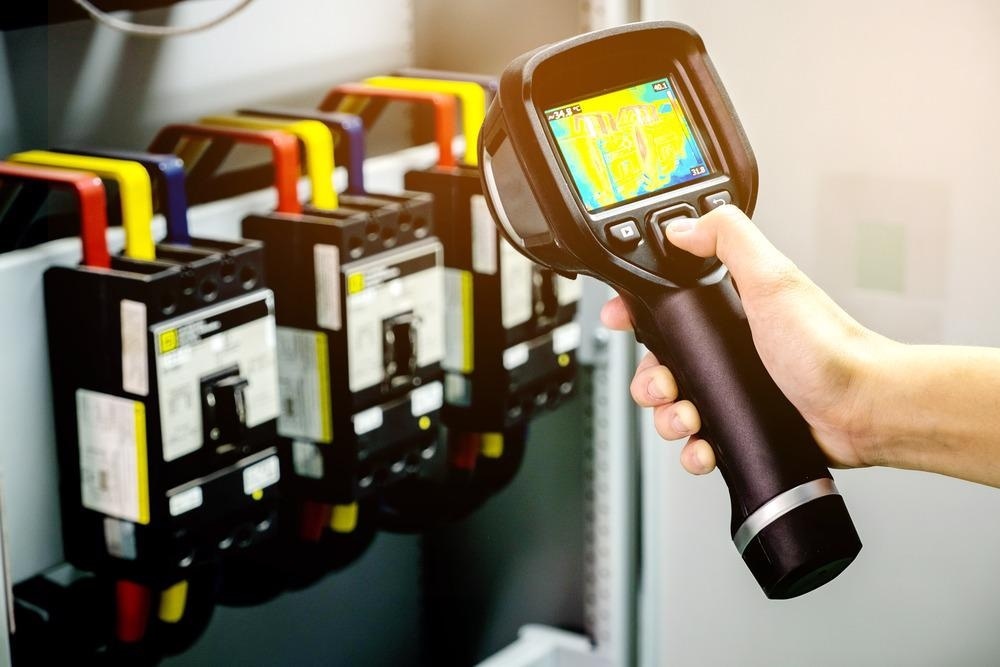
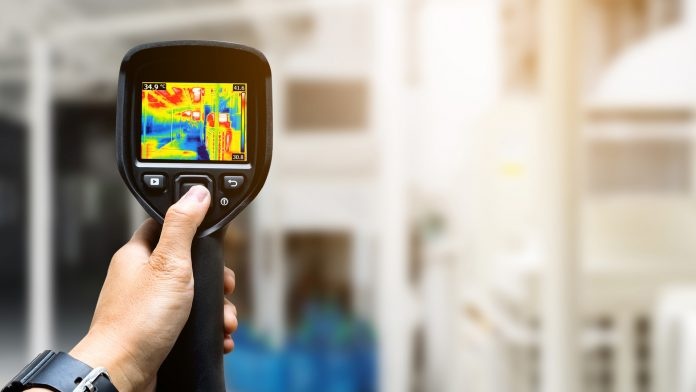
Thermal IR sensors detect infrared energy emitted by objects and convert it into data or thermal images. Since all objects emit some level of heat, these sensors can reveal temperature differences that ordinary cameras cannot show.
That makes them valuable in industries where heat patterns help identify faults, risks, or hidden changes.
This technology is widely used in industrial maintenance, automotive safety, environmental research, building diagnostics, and some healthcare applications.
A thermal IR sensor does not depend on visible light, so it can remain useful in darkness, low visibility, or situations where non contact temperature monitoring is important.
What Are Thermal IR Sensors?
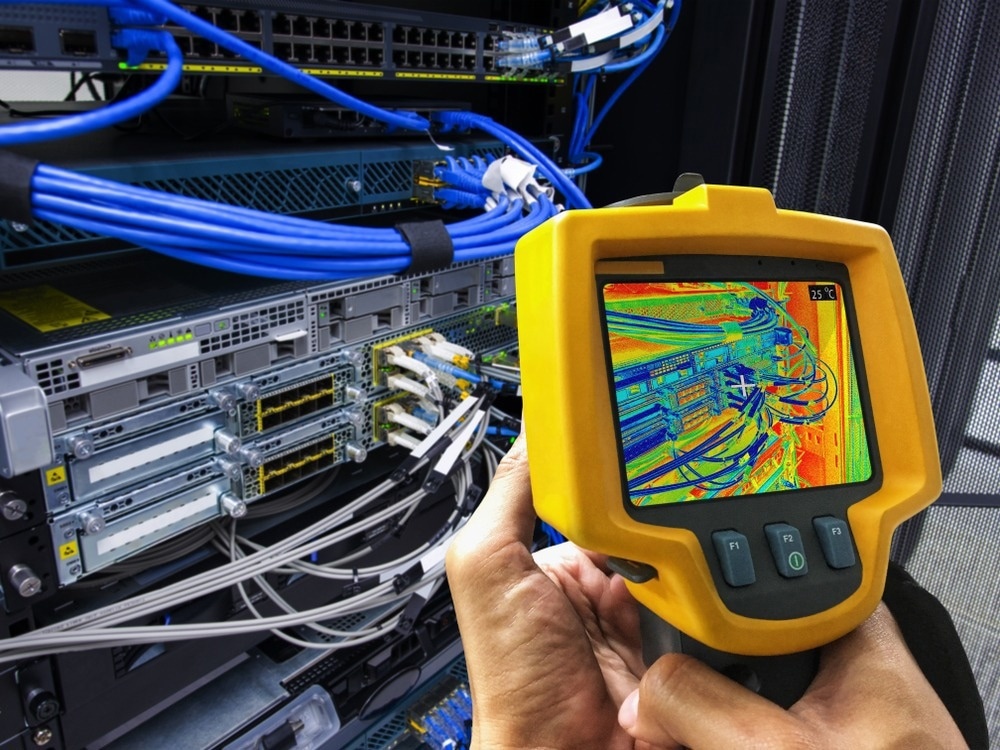
A thermal IR sensor is a device that measures infrared radiation emitted by objects based on their temperature. Instead of capturing reflected light like a standard camera, it reads emitted heat and turns it into a signal or image.
That difference is important. A regular camera may show what an object looks like. A thermal IR sensor shows how warm or cool it is compared to its surroundings.
This is useful when a temperature difference points to a problem, such as an overheating motor, an insulation gap in a wall, or abnormal heat patterns in a monitored environment.
Infrared radiation sits between visible light and microwave radiation in the electromagnetic spectrum.
Every object above absolute zero emits it, which is why thermal sensing works across so many conditions. The hotter the object, the more infrared energy it emits.
How Thermal IR Sensors Work
Thermal IR sensors detect infrared radiation and convert it into electrical signals that software turns into thermal images. In simple terms, they measure heat and present it in a way people can understand, making it easier to spot hot spots, cooler areas, and unusual temperature changes.
The two main sensor types work differently:
- Photonic sensors detect infrared photons directly using semiconductor materials. When radiation hits the detector, it generates an electrical signal based on intensity. These sensors offer high speed and precision, which makes them suitable for advanced industrial, scientific, and defense applications. The downside is higher cost and often more complex system requirements.
- Bolometric sensors absorb infrared radiation and measure the resulting temperature change in the sensor material. That change affects electrical resistance, which is then converted into readable output. Uncooled microbolometers fall into this category and are widely used because they provide a good balance between performance, affordability, and portability.
In practice, photonic sensors are used in high performance systems, while bolometric sensors are more common in everyday thermal
Sensitivity, Resolution, and Accuracy
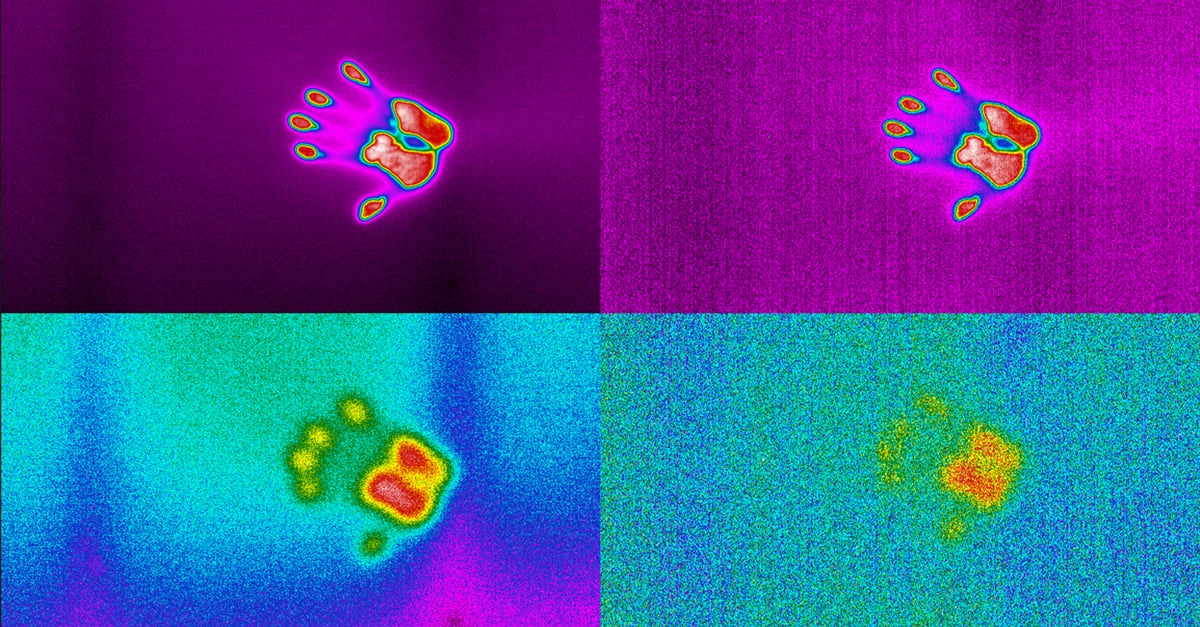
Sensitivity and resolution are critical factors in the performance of thermal IR sensors.
Sensitivity refers to the sensor’s ability to detect small changes in infrared radiation, which is often quantified as a minimum detectable temperature difference (DΔT). Advanced thermal sensors, particularly those used in research and specialized applications, can detect variances as minute as 0.01°C.
This level of sensitivity is crucial in fields such as medical diagnostics, where the ability to identify slight temperature discrepancies can unveil critical health information.
Resolution, on the other hand, pertains to the detail contained in the captured thermal image and is typically expressed in pixels. Higher resolution sensors produce clearer and more detailed images, assisting in accurately identifying hot spots and other features.
In real-world applications, resolution impacts the sensor’s ability to distinguish individual objects or thermal patterns within the captured scene. Therefore, both sensitivity and resolution are fundamental considerations when selecting a thermal IR sensor, as they determine the effectiveness of the device in achieving the intended diagnostic or monitoring objectives.
Accuracy refers to how close the temperature reading is to the actual temperature. This can be influenced by calibration, distance, emissivity settings, and reflective surfaces.
A sharp thermal image is useful, but if the readings are unreliable, the sensor may not be suitable for critical decisions.
Here is a simple comparison:
| Feature | Why It Matters |
| Sensitivity | Detects small temperature changes |
| Resolution | Improves image detail and object separation |
| Accuracy | Supports reliable measurement and diagnostics |
| Temperature Range | Determines where the sensor can be used |
| Response Time | Matters in fast moving or changing environments |
Common Applications of Thermal IR Sensors
Thermal IR sensors are valuable because temperature changes often appear before visible damage. They help detect issues early, improving safety, efficiency, and decision making.
Some of the most common uses include:
- Industrial monitoring, where sensors detect overheating in motors, bearings, and electrical systems before failure, supporting predictive maintenance and reducing downtime.
- Automotive safety, where thermal imaging improves visibility in darkness or poor weather by detecting pedestrians, animals, and other heat sources, while also helping monitor vehicle components.
- Building diagnostics, where sensors reveal insulation gaps, air leaks, moisture issues, and heat loss, helping improve energy efficiency and guide repairs.
- Environmental monitoring, where thermal data is used to track ecosystem changes, detect wildfires, and analyze heat patterns in natural and urban areas.
In all of these cases, the key advantage is the same: thermal IR sensors reveal hidden problems by showing temperature differences that are not visible to the eye.
How to Choose the Right Thermal IR Sensor
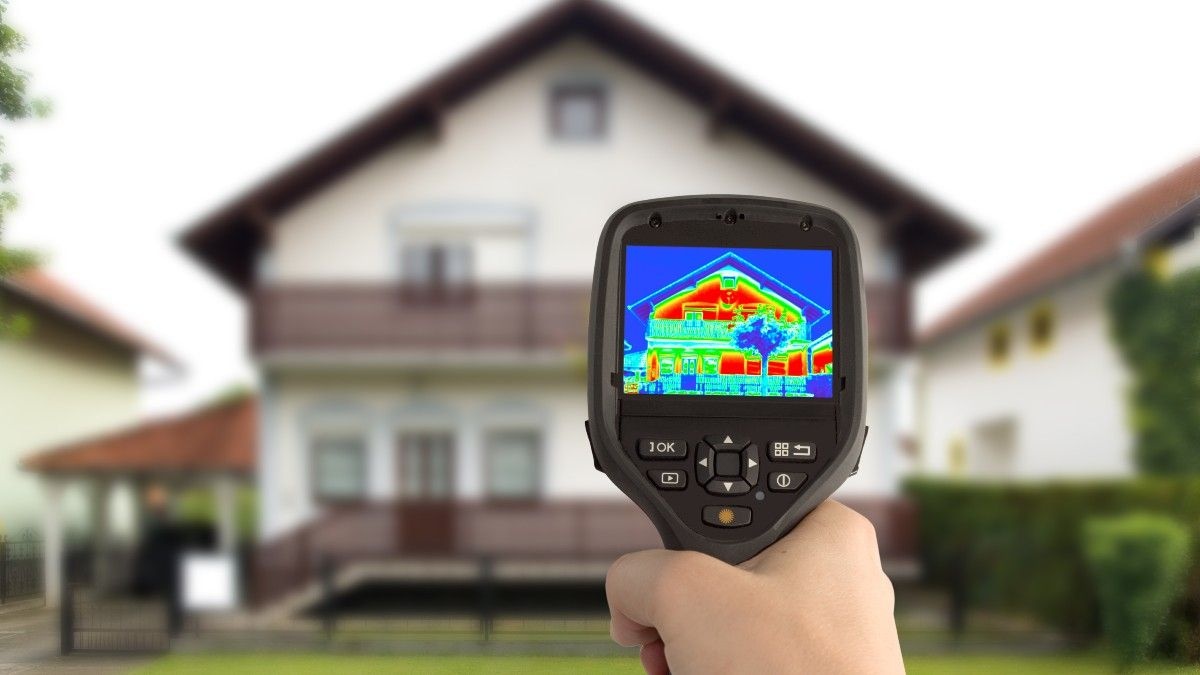
The best thermal IR sensor depends on how and where it will be used. A model suited for building inspections may not work well in a high speed industrial process or a research setting that requires extremely fine measurements.
A good choice starts with a few practical questions. What temperature range do you need to measure? How much detail matters?
Will the sensor be handheld, embedded, or fixed in one location? Do you need live alerts, reporting software, or system integration?
Wavelength Range
Different sensors operate in different parts of the infrared spectrum, such as short wave, mid wave, or long wave infrared. The best option depends on the materials, environment, and type of measurement involved.
Long wave infrared is often used for many common thermal imaging tasks, especially where surface heat patterns matter. More specialized applications may require other wavelength ranges.
Measurement Range
The sensor must be able to measure the temperatures expected in the application. A device built for body temperature screening will not suit extreme industrial heat, and the reverse can also be true in terms of precision.
A temperature range that comfortably fits the use case is usually a safer choice than one that only narrowly covers it.
Resolution and Image Detail
Higher resolution becomes more important when small targets, distant objects, or detailed inspections are involved. Lower resolution may be acceptable for quick general checks, but it can limit precision in more demanding tasks.
Image processing software also matters. Some systems provide better interpretation tools, reporting options, and analysis support, which can be just as valuable as the raw hardware.
Connectivity and Budget
Modern thermal IR sensors may include Wi Fi, Bluetooth, Ethernet, or software integration features. These can be useful for remote monitoring, automated alerts, or maintenance reporting.
Budget should be considered alongside total cost of ownership. The initial purchase price matters, but so do maintenance, calibration, training, and software expenses.
In some cases, a more expensive sensor can deliver better long term value if it prevents downtime or improves decision making.
Limitations to Keep in Mind
Thermal IR sensors are useful, but they are not flawless. Their performance can be affected by real world conditions, and that matters for both buyers and users.
Reflective surfaces can distort readings. Incorrect emissivity settings can reduce accuracy. Weather conditions such as heavy rain, fog, or environmental interference may affect image quality. Lower resolution systems may miss small or distant defects.
Calibration quality also plays a major role in whether a system can be trusted for serious diagnostic work.
These are not reasons to avoid thermal IR technology. They are simply reasons to use it with the right expectations and proper setup.
Final Thoughts
Thermal IR sensors are valuable because they reveal heat patterns that ordinary cameras cannot show. That makes them useful in maintenance, safety, inspection, environmental monitoring, and many other fields where temperature changes tell an important story.
The right thermal IR sensor is not always the most expensive or the most advanced on paper. It is the one that fits the task, delivers reliable data, and helps users make better decisions.