

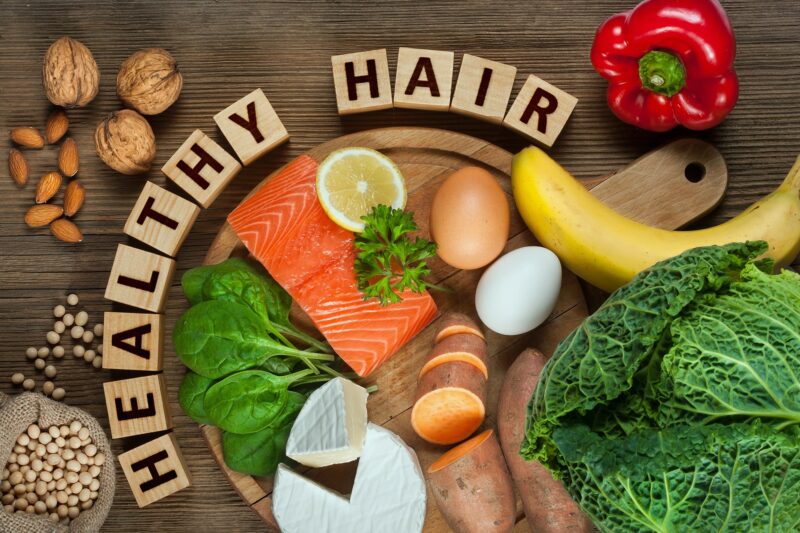
If your hair feels thinner, weaker, or simply isn’t growing like it used to, nutrition might be the missing piece. The truth is simple: no fancy shampoo or serum can replace what your body needs from within.
The most proven nutrients for stronger hair growth are iron, vitamin D, zinc, amino acids (especially cystine and methionine), and antioxidants. When these are lacking, hair growth slows, strands become fragile, and shedding increases.
The good news? Correcting deficiencies and supporting your body with the right vitamins can make a real difference, not overnight, but over the course of several months.
Why Hair Depends So Much on Nutrition
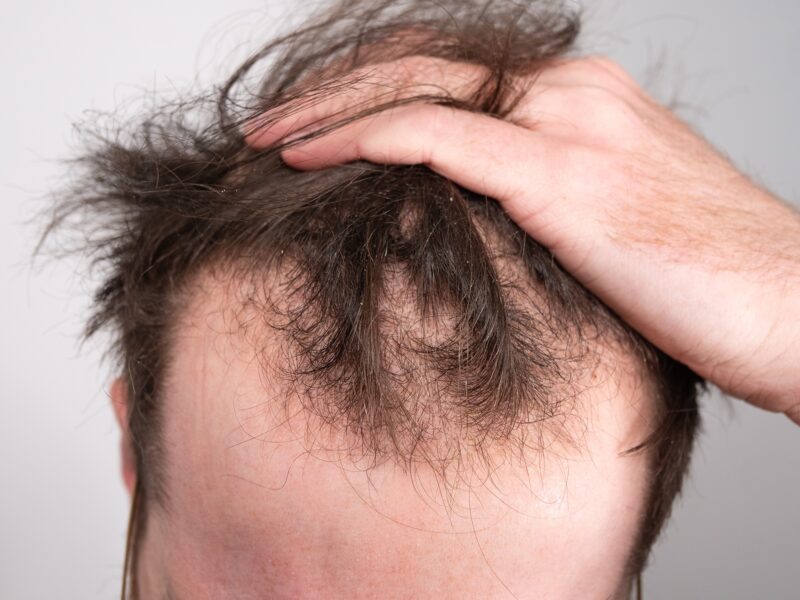
Follicles are among the most active structures in the body. Each follicle constantly builds new cells and pushes out keratin, the protein that makes up your hair strands. That process demands energy, amino acids, minerals, and a steady flow of micronutrients.
When your diet is unbalanced or you’re missing key nutrients, your body will naturally prioritize vital organs first. It becomes a secondary concern. That’s when you start noticing increased shedding, breakage, or slow regrowth.
So before reaching for topical products, it’s worth checking if your diet and bloodwork are giving your hair what it needs.
The Nutrients That Really Matter for Hair
Let’s look at the vitamins and minerals that are most consistently linked to hair strength and growth.
1. Protein and Amino Acids
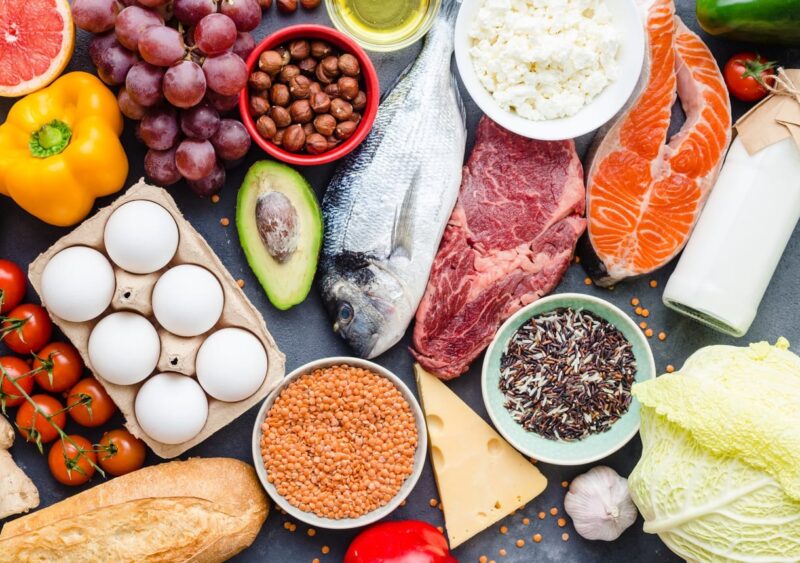
Hair is 95% protein, mostly keratin. To make keratin, your body needs amino acids like cystine, cysteine, and methionine. If you’re not getting enough protein in your diet, your body has less raw material to build.
Studies show that L-cystine combined with B vitamins can improve hair thickness and reduce shedding over time, particularly in people experiencing temporary hair loss due to stress or hormonal changes. Think of it as giving your follicles construction materials they can actually use.
Good sources: eggs, fish, chicken, lentils, soy, and nuts.
2. Iron (and Ferritin Levels)
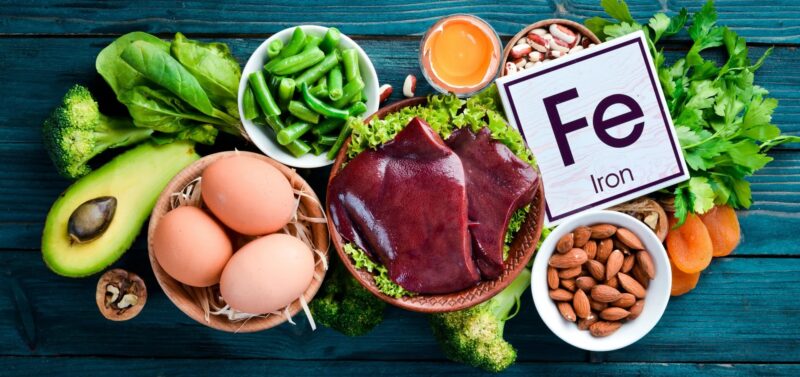
Iron deficiency is one of the most common nutritional causes of hair loss, especially in women. Your body uses iron to make hemoglobin, which helps carry oxygen to follicles. When ferritin, the storage form of iron, drops too low, follicles can go into a resting phase.
If you’ve been losing more hair than usual, a simple blood test for ferritin is worth doing. Restoring iron levels through diet or supplements often reduces shedding within a few months.
Good sources: red meat, spinach, pumpkin seeds, lentils, and fortified cereals.
(Note: Too much iron can be harmful, so only supplement if a test confirms deficiency.)
3. Vitamin D
Vitamin D acts more like a hormone than a vitamin, and it helps regulate the growth cycle. Research has found that low vitamin D levels are common in people with various types of hair thinning, including androgenetic alopecia and alopecia areata.
While the science isn’t definitive, it’s reasonable to treat a vitamin D deficiency if you have one. It supports follicle cell function and may reduce inflammation around the scalp.
Good sources: sunlight exposure, oily fish, eggs, and fortified dairy.
4. Zinc
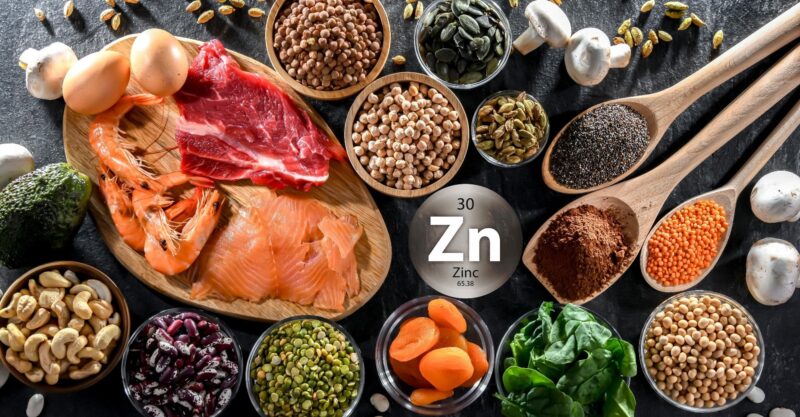
Zinc plays a major role in DNA synthesis, tissue repair, and cell division, all essential for healthy follicle activity. Low zinc can make hair dull, weak, or brittle. In some cases, deficiency even leads to loss patterns similar to telogen effluvium.
But there’s a balance: excessive zinc can interfere with copper absorption, which also affects it. So again, testing before supplementing is best.
Good sources: beef, pumpkin seeds, lentils, chickpeas, and cashews.
5. Antioxidants and Essential Fatty Acids
Your scalp is constantly exposed to oxidative stress from sunlight, pollution, and even normal metabolism. Antioxidants like vitamin C, vitamin E, and trace minerals such as selenium help reduce that damage. They also support collagen production in the scalp, improving follicle stability.
At the same time, omega-3 and omega-6 fatty acids nourish hair from within, supporting scalp hydration and reducing inflammation. People who include more fatty fish, walnuts, flaxseed, or chia seeds in their diets often report better texture and shine.
Where Do Hair Supplements Fit In?
Here’s the truth most people don’t hear: supplements help only when your body needs them. If you’re already getting enough nutrients from food, taking more won’t magically double your hair growth rate.
However, modern diets aren’t always perfect, and deficiencies, even mild ones, are common. In those cases, targeted supplementation can fill nutritional gaps and support healthy hair cycles.
This is where many people turn to hair growth supplements that combine multiple nutrients like amino acids, B-vitamins, iron, zinc, and antioxidants in balanced doses. When chosen carefully and used as part of a nutrient-rich diet, these blends can help bring your hair back to its optimal growth rhythm.
Again, the keyword is “informative,” not “miracle.” Supplements can support the process, not replace it.
What Science Actually Says
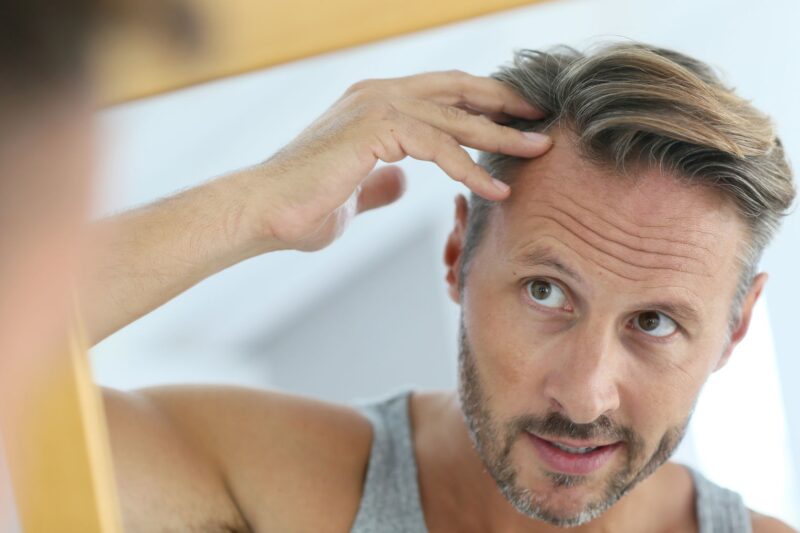
Clinical studies on supplements show modest but real benefits, mostly in people with existing deficiencies or temporary hair shedding.
For example:
- L-cystine and B-vitamin combinations improved hair density after three to six months.
- Omega-3, omega-6, and antioxidant formulas reduced loss in women with diffuse thinning.
- Iron correction significantly helped women with chronic telogen effluvium (diffuse shedding).
However, megadosing vitamins like A, E, or selenium can actually worsen hair loss. More is not better balance is everything.
What To Do Before Taking Anything
If you’re serious about addressing hair thinning or slow growth, start with these steps:
- Get tested. Check ferritin, vitamin D, zinc, thyroid levels, and general bloodwork.
- Fix your diet. Focus on lean proteins, leafy greens, eggs, oily fish, and colorful produce.
- Use supplements only where needed. Choose moderate doses, not extremes.
- Give it time. Hair grows roughly 1 cm per month. Expect results after at least 3–6 months.
- Protect it externally. Avoid tight hairstyles, harsh heat, and over-processing.
Midway Recap: The Core Answer
If you want stronger growth, focus on five essentials:
| Key Nutrient | Function | When It Helps Most |
|---|---|---|
| Iron (Ferritin) | Oxygen delivery to follicles | If low or borderline iron levels |
| Vitamin D | Regulates the follicle growth cycle | If deficient or limited sun exposure |
| Zinc | Cell repair and growth | If the diet lacks animal protein or legumes |
| Amino Acids (Cystine, Methionine) | Builds keratin and structure | If low protein intake |
| Antioxidants + Fatty Acids | Reduce follicle stress and inflammation | For overall scalp health |
These are the nutrients with the strongest backing for promoting stronger when a deficiency exists.
Common Questions
The Balanced Approach
The smartest path to stronger hair is a combination of nutrition, lifestyle, and patience. Eat well, sleep enough, manage stress, and only supplement what’s missing.
In time, your hair will show the results of what’s happening inside your body.