
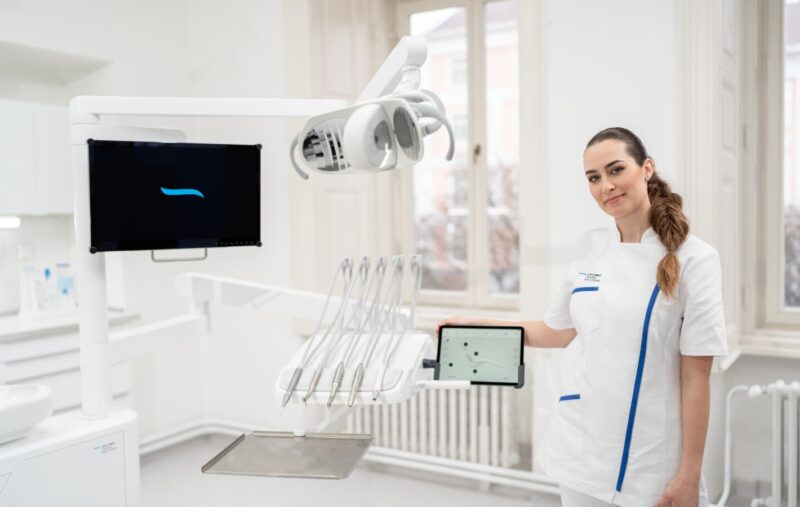
You open the clinic, glance at your schedule, see three gaps from last-minute cancellations. The front desk is buried in unanswered texts and emails. Meanwhile, the patient in the chair is squinting at their phone while waiting, wondering whether their lingering question will ever be answered. You catch your assistant’s eye, she’s juggling phone reminders, charting, and trying to confirm a follow-up.
This moment captures why patient communication matters. It’s not just about sending messages; it’s about presence even when you’re not physically present. Smart systems, automated reminders, chatbots, AI triage assistants, can fill that gap. They don’t replace human touch, but they free your team to be more available, more responsive, and more consistent.
In one of those early morning screens, you might see a notification from a system branded Trust AI that flagged a patient follow-up overdue by three days. That simple nudge reminds you: the system is quietly working in the background, preserving that line of connection.
Why “smart” systems outperform generic automation
Not all automation is smart. You can send reminders or prewritten emails today, but smart systems go deeper:
- They understand intent (e.g. a patient texting “can I move to 2 pm?” rather than clicking a button).
- They learn: as patterns emerge, they suggest optimal scheduling or messaging frequency.
- They integrate: they talk to your practice management system, charting tools, imaging modules, so data flows seamlessly.
Because of these characteristics, smart systems help you:
- Reduce no-shows – by sending intelligent reminders and letting patients reschedule themselves at convenient times.
- Respond faster – many systems answer common questions instantly, 24/7.
- Speak with personalization – rather than “Dear patient,” you can have messages reference a recent procedure, concerns, or next steps.
- Lower cognitive load for your staff – fewer manual tasks, fewer “did I forget someone?” moments.
These are the shifts that make communication feel proactive instead of reactive.
Key smart tools dentists can deploy (and how they change the workday)
Below is a comparison of common communication tools and how “smart” systems upgrade them.
| Tool | Basic Automation | Smart System Enhancement | Day-to-Day Impact |
|---|---|---|---|
| Appointment Reminders | Sends fixed SMS or email | Two-way messaging, auto reschedule, intent recognition | Staff don’t have to chase replies manually |
| Contact Form / Chatbot | Captures name, phone | Conversational AI that triages, answers FAQs | Fewer dropped leads; questions answered outside office hours |
| Post-Op Instructions | Static PDF or voicemail | Adaptive messaging; check-ins; sentiment analysis | You catch issues earlier, fewer callbacks |
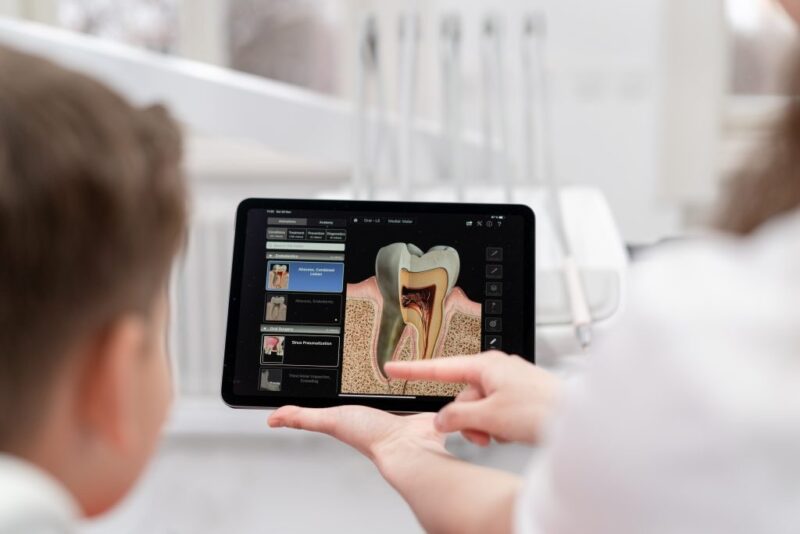
| Patient Education | Handouts, verbal | Interactive visuals or 3D demo tools | Patients feel more confident, accept treatment more readily |
Did you know? Conversational AI can resolve over 80 % of common patient questions without human intervention.
Let me walk you through two examples in more narrative detail:
Example: Chat + phone assistant that never sleeps
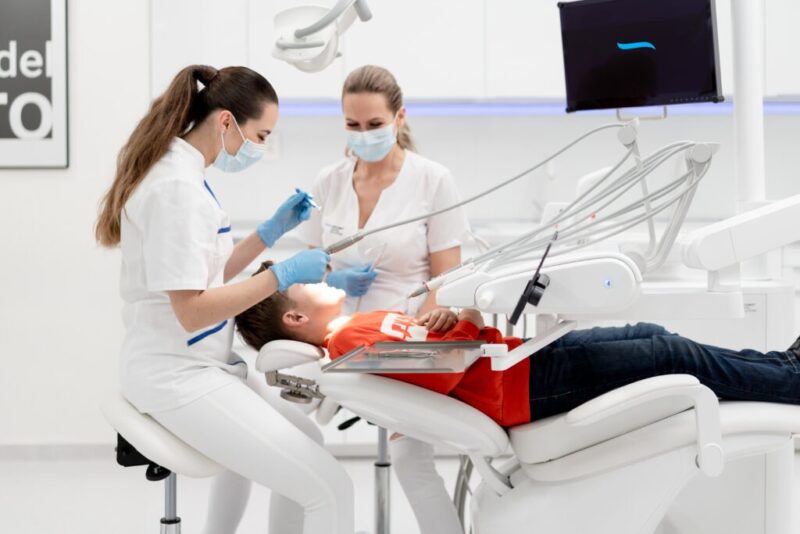
Imagine a patient texts at 8 pm: “My crown hurts, should I come tomorrow?” A smart system recognizes urgency, flags it, sends a templated acknowledgment (“We got your message, and we’ll call you first thing”), and alerts your team. Some systems even integrate with voice systems, picking up calls after hours and routing urgent ones to your backup number. That way, nobody feels ignored-even in off hours.
That’s not “automation for automation’s sake.” That’s preserving trust when your doors are closed.
Visual aids + patient education built in
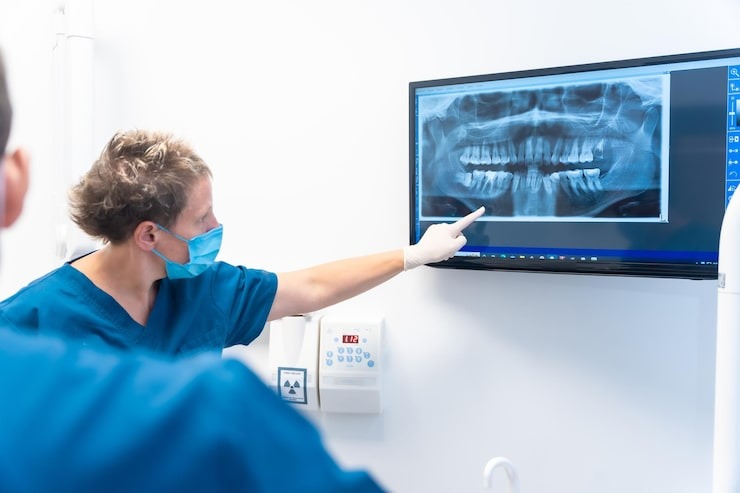
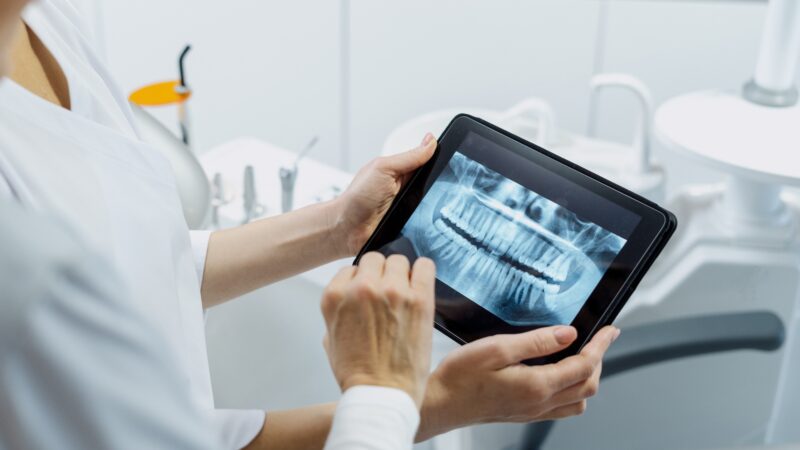
After you take an intraoral scan or an X-ray, a smart system can generate a visual walkthrough or 3D animation showing the proposed procedure steps. Patients see what you see, not just what your verbal explanation paints. Studies (like in the OralViewer project) show that this kind of visual demonstration improves patient understanding and reduces anxiety.
Now your chairside conversation isn’t just “trust me, this is needed”; it’s “here’s what will happen-and here’s what you can expect tomorrow.” That subtly shifts the tone from uncertain to informed.
How adopting smart systems changes staff culture (small but meaningful)
When your team feels buried under messages, missed calls, and manual follow-ups, it’s easy to start thinking “communication is just broken.” But when you layer in supportive systems, the mood shifts.
- Fewer interruptions at the desk – staff aren’t pausing mid-typing to answer every patient ping.
- More anticipatory actions – the system surfaces tasks (e.g. “send recall to those who haven’t responded in two weeks”) instead of staff having to dig manually.
- Shared accountability – the dashboard shows which patient threads are unresolved or overdue so nothing slips through a crack.
- Better patient-team rituals – staff can focus on building rapport, not getting bogged in logistics.
Those shifts matter. Over time, teams stop thinking of communication as a reactive burden and more as an evolving relationship scaffold.
Addressing concerns: privacy, trust, and “automation creep”
It’s natural to worry: “Am I outsourcing patient care to a robot?” The short answer: these systems are helpers, not replacements.
- Privacy & compliance – choose platforms that are HIPAA (or equivalent) compliant, offer encryption, and have strong data governance.
- Patient perception – frame it transparently: “Before I leave the chair, I’ll send you a personalized message you can tap to respond. It comes from our system, but with my oversight.”
- Tone calibration – ensure messages reflect your practice’s voice (warm, clear, gentle). Patients should feel spoken to, not piped with a machine.
- Fallback to humans – any triaged matters should escalate to live staff. The smart system should help reduce overload, not eliminate human intervention.
Some clinicians worry AI will misinterpret messages or tone. That’s why monitoring and human oversight remain vital during rollout phases.
Path to adoption: how to introduce smart communication in phases
You don’t need a big bang. Here’s a staged approach many practices follow:
- Pilot the reminder/confirmation module
- Let patients reply to SMS to reschedule or confirm.
- Monitor responses: how many reschedule vs ignore?
- Layer on conversational AI for FAQs
- Add a chatbot on your website or messaging that handles hours, location, and insurance queries.
- Let staff review unanswered threads at day’s end.
- Integrate intraoral imaging or scan data for visualization
- Use tools to generate patient-specific visuals or simulations.
- Test in staff training until fluent.
- Full patient journey orchestration
- Automated post-op check-ins, recall campaigns, satisfaction surveys.
- Analytics dashboards to flag patients slipping through.
By moving gradually you let staff and patients adjust-and you can tune tone, workflow, and oversight at every step.
Measurable outcomes worth tracking
When you implement smart systems, don’t just track features used-measure real effects. Here are metrics to watch:
- Reduction in no-show rate (e.g. from 10 % to 5 %)
- Time saved by staff per day (in minutes/hours)
- Patient satisfaction scores around communication
- Rate of treatment acceptance after visual/educational messaging
- Number of after-hours patient queries resolved automatically
Clinics that adopt AI-driven communication report improved retention, fewer missed leads, and staff less burned out.
Final reflection: technology that honors the human connection
At the core, dentistry is relational-not transactional. Every notification, every message between visits, contributes to trust. Smart systems don’t live in your clinic; they live in your patients’ hands. When deployed thoughtfully, they let your team show up better in the moments that matter: in the chair, in conversation, in reassurance.
You’ll know you’ve succeeded when patients stop texting you “Did you get my message?” and start saying, “Thanks for sending that-very helpful.” When your team breathes a little easier because they know the system catches what they’d miss. And when your day ends with fewer loose ends-not because communication is silent, but because it’s smarter, more intuitive, more human.