

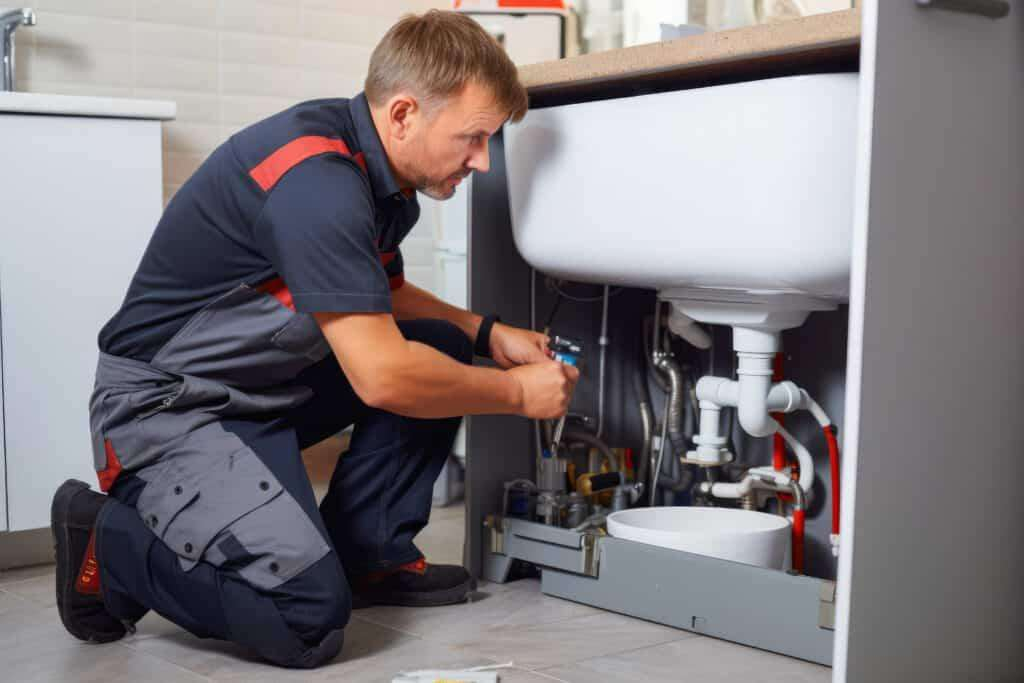
Finding a reliable plumber can feel overwhelming, especially when water starts leaking or a drain refuses to clear.
Many homeowners wait until a problem becomes urgent, then rush into hiring the first available service. A more informed approach leads to better results, fewer surprises, and long term peace of mind.
Local plumbers offer convenience, faster response times, and knowledge of common issues in the area.
Still, knowing what happens before, during, and after the job helps avoid confusion and unnecessary costs. Clear expectations make the entire process smoother for both sides.
Main Benefits of Choosing Local Plumbers
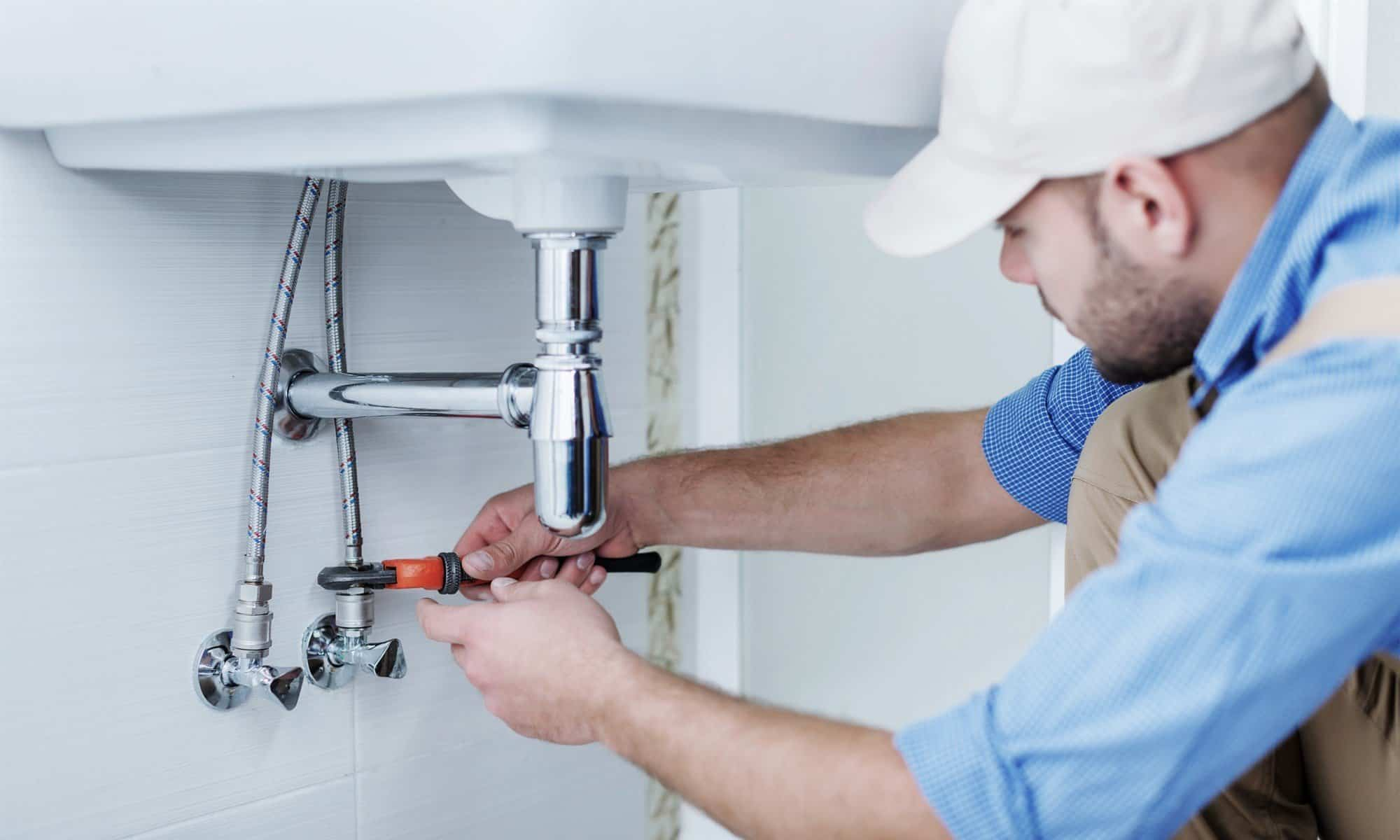
Local professionals bring advantages that larger, distant companies may not match.
Faster Response Time
Plumbing problems rarely wait. A nearby plumber can arrive quickly, which reduces potential damage. Water leaks, clogged pipes, and heating issues can escalate within hours, so proximity plays a major role.
Familiarity With Local Systems
Every region has specific building codes, water pressure conditions, and infrastructure quirks. A plumber who works in the same area understands common pipe materials, drainage setups, and recurring issues in local homes.
Easier Communication And Follow Up
Working with someone nearby makes scheduling easier. Follow up visits, warranty claims, or additional work become simpler when the provider operates within the same community.
Initial Contact And What Happens First
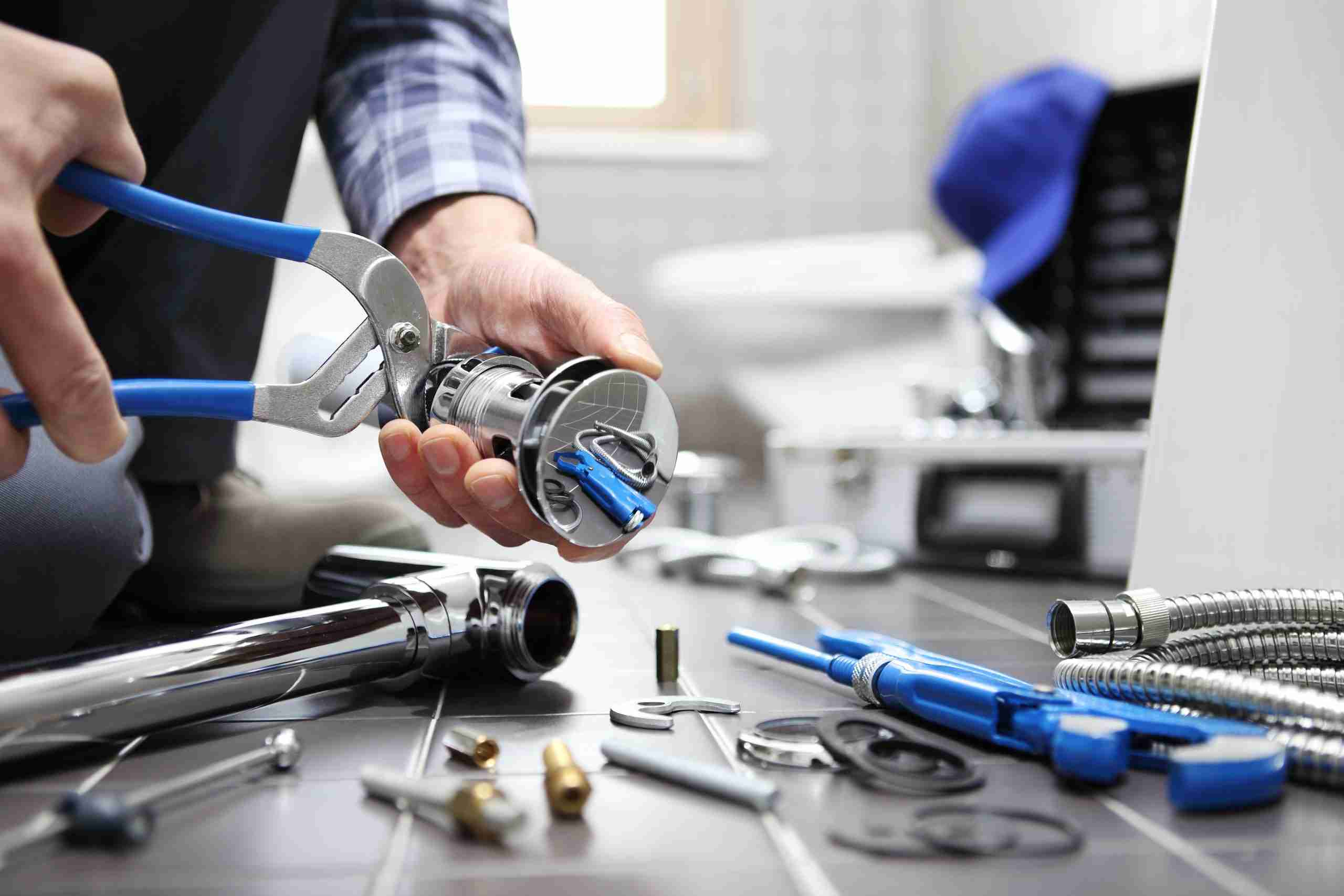
The process usually begins with a phone call, website form, or direct message. Clear communication at this stage sets the tone for the entire job.
Describing The Problem
Providing accurate details helps the plumber prepare. Mention symptoms such as:
- Slow drains
- Water stains on walls or ceilings
- Unusual noises in pipes
- Low water pressure
- Sudden increase in water bills
More specific information allows the plumber to estimate time, tools, and possible solutions before arrival.
Scheduling The Visit
Most local plumbers offer flexible scheduling. Emergency services may be available for urgent situations, while routine maintenance or minor repairs can be booked in advance.
Expect a time window rather than an exact minute, since earlier jobs may affect arrival.
Inspection And Diagnosis
Once on site, the plumber begins with a detailed inspection. A professional approach involves identifying the root cause rather than applying a temporary fix.
Visual Assessment
The plumber checks visible components such as:
- Faucets and fixtures
- Pipes under sinks
- Water heaters
- Drain openings
Signs of corrosion, leaks, or improper installation can be detected quickly.
Use Of Tools And Equipment
More complex issues may require specialized tools:
- Camera inspection for pipes
- Pressure gauges
- Leak detection devices
Accurate diagnosis prevents unnecessary work and reduces overall cost.
Explanation Of The Problem
A reliable plumber explains findings in clear language. You should understand:
- What caused the issue
- How serious the problem is
- What happens if left unresolved
Transparent communication builds trust and allows informed decisions.
Cost Estimates And Pricing
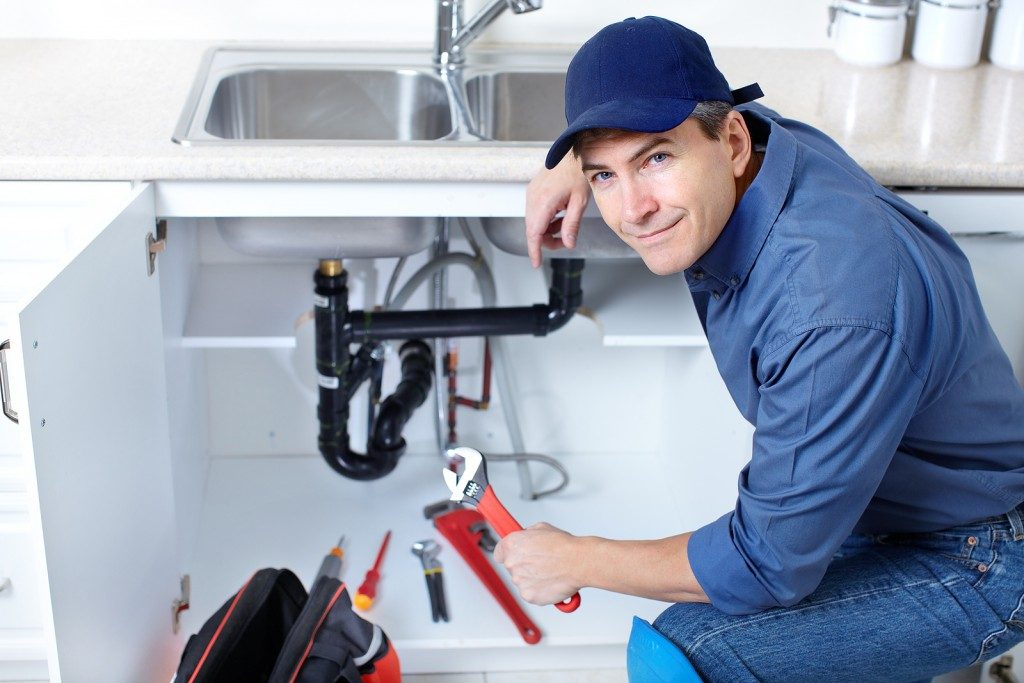
One of the most important parts of hiring a plumber involves understanding pricing.
Types Of Pricing Models
Local plumbers typically use one of the following approaches:
- Flat rate pricing for standard jobs
- Hourly rates for complex or unpredictable work
- Combination of labor and materials
Each model has advantages depending on the situation.
Written Estimates
Before work begins, expect a written estimate. It should include:
- Labor costs
- Material costs
- Possible additional charges
Clear documentation protects both sides and reduces misunderstandings.
Factors That Affect Cost
Several elements influence final pricing:
- Severity of the problem
- Accessibility of pipes or fixtures
- Required parts or replacements
- Time needed to complete the job
Emergency services usually cost more due to urgency and off hours availability.
What Happens During The Repair Or Installation
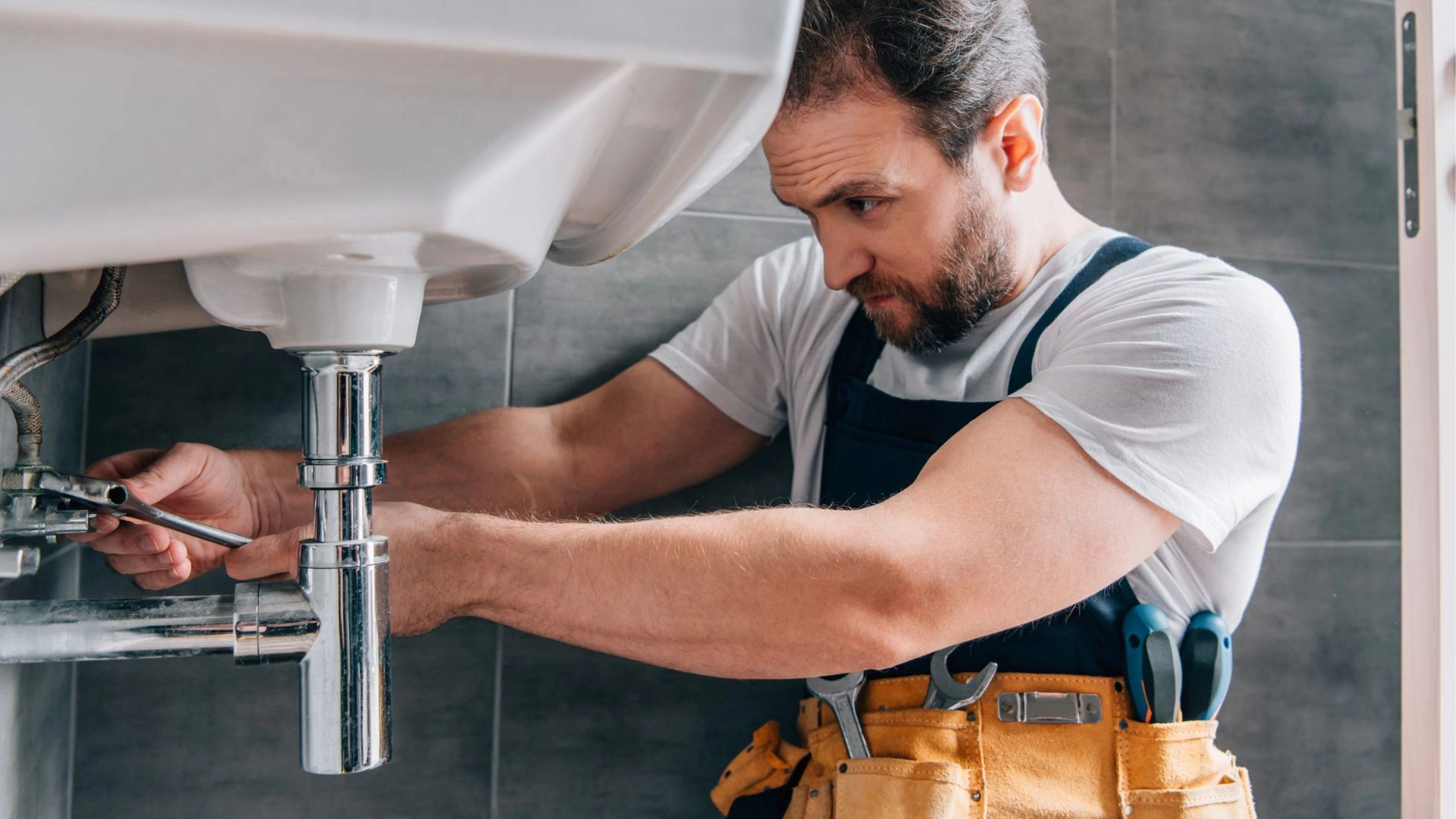
After approval, the plumber proceeds with the work. Professional conduct and attention to detail become visible at this stage.
Preparation And Safety Measures
A responsible plumber protects the workspace by:
- Using drop cloths or protective covers
- Turning off water supply when needed
- Ensuring safe handling of tools
Such steps prevent damage to floors, walls, and surrounding areas.
Execution Of The Work
Depending on the issue, tasks may include:
- Fixing leaks
- Replacing pipes
- Installing fixtures
- Clearing blockages
Work should follow local codes and industry standards.
Communication During The Process
If unexpected complications appear, the plumber should inform you immediately. Additional costs or extended time must be discussed before continuing.
Quality Of Work And What To Look For
A finished job should meet certain standards. Knowing what to check helps confirm quality.
Proper Functionality
Water should flow correctly, without leaks or unusual sounds. Drains should clear efficiently, and fixtures should operate smoothly.
Clean Work Area
A professional leaves the space tidy. Tools and debris should be removed, and surfaces wiped clean.
Durable Materials
Quality parts last longer and reduce future repairs. Ask about materials used, especially for replacements.
Permits, Codes, And Compliance
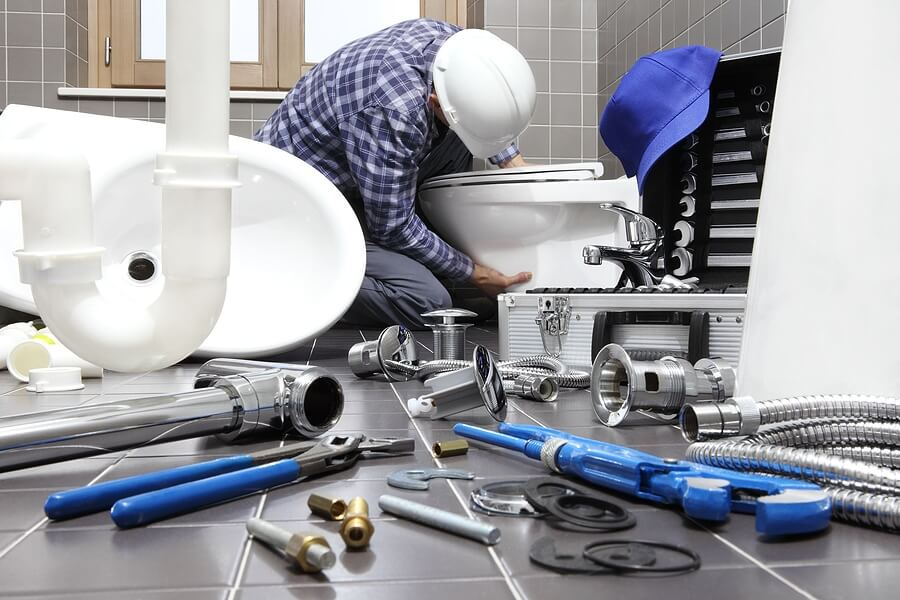
Some plumbing work requires permits and adherence to local regulations.
When Permits Are Needed
Major jobs such as:
- Pipe replacement
- Water heater installation
- Structural plumbing changes
may require official approval.
Responsibility For Compliance
A qualified plumber handles permits and ensures work meets legal standards. Hiring someone familiar with local regulations reduces risk of fines or future issues.
Warranty And Guarantees
Reliable plumbers stand behind their work.
Types Of Guarantees
Expect coverage for:
- Labor
- Installed parts
- Specific repairs
Warranty duration varies depending on the job.
Importance Of Documentation
Keep copies of invoices and warranty details. Such records help if problems appear later.
Common Challenges And How To Handle Them
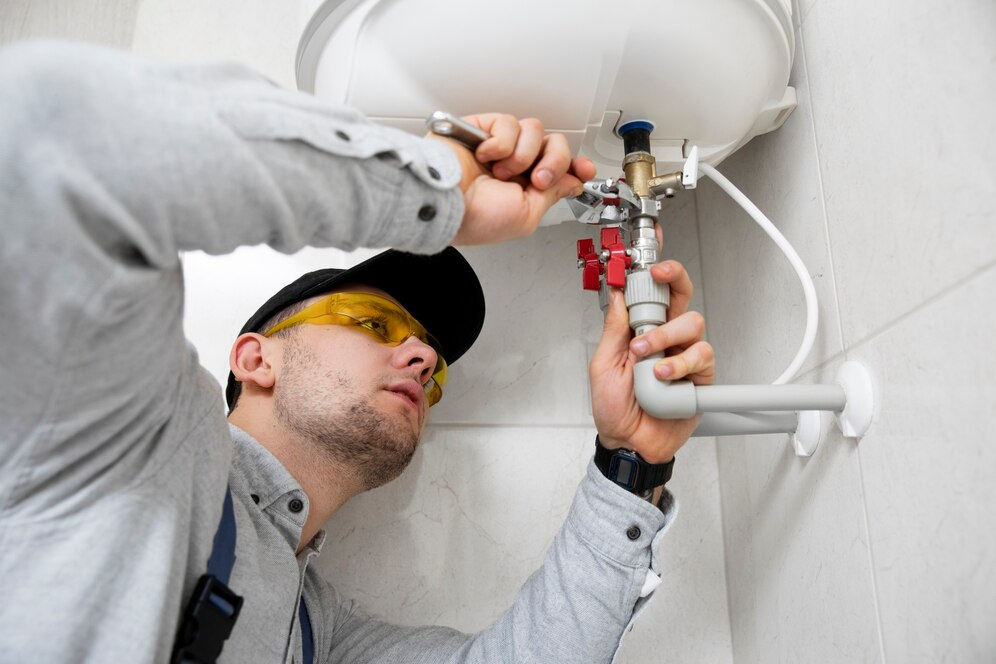
Even with preparation, challenges may arise.
Unexpected Issues
Hidden damage or outdated systems can complicate repairs. Open communication helps adjust plans without frustration.
Delays
Parts availability or complex diagnostics may extend timelines. A professional plumber provides updates and revised estimates.
Budget Concerns
Discuss financial limits early. Many plumbers suggest alternative solutions that fit different budgets.
Tips For Choosing The Right Local Plumber
Making the right choice from the start reduces stress and ensures better results.
Check Credentials
Verify:
- Licenses
- Insurance
- Certifications
Proper credentials indicate professionalism and accountability.
Read Reviews And Feedback
Online reviews provide insight into reliability and customer experience. Look for consistent patterns rather than isolated opinions.
Ask Questions
Before hiring, consider asking:
- How long have you been in business
- Do you offer warranties
- What is included in the estimate
Clear answers show transparency and confidence.
Compare Multiple Options
Getting several quotes helps understand pricing and available solutions. Avoid choosing based solely on the lowest price, since quality matters more in the long run.
Maintenance Advice After The Job
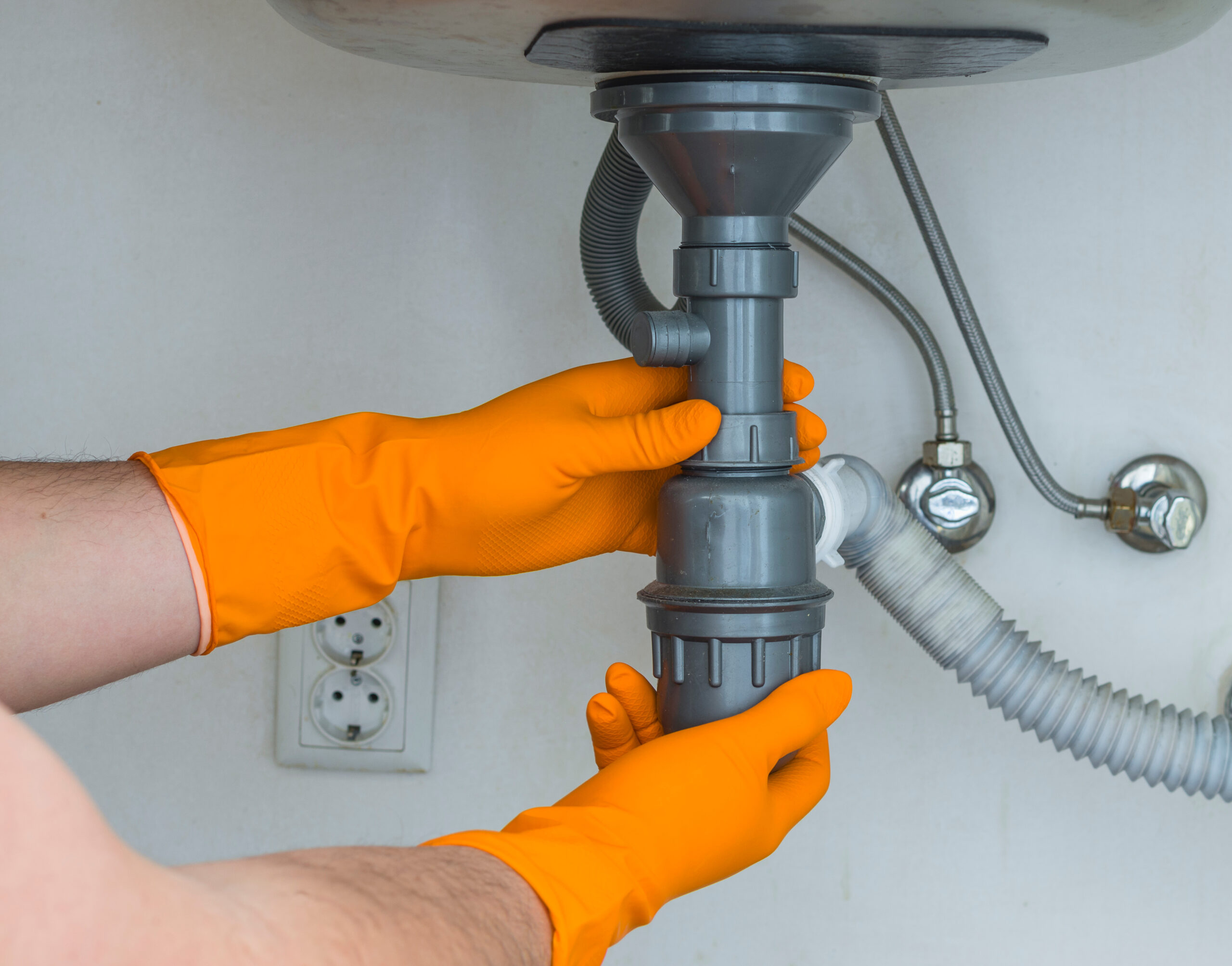
Once the work is complete, basic maintenance keeps plumbing systems in good condition.
Simple Habits That Help
- Avoid pouring grease into drains
- Use drain covers to catch debris
- Check for small leaks regularly
Small actions prevent larger issues later.
When To Call A Professional Again
If any of the following appear, contact a plumber:
- Recurring clogs
- Water pressure changes
- Visible leaks or moisture
Early intervention saves time and money.
Final Thoughts
Hiring a local plumber involves more than fixing a single issue. The process includes communication, evaluation, cost understanding, and long term reliability. Knowing what to expect at each stage leads to better decisions and fewer surprises.
A well chosen plumber becomes a valuable contact for future needs. Building that relationship ensures faster help, consistent quality, and greater confidence whenever plumbing problems arise.