


If you’ve ever looked at your pet and wondered, “What are you trying to tell me right now?”, you’re not alone. Pets communicate constantly, just not in words.
Their language lives in tail flicks, ear positions, posture, and even the smallest eye movements. Once you start noticing these signals, your relationship with your pet shifts in a meaningful way.
Understanding pet body language is not just about curiosity. It helps prevent stress, builds trust, and can even keep both of you safe.
Dogs and cats rely heavily on physical cues to express emotions and intentions, combining posture, facial expressions, and movement into a rich, silent dialogue.
Let’s break it down together so you can start “listening” more clearly.
Why learning your pet’s body language matters

Before diving into specific signals, it’s important to understand why this skill matters so much. Pets don’t suddenly jump from calm to aggressive. They communicate discomfort long before it escalates. Recognizing early signs can prevent misunderstandings and even injuries.
For example, subtle stress signals like lip licking or turning away often mean “I need space,” not “I’m fine.” Ignoring these can lead to bigger reactions.
If your pet ever shows unusual or extreme behavior, it’s worth paying close attention. In some cases, behavioral changes can point to underlying health issues. Knowing when to seek professional help is essential, especially if signs appear suddenly. Access to reliable veterinary urgent care for dogs and cats, can make a real difference when something feels off.
The basics of pet communication signals
It’s tempting to focus on one obvious sign like a wagging tail or a purring sound. But pets communicate through combinations of signals, not isolated gestures.
Here’s what to observe together:
- Tail position and movement
- Ear direction and tension
- Eyes and gaze
- Overall posture
- Movement speed and energy
Important note: A single signal can be misleading. A wagging tail doesn’t always mean happiness. Context matters.
For instance, a stiff wag with a high tail may signal alertness or even aggression, while a loose wag suggests relaxation.
Once you start combining these cues, your pet’s message becomes much clearer.
What your dog is trying to tell you
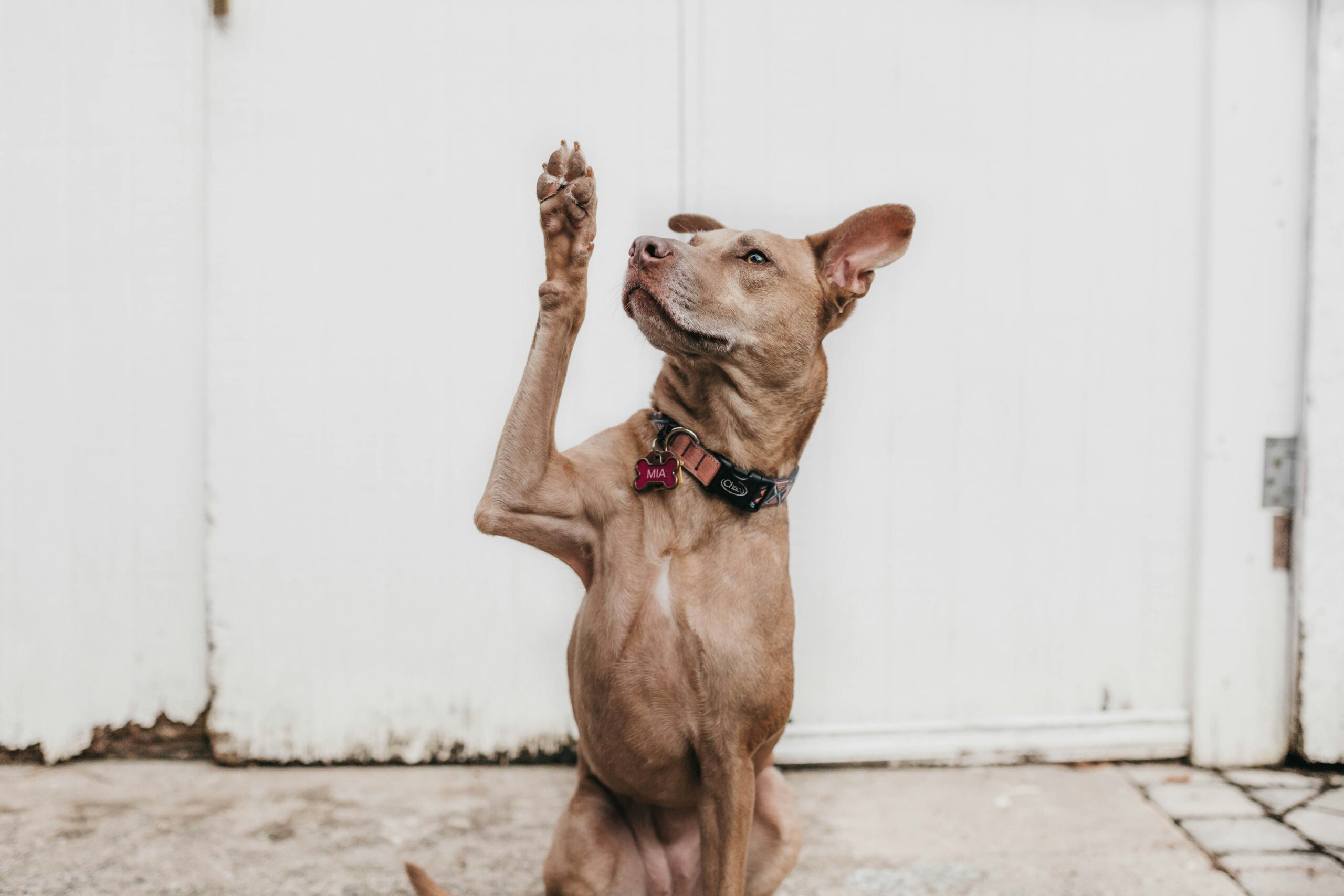
Dogs tend to be expressive, but their signals are often misunderstood. Their body language ranges from obvious playfulness to subtle stress indicators.
Common dog signals and meanings
| Behavior | What it usually means |
| Loose body, soft eyes | Relaxed and content |
| Play bow | Invitation to play |
| Tail tucked | Fear or anxiety |
| Ears forward | Alert or focused |
| Lip licking (no food) | Stress or discomfort |
A relaxed dog typically has a loose posture, gentle tail movement, and soft eyes, indicating they feel safe.
On the other hand, stress signals are often quieter:
- Turning the head away
- Yawning excessively
- Avoiding eye contact
These are early warnings. If ignored, they can escalate into stronger reactions.
Dogs also use their tails to express emotional states. A high, upright tail often signals confidence, while a low or tucked tail indicates fear.
Understanding these patterns helps you respond appropriately instead of guessing.
What your cat is trying to tell you

Cats are more subtle, which is why they’re often misunderstood. But once you learn their signals, they become incredibly expressive.
Key feline body language cues
Cats rely heavily on their tails, eyes, and posture:
- Tail held high: Friendly and confident
- Tail flicking rapidly: Irritation or overstimulation
- Slow blinking: Trust and affection
- Flattened ears: Fear or aggression
A cat’s tail is especially revealing. A raised tail often signals comfort and friendliness, while a tucked or puffed tail indicates fear or distress.
Another powerful signal is the slow blink. When your cat looks at you and slowly closes its eyes, it’s essentially saying, “I trust you.” Returning the blink can strengthen your bond.
Cats may also knead soft surfaces or your lap when relaxed, which is a self-soothing behavior linked to comfort.
Subtle signals most owners miss
Some of the most important messages your pet sends are easy to overlook. These are often the early signs of stress or discomfort.
Watch closely for these behaviors
- Lip licking when no food is present
- Sudden stillness or freezing
- Turning away from interaction
- Excessive grooming (in cats)
- Panting without physical activity
These behaviors often mean your pet is overwhelmed or unsure.
Did you know? Stress signals in pets often appear long before any aggressive behavior, acting as a built-in warning system.
Recognizing these signs early allows you to adjust the situation, whether that means giving space, reducing noise, or removing a trigger.
This awareness builds trust because your pet learns that you respect their boundaries.
How to respond to your pet’s body language

Understanding is only half the equation. The real impact comes from how you respond.
Simple ways to improve communication
- Respect space when your pet shows discomfort
- Reinforce calm behavior with gentle attention
- Avoid forcing interaction, especially with new people
- Use a calm voice and slow movements
If your dog turns away or your cat flicks its tail, pause instead of pushing interaction. That moment of respect can prevent stress from escalating.
Also, match your response to their emotional state. A playful dog benefits from engagement, while a nervous one needs reassurance and distance.
Consistency matters. Over time, your pet learns that you understand them, which strengthens your bond in a natural, lasting way.
Building a deeper connection through understanding
When you begin to recognize your pet’s body language, something shifts. You stop reacting randomly and start responding with intention.
Pets are constantly communicating how they feel. Whether it’s a soft blink from your cat or a relaxed posture from your dog, these small signals carry meaning. And when you notice them, you’re telling your pet, “I’m paying attention.”
That awareness builds trust faster than anything else.
Over time, you’ll find yourself anticipating their needs instead of reacting to problems. You’ll know when they want play, when they need space, and when something isn’t quite right.
And that’s when the relationship becomes more than just ownership. It becomes understanding.