

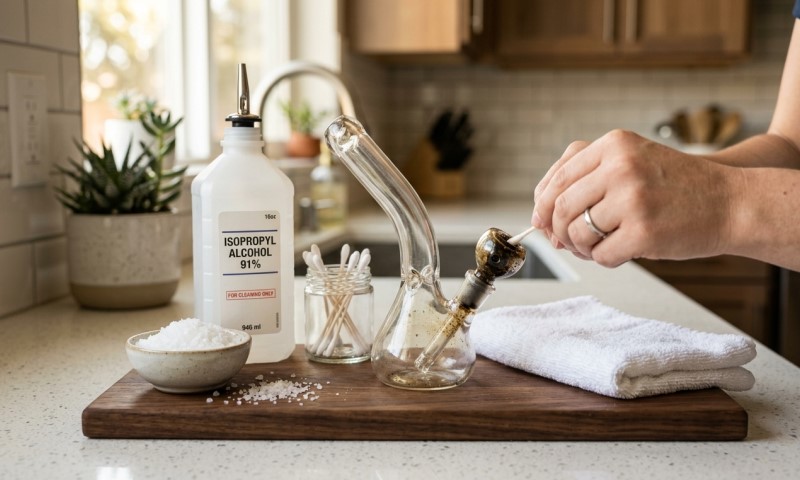
Ever noticed how quickly a glass pipe can go from crystal clear to cloudy and sticky? Resin buildup begins forming after only a few uses, gradually narrowing airflow and altering the taste of each session. Many people ignore it until the pipe becomes clogged, but routine cleaning keeps the device working properly and helps preserve flavor.
Glass smoking pipes are popular because they are durable, easy to use, and allow you to see residue buildup directly. Over time, ash particles, oils, and burned plant matter accumulate inside the bowl and airway.
That buildup does more than make the pipe look dirty. It can restrict airflow, reduce efficiency, and create harsh smoke. Regular cleaning removes this residue and helps the pipe function the way it was designed to.
Why Glass Pipes Get Dirty Over Time
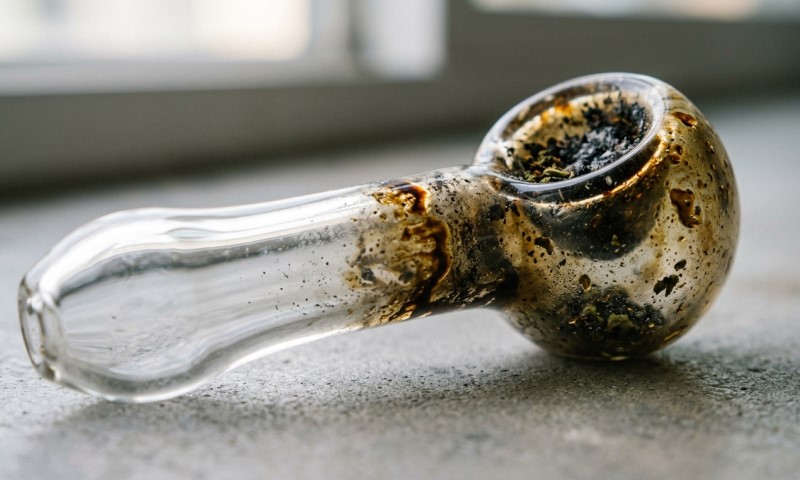
A glass pipe may appear simple, but the inside surfaces experience a lot of buildup during regular use. Combustion releases oils, ash, and sticky resin that slowly coats the glass interior. After repeated sessions, these materials begin to harden and collect in narrow areas of the pipe.
This buildup causes several common problems:
- Airflow becomes restricted as resin blocks narrow channels
- Flavor changes as old residue burns alongside fresh material
- Cleaning becomes harder because hardened resin sticks to glass
- The pipe becomes less hygienic with bacteria or debris accumulating
According to smoking accessory maintenance guides, cleaning regularly improves airflow and preserves flavor because residue buildup can quickly clog the pipe and affect performance.
Some pipes also include removable components. For example, a piece with a detachable stem or bowl may have a bong downstem that collects residue separately. These parts can also be cleaned individually to keep the entire device functioning smoothly.
Keeping each part clean helps prevent deep resin buildup that requires more aggressive cleaning later.
Quick Overview of Safe Cleaning Methods
Before diving into the cleaning process, it helps to understand which techniques are safest for delicate glass. Some methods are simple rinses, while others involve solvents that dissolve stubborn residue.
| Cleaning Method | Difficulty | Risk to Glass |
| Alcohol + salt | easy | low |
| Warm water rinse | very easy | very low |
| Pipe cleaners | easy | very low |
| Chemical cleaners | medium | moderate |
Each method serves a different purpose. Warm water rinses remove loose debris, while alcohol and salt solutions break down sticky resin buildup.
A quick rinse after use prevents heavy buildup, while occasional deep cleaning restores the pipe completely.
Materials Needed for Safe Cleaning
Cleaning a glass pipe does not require expensive equipment. Most people already have the necessary supplies at home. The key is choosing materials that remove resin without scratching the glass surface.
Typical cleaning supplies include:
- Isopropyl alcohol, usually between 70 and 99 percent
- Coarse salt such as sea salt or Epsom salt
- A resealable plastic bag or small container
- Cotton swabs or pipe cleaners
- Warm running water
Isopropyl alcohol works as a solvent that dissolves sticky resin and tar buildup inside the pipe. Salt plays a different role. Because it does not dissolve easily in alcohol, the grains move around the pipe and gently scrub away residue.
Coarse salt is preferred over fine salt because the larger crystals provide better scrubbing action without scratching glass.
Using the right combination of solvent and abrasive helps remove buildup safely while protecting the pipe’s surface.
Step by Step Method to Clean a Glass Pipe
Once the supplies are ready, the cleaning process is straightforward. The alcohol and salt technique is widely considered the safest and most effective approach for glass pipes.
Step 1. Rinse With Warm Water
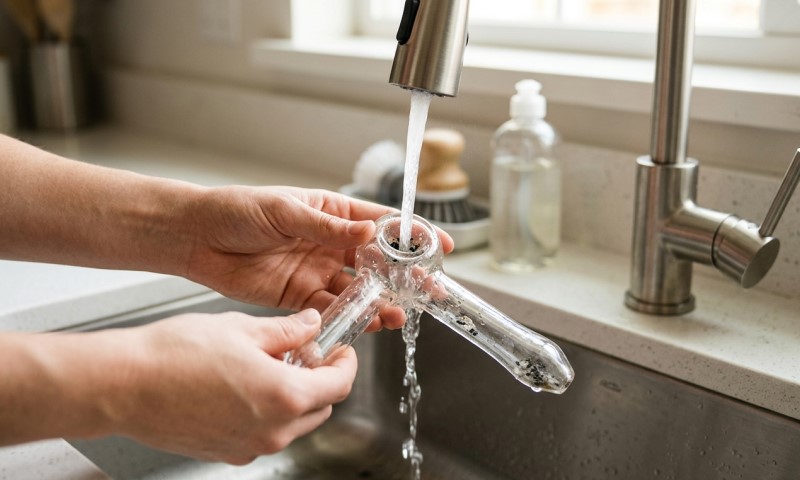
Start by rinsing the pipe with warm running water. This removes loose ash and softens the resin inside the bowl and airway.
Warm water also prepares the pipe for deeper cleaning without exposing it to sudden temperature changes.
Step 2. Prepare the Cleaning Solution
Place the pipe in a resealable bag or container. Pour enough isopropyl alcohol into the container to fully submerge the pipe. Add several tablespoons of coarse salt.
The salt should remain undissolved. That gritty texture will help scrub the inside of the pipe.
Step 3. Shake the Container Gently
Seal the bag or container and shake it gently for a few minutes. The salt moves through the pipe while the alcohol dissolves the resin buildup.
Together they loosen and remove sticky residue that water alone cannot remove.
Step 4. Allow Soaking for Heavy Buildup
If the pipe has thick residue, allow it to soak for about 30 minutes. Soaking gives the alcohol time to dissolve hardened resin.
After soaking, shake the container again to remove the loosened residue.
Step 5. Clean Narrow Areas
Use pipe cleaners or cotton swabs to scrub the bowl and mouthpiece. These areas often trap residue that the shaking process cannot reach.
Step 6. Rinse Thoroughly
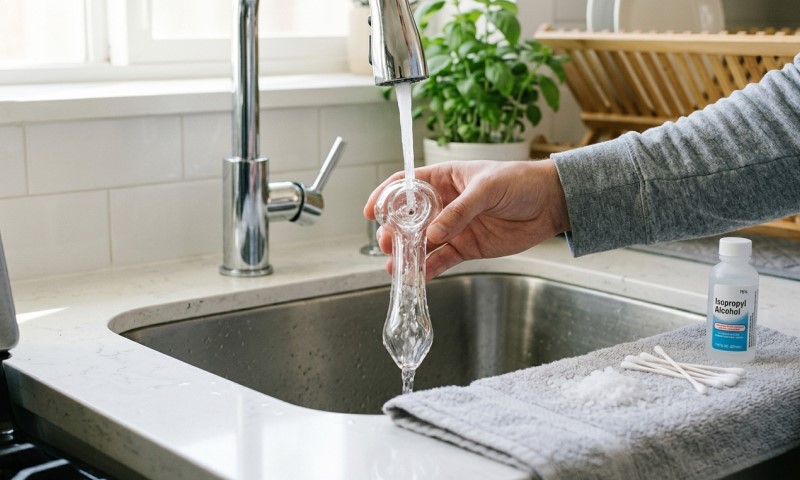
Remove the pipe from the container and rinse it under warm running water until all salt and alcohol are gone.
Step 7. Let the Pipe Air Dry
Place the pipe on a clean towel and allow it to dry completely before using it again.
Common Cleaning Mistakes That Damage Glass
Many broken pipes are the result of improper cleaning techniques rather than accidents. Glass can handle routine cleaning, but sudden temperature changes or abrasive materials can cause damage.
One of the biggest risks is thermal shock. When glass experiences a rapid temperature change, different parts of the material expand at different rates, which can cause cracks or shattering.
Some cleaning mistakes to avoid include:
- Using boiling water on a cold pipe
- Pouring cold water on a hot pipe immediately after use
- Scrubbing with steel wool or metal brushes
- Using harsh chemicals like bleach
- Dropping the pipe into boiling water suddenly
Glass pipes are durable but still sensitive to rapid temperature changes. Even small cracks can grow larger after repeated heating and cooling cycles.
Using warm water instead of boiling water is one of the easiest ways to avoid accidental damage.
Tips to Keep a Glass Pipe Cleaner Longer
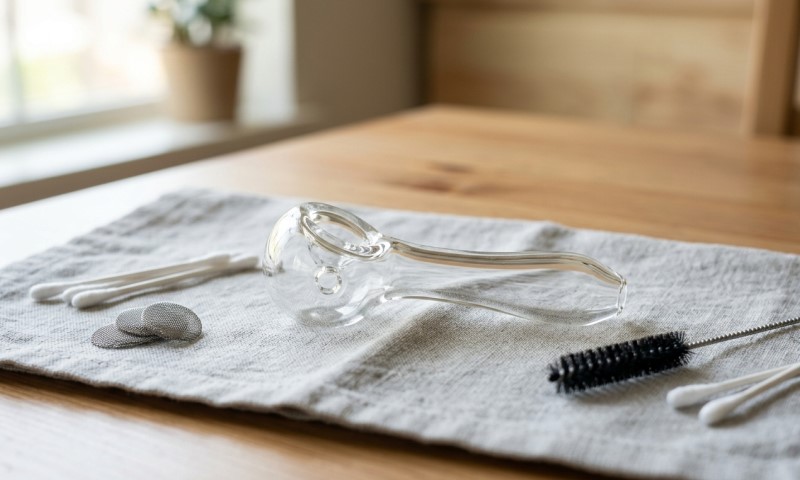
Regular maintenance makes deep cleaning faster and easier. Small habits prevent thick resin buildup and keep airflow clear.
Here are a few practical maintenance tips:
- Empty ash after each use to prevent residue buildup
- Rinse the pipe periodically with warm water
- Use small screens to reduce ash entering the bowl
- Store the pipe in a safe place to avoid damage
- Clean lightly once a week instead of waiting months
A quick rinse every few uses helps prevent the sticky layers that require longer soaking later.
Did you know?
Regular cleaning improves airflow and flavor because residue buildup restricts smoke movement and alters taste.
Think of it as routine maintenance. Just like any piece of equipment, the pipe works best when kept clean.
Keeping Your Glass Pipe in Good Condition
Cleaning a glass pipe does not require harsh chemicals or complicated tools. In most cases, simple household materials such as isopropyl alcohol, coarse salt, and warm water are enough to remove resin safely.
The key is patience and gentle handling. Rushing the process or exposing the pipe to extreme temperatures increases the risk of cracks or breakage. A careful cleaning routine protects the glass while restoring airflow and flavor.
When maintained regularly, a glass pipe can last for years. A quick rinse after use and occasional deep cleaning prevent heavy buildup and keep the pipe working smoothly. Simple habits make a big difference in preserving both the performance and lifespan of the glass piece.