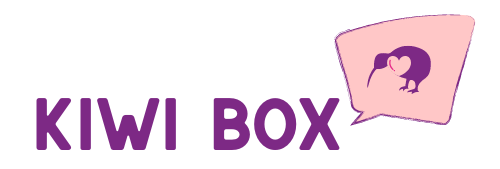

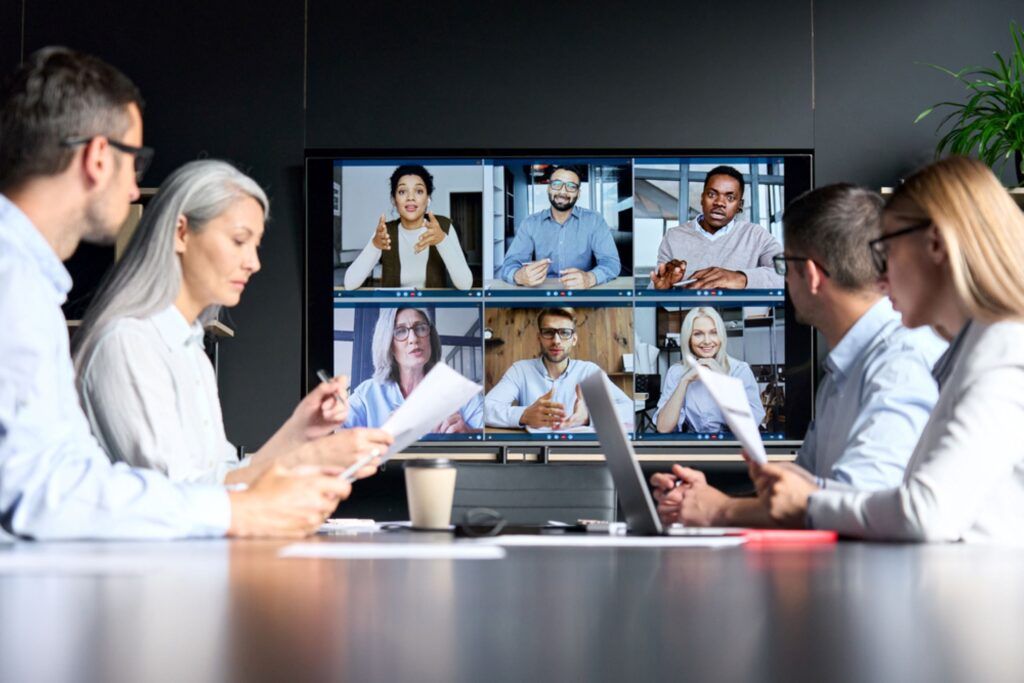
The place of work is no longer limited to an office building. The ability to work from anywhere has enabled companies to employ talented individuals from different countries, cultures, and time zones.
The changing nature of work is resulting in new ways of working together, communicating, and building trust.
With fewer lengthy meetings and rigid schedules, many teams can now focus on achieving results, working flexibly, and creating effective digital working practices.
Security in a Borderless Workplace
When teams work from home, cafes, or coworking spaces, ensuring security is a bigger challenge. Companies need to protect sensitive data while allowing their employees to be productive from anywhere.
Several companies are now using solutions such as a mobile proxy server to provide secure Internet access and manage Internet traffic safely.
Good security solutions provide employees with access to required resources while providing a good level of protection against risks arising from accessing the internet via unsafe Internet networks.
Communication Becomes a Culture Builder
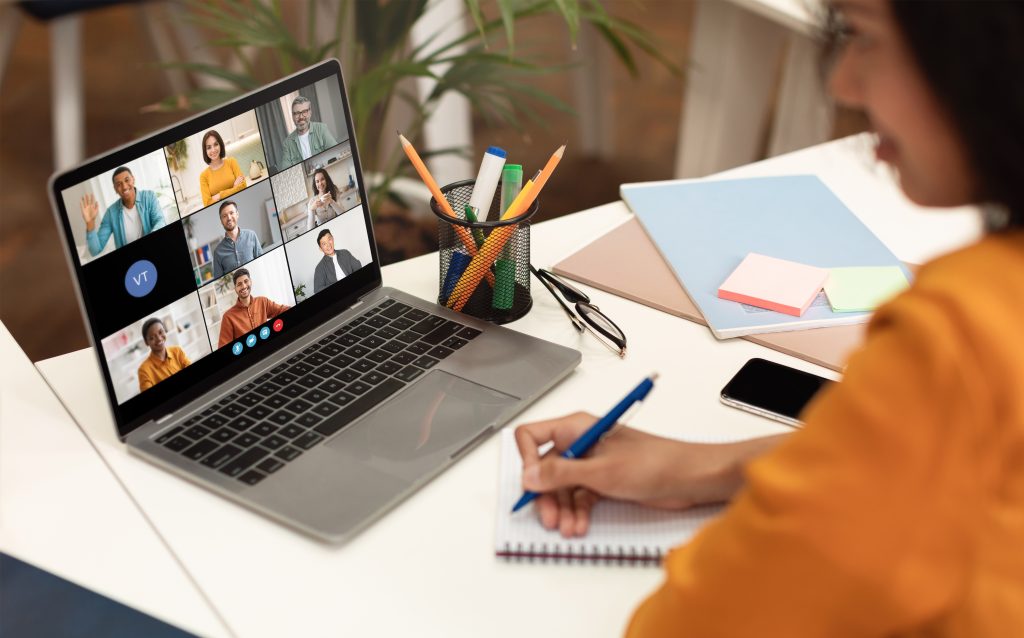
In remote companies, good communication is not just a tool – it is part of the company culture. Teams rely on regular updates, asynchronous communications, and planned meetings. Good documentation replaces casual conversations in corridors.
Without shared office space, information must travel more intentionally. Clear updates help everyone stay aligned even when employees work in different time zones. Many remote teams rely on written communication because it creates a lasting record of decisions and reduces misunderstandings.
Strong remote teams usually develop a few simple habits that keep collaboration smooth:
- Short written updates keep projects visible to the entire team.
- Shared documentation ensures important knowledge is not lost.
- Focused meetings replace long discussions with unclear outcomes.
- Public team channels make communication transparent and accessible.
Some companies also use voice-based updates when a message needs to feel more personal than another written notification. For example, sales, HR, onboarding, and customer success teams may use ringless voicemail software to send short, personalized voice messages without interrupting the recipient’s workday. In a remote environment, this kind of communication can support follow ups, reminders, and internal announcements while still respecting flexible schedules.
The key is to use it thoughtfully, as part of a broader communication system, rather than replacing clear documentation or regular team updates.
Trust Replaces Micromanagement
Working from a distance forces managers to rethink leadership. Traditional supervision methods often rely on observing employees during working hours. Remote work makes that approach ineffective.
Instead of monitoring activity, successful managers focus on outcomes. Employees are trusted to organize their own schedules and complete tasks in ways that suit their productivity patterns.
This shift can create several positive changes:
- Employees gain more independence in how they manage their time.
- Managers concentrate on goals instead of constant supervision.
- Teams become more accountable for the results they deliver.
When trust becomes part of the culture, teams often respond with greater engagement and stronger ownership of their work.
Tools That Power Modern Collaboration
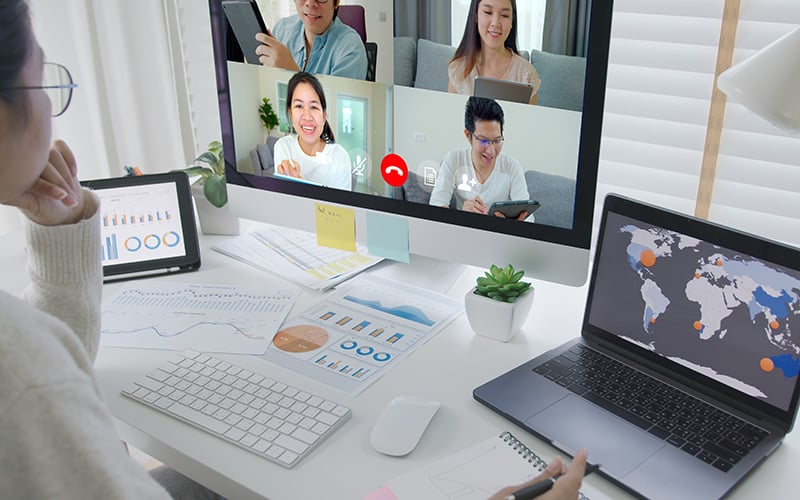
Successful remote teams create a digital ecosystem to promote productivity and connection. Instead of relying on one tool, companies usually combine several systems that support different aspects of work.
A typical remote workflow includes several core components:
- Project management platforms that provide visibility into tasks and deadlines.
- Communication tools that allow quick discussions and team updates.
- Cloud storage systems where documents can be shared and edited easily.
- Security solutions that protect distributed networks and company data.
- Analytics tools that help leaders understand productivity trends.
When these tools are integrated well, teams experience fewer delays and smoother collaboration. Technology becomes the bridge that keeps distributed teams connected and organized.
A Culture That Prioritizes People
Perhaps the most significant change is how remote work reshapes company values. Businesses increasingly recognize that productivity is connected to employee wellbeing.
Flexible schedules allow employees to balance work responsibilities with personal needs. Many workers find they can focus better when they control their work environment and daily routine.
Companies that prioritize people often adopt several supportive practices:
- Flexible working hours that accommodate different lifestyles.
- Regular check ins focused on wellbeing, not only performance.
- Mental health resources that help employees manage stress.
- Encouragement of time off to prevent burnout.
Over time, these changes help organizations build healthier work environments where employees feel valued and supported.
Global Talent Changes Team Dynamics
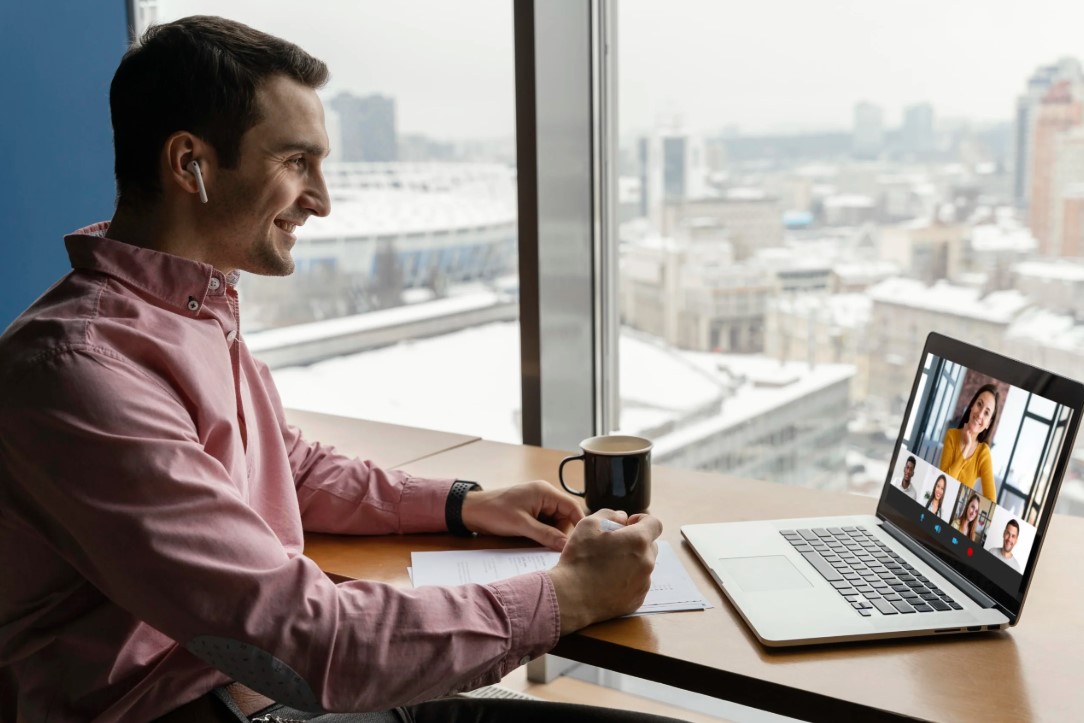
Remote work allows companies to hire employees who may never have relocated for a traditional office job. As a result, many teams now include members from multiple countries and cultural backgrounds.
This diversity can strengthen creativity and problem solving. Employees bring different perspectives, professional experiences, and ways of thinking about challenges.
However, global teams also require thoughtful coordination. Leaders must consider cultural differences, time zones, and communication styles. Clear expectations and well documented processes help ensure that everyone remains aligned.
When managed effectively, international teams often become one of the greatest advantages of remote work.
The Future of Hybrid Work
Many organizations are now experimenting with hybrid work models. Employees split their time between remote environments and physical offices.
Hybrid systems aim to combine the benefits of flexibility with the advantages of occasional in person collaboration. Offices become spaces for meetings, creative workshops, and team building rather than daily desk work.
Companies adopting hybrid models often focus on a few guiding ideas:
- Remote work remains the default for focused tasks.
- Offices support collaboration and relationship building.
- Digital tools remain central to communication and project management.
This balance allows businesses to maintain flexibility while preserving the social connections that help teams thrive.