

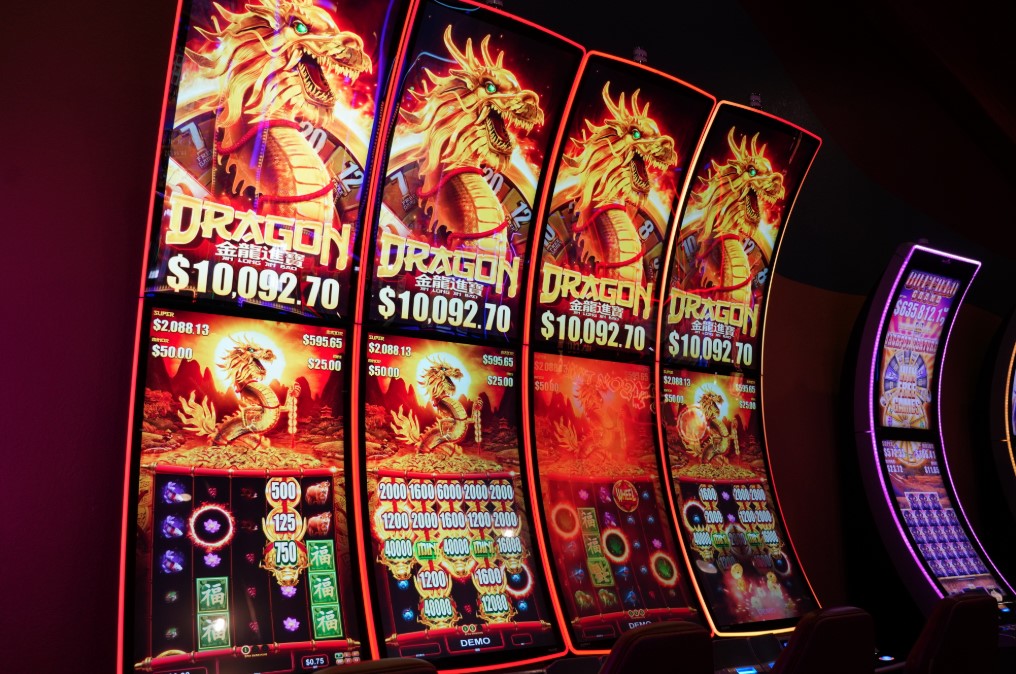
If you have ever sat down with a slot game and thought, “I’ll just play a few spins,” you probably know how that usually ends. Time moves faster than expected. You stay longer than planned. That is not accidental.
Modern slot games are built with a clear goal. They keep your attention steady and uninterrupted. The interesting part is how simple many of these techniques are once you notice them. I’ll walk you through the main ones, so you can actually see what is happening while you play.
Why attention is the real product in slot design
Before we get into specific features, it helps to shift how you look at slot games. They are not only about wins and losses. They are systems designed to keep you engaged.
Think about how little downtime there is. You press spin, get a result, and immediately move on. There is no long pause that invites reflection. That rhythm matters more than most people realize.
In fact, research shows that faster event frequency increases engagement. A study published in International Gambling Studies found that shorter spin cycles increased excitement and the desire to continue playing.
So the goal is not just to entertain you. It is to remove friction between actions.
The role of fast feedback loops
Once you start paying attention, one thing becomes obvious. Slot games respond instantly.
When you play slot games, you will notice that each spin resolves quickly and leads directly into the next one without interruption.
What does that quick feedback actually do?
- It reduces the time you have to evaluate your last result
- It encourages repetition without conscious planning
- It makes each action feel small and low-risk
That combination builds momentum. You are not deciding each spin from scratch. You are continuing a sequence.
And once you are in that sequence, stopping requires a conscious break, not just a natural pause.
Near-miss outcomes and why they keep you playing
Let me ask you something. Have you ever seen two matching symbols line up, with the third just slightly off?
That moment feels different from a normal loss. It sticks.
This is called a near-miss, and it has been studied extensively. A 2009 study published in Neuron found that near-misses activate reward-related brain areas and increase the desire to continue playing.
Here is what matters in practice:
- Near-misses are technically losses, but they feel like progress
- Players often rate them as “closer to winning” than regular losses
- They increase motivation to keep playing even without a reward
That last point is key. You are not continuing because you won. You are continuing because it feels like you almost did.
Variable rewards and unpredictability
Another layer that works quietly in the background is how rewards are distributed.
Slot games use what is called a variable ratio system. You do not know when a win will happen. That uncertainty is what keeps attention active.
A 2023 study on reward systems in gambling showed that variable rewards, along with bonus features like free spins, increase excitement and engagement.
Instead of giving consistent outcomes, the game mixes:
- Small wins that appear frequently
- Larger wins that are rare
- Bonus features that feel separate from regular play
That mix creates anticipation. You are not just reacting to outcomes. You are expecting the next one to be different.
Small wins that feel bigger than they are
Here is something most players notice but do not always question. You can get a “win” that is smaller than your bet, and it still feels positive.
These are sometimes called losses disguised as wins. They come with celebratory sounds and visuals, even when the net result is negative.
Why does that matter?
- It maintains a sense of forward movement
- It softens the perception of losing
- It keeps emotional feedback consistent
Research reviews have shown that these outcomes can reinforce continued play even without actual profit.
So the game does not rely only on big rewards. It builds a steady stream of small, reinforcing moments.
The pacing of modern slot sessions
Let’s talk about timing, because it is one of the least obvious factors.
You might assume that longer spins would increase engagement. In reality, the opposite is often true.
A study comparing two-second and three-second spin cycles found that faster pacing increased excitement and the desire to continue playing.
Here is what faster pacing does:
- It increases the number of decisions per minute
- It reduces the chance of disengagement
- It creates a steady rhythm that feels natural
That is why modern games rarely slow down unless you trigger a bonus feature.
How habit formation happens over time
Now think beyond a single session. What happens after repeated play?
Research into gambling behavior shows that repeated exposure to slot mechanics can form habits, even in people with no prior experience.
This is not about addiction in a dramatic sense. It is about familiarity.
When you play often:
- The sequence of actions becomes automatic
- The interface feels easier to navigate
- Decision-making requires less effort
That shift matters. You are no longer actively evaluating each spin. You are following a pattern that feels normal.
Frequently Asked Questions
Final thoughts
Modern slot games are not random collections of features. They are carefully structured systems that guide attention step by step.
Nothing here requires advanced technology to understand. It comes down to timing, feedback, and repetition.
Once you recognize those elements, you start to see the design clearly. And once you see it, you have more control over how you respond to it.