

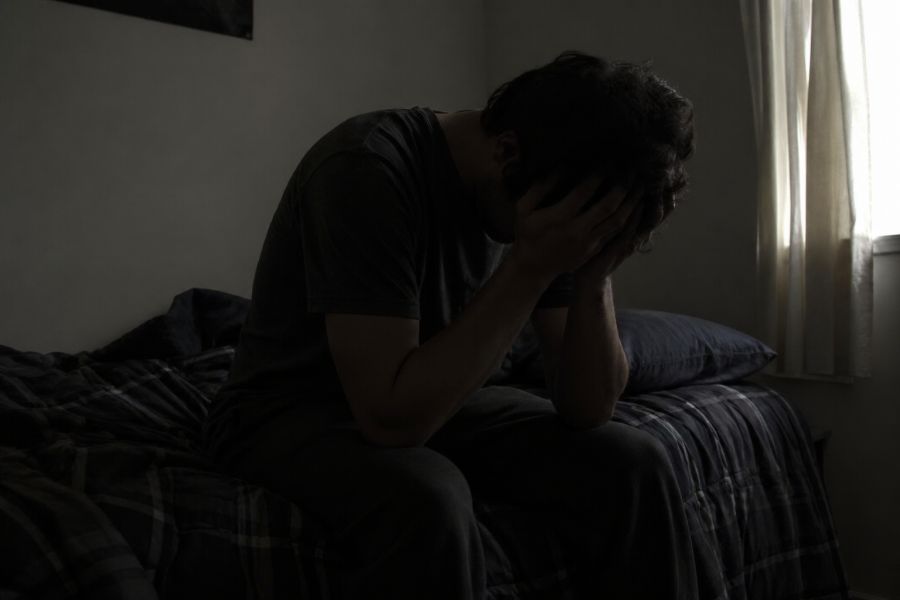
Depression remains one of the most misunderstood mental health conditions, despite how common it has become across all age groups. Many people still associate it with simple sadness or a temporary low mood, which leads to harmful assumptions and delayed support. In reality, depression affects how a person thinks, feels, and functions on a daily level, often making even basic tasks feel overwhelming.
Misconceptions play a major role in why individuals hesitate to seek help. Some believe they should be able to “snap out of it,” while others worry about being judged or not taken seriously. These myths do more than spread misinformation, they create real barriers that prevent people from recognizing symptoms early and getting the support they need.
If you try to understand what depression truly is, and more importantly what it is not, you can make a significant difference. It becomes easier to recognize when help is needed and to approach mental health with more clarity and less stigma.
Key points to remember:
- Depression is much more than just feeling sad
- It has nothing to do with weakness or willpower
- It can affect anyone, regardless of how “good” their life looks
- Treatment works, and it doesn’t change who you are
- Talking helps – silence makes it worse
- It rarely goes away on its own
Why Depression Myths Are So Dangerous?

A 2025 Gallup poll revealed 18.3% of American adults are living with depression right now – that’s 47.8 million individuals. But so many of them never seek treatment because they’ve been told the wrong things about what depression actually is.
These myths matter because they:
- Stop people from seeking professional support
- Make sufferers feel ashamed or “weak”
- Delay treatment for months (or years)
- Lead to worse health outcomes overall
Here is the kicker…
The longer you go untreated, the more difficult this mental health issue is to treat. Garden State residents seeking quality help for depression in New Jersey will find proper care is closer than you realize and the sooner you begin, the better the results.
So let’s bust the most common myths once and for all.
The 6 Biggest Myths About Depression
Okay, so let’s take each of these one at a time. Read them all, since you (or someone you love) probably buy into at least one of these.
Myth #1: Depression Is Just Sadness

Everyone believes that depression is when you are “really sad” for a short period of time. The reality? Being sad is temporary… Depression is not.
Real depression involves:
- Persistent low mood for weeks or months
- Loss of interest in things you used to love
- Trouble sleeping (or sleeping too much)
- Fatigue and low energy
- Feelings of worthlessness
You can’t “snap out of it” any more than you can a broken leg. Depression is a clinical condition that impacts your brain chemistry, your body, and your behavior.
Myth #2: Only Weak People Get Depressed
This one is a real frustrating. Depression is not a matter of weakness or willpower. It can happen to anyone – high achievers, athletes, CEOs, parents, students, etc.
Many of the most successful people in history have suffered from depression. The notion that depression is a “character flaw” is incorrect and damaging.
Why is this myth so harmful? When people think depression is a sign of weakness, they are less likely to admit to it. They hide their symptoms. They mentally tell themselves they should be “stronger”. And then they avoid seeking treatment because asking for help is considered a form of surrender.
But asking for help is the strongest thing you can do. Full stop.
Myth #3: If You Have A Good Life, You Can’t Be Depressed
This is one of the cruelest myths going around.
If you have a good job, a loving family and money in the bank, you can’t be depressed. Au contraire.
Depression does not discriminate based on your income or relationship status. Depression is a health problem, not a situation problem. Many people with “perfect lives” on paper are secretly suffering on the inside.
The numbers support this. In a report from the CDC, over 1 in 8 Americans age 12 and over reported suffering symptoms of depression – nearly double the rate than what was seen 10 years ago. Depression affects every income level and every age group.
Myth #4: Antidepressants Will Change Who You Are

This one stops a lot of people from getting medication that could help them.
A common fear is that pills will make you a “zombie” or turn you into someone else. The truth? When used properly, antidepressants help your brain work the way it should. They don’t change who you are but help you feel like yourself again.
Of course. Medicine is not the only way. Talk therapy, lifestyle modifications, exercise, support groups, etc. all work as well. However for many, a combination of these is most effective.
Myth #5: Talking About Depression Makes It Worse
This is the opposite of true.
Some think that talking about depression “feeds” it. They stuff it down. They withdraw. Pretend they’re fine.
What happens? Storing depression inside is like a carbonated beverage, the pressure eventually needs to release. Talking to a therapist, friend, or family member is one of the most therapeutic things you can do.
Myth #6: Depression Will Just Go Away On Its Own
Some people wait it out, hoping it will pass.
Sometimes it does get better. Most of the time it doesn’t. Left untreated, depression can grow more intense and cause serious problems like drug or alcohol addiction, relationship failure, and suicide.
The statistics speak for themselves. A mere 14% of U.S. adults (1 in 7) saw a mental health professional and received counseling or therapy in the past 12 months. That means the gap between those who are suffering and those who are receiving help is enormous.
If you (or someone you know) has been feeling down for more than a few weeks… Don’t wait.
How To Spot The Warning Signs
If you are unsure whether what you (or someone close to you) is experiencing is just a difficult time or more significant, here are some red flags to look out for.
Common warning signs include:
- Persistent sadness or emptiness lasting 2+ weeks
- Loss of interest in hobbies or social activities
- Big changes in appetite or sleep
- Difficulty concentrating or making decisions
- Feelings of guilt, shame, or hopelessness
- Thoughts of self-harm or suicide
If you observe any of the following, especially the last one, contact a mental health professional immediately. The sooner, the better.
Final Thoughts

Depression myths are doing real damage out there.
They make people feel silenced, ashamed, and stuck – when really, depression is a treatable medical condition. The quicker you bust the myths, the quicker you (or your loved one) can get the support that actually helps.
If you are having a hard time, please talk to a mental health professional. You don’t have to do this alone — and you don’t have to believe the myths anymore.
FAQs
1. Can depression come back after treatment?
Yes. Depression can return even after symptoms improve. Many people experience recurring episodes, which is why ongoing self-awareness and follow-up care are important for long-term stability.
2. Are there different types of depression?
Yes. Depression is not a single condition. There are several types, including major depressive disorder, seasonal depression, and postpartum depression. Each type can have different triggers, patterns, and treatment approaches.
3. Is depression linked to genetics?
Genetics can increase the risk of developing depression, but they are not the only factor. Environment, stress, and life experiences also play a major role in whether someone develops the condition .
4. Can depression affect physical health?
Yes. Depression can impact the body as well as the mind. It is linked to fatigue, sleep problems, and even long-term health issues if left untreated .
5. Can children and teenagers develop depression?
Yes. Depression affects all age groups, not just adults. In younger individuals, it may show up as irritability, withdrawal, or changes in behavior rather than obvious sadness.