

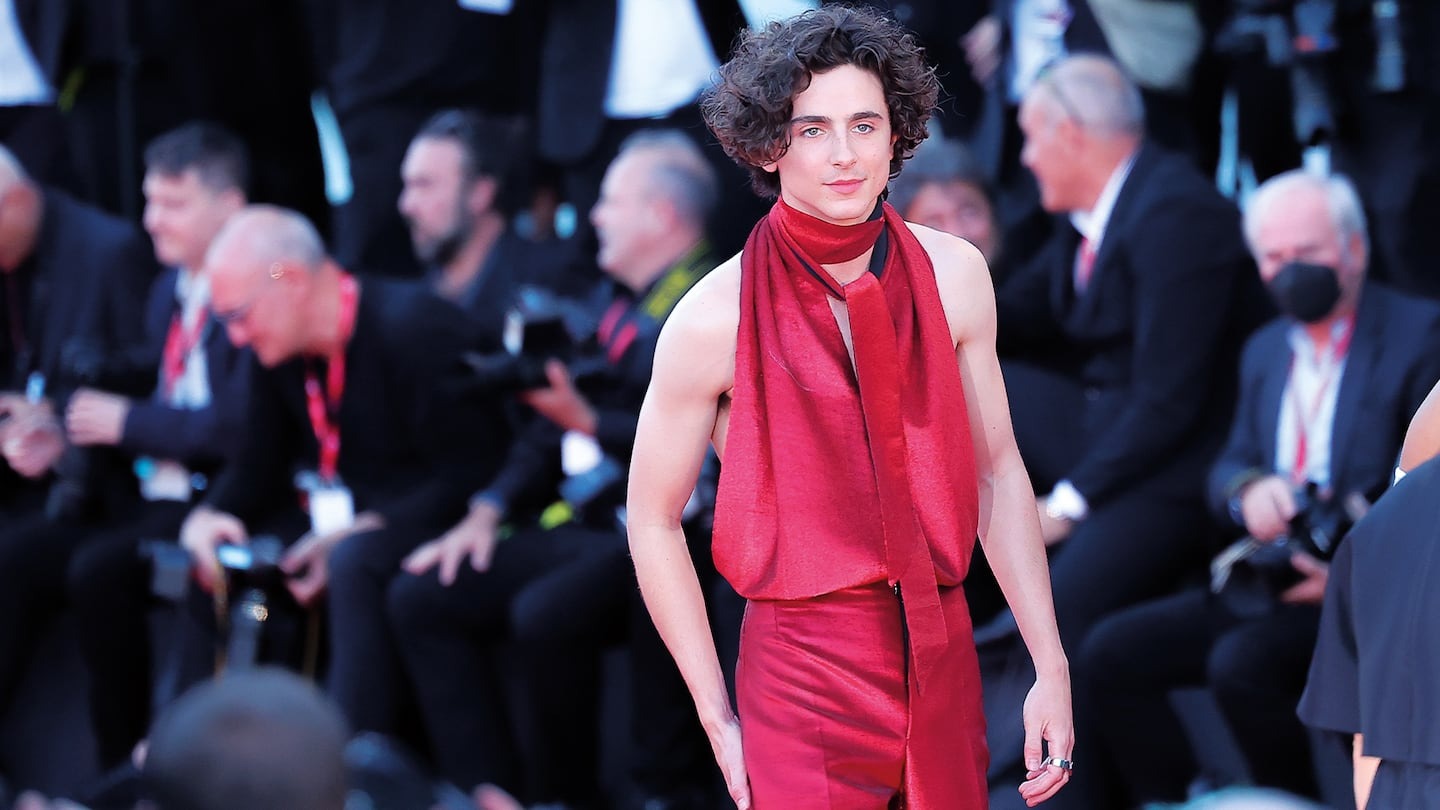
Over the past decade, fashion has steadily moved toward a more inclusive and expressive space. Traditional ideas about what men and women should wear are gradually fading, replaced by a culture that celebrates individuality and creativity.
One of the most interesting developments in this shift is the rise of gender-fluid fashion, where clothing is chosen based on style and comfort rather than strict gender rules.
This movement is not just cultural but also economic. The gender-neutral clothing market has expanded rapidly, with research suggesting that global revenue could surpass $7 billion by 2030 as demand continues to grow.
Fashion today reflects identity more than conformity, and that shift is reshaping how brands design, sell, and market clothing.
Younger Generations Are Redefining Personal Style
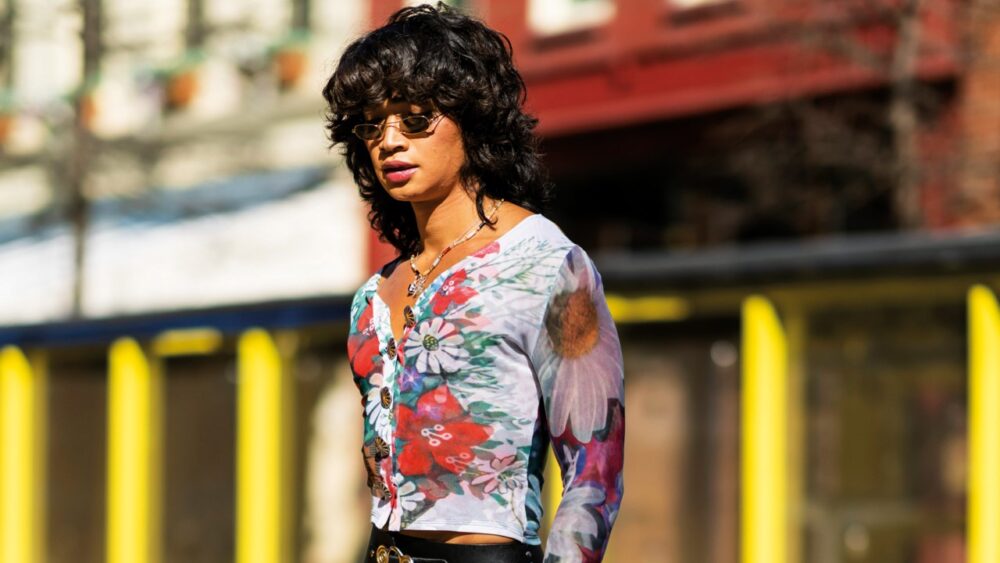
Younger shoppers are driving many of the changes happening in fashion today. Instead of following rigid dress codes based on gender, they are approaching clothing as a flexible form of identity. Comfort, aesthetics, and creativity often matter far more than traditional labels.
Gen Z consumers, in particular, are leading this shift. Studies indicate that more than half of Gen Z shoppers have purchased clothing outside their assigned gender category, demonstrating how fluid modern style preferences have become.
Many of these shoppers view fashion as a way to express personality rather than signal gender roles. That attitude naturally leads to experimentation with silhouettes, fabrics, and accessories that once belonged to clearly defined fashion categories.
Some trends frequently embraced by younger audiences include:
- Oversized silhouettes and relaxed fits, which remove the need for clothing to follow gender-specific body shaping.
- Soft textures like knitwear, fleece, and lightweight cotton, offering comfort without masculine or feminine labels.
- Accessories that blur categories, such as pearl jewelry, crossbody bags, and decorative socks.
These choices often emerge organically rather than as deliberate statements. For many people, wearing a skirt with sneakers or pairing a hoodie with thigh-high socks simply feels stylish.
Fashion communities online have helped normalize these combinations, making experimentation feel less risky and far more creative.
The Influence of Social Media on Fashion Identity
Social media has played a major role in accelerating this trend. Platforms like Instagram, TikTok, and Pinterest have allowed individuals to showcase unique styles and inspire others to experiment with their wardrobes.
Several dynamics make social media especially influential in shaping modern fashion identity:
- Visual storytelling makes it easy to show how different clothing pieces work together in everyday outfits.
- Algorithm-driven discovery helps users find communities with similar interests or aesthetics.
- Peer validation encourages experimentation, since people can share their style and receive positive feedback.
Communities built around alternative fashion have grown rapidly, making it easier for people to discover new looks that reflect their identity.
Specialized Stores Are Supporting the Trend
Another factor behind this movement is the increasing availability of specialized fashion stores that cater to niche aesthetics. Instead of adapting traditional clothing, people can now find pieces specifically designed for gender-fluid styling.
For example, many online retailers now curate collections focused on soft, expressive fashion styles such as cute femboy outfits, allowing individuals to explore feminine silhouettes while maintaining comfort and confidence.
Designers Are Embracing Gender-Neutral Fashion
Fashion designers have also embraced this change. Major brands and independent designers alike are incorporating gender-neutral elements into their collections. Loose fits, flowing fabrics, and minimalist color palettes make clothing versatile and wearable by anyone, regardless of gender identity.
This shift is visible on runways, in retail stores, and across online marketplaces. Many brands are removing traditional “men’s” and “women’s” sections altogether in favor of unified collections designed for broader audiences.
Designers are experimenting with several approaches to achieve this inclusive aesthetic:
- Neutral color palettes, including black, beige, olive, and soft pastels that appeal across style identities.
- Flexible tailoring, allowing garments to fit a wider range of body shapes without emphasizing gendered proportions.
- Layer-friendly designs, enabling wearers to adapt outfits to their own preferences.
Independent designers have been particularly influential in pushing these ideas forward. Labels built around inclusive values often treat gender-neutral design as the default rather than a special category.
As a result, many fashion observers see gender-fluid clothing as a natural evolution rather than a temporary trend.
The Business Impact of Gender-Fluid Fashion
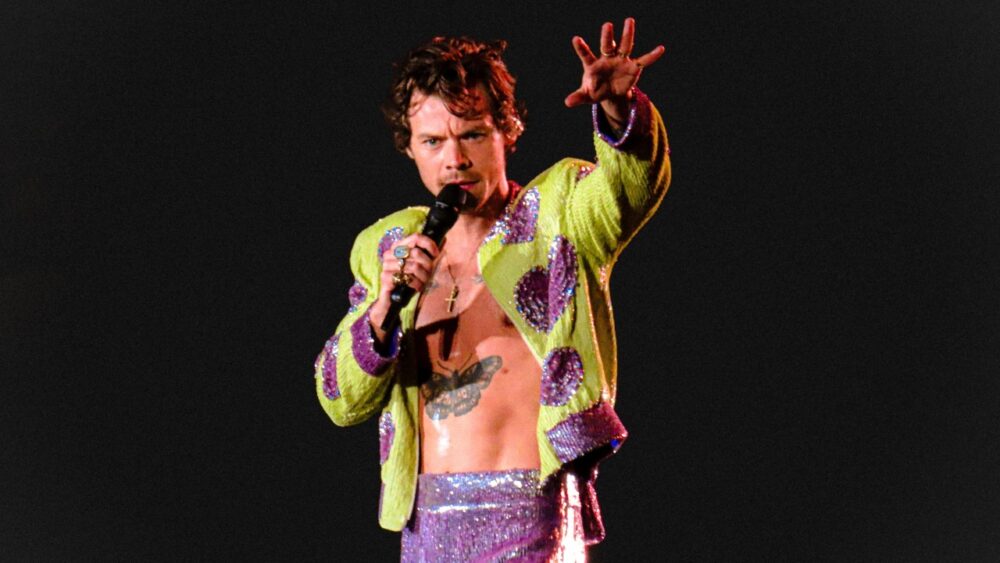
While gender-fluid fashion is often discussed as a cultural shift, it also represents a significant business opportunity.
As consumer expectations evolve, brands that adopt inclusive design strategies are seeing strong engagement from younger audiences.
Market projections show substantial growth in the coming years. Some forecasts estimate that the gender-neutral clothing market could more than double in value over the next decade, reflecting strong demand for inclusive apparel.
For many companies, gender-fluid design has become both a creative opportunity and a strategic decision.
Everyday Wardrobes Are Becoming More Fluid
Another interesting aspect of this shift is how quietly it has entered everyday wardrobes. While runway shows often highlight bold statements, most gender-fluid fashion appears in subtle, wearable forms.
Many people incorporate fluid elements into their outfits without labeling them as such. A relaxed sweater paired with slim jeans, for example, may already blur traditional fashion boundaries.
In everyday style, this often looks like:
- Mixing masculine and feminine elements, such as structured jackets with softer fabrics.
- Layering oversized pieces, creating shapes that do not follow traditional tailoring rules.
- Prioritizing comfort and practicality, rather than dressing according to social expectations.
This quiet integration into daily clothing choices may be one reason gender-fluid fashion continues to grow. It feels natural rather than forced, allowing people to adjust their style gradually.
Fashion as a Form of Personal Expression
Ultimately, fashion is becoming less about rules and more about creativity. The growing popularity of gender-fluid clothing shows that style is deeply personal, and the freedom to experiment with aesthetics is something that resonates with people around the world.
As the fashion industry continues to evolve, it’s likely that these trends will only become more mainstream. Clothing will increasingly be seen not as a statement about gender, but as a tool for self-expression, individuality, and confidence.