
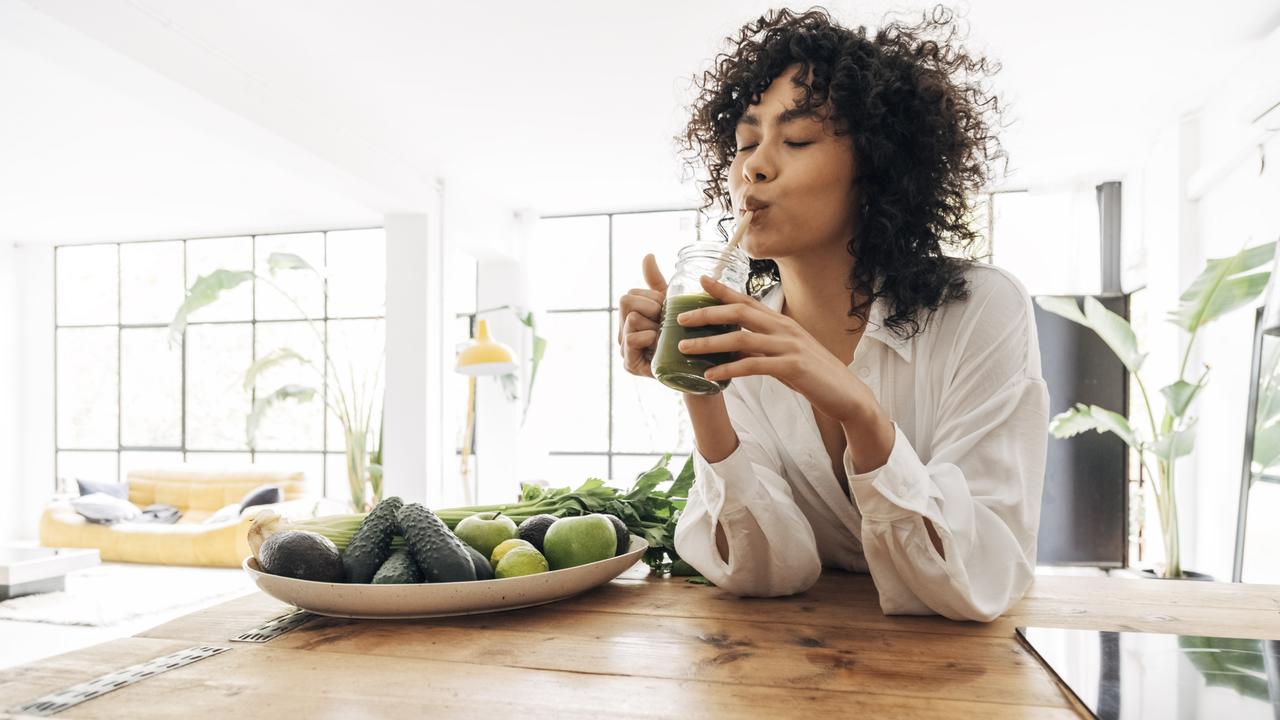
Something interesting has happened over the last few years. Wellness stopped being a routine and started becoming a language. You can see it in morning routines, social feeds, and even the way people talk about their energy. For Gen Z, soft wellness is not just about feeling better. It signals who they are, what they value, and how they choose to live.
Unlike older generations who treated wellness as a side habit, Gen Z has woven it into identity itself. It shows up in small decisions, social circles, and even aesthetics. And if you look closely, it says a lot about how this generation sees the world.
What soft wellness actually means today
Before anything else, it helps to understand what soft wellness really looks like in practice. It is not about strict routines or intense discipline. It leans toward ease, intention, and emotional awareness.
Soft wellness focuses on:
- Slower mornings and flexible schedules that reduce pressure
- Mental health practices like journaling, therapy, or digital breaks
- Gentle movement such as walking, stretching, or low impact workouts
- Everyday rituals that feel calming rather than performative
This shift is not random. Gen Z grew up during economic uncertainty and constant digital exposure, which shaped their priorities. Instead of chasing exhaustion as proof of success, they are choosing sustainability and balance.
That shift alone sets the stage for something bigger than just self care.
The role of everyday rituals in shaping identity
When habits become visible, they turn into identity markers. That is exactly what is happening with soft wellness.
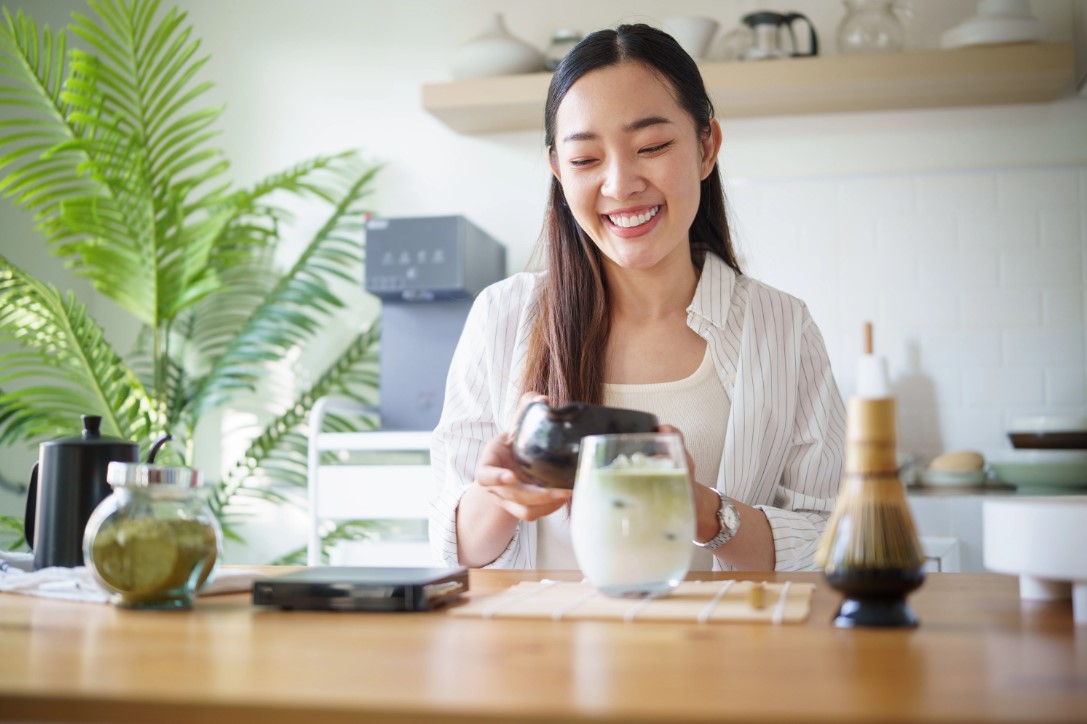
Take something as simple as your morning drink. For many, switching to the best mushroom coffee reflects more than taste. It signals a preference for focus, calm energy, and functional health choices. That subtle shift communicates values without needing explanation.
These small choices stack up over time. They influence how someone is perceived in their social circles, both online and offline. A slow morning routine, a quiet walk, or choosing rest over productivity starts to say something about who you are.
And Gen Z is very aware of that signal.
Social media turned wellness into a visible identity
Soft wellness might have stayed private if not for social media. Platforms made it visible, shareable, and, in some ways, performative.
Gen Z grew up online, so identity is naturally tied to what is shared. Wellness routines are no exception. From skincare rituals to morning setups, these moments become part of a curated narrative.
Here is where things get layered:
- Wellness content builds community and shared values
- Aesthetic presentation adds a layer of social validation
- Algorithms amplify certain lifestyles, making them aspirational
At the same time, this visibility can blur the line between genuine care and performance. Wellness is not just practiced; it is also presented.
That does not make it less real. It simply means identity and visibility are now intertwined.
From status symbols to wellness signals
What used to signal status has changed dramatically. Expensive items still exist, but they are no longer the main indicator of social position.
Today, wellness itself can act as a status marker.
A quick comparison shows how this shift plays out:
|
Old status markers |
New wellness markers |
| Designer accessories | Fitness trackers and routines |
| Expensive nightlife | Sober social events |
| Luxury consumption | Intentional self care |
| Busy schedules | Balanced routines |
This change is backed by broader trends. Wellness is becoming more social and expressive, tied to belonging and shared experiences rather than discipline alone.
After looking at the table, the pattern becomes clear. Being “well” now communicates awareness, discipline, and alignment with modern values.
The rise of soft social spaces
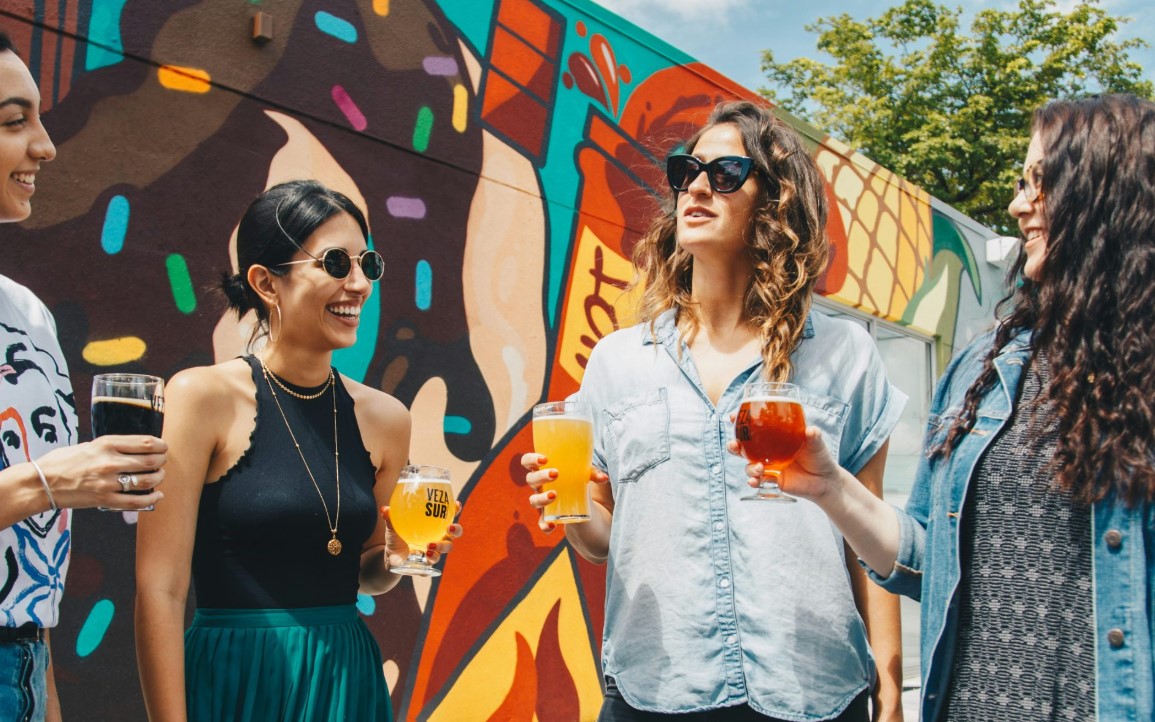
Another interesting shift is where social life happens. Traditional nightlife is not disappearing, but it is evolving.
New types of gatherings are gaining attention:
- Morning dance events and coffee meetups
- Wellness focused festivals and group workouts
- Alcohol free social environments
Data shows that wellness centered events have seen significant growth, with coffee based social events rising sharply and sober gatherings gaining popularity.
These spaces allow people to connect without sacrificing well being. That matters for a generation that values both community and mental clarity.
Social identity is no longer built only in loud environments. It is also built in calm, intentional ones.
There is an interesting psychological angle behind all of this.
Did you know that over half of Gen Z consumers consider fitness a very high priority, significantly higher than older generations?
That early focus on health changes how identity develops. Wellness is not something added later in life. It becomes part of the foundation.
This explains why soft wellness feels natural to Gen Z rather than forced. It has been present from the start.
The balance between authenticity and performance
Here is where things get complicated. When wellness becomes visible, it can sometimes turn into performance.
You might have noticed trends where routines look highly curated or even idealized. This creates pressure to maintain a certain image.
At the same time, Gen Z tends to value authenticity more than previous generations. They are quick to recognize when something feels forced.
So there is a constant balance:
- Genuine self care practices
- Awareness of how those practices appear online
That tension does not cancel the movement. It simply adds nuance. Soft wellness can be both real and aesthetic at the same time.
Where this identity shift is heading

Soft wellness is not a temporary trend. It reflects deeper changes in how people define success, connection, and self worth.
As this mindset continues to grow, a few patterns are likely:
- Work environments will adapt to prioritize well being
- Social spaces will continue blending wellness and community
- Identity will remain closely tied to daily habits
Gen Z is not rejecting ambition. They are reshaping it into something that feels livable.
And honestly, that might be the most defining part of all.
A quieter but more intentional future
If you step back and look at the bigger picture, soft wellness is less about candles, routines, or trends. It is about reclaiming control over time, energy, and identity.
For Gen Z, choosing rest, balance, and intentional living is not a retreat. It is a statement.
It says that success does not have to come at the cost of well being. It says that identity can be shaped by how you feel, not just what you achieve.
And maybe that is why this movement feels so personal. It is not loud or dramatic. It is quiet, consistent, and deeply human.
If you think about your own routines for a moment, you might notice something similar starting to take shape.