

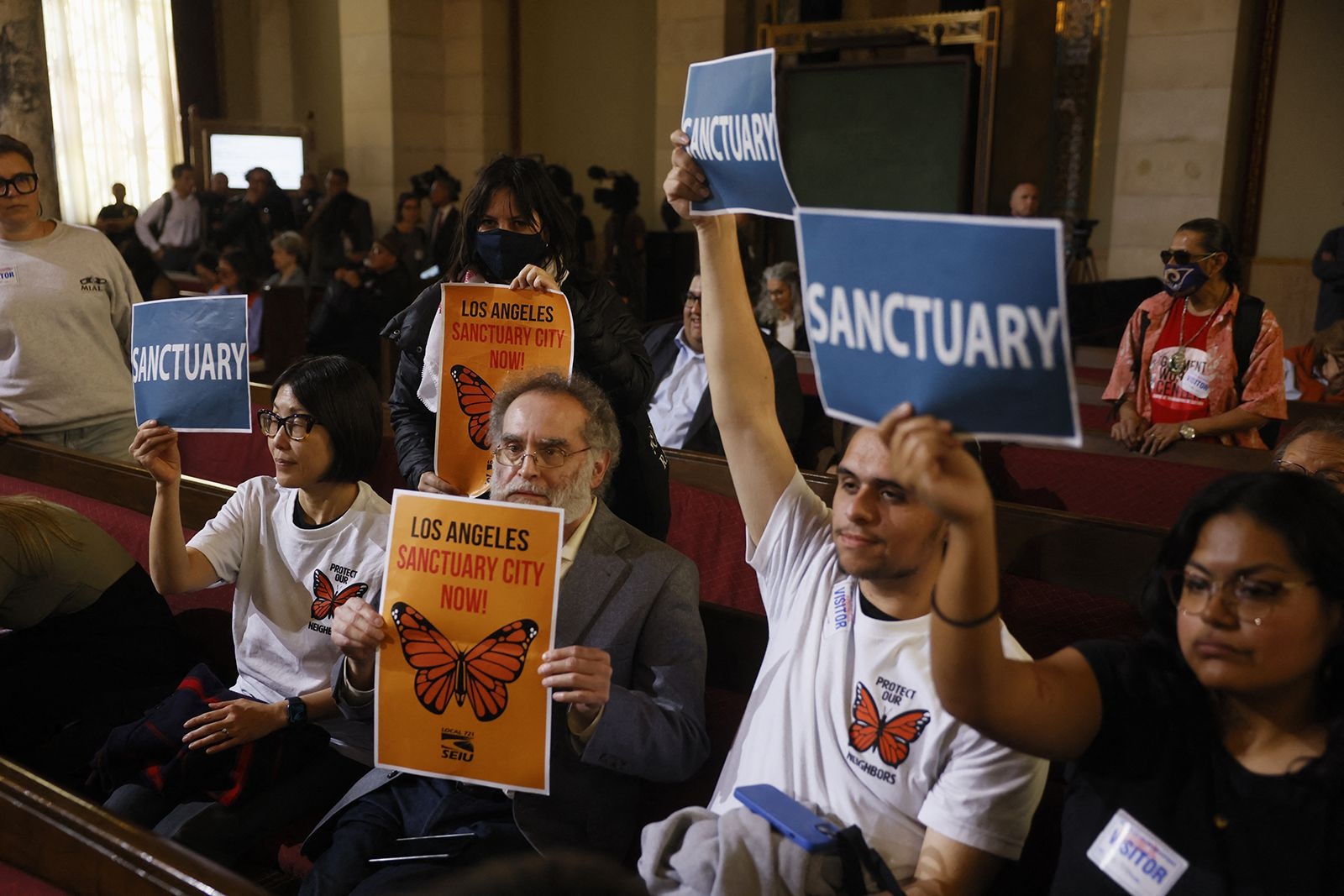
The total immigrant population in the United States reached roughly 51.9 million by mid-2025, representing about 15.4 percent of the national population. This scale alone explains why immigration policy remains complex and often inconsistent. Laws exist at the federal level, yet their interpretation and enforcement vary significantly across states and local jurisdictions.
Both sanctuary states and local policies aim to limit federal immigration control, but they operate differently in structure and intent. State-level frameworks usually establish broader protections, while local governments tailor policies based on immediate community needs.
Is North Carolina a sanctuary state? What about its border states? According to North Carolina state law, municipalities cannot self-declare as sanctuaries, which in turn prohibits such declarations from being made. At the same time, some counties have immigrant-friendly policies but remember that these places do not have the status of legally recognized sanctuary areas.
Let’s take a look at some of the most significant differences between sanctuary states and local policies that will help you in making the right decision.
Definition and Scope of Sanctuary States
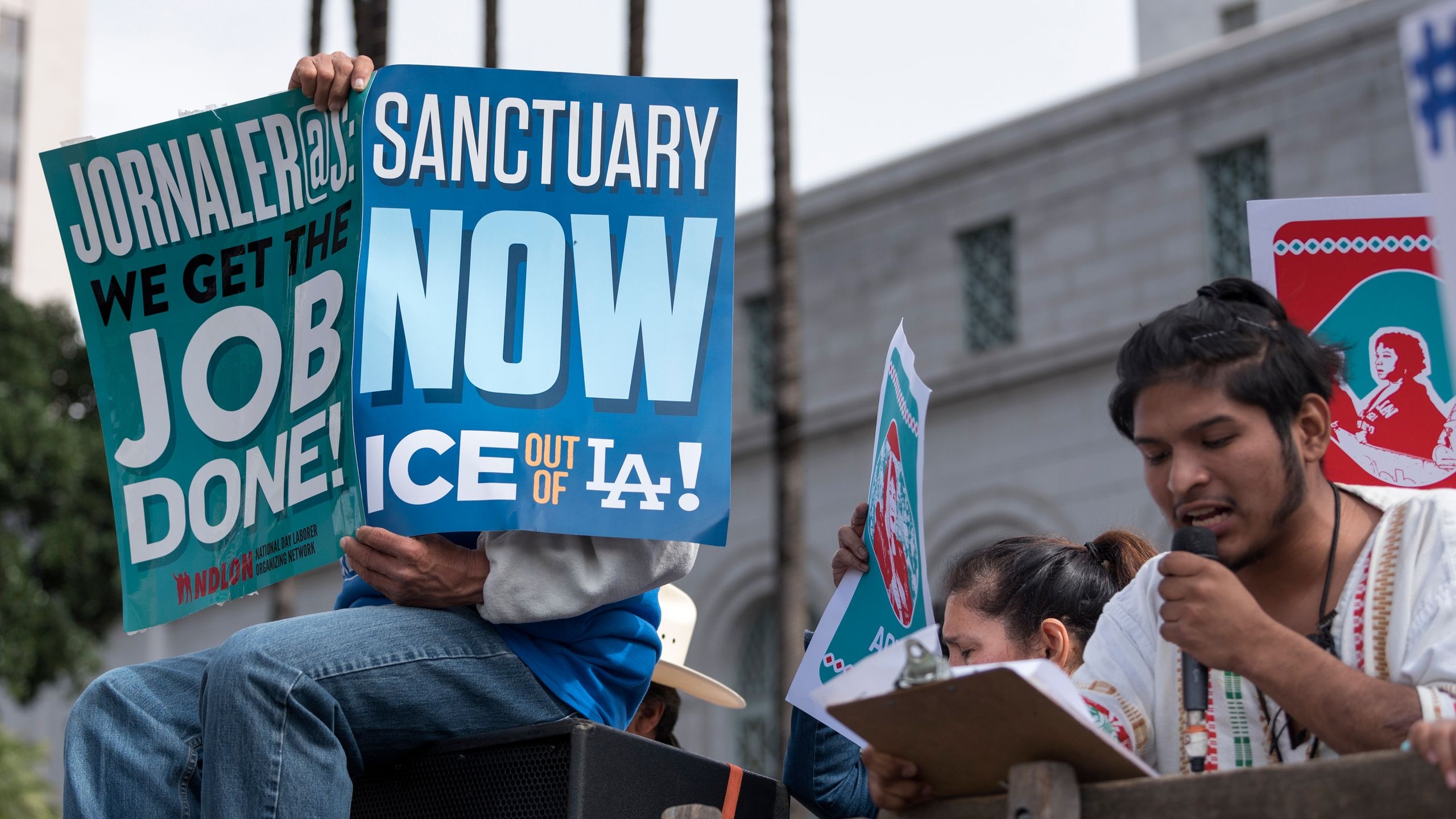
Many assume sanctuary states simply refuse to enforce federal immigration law. The reality is more nuanced. These states typically limit cooperation with federal immigration authorities rather than rejecting federal law outright.
In practice, this may involve:
- Restricting the sharing of immigration status information
- Declining to honor certain federal detention requests
- Prioritizing community safety over immigration enforcement
Such policies are often designed to ensure that immigrants can access services like healthcare, education, and legal aid without fear. The absence of a standardized legal definition of “sanctuary” leads to different interpretations across states, which contributes to confusion for both residents and policymakers.
Local Policies: Variations and Implications
Local governments often operate with greater flexibility, which leads to wide variation in immigration-related policies.
Before examining their impact, it is important to understand how these policies typically manifest at the local level:
- Some municipalities restrict cooperation with federal immigration agencies
- Others prohibit the use of local resources for immigration enforcement
- Certain jurisdictions implement stricter rules that limit access to services without legal status
This variation creates a patchwork system where neighboring areas may operate under completely different rules. In some communities, policies reflect a welcoming approach. In others, they emphasize enforcement and restriction.
Why Local Autonomy Shapes Real Outcomes
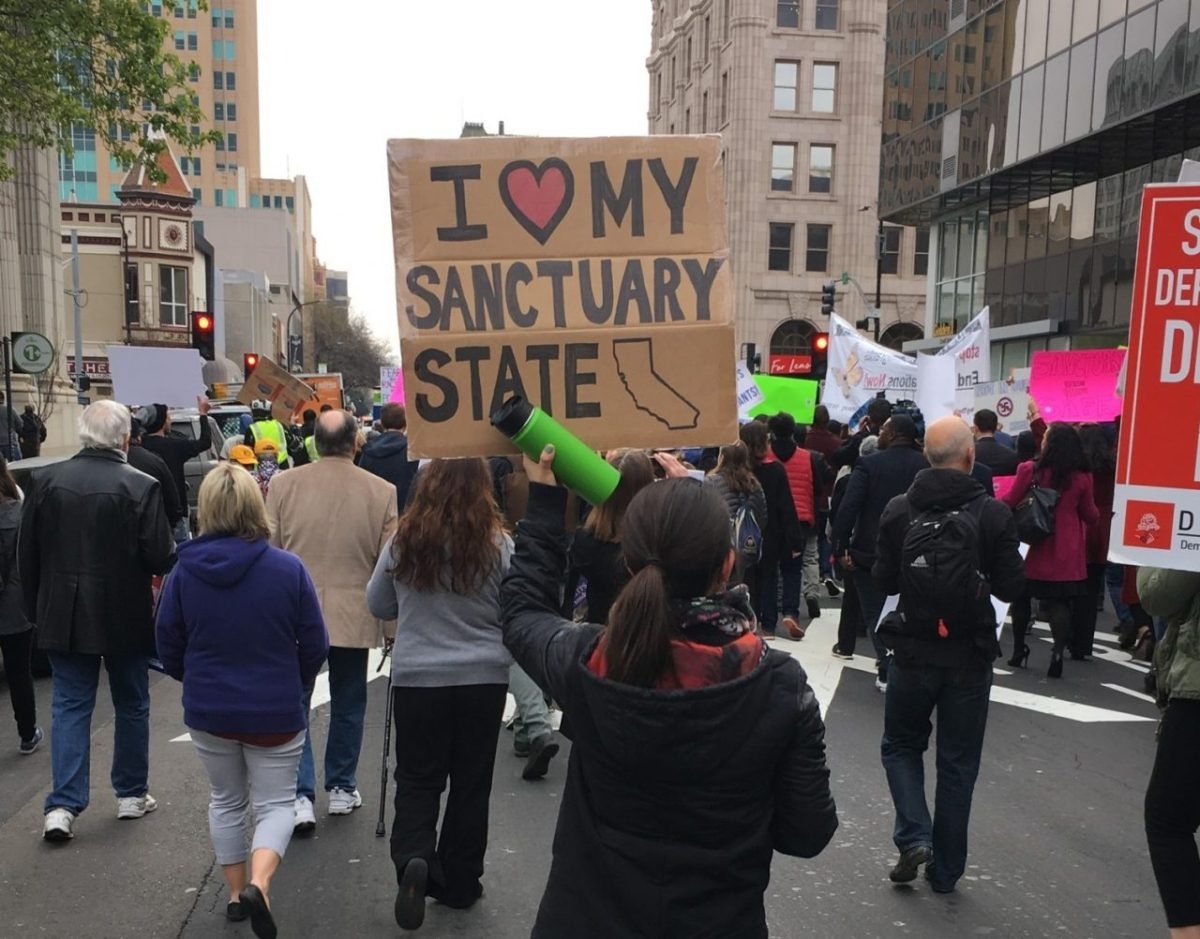
Local autonomy plays a decisive role in how immigration policies affect daily life. Even when a state adopts a general stance, local authorities determine how that stance is applied in practice.
In urban areas with large immigrant populations, local governments often adopt policies that encourage integration and trust. Smaller or politically different regions may take a more cautious or restrictive approach. This difference is not only administrative. It directly affects access to housing, employment opportunities, and public services.
Residents need to understand that legal frameworks are only part of the picture. Real outcomes depend on how local officials interpret and enforce those frameworks. That is where the practical reality of immigration policy becomes visible.
Impact on Immigrants’ Rights
The development of immigration enforcement through local policies shapes the rights of immigrants and their ability to handle daily life. Strict local enforcement in certain areas instills fear in immigrants regarding their daily activities and functions.
Walking around, immigrants experience doubt as to whether they can report crimes without repercussions or seek healthcare and education without fear of deportation. Sanctuary areas offer protections under local law, fostering a sense of safety and unity.
Trust between the immigrant and local authorities and support from them for the community is increased by these policies. It is certain that various local policies either empower or marginalize immigrants, directly affecting your rights and health promotion.
Social and Economic Effects on Communities

Immigration policies do not affect only immigrants. They also influence the broader community in measurable ways.
Areas with more inclusive policies often see stronger participation in the local economy. Immigrants contribute to labor markets, small businesses, and service industries. National data shows that immigrant populations have grown significantly across many states, with some regions experiencing rapid increases in workforce participation.
On the other hand, stricter policies may reduce participation in public systems. This can affect everything from public health reporting to school enrollment rates.
The balance between enforcement and inclusion often determines how effectively a community functions as a whole.
Relationship Between State and Local Governments
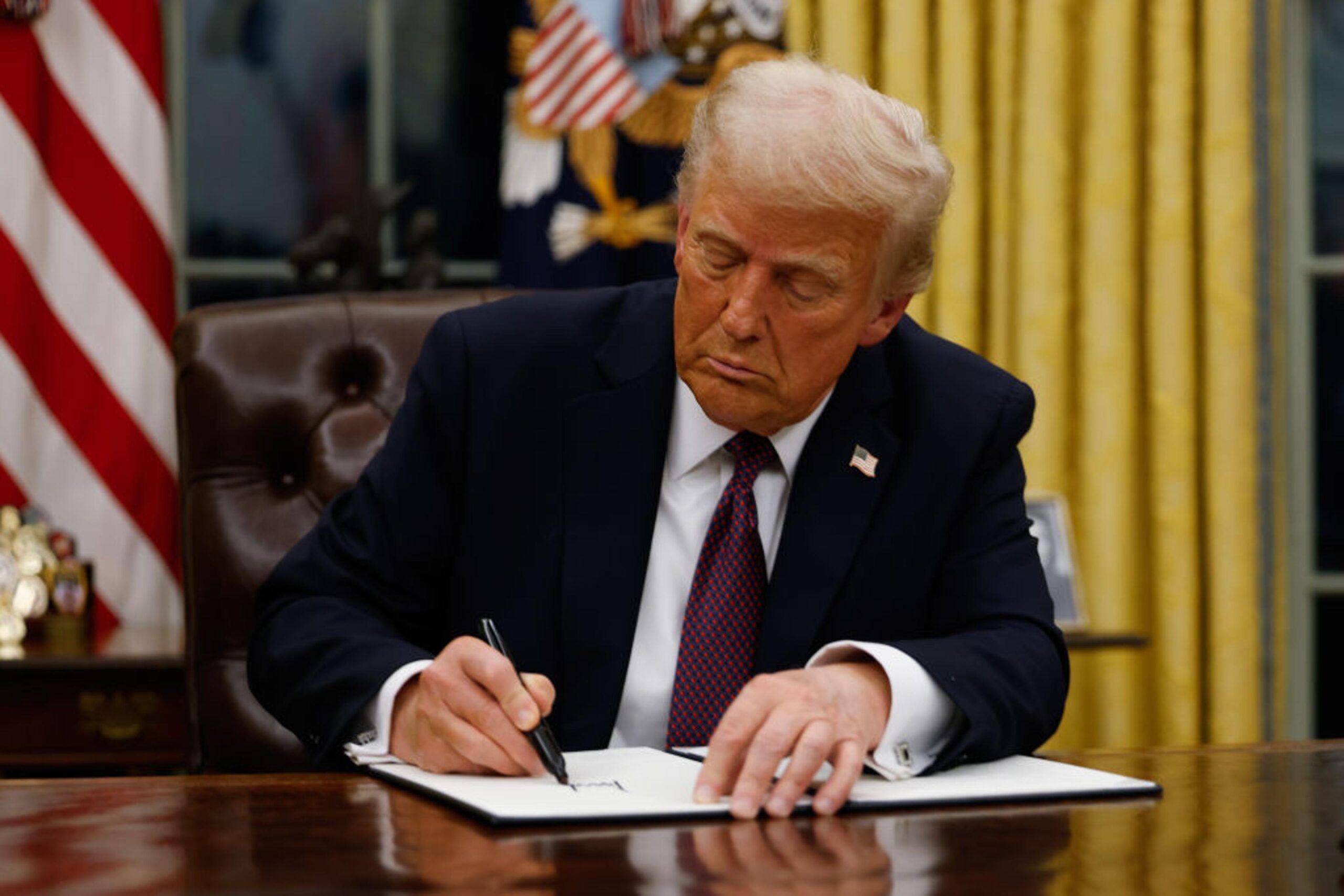
State and local governments work together in shaping immigration policy, but their roles are different. States create broader guidelines, while local authorities adjust those rules based on the needs of their communities.
Local governments can choose how much they follow state policies. In some cases, they fully support them. In others, they apply them differently or resist certain parts. This creates a mixed system where rules vary across regions.
When a state identifies as a sanctuary jurisdiction, it often leaves room for local decision-making. That flexibility can lead to differences between neighboring areas, especially when local priorities do not match state-level intentions.
These variations affect access to services and daily life. For immigrants, understanding both state and local policies is important for knowing their rights and navigating the system effectively.
Legal Uncertainty and Policy Gaps
One of the most important aspects of this system is the level of legal uncertainty it creates. The lack of uniform definitions and enforcement standards leads to gaps that can affect both immigrants and authorities.
For example, there is no official federal definition of a sanctuary jurisdiction, which contributes to inconsistent classification across regions.
This uncertainty makes it difficult for individuals to clearly understand their rights and obligations. It also creates challenges for policymakers who must navigate overlapping legal frameworks.
Understanding these gaps is essential for anyone trying to make informed decisions about residency, employment, or legal status within different jurisdictions.