

Getting into 3D printing at home sounds simple until you actually try to pick a machine. There are dozens of models, endless specs, and a lot of opinions. The real challenge is not finding a printer. It is choosing one that works consistently without turning every print into a troubleshooting session.
Reliability matters more than anything else. A fast printer that fails often is not useful. A cheap printer that needs constant adjustment will cost you time and frustration. The goal is to find something that prints well, keeps working, and does not require constant fixes.
Let’s go through what actually matters when choosing a reliable home 3D printing machine.
Start With The Right Type Of Printer
Before looking at brands or features, you need to understand the two main types you will see. Most home users end up choosing between filament printers and resin printers.
Filament printers, often called FDM, build objects by melting plastic and laying it down layer by layer. Resin printers use liquid material that hardens with light, which gives smoother and more detailed results.
Choosing your first machine
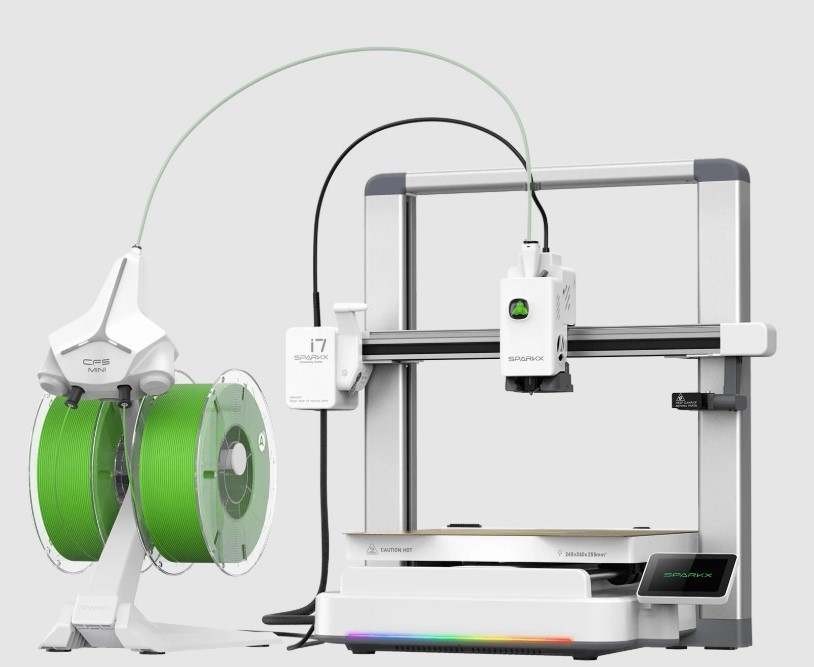
If you are just starting out, it helps to keep things simple. A lot of beginners jump into advanced setups and regret it later. If you are browsing for a reliable 3d printer for beginners, SPARKX i7 Series 3D Printer gives you a good idea of what modern entry-level machines look like.
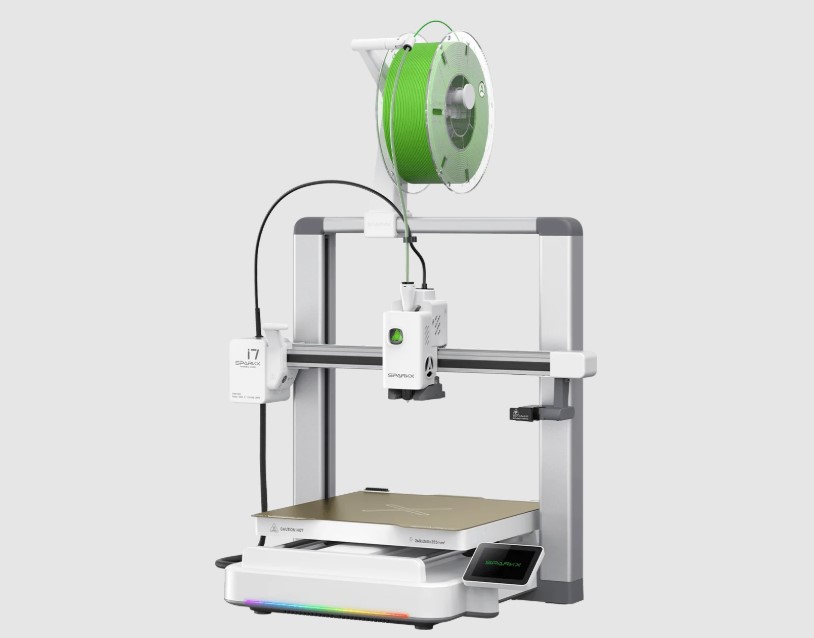
They are designed to be easier to set up, and that alone removes a lot of early frustration.
What actually matters between FDM and resin
Instead of overthinking it, focus on how you plan to use the printer:
- Filament printers are easier to run, cheaper to maintain, and better for everyday objects
- Resin printers give higher detail but require careful handling and more cleanup
Filament models are usually the better starting point because they are simpler and safer for home use.
Reliability Is About Consistency, Not Specs
A lot of listings focus on speed, resolution, or build volume. Those are useful, but they do not tell you if the printer will work well over time.
Reliability shows up in small things. Does the printer finish jobs without failing? Does it need constant calibration? Can you run multiple prints without babysitting them?
Here are the signs of a reliable machine:
- It holds bed leveling well over time
- It feeds material smoothly without jams
- It completes prints without random errors
- It has stable temperature control
These details matter more than a slightly bigger build area or a higher advertised resolution.
A reliable printer is one you can trust to finish a job overnight without checking it every hour.
Ease Of Setup And Daily Use
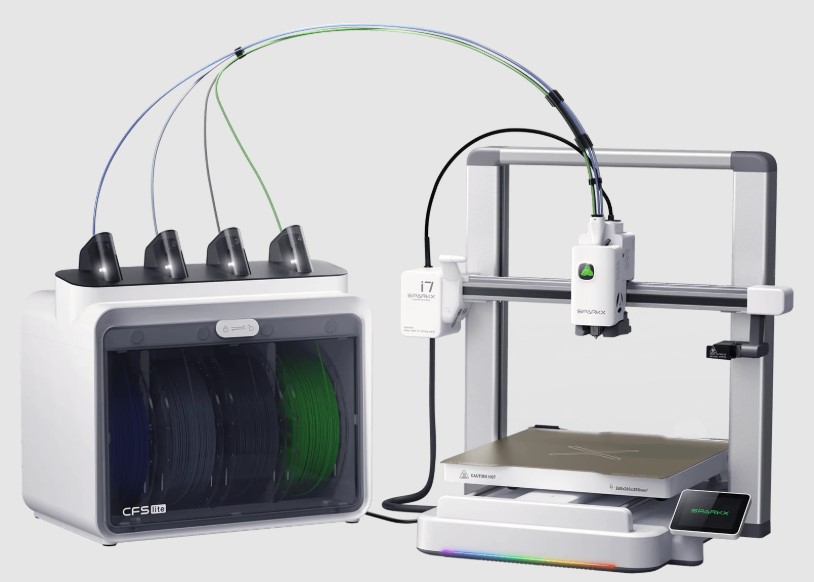
Setup is where many people run into problems. Some printers look great on paper but require hours of assembly and tuning.
A reliable home printer should be simple to get running. That includes clear instructions, basic calibration tools, and minimal manual adjustments.
What to look for during setup
If you want something that just works, pay attention to these features:
- Automatic bed leveling saves a lot of time
- Pre-assembled or partially assembled frames reduce errors
- Simple user interface makes daily use easier
- Stable firmware with regular updates
Printers that skip these basics often become frustrating quickly, especially for beginners.
Materials And Ongoing Costs
It is easy to focus only on the price of the printer, but the real cost comes from what you use with it.
Filament printers are generally more affordable to run. Materials like PLA or PETG are widely available and cost less per print. Resin printers, on the other hand, use more expensive materials and often require additional tools for cleaning and curing.
Quick comparison of costs
|
Factor |
Filament (FDM) |
Resin (SLA) |
| Material price | Lower | Higher |
| Maintenance | Simple | More involved |
| Safety needs | Basic | Requires ventilation and protection |
| Cleanup | Minimal | Requires washing and curing |
If you plan to print often, these differences add up quickly.
Maintenance And Real-World Use
Every 3D printer needs some level of maintenance. The difference is how often and how complicated that maintenance is.
Filament printers usually need occasional nozzle cleaning and bed leveling. That is manageable and becomes routine over time. Resin printers require more frequent cleaning, filtering, and careful handling of materials.
What maintenance actually feels like
With a filament printer:
- You spend time adjusting settings and replacing parts occasionally
- Cleanup is minimal
- Most issues are easy to fix
With a resin printer:
- You deal with liquid materials and cleanup after every print
- You need proper ventilation and safety gear
- Post-processing is part of every print
If you want something low effort, filament is usually the better choice.
Print Quality Versus Practical Use
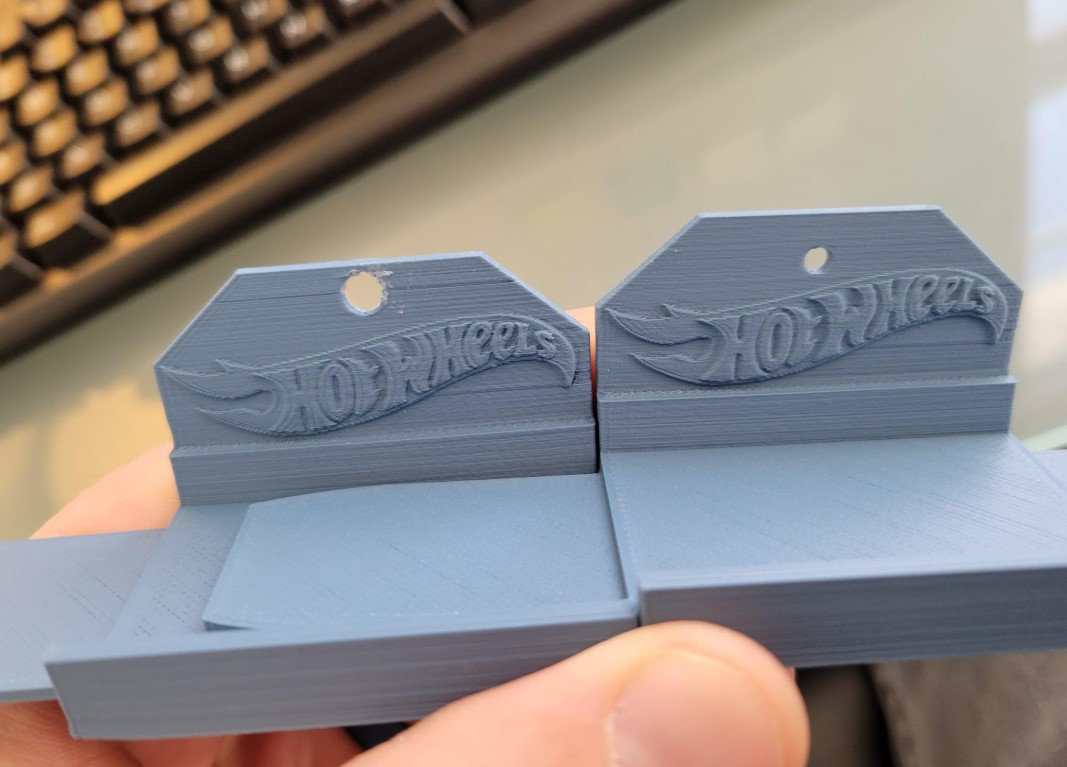
It is easy to get distracted by print quality comparisons. Resin printers produce smoother and more detailed models, especially for small objects. That is true.
But for everyday use, quality is not just about surface detail. It is also about strength and usability.
Filament prints are usually more durable and better for functional parts like brackets, holders, or tools.
A simple way to decide
Think about what you want to print:
- Decorative miniatures or detailed models → resin
- Functional items or larger objects → filament
There is no universal “better” option. It depends on what you plan to make.
Community Support And Spare Parts
This is something people overlook until something breaks.
A reliable printer is not just about the hardware. It is also about the support around it. Popular models usually have strong communities, guides, and available replacement parts.
That matters because problems will happen. When they do, having access to solutions saves time.
Why this matters more than you think
If a printer has a large user base:
- You can find solutions quickly
- Spare parts are easier to get
- Firmware updates are more consistent
If it does not, even small issues can turn into long delays.
Did you know?
Many print failures are not caused by the printer itself but by incorrect setup or material handling. Even a reliable machine can produce poor results if the basics are ignored.
Proper calibration, correct temperature settings, and good material storage make a big difference in print success.
Final Thoughts
Choosing a reliable home 3D printing machine is less about finding the most advanced model and more about finding one that fits how you plan to use it.
Start simple. Look for consistency instead of features. Focus on ease of use, maintenance, and real-world reliability.
If you get those parts right, the rest becomes much easier. You spend less time fixing problems and more time actually printing. That is what makes the whole experience worth it.