

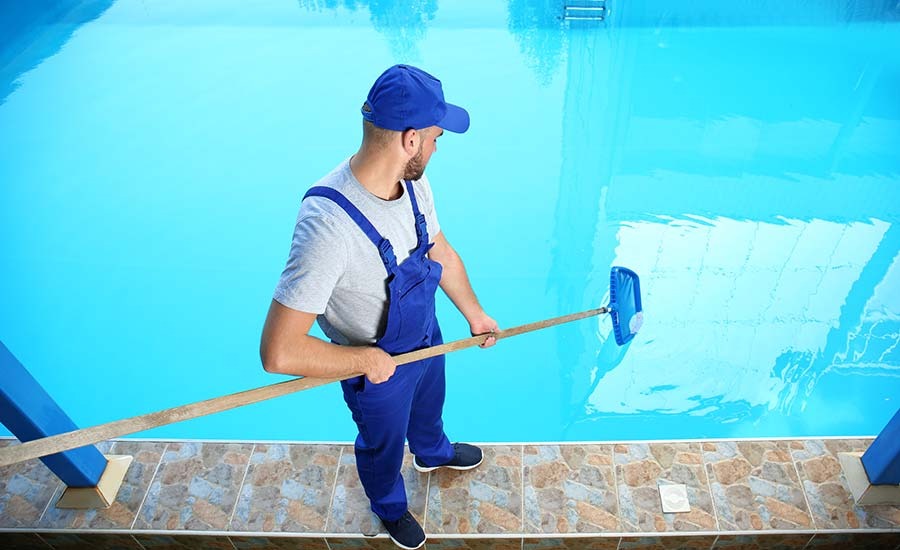
A clean swimming pool can contain millions of liters of water, yet even a small imbalance in chemistry can turn clear water cloudy within days. Many pool owners assume maintenance is complicated or expensive, but most problems come from skipped routine tasks rather than difficult repairs. With a clear system and the right habits, pool maintenance becomes predictable and manageable.
Keeping your pool in good condition protects equipment, improves water safety, and extends the lifespan of liners, filters, and pumps. This guide breaks down the essential steps into practical routines that fit into weekly schedules and seasonal care.
Understanding the Basics of Pool Maintenance
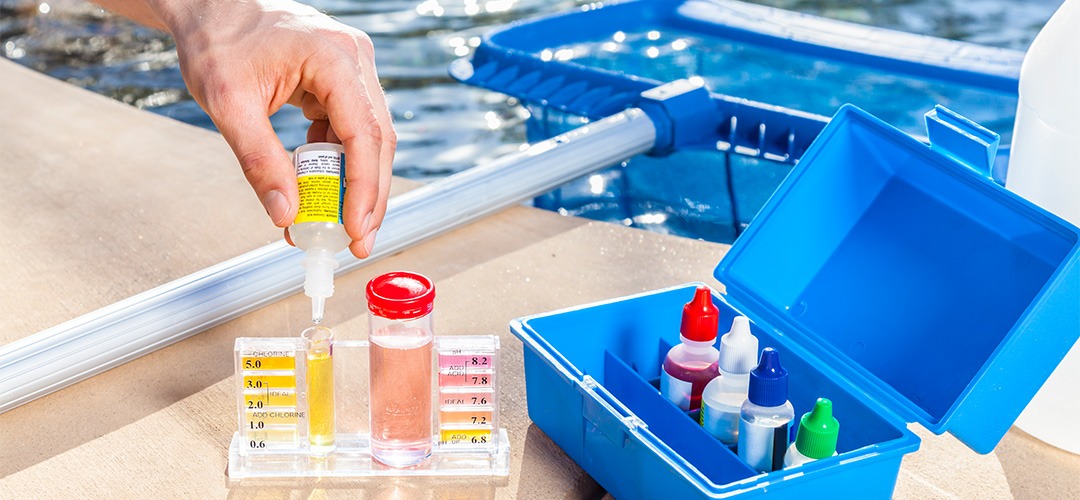
Before getting into routines, it helps to understand what keeps pool water stable. Pool maintenance depends on three core factors that work together. Water circulation distributes chemicals evenly. Filtration removes debris and microscopic particles. Balanced chemistry prevents bacteria and algae growth.
Neglecting any one of these areas often leads to murky water or costly equipment strain. Pumps should run long enough each day to move the entire water volume through the filter. Most residential pools need between six and eight hours of circulation daily, though warmer weather may require more.
Proper pool maintenance routines typically include:
- Testing water chemistry at least once or twice per week to maintain safe conditions.
- Removing debris from the surface and bottom before it begins to decay.
- Cleaning filter systems regularly so circulation stays efficient.
- Inspecting equipment for small problems before they grow larger.
Consistent routines prevent emergency fixes and reduce chemical usage over time.
Creating a Weekly Maintenance Routine
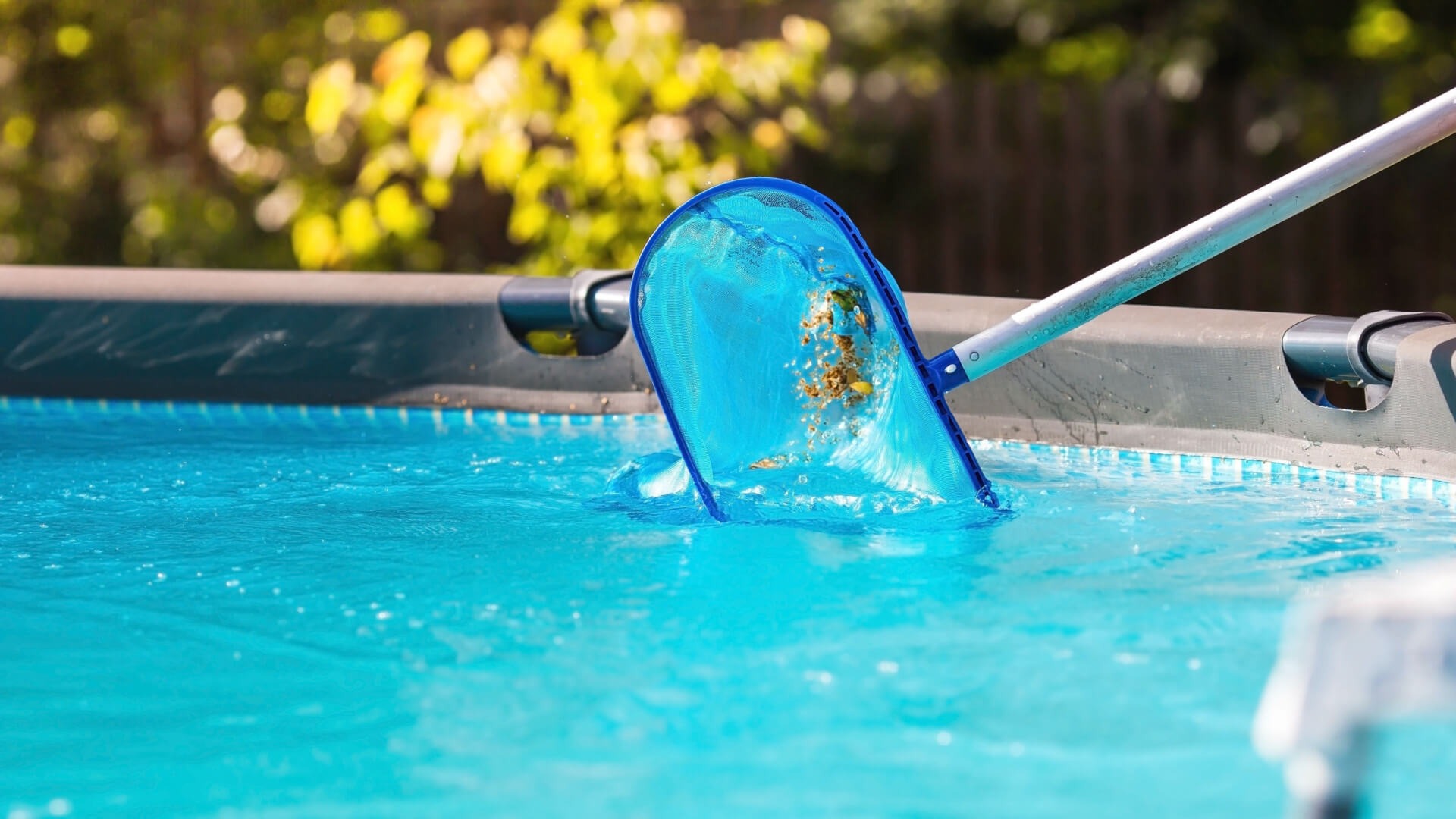
A simple weekly plan prevents most common pool problems. Breaking maintenance into small sessions makes it easier to stay consistent and keeps the workload manageable.
Many homeowners eventually realize that occasional professional help can simplify complex tasks such as deep cleaning filters or diagnosing circulation problems. Reliable pool services can handle seasonal maintenance or equipment inspections while owners focus on routine care.
A practical weekly schedule usually includes the following steps:
- Skimming the surface removes leaves and insects before they sink and affect water chemistry.
- Brushing pool walls loosens algae and buildup that filtration alone cannot remove.
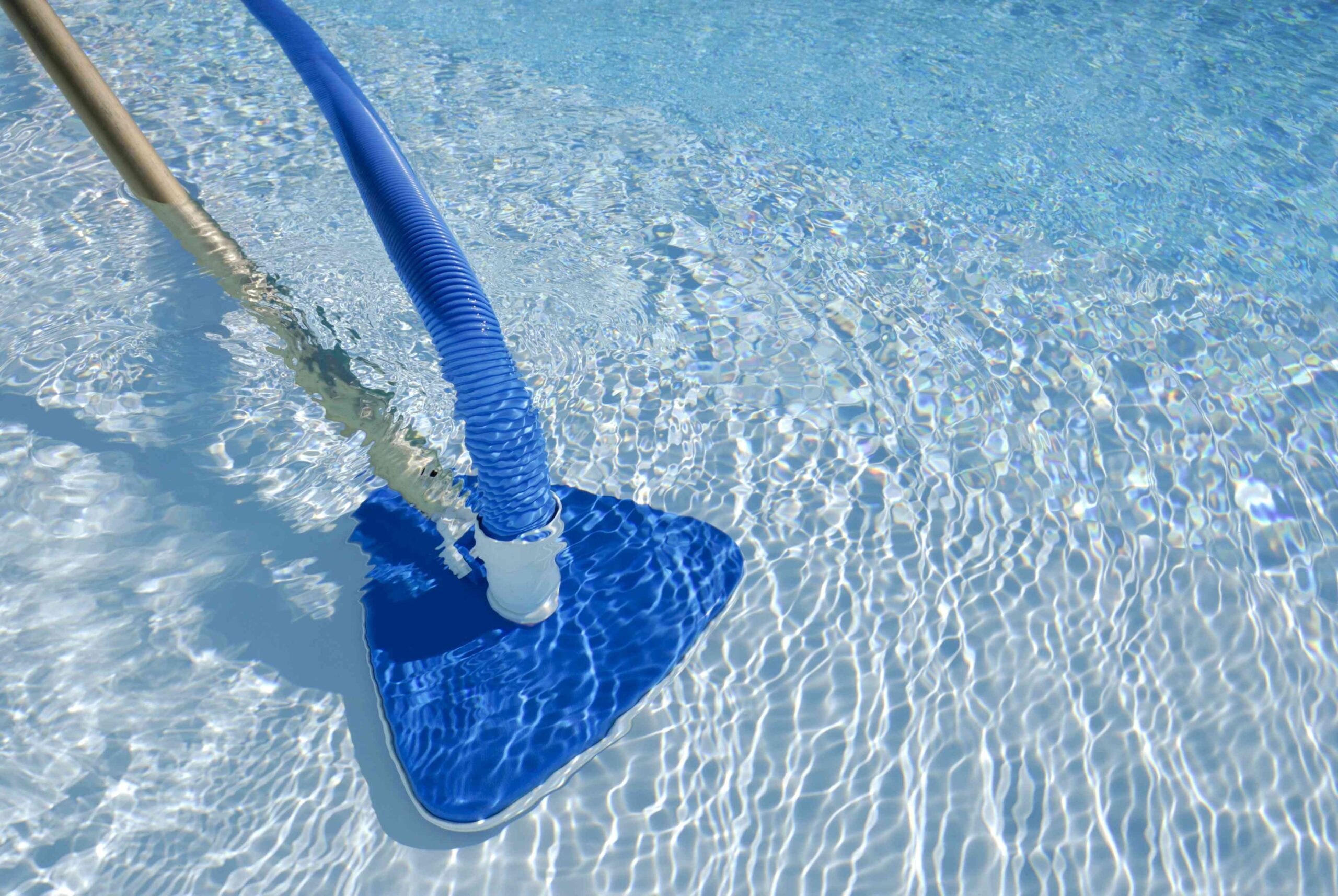
- Vacuuming the floor clears fine debris that settles in low circulation areas.
- Testing chlorine and pH levels helps maintain safe swimming conditions.
Completing these steps once a week typically keeps water clear throughout the season.
Testing and Balancing Pool Water
Water testing provides the clearest picture of pool health. Balanced water protects swimmers and prevents damage to surfaces and equipment.
Ideal chemical ranges include:
| Parameter | Recommended Range | Why It Matters |
|---|---|---|
| pH | 7.2 to 7.6 | Prevents irritation and protects equipment |
| Chlorine | 1 to 3 ppm | Controls bacteria and algae |
| Alkalinity | 80 to 120 ppm | Stabilizes pH levels |
| Calcium hardness | 200 to 400 ppm | Protects pool surfaces |
Test strips and liquid kits both work well if used consistently. Digital testers offer precision but are not essential for most residential pools.
Balanced chemistry reduces long term maintenance. When pH and alkalinity remain stable, chlorine works more effectively and fewer corrective treatments are required.
After adjusting chemicals, allow the pump to run for several hours before retesting so readings reflect actual conditions.
Cleaning the Pool Filter Properly
Filtration plays a major role in water clarity. A dirty filter forces the pump to work harder and reduces circulation efficiency.
Different filter types require different cleaning approaches:
- Cartridge filters should be rinsed thoroughly with a hose every two to four weeks.
- Sand filters usually need backwashing when pressure rises 8 to 10 psi above normal levels.
- DE filters require periodic backwashing and occasional replacement of filter media.
A pool filter can remove particles as small as 10 to 20 microns depending on filter type. Proper filtration keeps water clear even before chemicals are added.
Filter pressure gauges help identify when cleaning is needed. A steady rise in pressure signals that debris is blocking water flow.
Maintaining clean filters improves water clarity and reduces strain on the pump motor.
Managing Circulation and Equipment
Circulation keeps chemicals distributed and prevents stagnant areas where algae can form. Poor circulation often causes uneven chlorine levels and cloudy water.
Pumps should run long enough to move the entire pool volume through the filter system each day. The exact time depends on pool size and pump capacity.
Equipment checks should become part of regular pool maintenance. Look for:
- Small leaks around pump connections that may reduce efficiency.
- Unusual pump noises that suggest worn bearings or debris.
- Weak return jets that indicate restricted flow.
- Air bubbles inside pump baskets that signal suction problems.
Did You Know?
Running a pump during daylight hours improves sanitation because sunlight accelerates chlorine breakdown. Circulation helps maintain stable chemical levels.
Consistent equipment checks prevent expensive repairs and extend system lifespan.
Preventing Algae Before It Starts
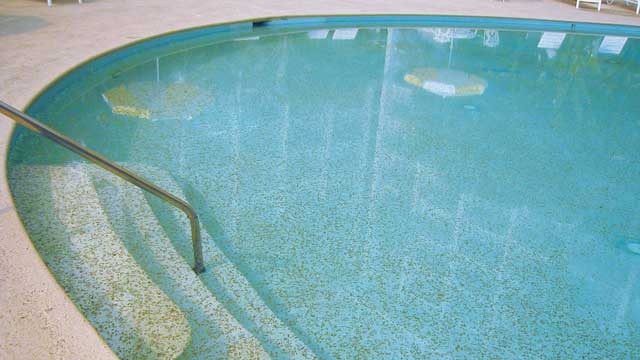
Algae prevention saves more time than algae removal. Once algae spreads, clearing the water may require shock treatments and extended filtration cycles.
Preventive pool maintenance keeps algae from developing in the first place. Areas with poor circulation often show the first signs of growth, especially steps and corners.
Good algae prevention includes:
- Maintaining steady chlorine levels so bacteria cannot multiply.
- Brushing walls weekly to remove microscopic growth.
- Keeping pH within the recommended range for effective sanitation.
- Removing organic debris quickly before it decomposes.
Warm weather increases algae risk, which means testing and circulation may need to increase during hot months.
Regular brushing and balanced chemistry make algae outbreaks uncommon.
Seasonal Maintenance Tasks
Pools require different care depending on the season. Opening and closing procedures protect equipment and reduce long term repair costs.
Spring preparation usually includes:
- Removing covers and cleaning debris accumulated over winter.
- Inspecting pumps and filters before full operation begins.
- Rebalancing water chemistry after months of inactivity.
Fall preparation often focuses on protecting the pool from cold weather.
Proper closing usually involves lowering water levels slightly, balancing chemicals, and protecting pipes from freezing conditions.
Seasonal care reduces long term maintenance costs and helps equipment last longer.
Maintaining records of seasonal adjustments can simplify preparation the following year.
Common Pool Maintenance Mistakes to Avoid
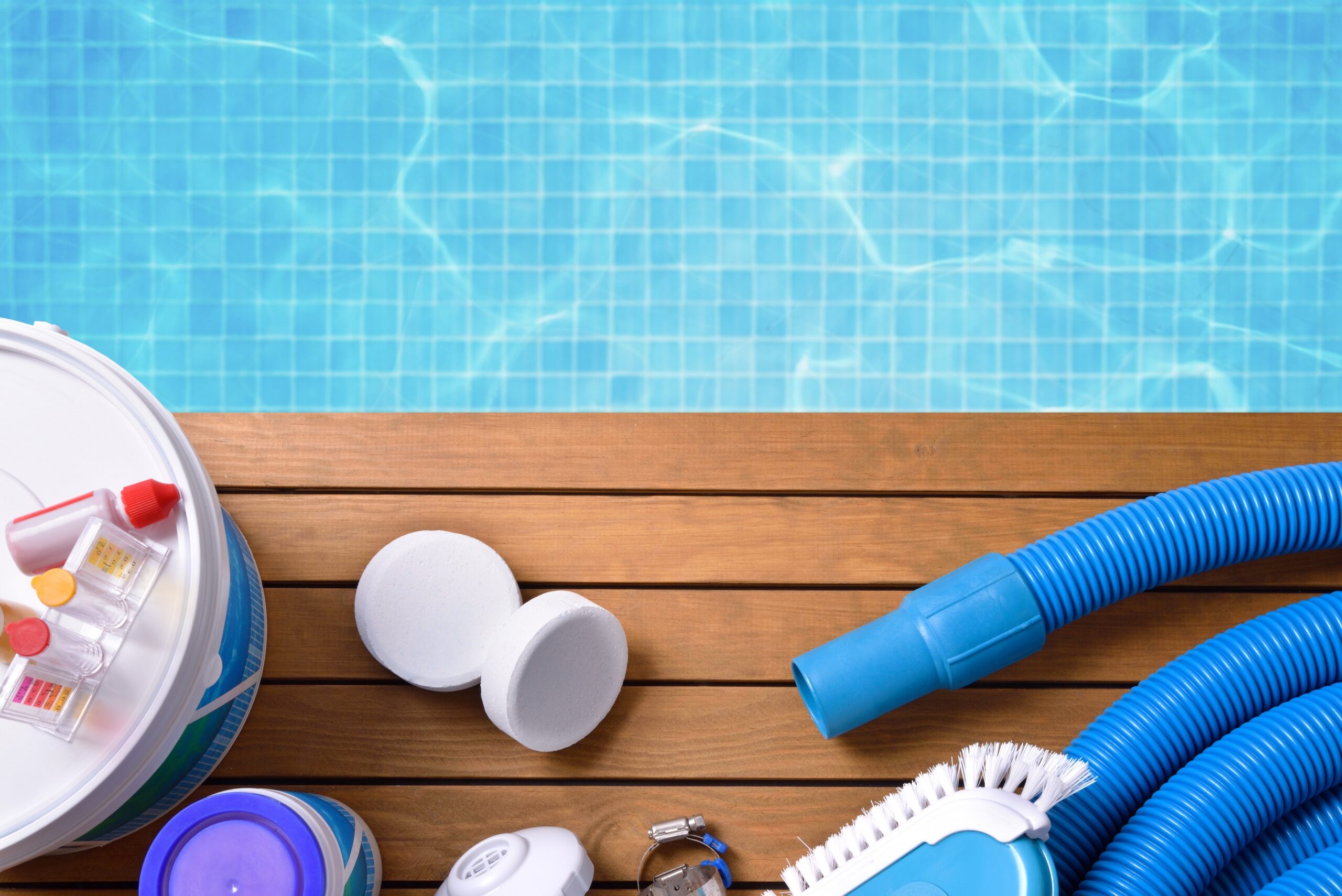
Even well maintained pools sometimes develop problems due to small mistakes that accumulate over time. Avoiding these issues keeps maintenance simple.
Many problems appear when owners rely on visual inspection alone. Clear water does not always mean safe water.
Common mistakes include:
- Skipping regular testing and relying on guesswork when adding chemicals.
- Running the pump too little, which reduces filtration efficiency.
- Ignoring early signs of cloudy water or algae formation.
- Cleaning filters too rarely, leading to circulation problems.
- Adding chemicals all at once instead of making gradual adjustments.
Consistent routines make pool maintenance predictable and far less time consuming.
Bottom Line
Clear water and reliable equipment come from simple habits repeated regularly. A structured approach removes the uncertainty that makes pool care feel complicated. Testing, cleaning, and circulation form the core of effective pool maintenance, and each task supports the others.
Once these steps become routine, maintaining a pool takes far less effort than most owners expect. A small amount of regular attention keeps the water inviting and ready whenever swimming weather arrives.