
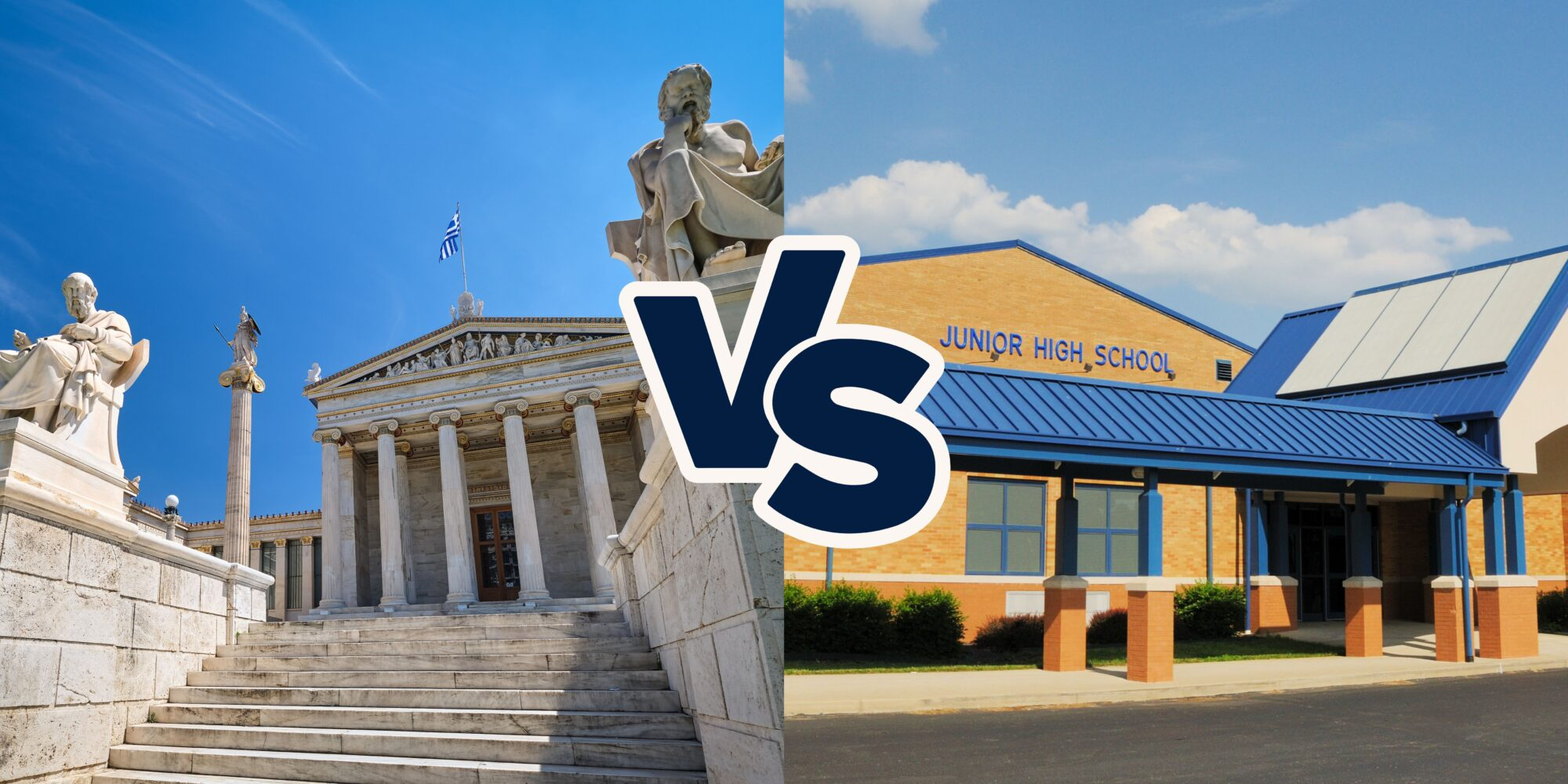
Education has changed a lot, but the core question is still the same. What should students learn, how should they learn it, and what should they be able to do at the end?
When you look at classical and modern education side by side, the differences are not just about classrooms or technology.
They reflect two different ways of thinking about knowledge and learning.
Some people see this as a debate between old and new. It is more useful to treat it as a comparison of systems. Each one has strengths. Each one also leaves gaps. The real value comes from understanding where each approach works and where it falls short.
Teaching methods: structure vs interaction
When people compare classical and modern education, the first thing they usually notice is how teaching actually happens in the classroom.
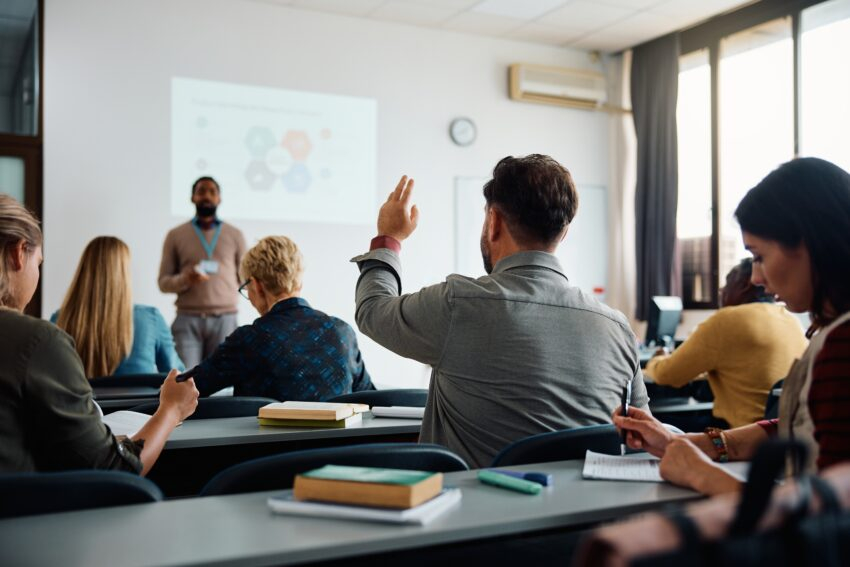
Classical education tends to be structured and teacher led. Lessons follow a clear path, often based on reading, repetition, and discussion guided by the teacher.
Students are expected to absorb content first, then analyze it later. This creates consistency and ensures that key material is covered.
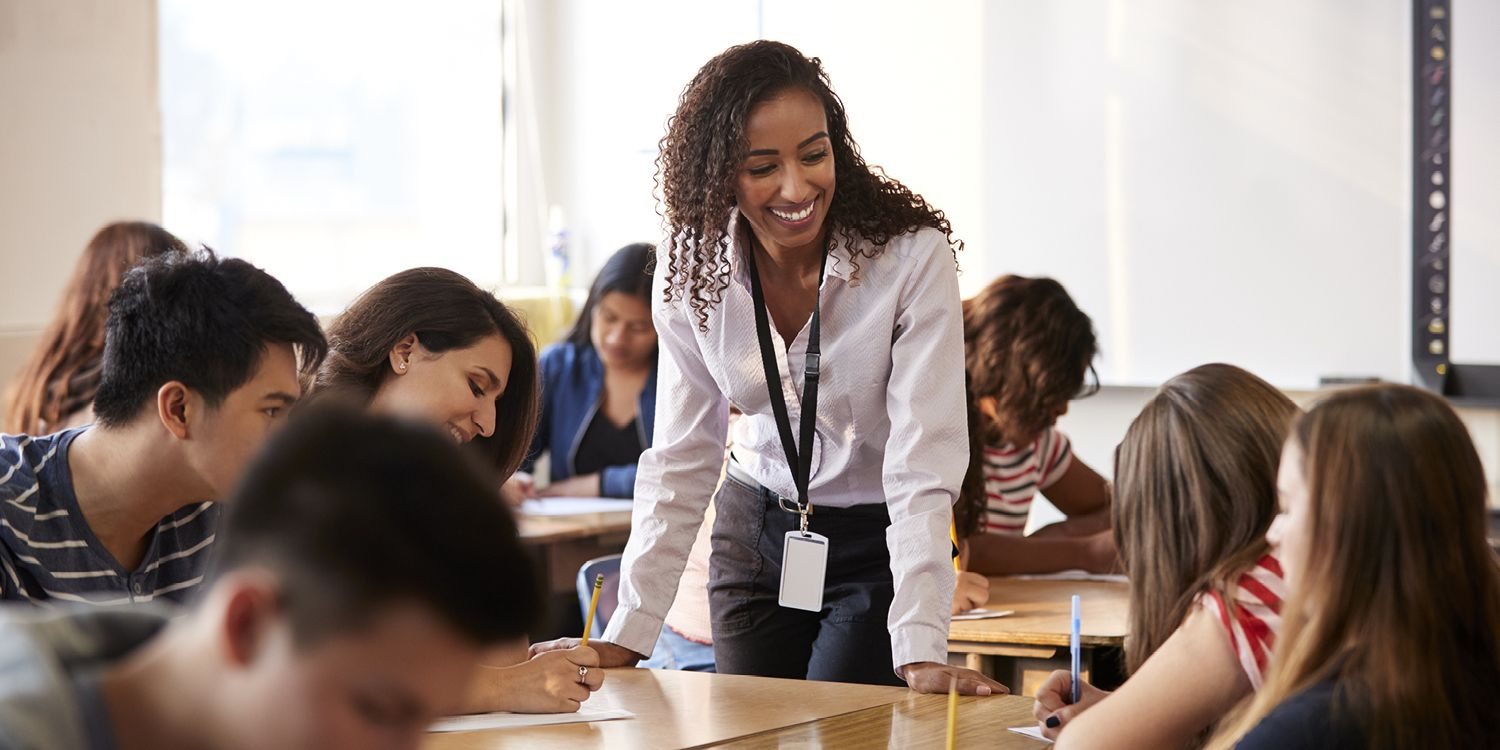
Modern education works differently. It shifts more responsibility to the student. Lessons often include group work, discussion, and digital tools.
The goal is to keep students engaged and active in the process.
Research shows a clear contrast here. Traditional approaches provide strong structure and depth, while modern approaches improve engagement and flexibility .
What this looks like in practice
In a classical classroom, you might see:
- A teacher leading a lesson from a defined curriculum
- Students taking notes and answering questions
- Repetition used to reinforce key ideas
In a modern classroom, you are more likely to see:
- Group discussions and collaborative tasks
- Technology used to support learning
- Students working at different paces
Neither approach is perfect. Classical methods can limit participation. Modern methods can lose focus if not guided carefully.
Where classical education still holds ground
Before comparing outcomes, it helps to understand why classical education has stayed relevant for so long.
According to Belmont Abbey College, classical education still shows measurable consistency in student knowledge and retention, especially in subjects that require strong foundations like language and logic.
The key idea behind classical education is simple. Students should master core knowledge before moving on. That includes language, history, mathematics, and literature.
This approach values depth over speed. It assumes that thinking skills come from knowing something well, not just practicing skills in isolation.
Core idea: Classical education builds thinking through content, not separate skill training.
This is why memorization still plays a role. It is not treated as the end goal, but as a necessary step toward deeper understanding.
Goals: shared knowledge vs individual development

Once you move past teaching methods, the next difference shows up in what each system is trying to achieve.
Classical education has a clear and consistent goal. It aims to build well educated individuals with a shared base of knowledge and the ability to reason clearly.
It often includes moral and cultural education as part of that process.
Modern education takes a broader approach. It focuses on preparing students for real world situations, including work, collaboration, and problem solving.
The emphasis is less on shared knowledge and more on adaptability.
A simple comparison
| Focus area | Classical education | Modern education |
| Main goal | Knowledge and reasoning | Skills and adaptability |
| Curriculum | Fixed and content heavy | Flexible and evolving |
| Student role | Listener and responder | Active participant |
This difference matters because it shapes everything else. If the goal is shared knowledge, the system needs structure. If the goal is flexibility, the system needs variety.
Results: what students actually gain
The most important question is not how education looks, but what it produces.
Studies show that traditional methods can lead to strong academic foundations but sometimes reduce student motivation and participation . Students may know the material well but struggle to apply it in new situations.
Modern methods tend to improve engagement, motivation, and collaboration. Students are more involved in the learning process. However, there is a trade off. When the focus shifts too much toward skills, gaps in foundational knowledge can appear.
Standardised tests still play an important role in measuring academic progress and comparing student performance across different schools.
Did you know?
Modern classrooms often improve participation rates, but they also depend heavily on teacher training and resources. Without that support, results can vary widely from one school to another.
So the outcome is not as simple as better or worse. It depends on what you measure.
- Classical systems often produce consistent academic results
- Modern systems often produce stronger soft skills
- Both systems show weaknesses when used alone
Why many schools now combine both approaches
If you look at current trends, you will notice something interesting. Schools are not choosing one system anymore. They are blending them.
This shift comes from practical experience. Teachers have seen that structure without engagement can slow learning. At the same time, engagement without structure can lead to gaps in knowledge.
Research supports this combined approach. A balanced model that uses structured content alongside interactive methods tends to produce better overall outcomes.
How a blended model works
Instead of choosing one method, schools often:
- Use structured lessons for core subjects
- Add discussion and projects for deeper understanding
- Introduce technology where it adds real value
This is not a compromise. It is a response to real classroom challenges.
A closer look at the real trade offs
At this point, the comparison becomes more practical.
Classical education gives you clarity. Students know what they are expected to learn. Progress is easier to measure. The downside is that it can feel rigid and less responsive to individual needs.
Modern education gives you flexibility. Students can explore topics, work together, and adapt their learning. The downside is that it can lack consistency if not carefully designed.
Neither system solves every problem. That is why the debate continues.
Frequently Asked Questions
Is classical education outdated in today’s world?
Not really. Many of its core principles, like structured learning and strong content knowledge, are still widely used. The difference is that they are often combined with modern methods rather than used alone.
Can modern education work without technology?
Yes, but technology often supports its goals. Modern education focuses on interaction and flexibility, and digital tools can make that easier. Still, the method itself does not depend entirely on technology.
Which system is better for younger students?
Younger students often benefit from more structure. Classical methods can help build discipline and basic skills early on. As students grow, modern methods can be added to support independent thinking.
Do employers prefer one type of education over the other?
Most employers care about results, not the system behind them. They look for skills like problem solving, communication, and reliability. A balanced education tends to support all of these.
Why is there still debate about this topic?
The debate continues because education serves multiple purposes. Some people value knowledge and tradition more, while others focus on adaptability and future skills. Both perspectives have valid points.
Final perspective
If you step back, the contrast between classical and modern education is not about old versus new. It is about priorities.
Classical education prioritizes knowledge, structure, and long term intellectual development. Modern education prioritizes engagement, flexibility, and real world application.
Most classrooms today are already somewhere in the middle. That is probably where the most effective learning happens.
Education helps students build confidence, develop practical skills, and prepare for the challenges of everyday life.
The real question is not which system is better. It is how well each one is applied.