


Severe weather does not give much warning. You can have a calm day that turns into strong wind, heavy rain, or hail within hours. What makes the difference is not luck, it is preparation. Most homes fail in predictable ways. Roof edges lift, water gets in through small gaps, and loose objects outside become a problem fast.
The goal here is simple. Keep the structure sealed, reduce weak points, and limit anything that can turn into damage. If you focus on those three things, you already reduce a big part of the risk.
Start with the parts of your home that fail first
Every house has weak points. You do not need to guess where they are. Most storm damage starts at the roof, windows, and doors. When those fail, everything inside is exposed.
According to recent data, roof damage accounts for the majority of storm losses because wind can lift shingles and expose the structure underneath. That is why repairs should always start there.
When homeowners want a proper inspection or repair before storm season, working with experienced teams like Precision Exteriors Restoration often makes sense. A trained contractor will notice small issues you might miss, especially around flashing, vents, and roof edges.
You want to think in terms of prevention, not repair. Fixing damage after a storm is always more expensive.
Check your roof before anything else
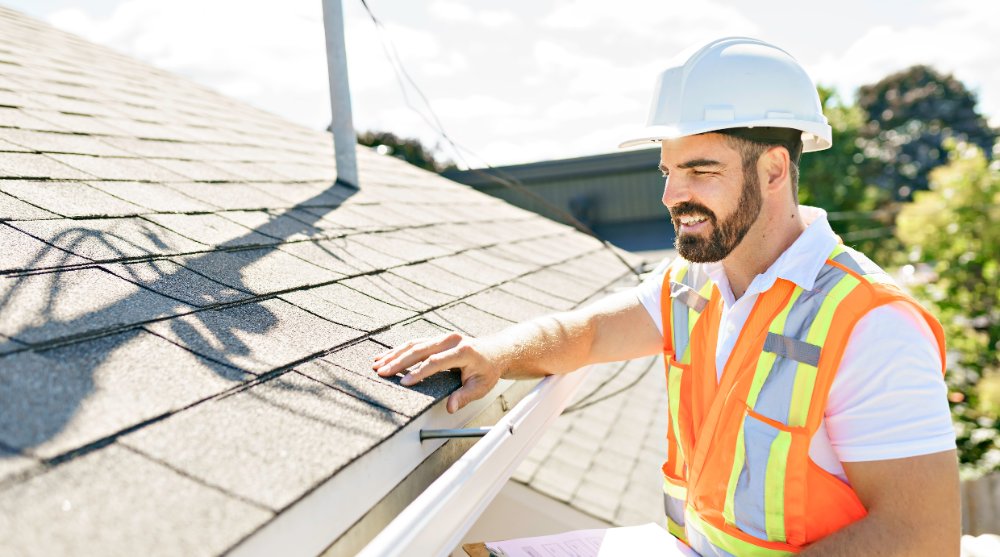
Your roof takes the full force of wind and rain. If something is loose up there, the storm will find it.
Start with a basic inspection. Look for missing shingles, cracked areas, or anything that lifts when touched. Even a small gap can let water in quickly once pressure builds.
Here are a few things that matter most:
- Loose shingles should be replaced immediately because wind can lift them and expose the layer underneath
- Sealing around vents and chimneys prevents water from getting inside during heavy rain
- Roof edges need to be secure since wind pressure is strongest there
If you are not comfortable climbing up, hire someone. A professional check once a year is cheaper than repairing interior damage later.
Windows and doors are your biggest entry points
Wind and water do not need large openings. Small gaps around windows and doors are enough to cause damage.
When strong wind enters the house, pressure builds inside. That pressure can push upward and weaken the roof structure. Sealing the house properly reduces that risk.
You can improve protection in a few practical ways:
- Install storm shutters or use reinforced panels for exposed windows
- Replace worn seals around doors and windows to stop water intrusion
- Reinforce garage doors since they are often the weakest opening
Opening windows during a storm does not reduce pressure. It increases the chance of structural damage and water entry
Keep everything closed and sealed. That alone prevents a lot of problems.
Secure everything outside your home
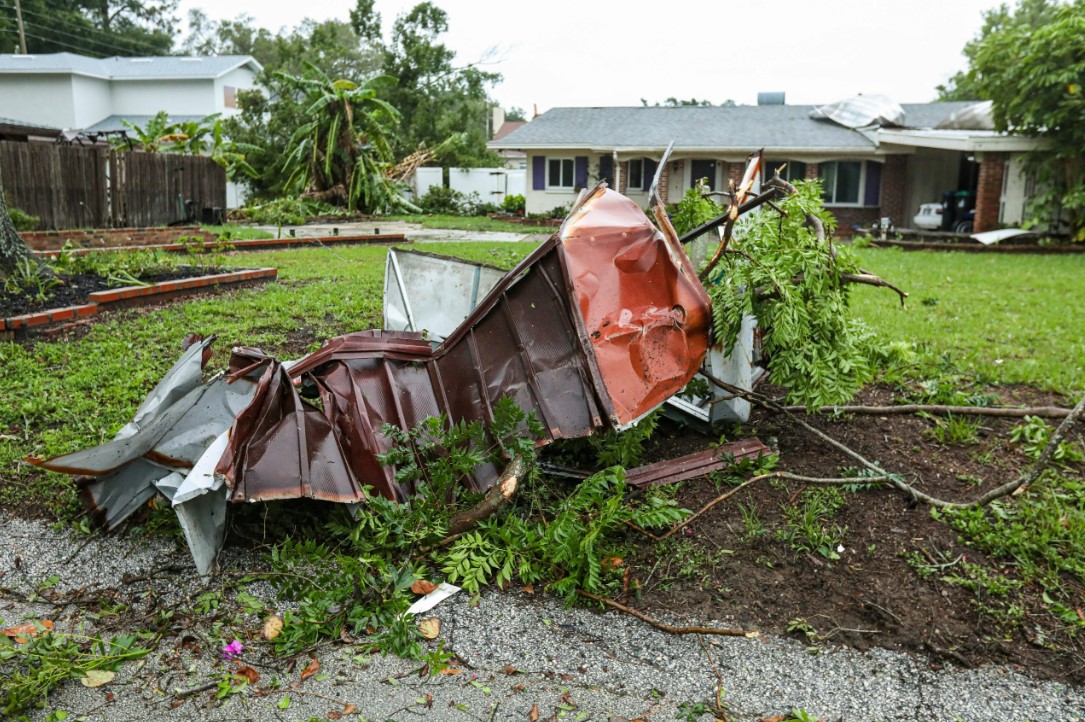
A lot of damage does not come from the storm itself. It comes from objects picked up by the wind.
Anything loose outside becomes a risk. Chairs, tools, planters, even small items can break windows or damage siding.
Before a storm, go around your yard and deal with anything that can move. That includes:
- Bringing lightweight furniture inside or tying it down
- Trimming tree branches near the house to reduce impact risk
- Securing larger items so they cannot shift or flip
It takes 20 minutes, and it prevents damage that could cost thousands.
Manage water before it becomes a problem
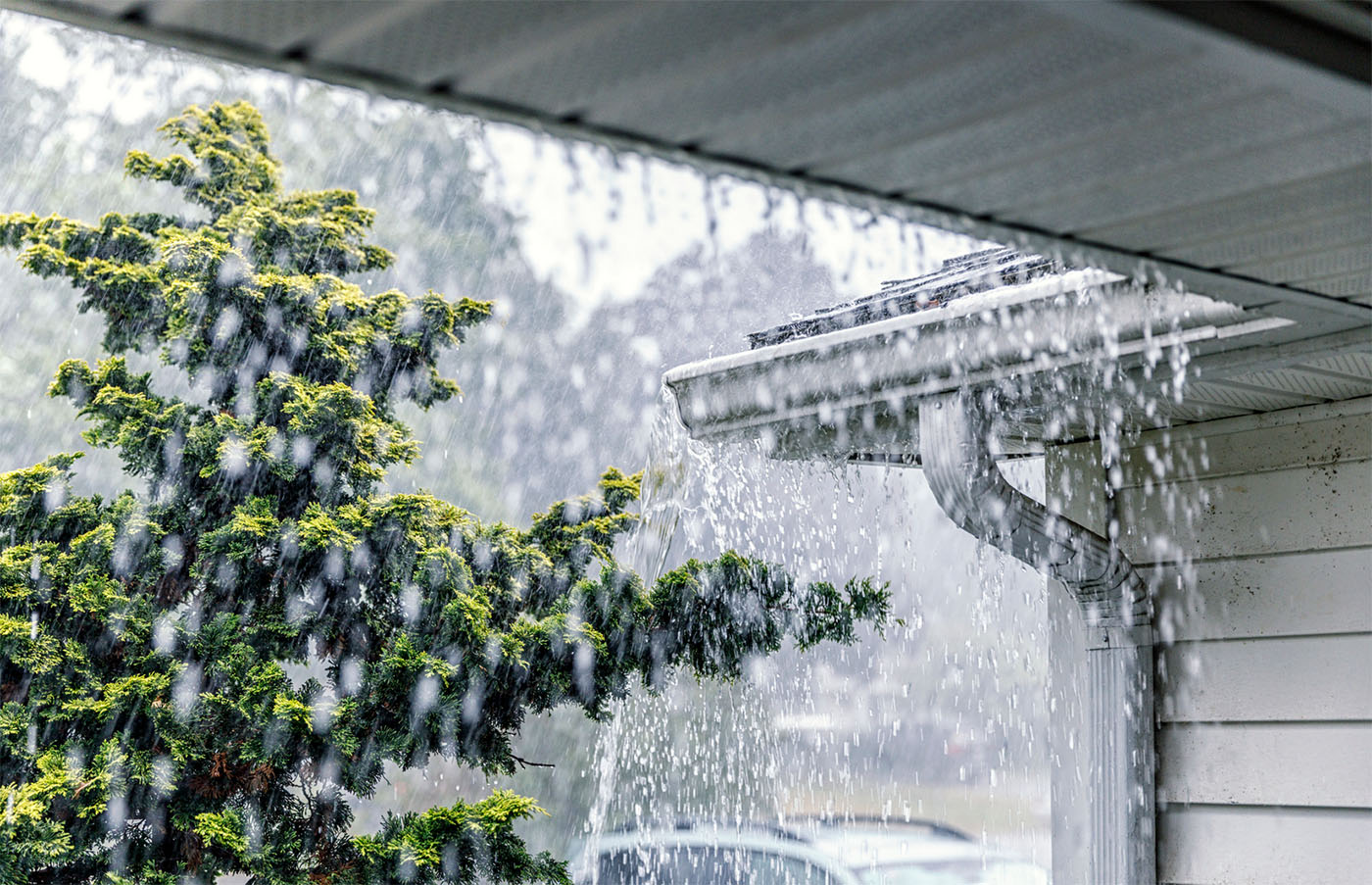
Water is often more damaging than wind. It gets in slowly, and by the time you notice it, the damage is already done.
The key is directing water away from your home.
Take a look at how water moves around your house during rain. If it pools near the foundation, that is a warning sign. Proper drainage matters more than people think.
A simple checklist helps here:
|
Area to Check |
What to Look For |
Why It Matters |
| Gutters | Blockages or loose sections | Prevents overflow and water pooling |
| Downspouts | Direction of water flow | Keeps water away from foundation |
| Ground slope | Water collecting near walls | Reduces risk of basement flooding |
After fixing those basics, you reduce the risk of long term structural issues.
Prepare a simple emergency plan
You do not need a complex system. You just need a clear plan everyone in the house understands.
When a storm hits, confusion causes mistakes. A simple plan removes that problem.
At minimum, decide:
- Where everyone goes during a storm, ideally a windowless interior room
- How you will receive alerts or warnings
- What items you grab if you need to move quickly
Practicing the plan once or twice helps more than you expect. People react faster when they already know what to do.
What to do when the storm actually starts
Once the storm begins, your job is to stay inside and avoid unnecessary movement.
The biggest risks during the storm are broken glass, debris, and electrical hazards.
Keep things simple:
- Stay away from windows and doors
- Use flashlights instead of candles if power goes out
- Avoid going outside until conditions are stable
There is nothing to fix during the storm. Focus on safety first.
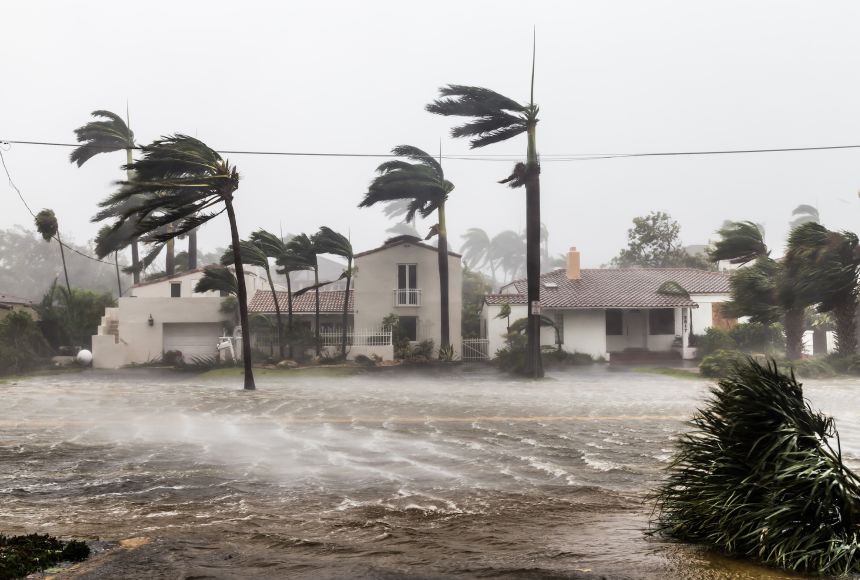
After the storm, inspect carefully before acting
Once the storm passes, do not rush outside immediately. There may still be hidden dangers.
Start by checking for obvious issues like downed power lines or structural damage. Then move to your home.
Walk around slowly and look for:
- Roof damage or missing materials
- Broken windows or cracks
- Signs of water entering the house
Take photos of everything before making repairs. Documentation helps if you need to file an insurance claim.
Temporary fixes like covering holes can prevent further damage until proper repairs are done.