

Many of us have dreamt, from a very young age, of being some kind of fashion designer.
While for some, those dreams are replaced with more ‘practical’ life paths, others are a little less willing to give up.
That being said, no matter how strong the dream is, is it actually worth it nowadays to start a clothing brand?
These are a few important factors to keep in mind when trying to decide whether you should chase your dream or not.
A fun, creative challenge
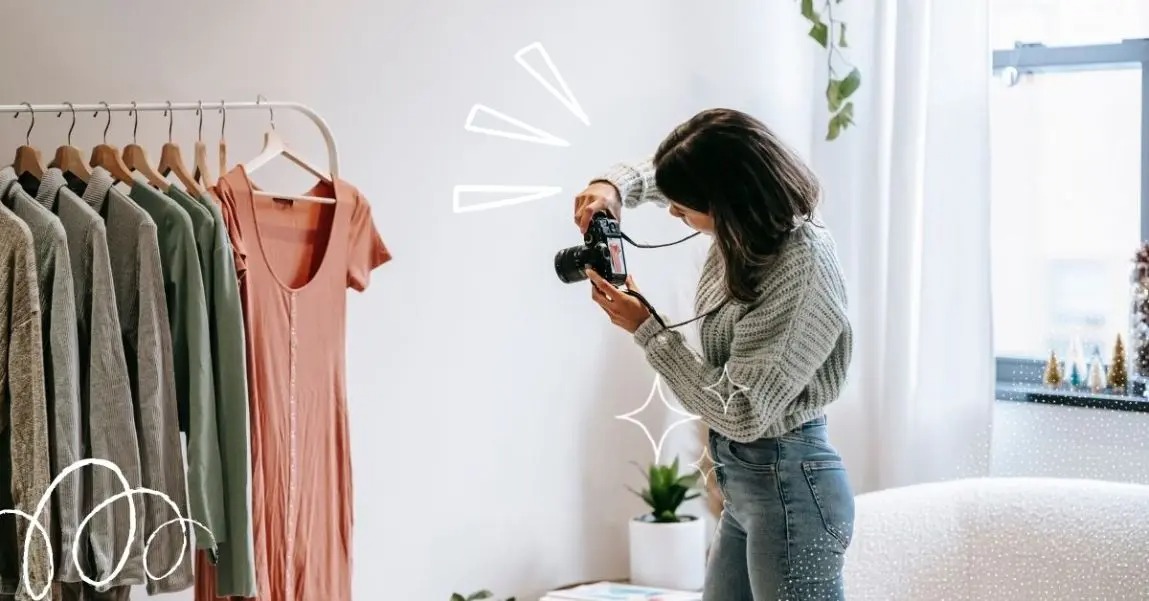
The first thing to note is that it will be a fun, creative challenge, no matter the outcome.
You’ll get to think about how you’ll design your clothes, how you’ll create a brand, and the kind of target audience you’ll aim for, along with hundreds of other little creative details along the way.
You’ll be able to gain heaps of experience in thinking creatively, even if some of that experience is the result of frustrated, exhausted all-nighters pulled with your business partners, with your heads hung over a kitchen table.
No guarantee of success
As with any business venture, there’s no guarantee of success. There are plenty of other people out there with dreams of starting clothing brands, and many of them are creating really exciting lines.
Of course, that shouldn’t necessarily put you off – giving something your all, regardless of the outcome, can be an amazing experience that sometimes pays off.
But, if you have dependents to take care of, or really need a reliable source of income for any other reason, it’s important to be realistic.
Highly accessible
Despite some of the drawbacks in terms of market saturation and impressive competition, starting a clothing brand has never been quite so accessible.
In fact, it’s this accessibility that’s precisely why there’s so much competition.
You can sell your clothes online, without having to invest in a costly brick-and-mortar shop, get custom garments made via services like Screen Textiles, and learn about everything from marketing to brand identity online for free.
Finding Your Niche in a Crowded Market
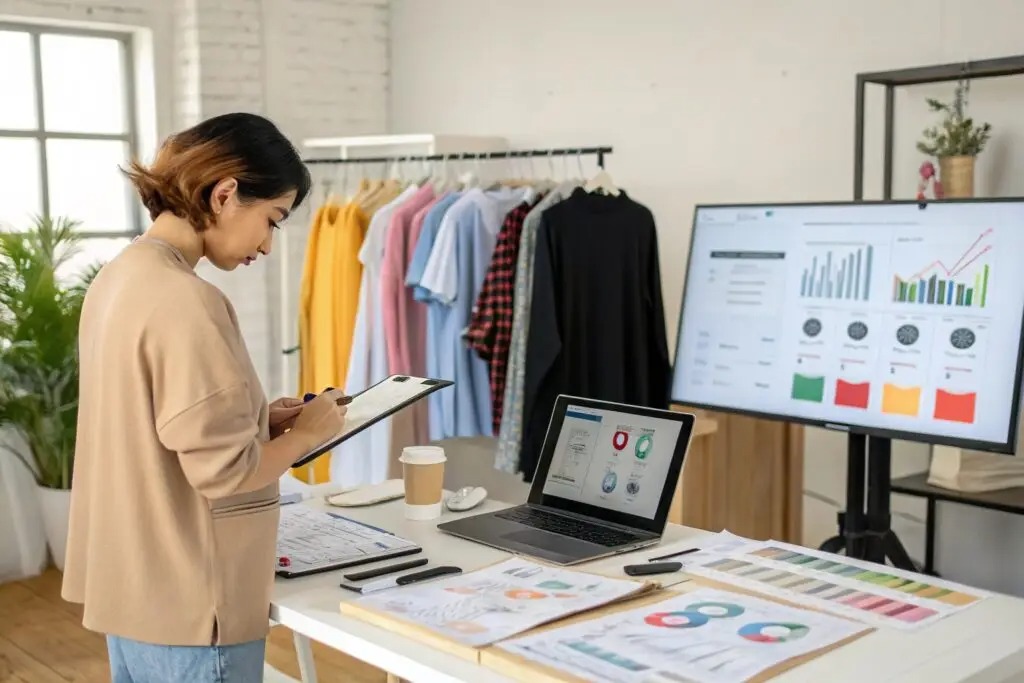
One of the most important steps in launching a clothing brand is identifying a niche that makes your products stand out.
Many beginners try to appeal to everyone, but successful brands usually start by targeting a specific group with clear needs and preferences.
A niche helps define your style, pricing strategy, and marketing approach. It also makes it easier for customers to understand what your brand represents.
Some common niche directions include:
- Sustainable clothing made from organic or recycled materials, appealing to environmentally conscious buyers.
- Streetwear brands focused on youth culture, music scenes, or local identity.
- Fitness and athleisure clothing designed for comfort and performance.
- Limited edition or handmade garments that emphasize uniqueness and craftsmanship.
Choosing a niche does not limit growth. Instead, it provides a strong foundation that allows a brand to develop a recognizable identity.
Startup Costs and Budget Planning
Although starting a clothing brand is more accessible than ever, there are still costs to consider.
Even a small online-only brand requires some financial planning.
The table below shows a simple overview of typical startup expenses:
| Expense Category | Estimated Cost Range | Notes |
| Sample production | $100 – $800 | Depends on number of designs |
| Fabric and materials | $200 – $1,000 | Varies by quality |
| Branding and logo | $0 – $300 | DIY or freelancer |
| Website setup | $50 – $400 | Domain and platform |
| Marketing budget | $100 – $1,000 | Ads or influencers |
Many small brands start with minimal investment by producing limited runs and reinvesting early profits into future collections.
Small independent fashion brands often begin with fewer than 50 items in their first production run.
Limited quantities reduce financial risk and create a sense of exclusivity that can attract early customers.
Building an Audience Before Launch
One common mistake is creating products before building an audience.
Modern clothing brands often succeed by developing a following first and launching products later.
A simple audience-building approach might include:
- Posting design sketches and behind-the-scenes content on social media.
- Sharing the story behind the brand and what inspired it.
- Asking potential customers for feedback on designs.
- Offering early access or pre-orders.
Growing an audience early reduces the risk of launching products that nobody wants to buy.
It also creates excitement when the first collection becomes available.
Over time, a loyal audience can become the most valuable asset a clothing brand has, often more valuable than the products themselves.
It’ll be hard work
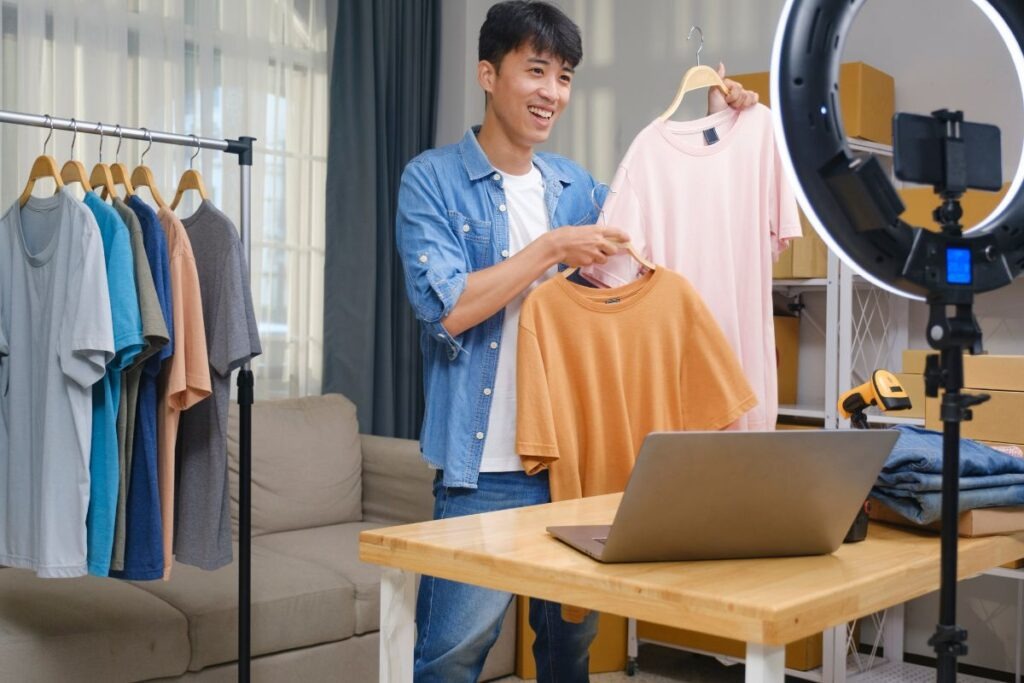
If you do decide to go for it, don’t have any misgivings about how much time, effort and sheer willpower it will take to get things going.
Starting a clothing brand is not an easy way to get rich, and if that’s your goal, don’t even think about it.
You will likely be rewarded for that effort, but it will take it out of you.
Expect to see it impact your health and relationships significantly if you’re not careful, and impact them at least somewhat even if you are careful.
Starting a clothing brand can be immensely rewarding, and it’s arguably now more accessible than ever before.
Be aware of how difficult it will be, and then, if you still think you have a good niche and marketing approach, do everything you can to set yourself up for success.
If you put in the effort in a smart, tactical way, you have every chance of succeeding in your dreams.
Frequently Asked Questions
How long does it usually take for a clothing brand to become profitable?
Most clothing brands need between one and three years to reach consistent profitability.
The timeline depends on production costs, pricing, and how quickly you build a steady customer base.
Many small brands spend the first year testing designs and reinvesting early revenue.
Do you need sewing skills to start a clothing brand?
Sewing skills are helpful but not essential. Many brand owners focus on design ideas and branding while working with manufacturers or freelance designers.
Basic knowledge of fabrics and garment construction can still help you communicate better and avoid costly mistakes.
Is it better to launch with many designs or start with a small collection?
Starting with a small collection is usually the safer approach. Fewer designs make it easier to control costs, manage inventory, and test customer interest. Once you know what sells well, expanding the product range becomes much easier and less risky.
How important is packaging for a new clothing brand?
Packaging plays a bigger role than many beginners expect, especially for online sales. Clean and consistent packaging helps create a professional image and improves customer experience. Even simple packaging with a logo or thank you note can make a brand more memorable.