

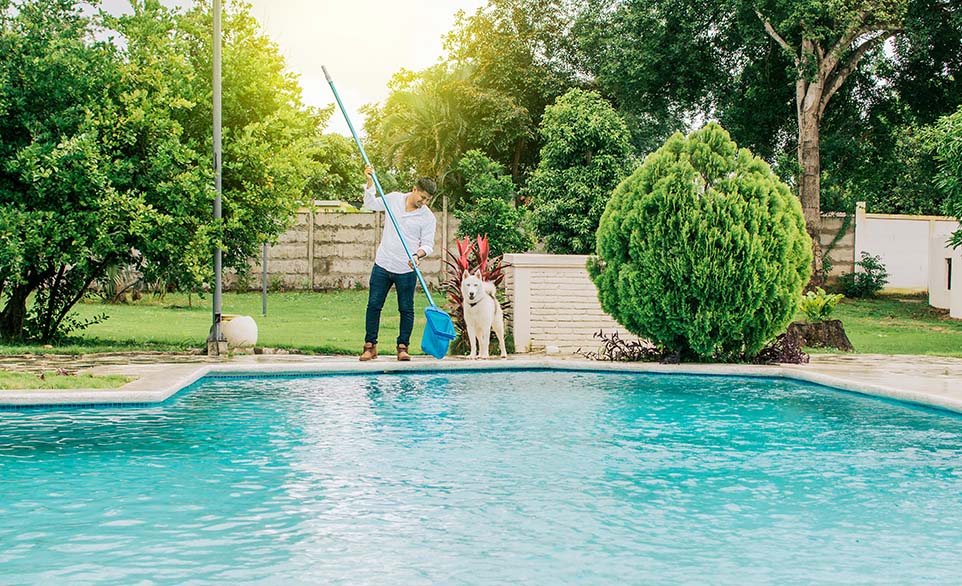
Keeping your pool clean doesn’t have to mean risking surface damage, chemical imbalances, or costly repairs. In fact, many common pool problems come from well-intended cleaning habits that are just a little too aggressive or poorly timed.
Scrubbing with the wrong materials, overusing household cleaners, or ignoring water balance can slowly wear down finishes and equipment without obvious warning signs.
While tools like a pool vacuum robot can make maintenance easier, safe DIY pool cleaning is less about gadgets and more about knowing what actually protects your pool long term. Before jumping into shortcuts, it’s worth understanding what proper DIY pool care really involves.
What DIY Pool Cleaning Really Includes
Proper DIY pool cleaning goes beyond skimming leaves or adding chlorine. Effective care works as a system. Physical cleaning, water balance, circulation, and regular inspection all support each other. Ignoring one weakens the rest.
At a practical level, DIY pool care focuses on four core areas. Each plays a specific role in keeping the pool safe and durable.
- Surface and debris control covers skimming the waterline, removing debris from the pool floor, emptying skimmer and pump baskets, and brushing walls and steps to limit buildup and algae attachment.
- Circulation and filtration care involves confirming the pump runs properly, cleaning or backwashing the filter when needed, and checking that return jets move water evenly. Weak circulation undermines every other effort.
- Water chemistry balance requires regular testing and adjustment of chlorine, pH, alkalinity, and calcium hardness to stay within safe ranges and protect surfaces and equipment.
- Early problem detection means watching for cloudy water, slick walls, air in the pump, pressure changes, or leaks that signal developing issues.
When one area gets skipped, cleaning becomes cosmetic rather than protective. Many DIY mistakes come from focusing on appearance instead of long term pool health.
DIY vs Professional Pool Cleaning
DIY pool cleaning makes sense when the pool is consistently clear, already in good condition, the equipment is working properly, and the water chemistry remains stable between tests. It works best for routine maintenance when you’re willing to test water weekly and adjust correctly, and the pool isn’t battling algae, staining, or scale buildup.
Professional cleaning makes more sense when water turns cloudy or green repeatedly, chemical levels won’t stay balanced or are difficult to control, scaling, staining, rough surfaces, or visible algae appear, equipment issues keep popping up, or equipment performance changes.
When you’re spending more time fixing problems than enjoying the pool, professional service helps with recovery, diagnosis, and prevention when things get complicated, and prevents surface damage, equipment failure, and long-term repair costs. Many failed pool cleaning DIY efforts eventually require professional correction.
DIY Pool Cleaning Hacks That Won’t Damage Your Pool
The most effective approaches focus on prevention and routine care rather than quick fixes. When a method protects circulation, filtration, and water balance, it helps the pool stay clean without stressing surfaces or equipment.
In practice, safe DIY pool cleaning habits rely on a few reliable actions that support long term maintenance:
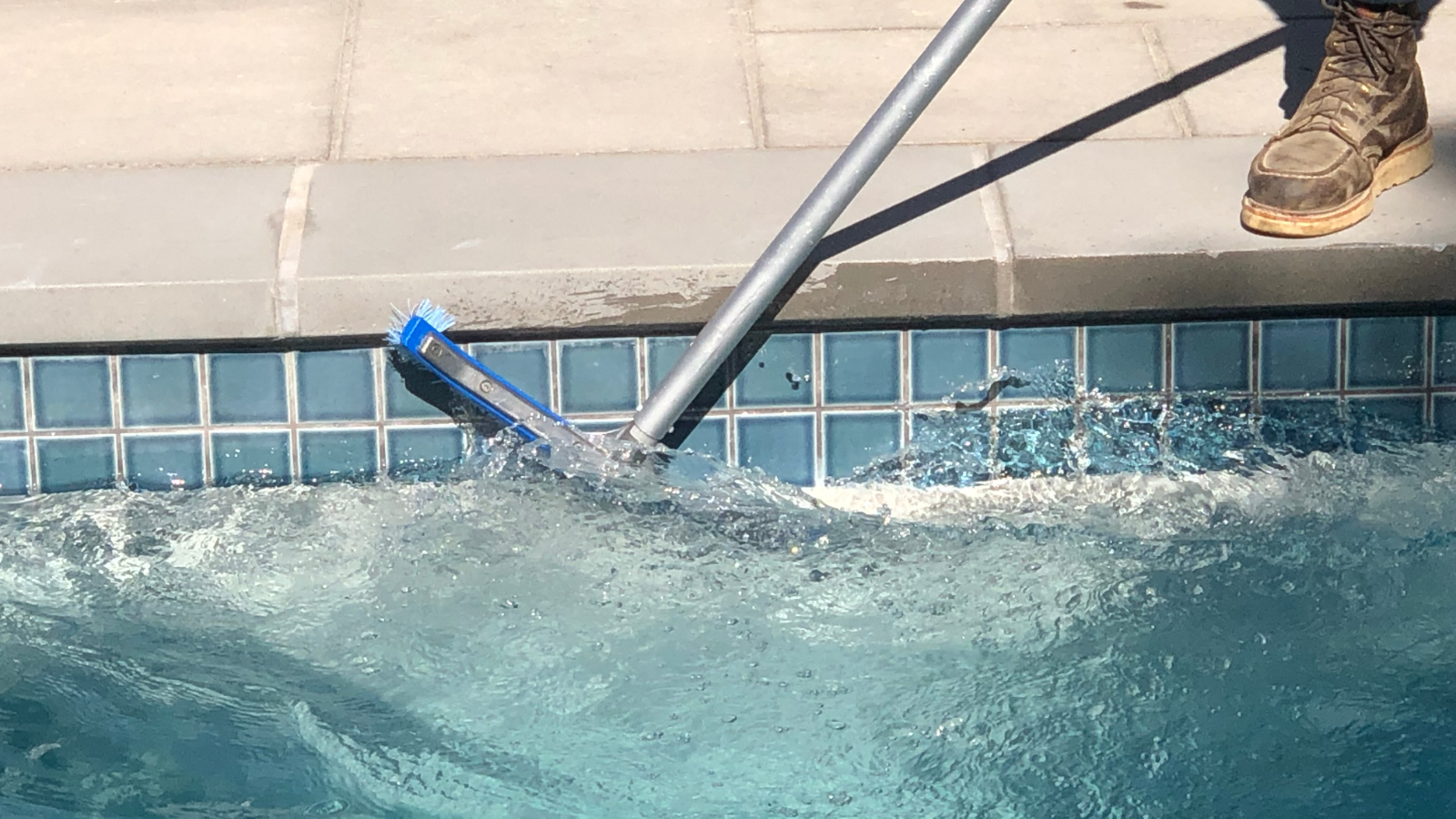
- Brushing walls and steps before vacuuming helps loosen algae and debris so it can be removed instead of spread around.
- Cleaning or backwashing the filter before adding chemicals often clears cloudy water, since many issues come from poor filtration rather than low chlorine.
- Running the pump longer improves circulation and sanitation more effectively than adding extra chemicals.
- Using baking soda only for targeted alkalinity adjustment works when levels are tested and changes are small. Blind use creates imbalance.
- Choosing mild, pool safe products and making measured adjustments protects finishes and equipment over time.
Any so called hack that promises instant clarity or relies on household cleaners creates more risk than reward. The safest methods are the ones that protect your pool season after season.
Pool Cleaning DIY Mistakes to Avoid
Many costly pool issues start with small DIY missteps. Avoiding these protects your pool and equipment long term.
- Adding too much chlorine or chemicals, which damages finishes and corrodes equipment.
- Mixing or adding chemicals incorrectly, causing surface damage or unsafe reactions.
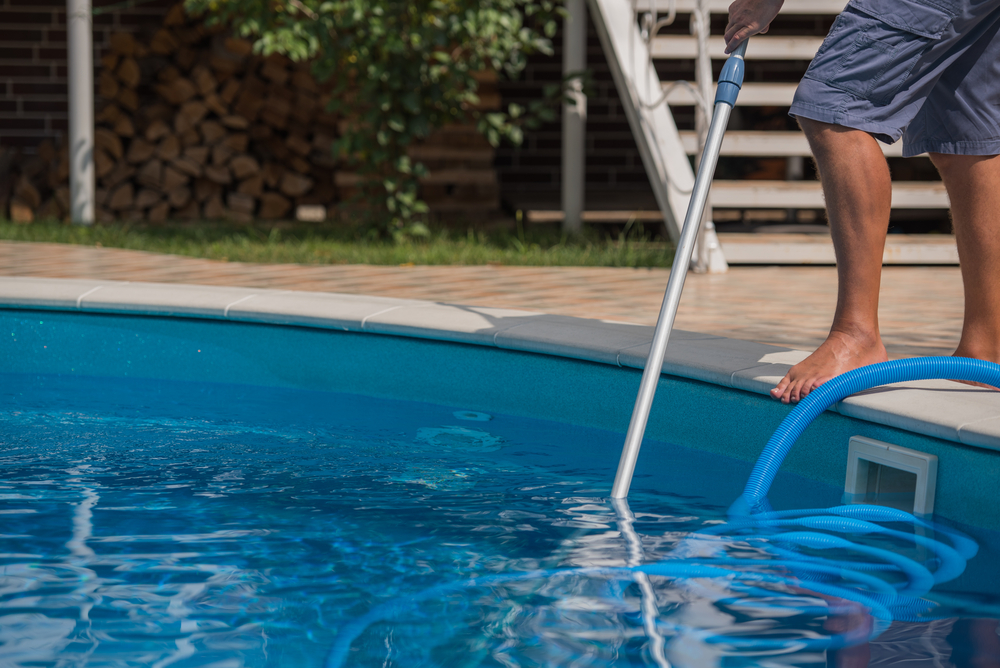
- Using the wrong brushes or abrasive tools that scratch plaster, vinyl, or fiberglass.
- Ignoring water balance because the pool looks clear, allowing hidden corrosion.
- Treating chemistry while neglecting filtration or circulation problems.
- Making fast chemical adjustments without testing.
Many pool cleaning DIY mistakes happen when homeowners rely on shortcuts instead of consistent testing and proper technique.
DIY Pool Tile Cleaning Done Right
Tile is durable, grout and finishes are not.
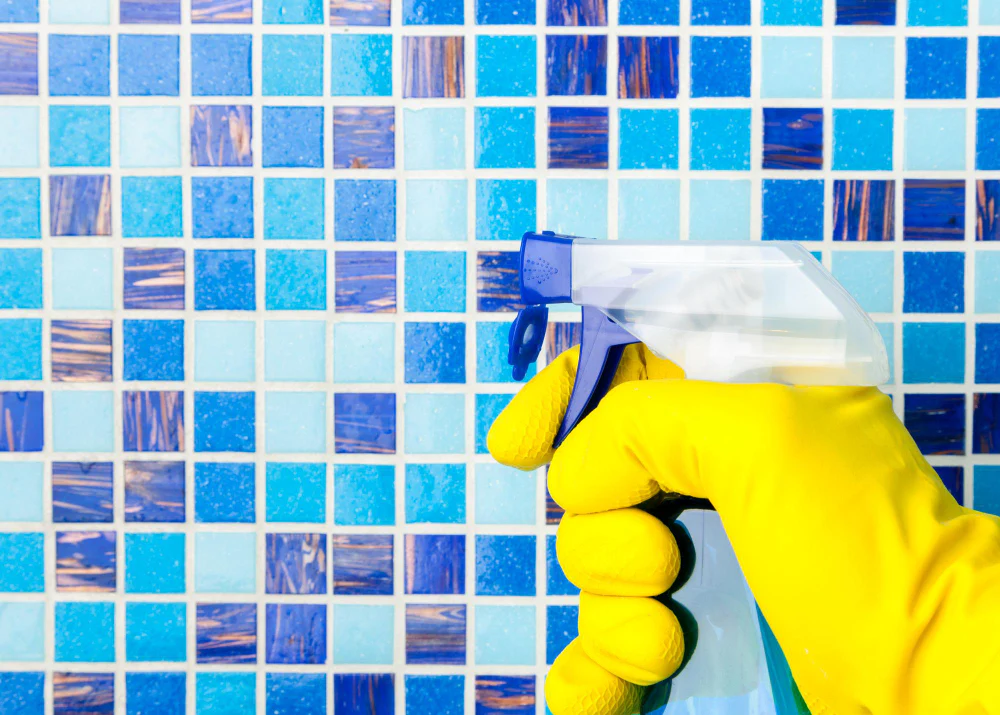
The safest approach to DIY pool tile cleaning is gentle, frequent maintenance. Consistent DIY pool tile cleaning prevents calcium buildup from becoming aggressive scale that requires harsh removal methods. Use non-abrasive pads or soft brushes designed for pool surfaces and choose pool-safe tile cleaners, not household acids. Clean regularly and lightly to prevent calcium deposits from hardening instead of waiting for heavy scale buildup.
Avoid metal tools, pumice stones, harsh acids, or excessive force, which can damage grout and finishes. When handled correctly, DIY pool tile cleaning protects both the tile surface and the surrounding materials.
If scale doesn’t come off with gentle cleaning, forcing it usually causes permanent damage. That’s the point where professional descaling is safer and cheaper in the long run, and professional treatment is safer than aggressive DIY methods instead of pushing DIY pool tile cleaning beyond its limits.
How Often to Do DIY Pool Cleaning
A consistent schedule keeps pool care manageable and prevents bigger problems later.
- Skim the surface 2 to 3 times per week to remove leaves, insects, and floating debris.
- Brush walls and steps once per week to prevent buildup and algae attachment.
- Vacuum the pool once per week, more often if trees or heavy debris are nearby.
- Test water chemistry 1 to 2 times per week to keep chlorine and pH stable.
- Inspect the filter monthly and clean or backwash as needed.
Pools with heavy use, high temperatures, or frequent debris benefit from lighter, more frequent cleanings. Consistency reduces the need for harsh chemicals and emergency corrections.
When DIY Pool Cleaning Isn’t Enough
DIY pool care has limits, and knowing when you’ve reached them protects your pool.
When water chemistry won’t stabilize, algae or cloudiness keeps returning despite proper filtration, stains or scale begin forming on surfaces, equipment pressure or flow changes unexpectedly, or there’s a strong chemical smell even with balanced chlorine, these are warning signs of underlying issues routine maintenance can’t resolve.
When cleaning turns into troubleshooting every week, it’s no longer saving money, it’s costing you, and professional evaluation is needed to protect the pool and its components.