


Catastrophic injuries can wreak havoc on your finances. Injuries of a severe magnitude, like trauma to the brain or spinal cord, can result in a lifetime of financial concerns.
When you find yourself dealing with a catastrophic injury, your life will change in a multitude of ways.
You will have to wade through how to survive when you lose your income from not being able to work.
You’ll need to find a way to cover your medical expenses and ongoing care. You could also face the hardships of coming up with funds to modify your vehicle or home to make it accessible.
As a victim of an injury of this magnitude, you don’t want to handle everything on your own. A personal injury lawyer can help you secure a high settlement.
Loss of Income and Financial Instability

One of the biggest long-term financial impacts from a catastrophic injury is a drastically reduced or complete lack of income.
When you have a severe injury, there is a high chance that you will not be able to return to work. To put it plain and simple, when you don’t work, you don’t get paid.
This means that you can’t contribute to retirement savings. You may even have trouble covering your basic living necessities.
Ongoing Medical Costs and Long-Term Care
Medical care following a catastrophic injury will affect you for potentially the rest of your life. The cost of medical services following an injury will be extensive.
With that said, initial costs aren’t the only ones you need to worry about. Following a major life-altering injury, you will likely take part in rehabilitation therapies.
You may also need to purchase specialized equipment such as beds, wheelchairs, and beyond.
Living life with a catastrophic injury means you will likely need different forms of medication. Ongoing treatment plans can do a number on your finances as the years pass by.
In relation to medical care, your injury may require you to need full-time medical assistance.
In some cases, you may be able to hire an in-home caregiver. When that isn’t an option, you might have to relocate to a residential facility capable of providing specialized care.
Both options are expensive and can take a severe toll on your finances.
Lifestyle Modifications and Transportation Expenses
A catastrophic injury may require you to make some costly modifications to your lifestyle. You might need to renovate your home to make it accessible if you become wheelchair bound.
Modifications in this instance include adding ramps, lowering countertops, and making doorways wider.
In regard to modifications, you might also need a customized vehicle. This could include purchasing a vehicle that is wheelchair accessible.
It could also mean modifying a vehicle to have lower floors, docking stations, or special ramps. A catastrophic injury could also create the need for advanced driving technology like joysticks.
In some instances, touch-screen controls and custom steering wheels can help you gain some independence back.
These investments are costly upfront. You will also have to pay more for vehicle maintenance services. Additionally, you may have to combat higher insurance premiums.
Seeking Legal Support

After a catastrophic injury, you may find yourself struggling financially every day to make ends meet.
With the loss of your job, your mind can spiral as you wonder how you can pay for your next meal or your home.
You’ll also have to worry about how you will cover treatment plans and medications.
This can be scary to handle on your own, but hiring a personal injury lawyer can ease your stress.
Winning a catastrophic injury settlement can provide you with a significant amount of financial relief.
Emotional and Psychological Financial Strain
The financial impact of a catastrophic injury is not limited to visible bills and lost paychecks.
Emotional and psychological strain often creates indirect financial consequences that many families underestimate.
Anxiety, depression, and post-traumatic stress can follow severe injuries, especially those involving permanent disability or chronic pain.
Mental health treatment may become a necessary part of recovery. Therapy sessions, psychiatric care, and prescribed medications add another layer of expense to an already overwhelming situation.
In some cases, family members may also need counseling to adjust to new caregiving roles or lifestyle changes.
Beyond medical costs, emotional distress can affect decision-making. Financial planning becomes harder when stress levels are high.
Individuals may struggle to manage paperwork, insurance disputes, or long-term budgeting. Over time, untreated emotional strain can lead to reduced earning capacity for both the injured person and their family members.
The psychological toll, while less visible than hospital bills, can quietly intensify the long-term financial burden.
The Financial Impact on Family Members
When someone suffers a catastrophic injury, the financial consequences rarely affect just one person. Families often experience a ripple effect that alters household income, responsibilities, and future plans.
A few common financial challenges families face include:
- A spouse or partner reducing work hours to provide caregiving support, resulting in decreased household income.
- Increased childcare costs if the injured parent can no longer provide care.
- Delayed educational or retirement plans due to redirected financial priorities.
- Greater reliance on credit, loans, or savings to cover immediate needs.
Caregiving itself carries both emotional and financial weight. While hiring professional assistance is expensive, providing care at home can limit career advancement or earning potential for a family member.
Over time, this dual loss of income and opportunity can significantly affect long-term financial security.
Planning for the future becomes more complex when one unexpected injury reshapes the entire household’s economic foundation.
Long-Term Financial Planning and Asset Protection
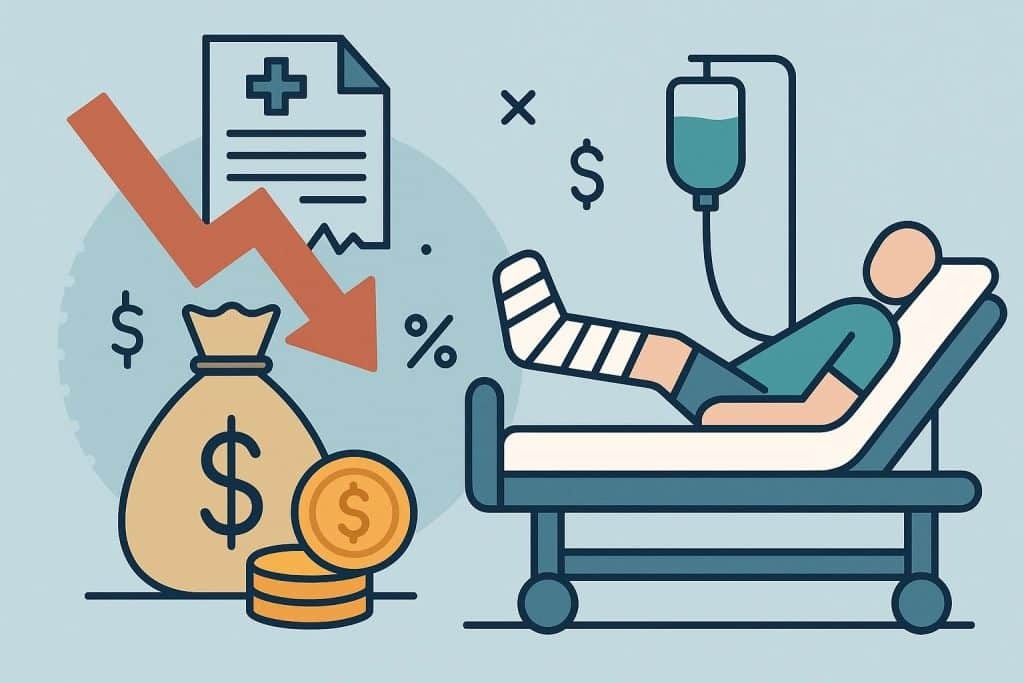
After a catastrophic injury, financial planning shifts from short-term survival to long-term stability. Immediate concerns often revolve around medical bills and daily expenses, but sustainable financial health requires a broader strategy.
Long-term planning may involve evaluating insurance policies, government benefits, disability programs, and structured settlements.
Some individuals qualify for Social Security Disability Insurance or other assistance programs, but navigating these systems can be complicated and time-consuming.
Asset protection also becomes critical. Without careful planning, settlement funds can be depleted quickly by ongoing care, adaptive equipment, and lifestyle modifications.
Trust arrangements or structured payment systems may help preserve resources over time.
Families often need guidance from financial professionals to create realistic budgets that account for future medical procedures, replacement equipment, and inflation.
Taking proactive steps toward structured financial planning can help reduce uncertainty and provide a clearer path forward during an otherwise unstable period.