

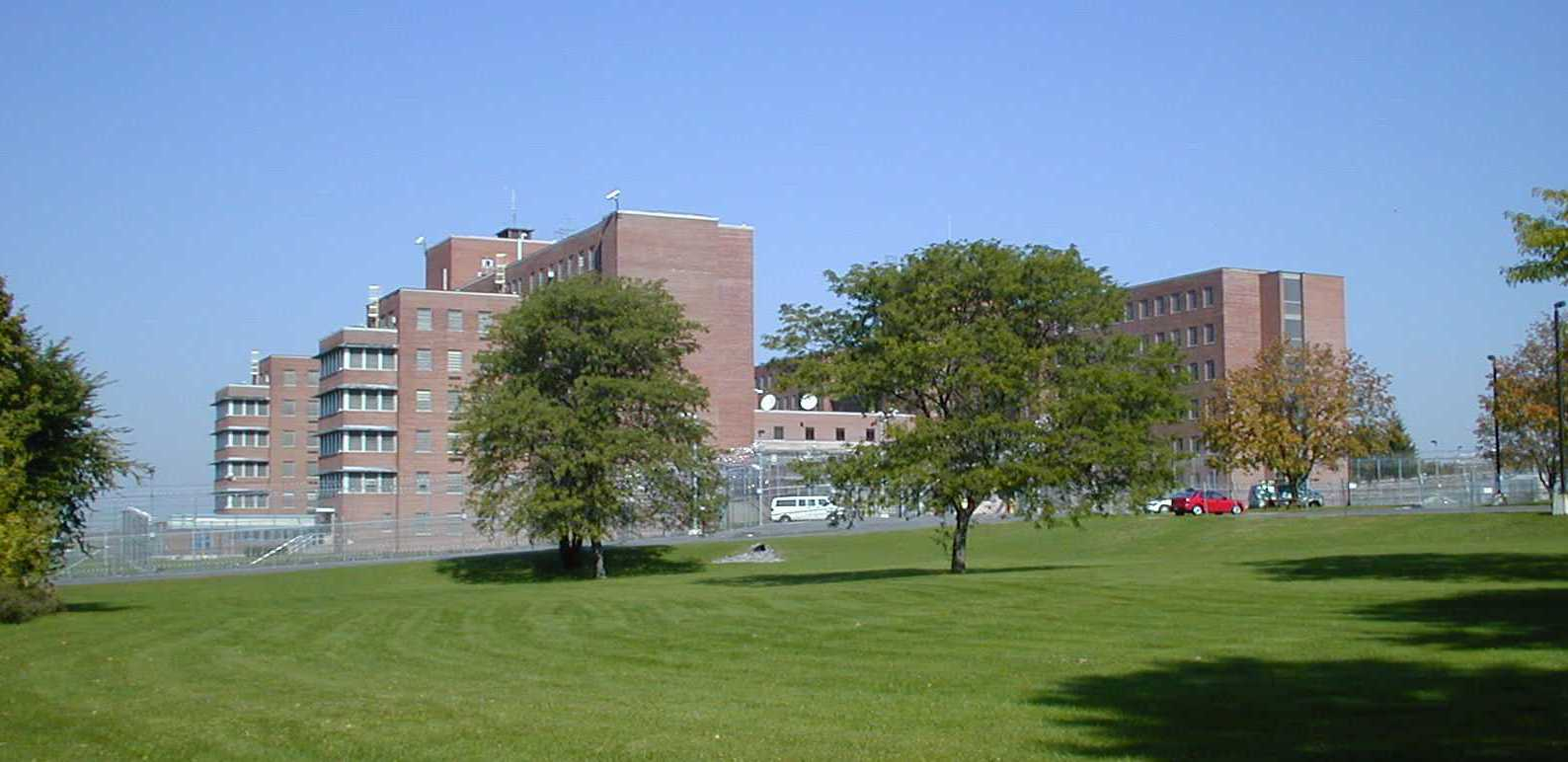
In the vast landscape of mental health services available in New York City, choosing the right support can feel overwhelming. A reputable mental health treatment center in New York City can help navigate these options, offering comprehensive care that ranges from traditional therapy to pharmacological intervention.
Therapy often serves as the first line of defense, comprising several modalities such as Cognitive Behavioral Therapy (CBT), Dialectical Behavior Therapy (DBT), and various forms of psychodynamic therapy. Each approach draws on different psychological frameworks to address the unique needs of each individual. Licensed mental health professionals at these centers can guide you through this maze, helping identify which therapeutic approach aligns best with your mental health goals.
Medication, on the other hand, is frequently considered when symptoms become too debilitating for therapy alone. Medications can range from antidepressants like SSRIs to mood stabilizers or antipsychotics. It is vital to engage in an open dialogue with psychiatrists concerning any potential side effects and how they might interact with your lifestyle.
Choice in medication is not one-size-fits-all; what alleviates symptoms for one person may not be effective for another. At a professional mental health treatment center in New York City, your treatment plan is tailored meticulously to your psychological profile and medical history, ensuring the most effective care possible.
Holistic Approaches: Integrating Mind, Body, and Spirit

Holistic mental health treatment is gaining traction, particularly in a city that celebrates diversity and innovation. These approaches incorporate not only the mental but also the physical and spiritual spheres of an individual’s life.
Mindfulness meditation, yoga, and tai chi are examples of practices that are not only seen as therapeutic but as avenues to create more profound connections between mind and body.
Many treatment centers in NYC offer integrative therapies that blend traditional psychological methods with these holistic practices.
Moreover, nutrition and lifestyle are increasingly recognized as vital components in mental health recovery.
Some facilities even provide workshops focusing on dietary strategies aimed at enhancing mood stability and reducing anxiety.
It is essential to view mental health care through a multidimensional lens, acknowledging that emotional wellness is intertwined with physical fitness, sleep quality, and even social energy.
When searching for a treatment center, inquire whether they incorporate holistic approaches into their framework, as these can enhance treatment efficacy exponentially.
Group Therapy vs. Individual Therapy: What’s Right for You?
The choice between group therapy and individual therapy is another critical consideration in the quest for effective mental health treatment.
Individual therapy offers a space that is exclusively tailored to the individual’s needs, allowing for deep dives into personal experiences and emotional landscapes.
It’s a setting where clients can build a strong therapeutic alliance with their therapist, creating a safe haven for vulnerability.
Conversely, group therapy brings the benefit of shared experiences, which can be incredibly validating.
It fosters a sense of community and connection among participants who may be navigating similar mental health challenges.
The collective wisdom of the group often provides insights and coping strategies that one may not achieve in individual settings.
Many centers offer a hybrid approach, allowing clients to take advantage of both types of therapy effectively.
When deliberating between these options, reflect on your personal preferences and comfort level, as well as your specific mental health challenges.
The Unique Landscape of NYC Mental Health Treatment Centers
Flagship Institutions vs. Boutique Clinics: Choosing Your Path
The spectrum of mental health treatment centers in New York ranges from large flagship hospitals to intimate boutique clinics.
Flagship institutions typically come equipped with extensive resources, ranging from specialized staff to advanced technology for mental health assessments and treatments.
They often have the capability to deal with acute mental health issues such as severe depression or psychosis, benefiting from a multidisciplinary approach that includes psychiatrists, psychologists, social workers, and specialists in complementary therapies.
Boutique clinics, on the other hand, offer a more personalized and accessible option and are known for their intimate settings.
These smaller facilities focus on providing tailored treatment plans that are often less structured than those in larger institutions.
The advantage here is the level of personalized care you may receive; therapists are often more flexible in terms of treatment methods, and the smaller setting can facilitate a more profound sense of connection.
When deciding, consider what type of environment will best support your mental health journey — whether it’s the resource-rich infrastructure of a flagship institution or the personalized service of a boutique clinic.
Each option has its merits, and what works for one person might not work for another.
Online vs. In-Person Treatment: The Next Frontier in Mental Health

In recent years, especially accelerated by the pandemic, telehealth has emerged as a transformative option in the realm of mental health services.
Online therapy has made it more accessible for many people to seek help without the barrier of physical distance or the stigma that sometimes surrounds in-person visits.
Telehealth offers flexibility in scheduling and can reduce travel stress, making it easier for individuals juggling work or family commitments to prioritize their mental health.
However, in-person treatment can often facilitate stronger therapeutic relationships and may be vital for those requiring more intensive support, such as individuals with severe mental health disorders.
Face-to-face interaction allows for the subtleties of non-verbal communication to come into play, enriching the therapeutic process.
When choosing between these options, consider your personal comfort level with technology, your specific needs for social interaction, and the type of mental health challenges you are facing.
Understanding that both forms have their unique advantages can help in making an informed decision that feels right for you.
The Role of Community-Based Support Services in NYC
Community-based support services play an integral role in the mental health landscape of New York City.
These services are tailored to facilitate holistic support via peer-led initiatives, hotlines, and local organizations aimed at fostering community wellness.
They often provide vital resources for those who may not be ready or able to engage in formal treatment settings.
Community centers and organizations often offer free or low-cost workshops, events, and discussion groups to help individuals feel less isolated in their struggles.
Moreover, many local nonprofits focus on specific populations within the city, such as LGBTQ+ youth, veterans, and individuals facing homelessness, all of whom may have unique mental health needs.
Seeking these types of support services may not only offer emotional support but also act as a gateway to formal treatment options if needed.
Evaluate the community resources available to you by checking local listings, neighborhood organizations, and even online forums.
Utilizing these services not only enriches your journey towards mental wellness but helps in forging connections with others facing similar challenges.
Factors to Consider When Choosing a Treatment Center
Licensing and Accreditation: Ensuring a Safe Choice

The integrity of mental health treatment centers can significantly affect the quality of care received, making licensing and accreditation vital factors to investigate.
In New York City, mental health providers must adhere to specific state guidelines and standards to ensure they are delivering safe and effective care.
Organizations such as the Joint Commission or the National Committee for Quality Assurance (NCQA) assess and accredit mental health facilities based on their adherence to established best practices.
These stamps of approval indicate that the facility meets rigorous safety standards, which can offer peace of mind to potential clients.
Before committing to a treatment center, it is advisable to research their credentials, check reviews, and look for any cited violations or disciplinary action.
Transparency regarding licensing and accreditation is a hallmark of reputable facilities.
Engaging in this pre-treatment research not only empowers you in your decision-making process but also ensures that the treatment center you choose is aligned with the highest standards of care.
Specializations and Expertise: Finding Your Perfect Match
Another crucial factor in selecting a mental health treatment center lies in their specializations and the expertise of their staff.
Mental health is not a monolithic field, and it encompasses a wide range of disorders ranging from anxiety and depression to eating disorders, trauma, and bipolar disorder.
If you have a specific mental health condition, you should seek a facility that specializes in that area to utilize proven methodologies and interventions tailored explicitly for your needs.
It’s also important to consider the background of the professionals at the treatment center.
The qualifications and experience of psychologists, psychiatrists, and counselors can vary widely.
Look for practitioners who have a track record of successful treatment, particularly relating to your specific mental health challenges.
Many centers feature bios of their staff on their websites, detailing their education, training, and therapeutic philosophies.
This can empower you to find a treatment center that not only understands your circumstances but is equipped and motivated to support your healing journey effectively.
Location, Cost, and Accessibility: Practical Considerations
While the therapeutic environment and quality of care are paramount, practical considerations, such as location, cost, and accessibility, also play critical roles in your choice of a mental health treatment center.
New York City’s expansive geography means that travel time can vary significantly depending on your chosen location, which can impact your willingness to attend regular sessions.
Cost is another crucial element, particularly given the varying pricing structures among providers.
Some facilities may accept insurance, while others might require out-of-pocket payments that can quickly accumulate.
It’s essential to clarify these aspects upfront so you can budget accordingly. Additionally, ask about sliding scale payment options if finances are strained; many places are willing to work with clients facing economic hardships to ensure they receive the care needed.
Accessibility is paramount, particularly for those with mobility issues or those reliant on public transportation.
Consider how easy it is to reach the center, and whether it offers the necessary accommodations for those with disabilities.
By factoring these practical considerations into your decision, you can choose a treatment center that is not only effective but functional for your daily life.
Success Stories and Testimonials: Real-Life Experiences in NYC
Breaking the Stigma: Inspiring Journeys Towards Healing

Stories of recovery can be incredibly motivating and can foster hope for individuals facing mental health struggles.
Over the years, numerous testimonials from patients of NYC mental health treatment centers highlight transformative journeys towards healing, marking significant achievements against the backdrop of stigma and societal misconceptions surrounding mental illness.
These narratives, shared through interviews or online forums, often convey not only the challenges faced but also the strategies and support systems that paved the way to recovery.
By exploring these success stories, prospective clients can find reassurance in knowing that they are not alone in their struggles.
Many individuals recount their initial reluctance to seek help and how that changed through positive experiences in therapy.
These stories often emphasize the importance of community and connection, illustrating how treatment transcends mere medical intervention; it’s about cultivating a deeper understanding of oneself and fostering resilience.
Engaging with and sharing these narratives can help to destigmatize mental health issues and encourage those in need to take the courageous step toward seeking help.
The Connection Between Environment and Recovery: Case Studies
Research suggests that the environment plays a crucial role in the effectiveness of mental health treatment, and this is particularly true in a bustling urban landscape like New York City.
Several case studies highlight how the environment, both physical and social, can either impede or enhance the recovery process.
For instance, some facilities have adopted therapeutic settings that focus on natural light, sound therapy, and tranquil surroundings to create a calming effect, explicitly aimed at reducing stress and anxiety.
Other studies underscore the importance of community engagement activities, showing that the integration of socialization and support enhances recovery outcomes significantly.
Participating in activities such as art therapy, group sports, or community service allows individuals not only to foster connections but also to develop coping mechanisms rooted in collaboration and shared experience.
When evaluating treatment centers, inquire about how they foster a healing environment, as this can significantly influence your therapeutic journey.
How to Leverage Community Resources for Ongoing Support
Once you embark on your mental health journey, it’s crucial to recognize that support doesn’t finish after formal treatment concludes.
Leveraging community resources for ongoing support can be vital for sustainable mental wellness.
Many NYC organizations provide continuous support through peer-led groups, wellness workshops, and activities aimed at encouraging recovery outside of clinical settings.
Such resources help to cultivate a sense of belonging and reduce isolation, allowing individuals to interact and engage with others who share similar journeys.
By participating in local events and initiatives focused on mental health awareness, individuals can not only stay informed but also develop strategies to handle challenges as they arise.
Having a robust support network is immensely beneficial for emotional stability, and community resources can serve as both a bridge and a safe haven in times of need.
It is this understanding — that recovery is an ongoing journey supported by community, education, and continued dialogue — that can empower individuals to embrace their mental wellness fully.