

There’s a certain idea of Germany that most people carry around. It usually involves Berlin. Graffiti, techno, history layered on every corner, and a restless creative energy that feels almost electric. But here’s the thing. Germany is much bigger, more textured, and honestly more surprising once you step outside the capital.
Skipping Berlin doesn’t mean missing out. It actually means discovering a quieter, more grounded version of the country. One where traditions are alive, landscapes feel cinematic, and cities unfold at a slower, more human pace. If you’ve ever wondered what Germany really feels like beyond the hype, this is where things get interesting.
A Different Kind of First Impression
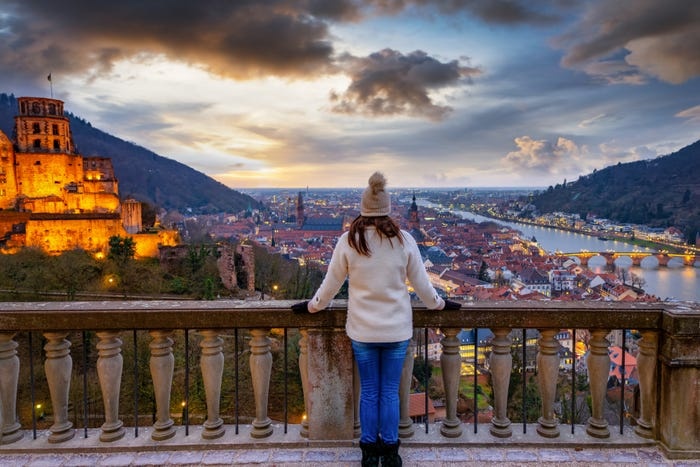
The moment you arrive somewhere like Munich, Heidelberg, or Hamburg, the pace shifts. Things feel organized, yes, but also softer and more intentional. Streets are cleaner, buildings more uniform, and daily life seems to follow a rhythm that doesn’t rush to impress you.
In places like Munich, mornings start with bakeries opening their doors to the smell of fresh bread and coffee. In Heidelberg, you notice how people linger by the river rather than hurry past it. There’s a quiet confidence here. Germany outside Berlin doesn’t try to prove itself. It simply exists, and you’re invited to step into that rhythm rather than chase it.
The Social Scene Beyond the Capital
Germany’s social life outside Berlin has its own flavor, and it often feels more personal. Instead of massive clubs and endless nightlife, you find beer gardens, local festivals, and conversations that stretch long into the evening.
Interestingly, even more niche aspects of social culture exist in these quieter regions. Services like Louisa, reflect a different side of urban life in Germany. It’s more discreet, more structured, and often tied to the cultural norms of cities where privacy and professionalism are valued highly.
What stands out most is how people connect. It’s less about constant stimulation and more about meaningful interactions, whether over a shared table or during a long walk through town.
Small Towns That Feel Like Storybooks
One of the biggest rewards of skipping Berlin is discovering Germany’s smaller towns. These places look like they’ve been pulled straight out of a fairy tale, but they’re very real and very lived in.
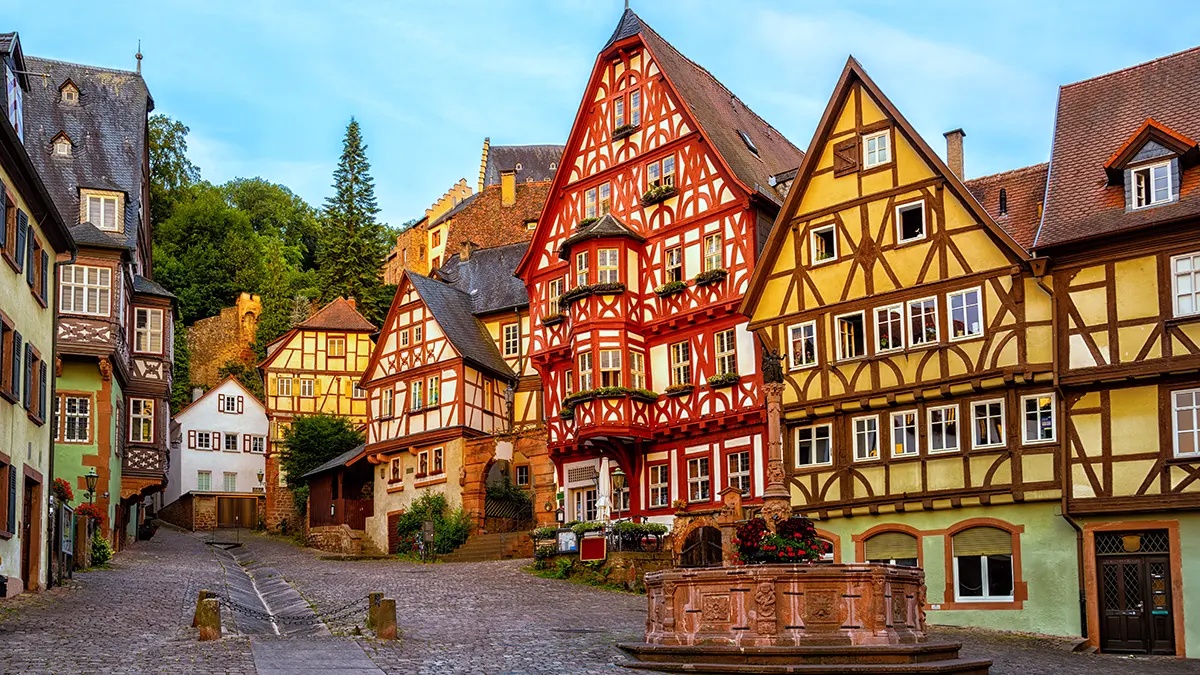
Take Rothenburg ob der Tauber, for example. Cobblestone streets, half-timbered houses, and a sense that time slowed down centuries ago. Or Bamberg, with its canals and historic charm that feels both intimate and grand at the same time.
What makes these towns special isn’t just how they look. It’s how they feel. People greet you, shopkeepers take their time, and there’s a sense of continuity that’s hard to find in bigger cities. It’s not staged. It’s just everyday life.
Nature That Steals the Show
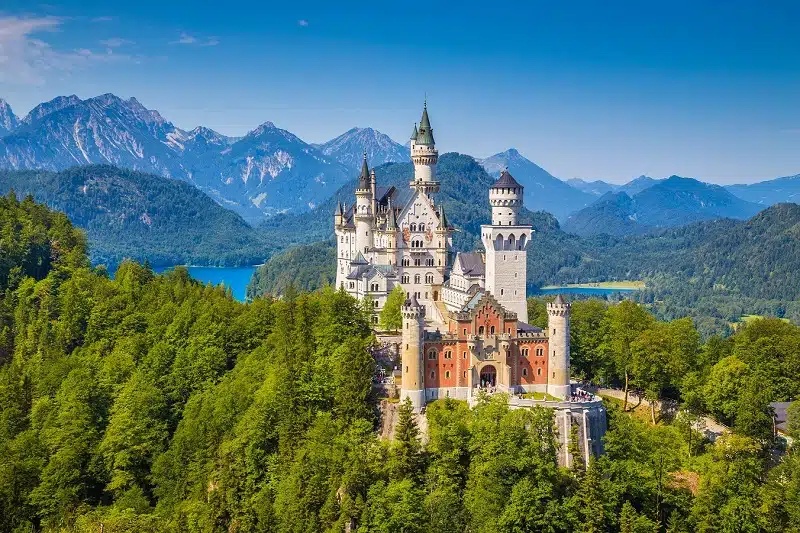
Germany’s landscapes don’t always get the attention they deserve, especially when Berlin tends to dominate travel conversations. But once you step outside the capital, nature becomes a central part of the experience.
The Bavarian Alps offer dramatic mountain views, crystal-clear lakes, and hiking trails that feel endless. The Black Forest brings dense woods, misty mornings, and that slightly mysterious atmosphere that inspired so many legends.
Even in northern regions, you’ll find windswept coastlines and quiet beaches that feel almost untouched. Nature here isn’t something you visit once. It becomes part of your daily rhythm, whether you’re cycling through the countryside or just taking a slow walk after dinner.
Food That Feels Regional and Real
Berlin’s food scene is diverse and international, but outside the capital, German cuisine becomes more rooted and regional. Each area has its own specialties, and they’re often tied to local traditions that go back generations.
In Bavaria, you’ll find hearty dishes like schnitzel, pretzels, and rich gravies that feel comforting and satisfying. In the Rhineland, things get a bit lighter, with influences that reflect trade and history along the river.
What’s interesting is how meals are experienced. It’s not just about eating quickly and moving on. People sit, talk, and take their time. Food becomes part of the social fabric rather than just a necessity, and that changes how you experience it.
Cities That Balance Old and New
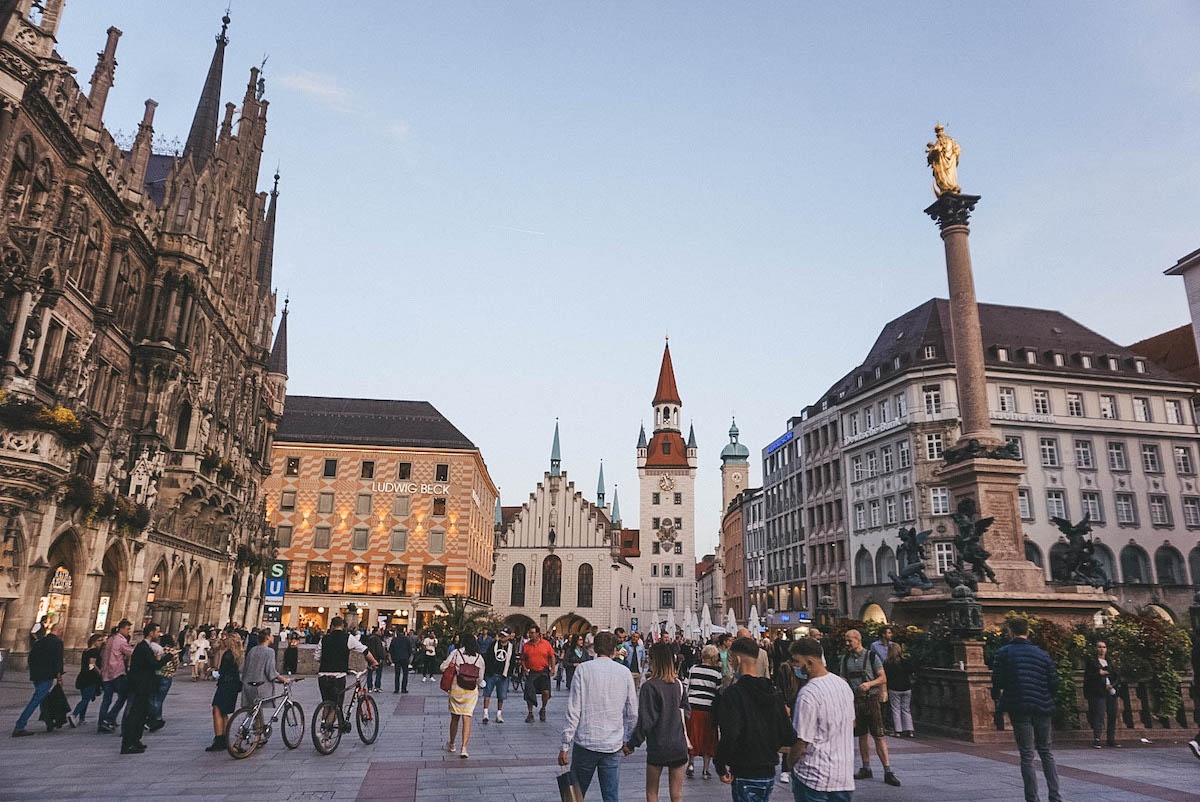
Germany’s non-Berlin cities have mastered something subtle but impressive. They blend history and modern life without making it feel forced. You don’t get the same edgy contrasts as Berlin, but you do get harmony.
Hamburg, for example, feels both industrial and elegant. Its port defines its identity, yet its neighborhoods feel polished and livable. Munich balances tradition with modern business, where lederhosen and tech startups coexist without contradiction.
Even smaller cities manage this balance. You’ll walk past centuries-old buildings and then step into a sleek café that feels completely contemporary. It’s not about reinvention. It’s about evolution, and it feels natural.
A Slower, More Grounded Energy
One thing that becomes clear quickly is that life outside Berlin moves at a different pace. It’s not slow in a boring way. It’s slow in a way that feels intentional and grounded.
Shops close earlier. Sundays are quieter. People seem more present in what they’re doing. There’s less pressure to constantly be part of something big or exciting.
At first, this can feel unfamiliar, especially if you’re used to high-energy cities. But after a while, it becomes refreshing. You start noticing details you would normally miss. Conversations feel more focused, and even simple routines take on more meaning.
Cultural Traditions That Still Matter
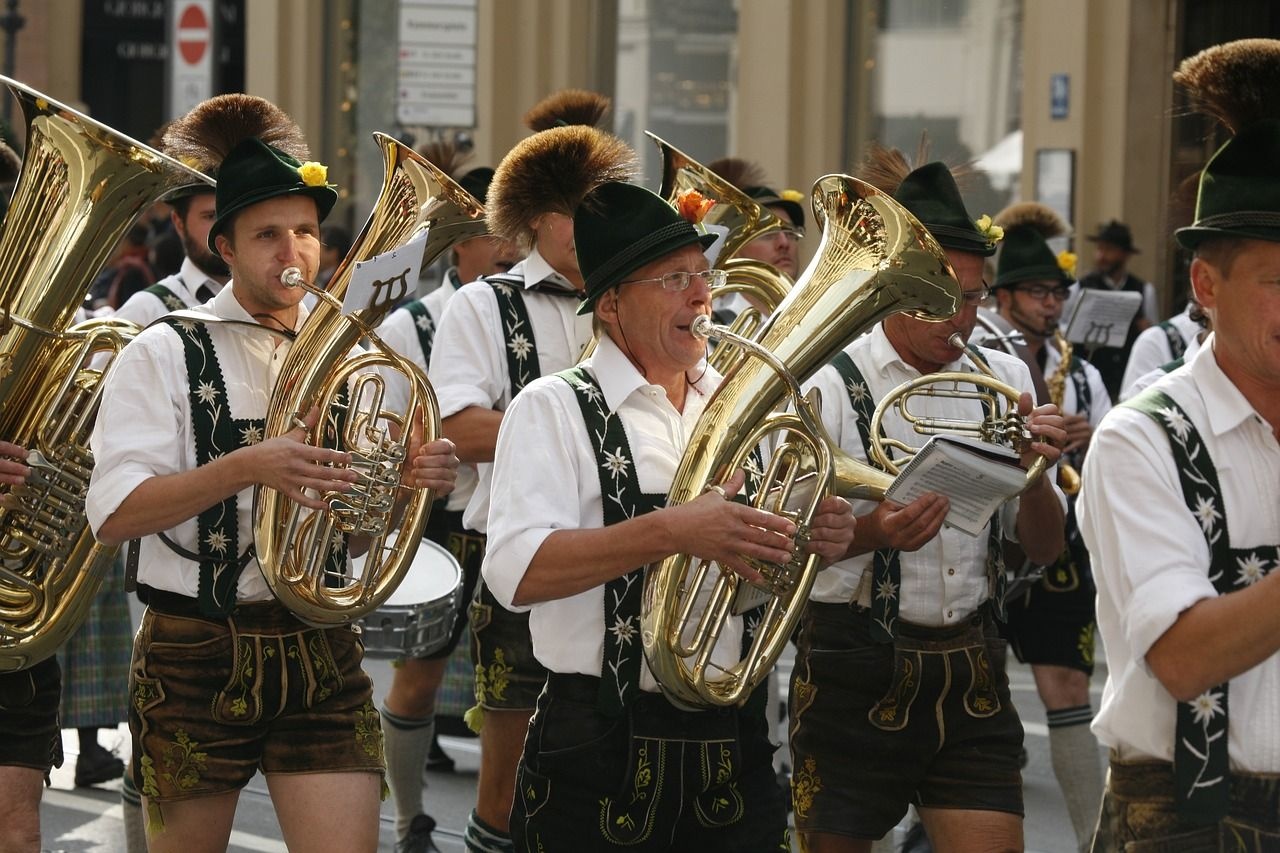
Germany’s cultural traditions are much more visible outside Berlin. Festivals, customs, and local rituals aren’t just for tourists. They’re part of everyday life.
Events like Oktoberfest in Munich or smaller regional festivals show how deeply rooted these traditions are. People dress in traditional clothing, not as a performance, but as a genuine expression of identity.
Even beyond festivals, you see it in daily habits. The way people greet each other, the importance of punctuality, and the respect for structure all reflect a culture that values continuity. It doesn’t feel outdated. It feels consistent and reassuring.
Why Skipping Berlin Can Be the Best Decision
Choosing to skip Berlin isn’t about rejecting it. It’s about opening yourself up to a different version of Germany. One that feels more balanced, more connected to its roots, and in many ways more authentic.
You trade constant noise for clarity. You swap endless options for deeper experiences. And instead of trying to keep up with a fast-moving city, you find yourself settling into a rhythm that actually feels sustainable.
Germany outside Berlin doesn’t try to overwhelm you. It gives you space. And in that space, you start to see the country in a way that’s richer, more layered, and surprisingly more memorable than you might expect.