

A bad plumbing hire can get expensive fast. One rushed decision can leave you with a bigger leak, a damaged wall, a surprise bill, or a repair that fails a week later.
Good local plumbers are out there, of course, but finding one takes more than typing a few words into a search bar and picking the first name that pops up.
A smart hiring process is usually pretty simple. Ask better questions, watch for a few warning signs, and slow down long enough to check what you are paying for.
Start With the Job, Not the Company
Before calling anyone, get clear on what kind of plumbing problem you actually have. A homeowner dealing with a dripping faucet needs a very different kind of visit than someone with a sewer backup, a water heater failure, or low water pressure across the whole house.
A short job summary helps more than most people realize. Write down:
- What is happening
- When it started
- Whether the issue is constant or occasional
- Which fixtures are affected
- Any recent repairs or remodeling work nearby
- Whether water must be shut off to control it
For example, “Kitchen sink leaks only when dishwasher drains” gives a plumber more useful direction than “sink problem.” Specific details lead to better quotes, better scheduling, and fewer wrong assumptions.
Why Local Matters
Hiring local plumbers is not only about convenience. A plumber based nearby usually knows the housing stock in your area, common pipe materials, pressure issues, drain layouts, and permit habits.
Someone who works in older neighborhoods all the time may already know what galvanized lines, aging shutoff valves, or tree-root sewer problems tend to look like in your part of town.
A nearby plumber may also be easier to reach for follow-up work. That matters when a repair needs adjustment, a part arrives late, or a second visit becomes necessary.
Still, “local” alone does not equal “good.” It only narrows the field.
Check the Basics First
Some people skip verification because the plumber “sounded honest” on the phone. Bad idea. A few boring checks can save a lot of trouble.
What to confirm before booking
| Item to Check | Why It Matters | What You Want to Hear |
| License | Shows legal eligibility where required | Active license information |
| Insurance | Helps protect against damage or accidents | Liability coverage and, if applicable, workers’ comp |
| Business name | Confirms you are hiring a real operation | Full registered business name |
| Scope of work | Prevents vague promises | Clear explanation of what is included |
| Pricing method | Reduces surprise charges | Flat rate, hourly rate, service fee, parts policy |
If a plumber gets irritated when you ask basic business questions, take that as a warning. Professional contractors answer professional questions all the time.
Read Reviews Like a Reporter

Reviews can help, but only if you read them carefully. Do not stare only at the star rating. Look for patterns.
A company with a few mixed reviews may still be solid if complaints are minor and the same tech is praised again and again. On the other hand, a five-star profile full of vague one-line comments can tell you almost nothing.
Look for details like:
- Whether the plumber arrived on time
- Whether the final bill matched the estimate
- Whether the problem stayed fixed
- How the company handled callbacks
- Whether the reviewer mentioned pressure tactics or upselling
One useful trick: focus on reviews describing the same kind of job you need. A crew that does excellent water heater replacements may not be the best fit for tricky leak detection inside a slab or wall.
Ask Better Questions on the Phone

A short phone call can reveal a lot. Some companies answer clearly and directly. Others dance around every practical question. You want the first group.
Good questions to ask
- Have you handled problems like mine before?
- Do you charge a diagnostic fee?
- Is pricing hourly, flat-rate, or a mix?
- Will you give a written estimate before work starts?
- Who will actually come to my house?
- Are permits ever needed for a job like mine?
- What happens if the repair turns into a bigger issue?
Notice how they answer, not only what they say. A calm, straightforward answer usually means an organized business. Confusing or slippery answers often lead to confusing or slippery billing.
Watch for Pricing Traps
Plumbing prices can vary for legitimate reasons. Emergency calls, after-hours work, access difficulty, wall opening, replacement parts, and code-related upgrades all affect cost. Even so, vague pricing is where many homeowners get burned.
Common pricing problems
- A very low quote used to get through the door
- No mention of service call fees
- Labor quoted without parts
- Verbal estimates with no written record
- “We will know once we start” used too early in the process
A useful estimate should explain what is known, what is uncertain, and what could change the price. For example, clearing a simple drain clog is one thing. Clearing a clog and discovering a broken line is another. Good plumbers explain that difference before the wrench comes out.
Compare Quotes Without Getting Lost

Do not compare only the final number. Compare the structure of the quote.
Here is a simple way to line up options:
| Plumber | Diagnostic Fee | Labor Model | Parts Included | Warranty Mentioned | Earliest Availability |
| Company A | $79 | Flat rate | Yes | 1 year | Same day |
| Company B | $0 | Hourly | No | Not listed | Next morning |
| Company C | $125 | Flat rate | Yes | 90 days | 2 days |
A cheaper quote is not always cheaper in real life. If one plumber charges less up front but adds parts, disposal, access work, and overtime later, your bargain can disappear pretty quickly.
Pay Attention to How They Handle Your Home
Plumbing skill matters. So does care. A good plumber should act like someone working inside a lived-in home, not a demolition site.
Green flags during the visit
- Shoe covers or reasonable effort to keep floors clean
- Clear explanation before touching anything major
- Photos or a live look at the problem when possible
- Written approval before extra work
- Clean-up after the repair
A plumber who respects your space often runs a tighter job overall. Not always, sure, but often enough to matter.
Know the Red Flags
Some warning signs are obvious. Others are easy to excuse in the moment because you just want water running again.
Walk away if you notice:
- Pressure to decide immediately
- Refusal to explain charges
- No written estimate for a sizable repair
- Cash-only demand without paperwork
- Scare tactics about “catastrophic damage” before proper inspection
- Unmarked vehicle combined with unclear business identity
- Big repair recommendations without showing any evidence
Fear is expensive. Once a contractor senses panic, the conversation can tilt hard in the wrong direction.
Emergency Hire Versus Planned Hire
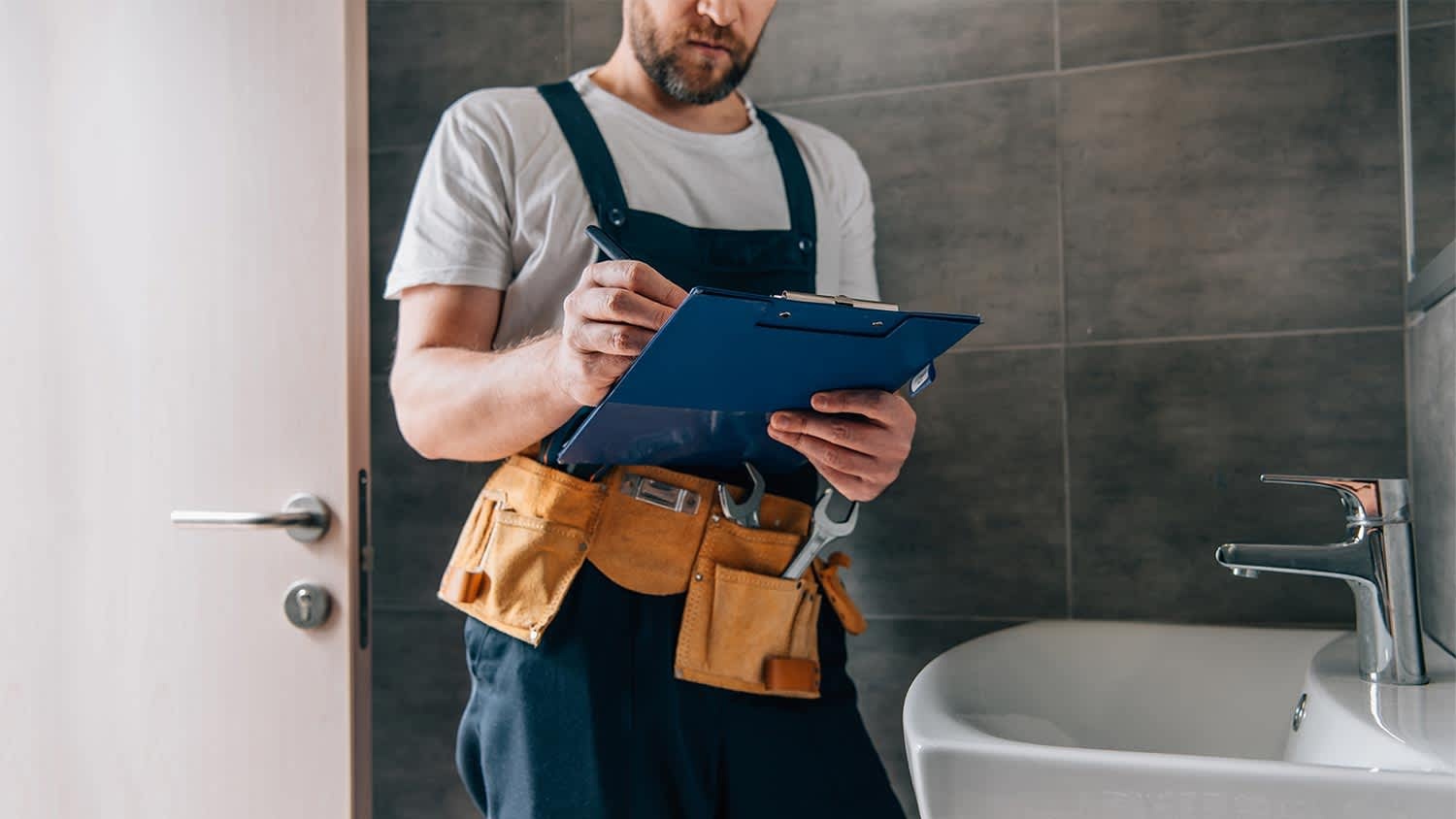
Emergency plumbing calls are messy by nature. Pipes burst at night. Toilets overflow before guests arrive. Water heaters quit on cold mornings. In an emergency, you may not get the luxury of a long comparison process.
Even then, stick to a stripped-down version of due diligence:
- Confirm license and insurance
- Ask for arrival window
- Ask how emergency pricing works
- Ask whether temporary stabilization is possible before full repair
- Get the estimate in writing once the issue is diagnosed
For non-emergency work, slow down and get at least two quotes. A one-day pause can save hundreds.
Get the Warranty in Writing
Any repair can fail. Parts can be defective. Old systems can behave unpredictably. What matters is whether the plumber stands behind the work.
Ask what is covered, for how long, and whether labor is included if the same issue returns. A verbal “we take care of our customers” sounds nice, but written warranty terms are better.
Final Thoughts
Hiring a local plumber without making costly mistakes usually comes down to one habit: do not let urgency wipe out judgment. Check the basics. Ask direct questions. Compare quotes carefully. Pay attention to how the company communicates before, during, and after the job.
Plumbing problems are stressful enough already. A careful hire gives you one less problem to deal with.