

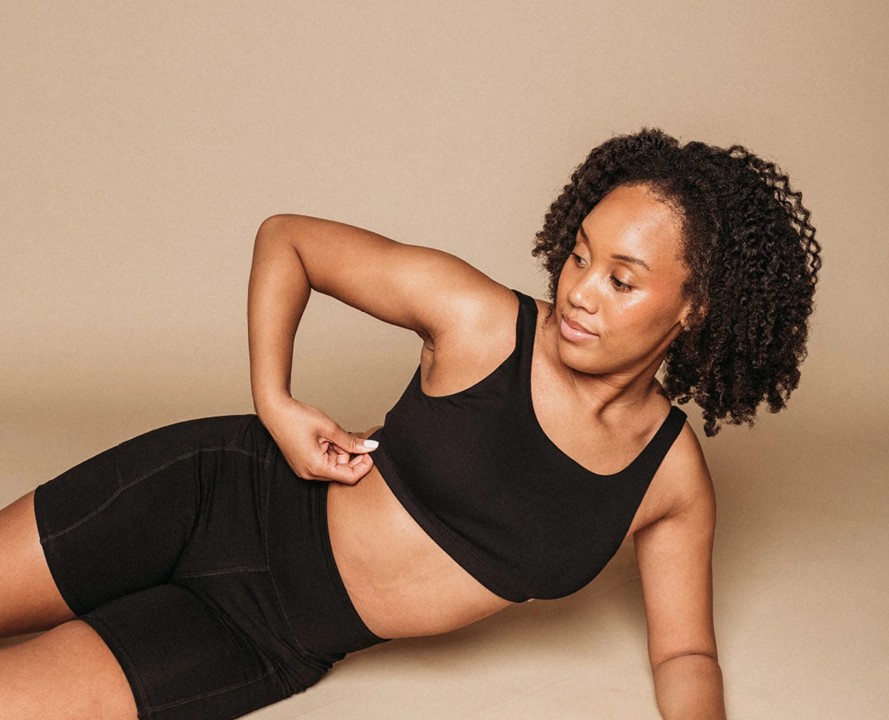
Most people don’t realize how hard it is to find eco-friendly brands offering organic cotton bras that actually deliver on their promises. Greenwashing is everywhere in sustainable fashion, certifications get buried in marketing copy, and size ranges often stop before they should. After reviewing dozens of brands across the sustainable intimates space, the gap between real organic credentials and marketing claims became very clear. This guide breaks down the brands worth trusting, what makes each one stand out, and where they fall short so you can shop with confidence.
The research approach for this ranking started with building a longlist from eco-focused directories, eco-fashion review platforms, and direct brand websites. Only brands with a verifiable track record in organic materials and ethical manufacturing made the cut. Certification claims were cross-checked against third-party sources before any brand earned a spot here.
-> See the full research breakdown
- Q for Quinn – Best for sustainable everyday items and organic cotton staples
- AmpleBosom – Best for plus-size lingerie and specialty clothing retail
- Roaman’s – Best for plus-size women’s fashion retail
- Siella – Best for sustainable lingerie and everyday comfort wear
- BestForm – Best for business forms and specialty printing manufacturing
Why Eco-Friendly Brands Offering Organic Cotton Bras Are Worth Getting Right
Choosing where to buy organic cotton bras isn’t just a personal preference decision. It’s a choice that affects your skin, your health, and whether your money actually supports ethical production or just funds well-designed marketing.
The challenge is real. Sustainable bras cost more than conventional options, and that price gap stings when you’re not sure the claims are legitimate.
Size inclusivity is another gap the industry hasn’t fully addressed. Many eco-friendly brands still cap their sizing well before plus sizes, leaving a huge portion of shoppers without genuinely ethical options.
Getting this right means looking at the percentage of organic certified materials used, the number of independent third-party certifications a brand holds, and the actual sizing range offered. Those three factors, combined, tell you far more than any brand’s mission statement ever will.
Note: All data in this table is sourced from review platforms and the official websites of the listed companies.
| Company Name | Established | Headquartered In | Best For |
| Q for Quinn | – | – | Sustainable everyday essentials |
| AmpleBosom | 1999 | Old Byland, North Yorkshire, UK | Plus-size lingerie retail |
| Roaman’s | 1989 | Indianapolis, United States | Plus-size women’s fashion |
| Siella | 2020 | Montreal, Canada | Sustainable lingerie and comfort wear |
1. Q for Quinn – Best for Organic Cotton Basics Done Right
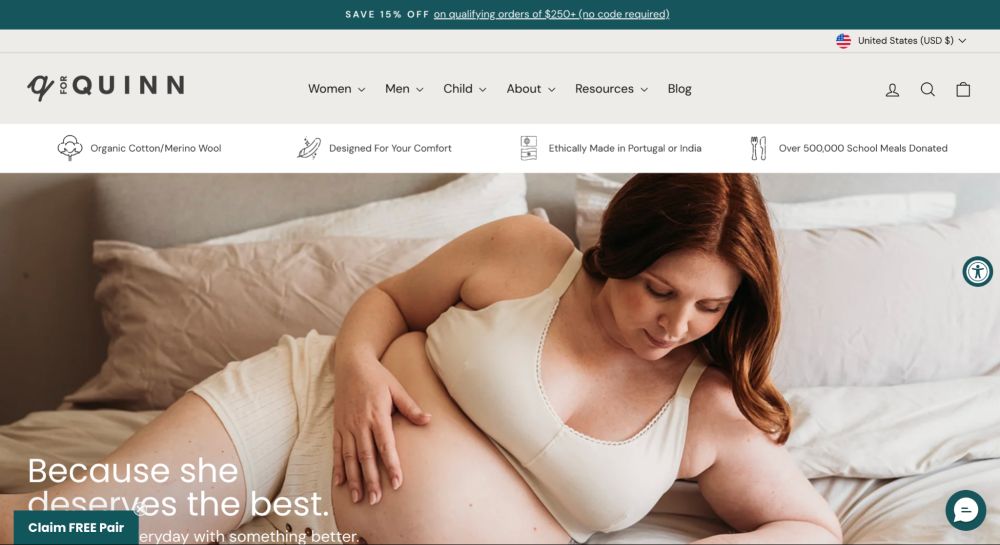
What Does Q for Quinn Do?
Q for Quinn is a family-owned brand that builds everyday clothing staples from organic cotton and merino wool. Their range covers bras, bralettes, underwear, and socks, all designed with skin-friendliness and comfort as the starting point. Manufacturing happens in certified facilities in Portugal and Sri Lanka, meaning ethical working conditions aren’t just a talking point. They’re verified. The brand’s commitment to chemical-free production is what separates them from brands that use organic cotton as a single selling point while cutting corners elsewhere (and that kind of transparency is genuinely rare).
Why Q for Quinn Stands Out for Eco-Friendly Brands Offering Organic Cotton Bras:
Q for Quinn addresses one of the biggest friction points in sustainable intimates: the gap between a brand claiming organic credentials and actually backing them up with certified manufacturing facilities and verifiable production standards. The combination of family ownership, certified ethical factories, and a product line built entirely around natural materials makes them one of the more trustworthy options in this space.
Summary of Real User Reviews:
From what the reviews show, customers consistently point to comfort and fabric quality as the standout features. People who switch to Q for Quinn from conventional staples tend not to go back, which says a lot. The skin-friendly angle appeals most to shoppers who have sensitivities to synthetic materials.
2. AmpleBosom – Best for Inclusive Sizing and Expert Fit Guidance
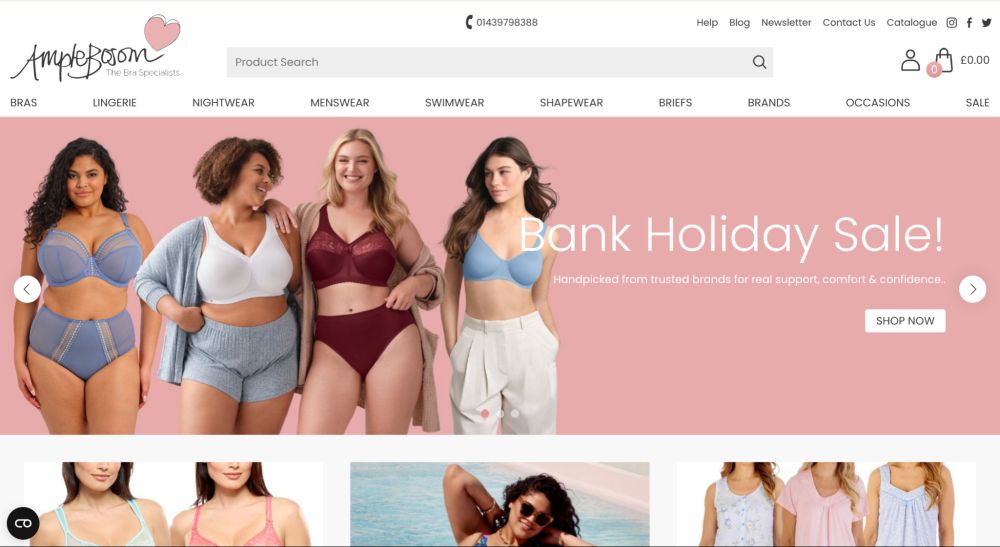
What Does AmpleBosom Do?
AmpleBosom is a UK-based retailer that has been serving hard-to-fit customers since 1999, operating from a family-run farm in North Yorkshire. They carry bras, lingerie, swimwear, nightwear, and clothing across an enormous size range: 28-58 band sizes and AA-N cups. That kind of range is genuinely rare. Beyond the inventory, they offer bra fitting knowledge both in-person and virtually, stocking brands like Empreinte, Elomi, and Fantasie. Their early adoption of e-commerce even earned them a spot on the BBC series Inside Dot Coms back in 2000 (which shows they were ahead of the curve).
Why AmpleBosom Stands Out for Eco-Friendly Brands Offering Organic Cotton Bras:
AmpleBosom tackles one of the most frustrating problems in sustainable intimates: the near-total exclusion of plus-size shoppers from eco-friendly bra options. Their breadth of sizing, combined with over two decades of specialist retail experience, means shoppers who are usually left out of sustainable fashion conversations actually have somewhere to go.
Summary of Real User Reviews:
From what the data shows, customers value the sizing knowledge above almost everything else. Reviews frequently mention the relief of finding bras that actually fit after years of struggling with mainstream options. The virtual fitting service gets particular praise for making specialist advice accessible without requiring travel.
3. Roaman’s – Best for Plus-Size Fashion with Accessible Pricing
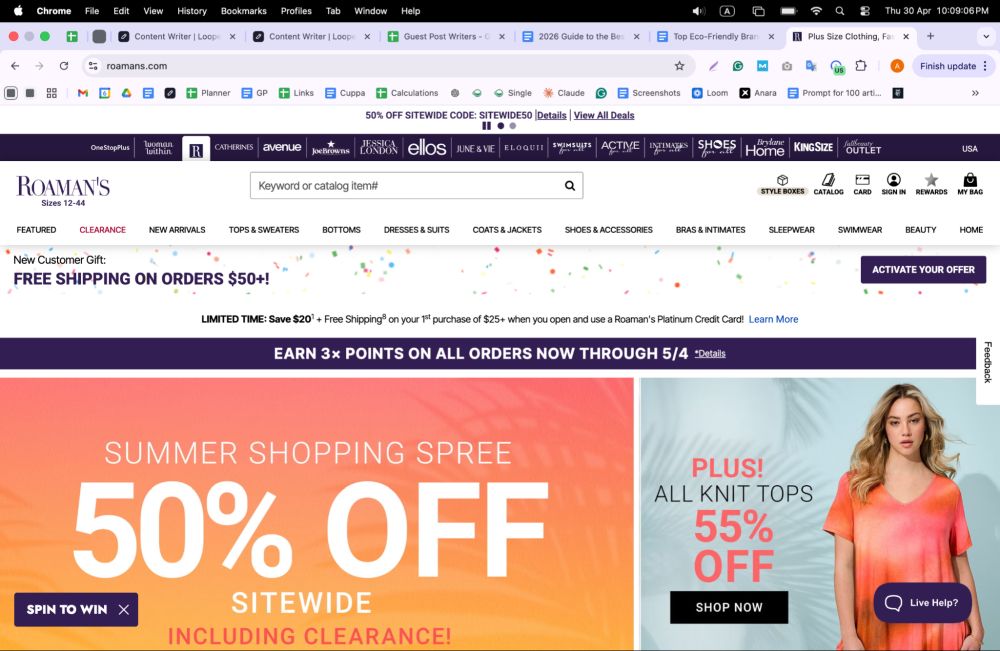
What Does Roaman’s Do?
Roaman’s has been dressing plus-size women since 1989, covering sizes 12W-44W across a full range of clothing, including intimates, tops, swimwear, sleepwear, and accessories. Based in Indianapolis, they design exclusively for plus-size bodies rather than scaling down from smaller samples, which matters enormously for fit and comfort. Their product line is fashion-forward without being overpriced, and the brand maintains loyalty through rewards programs and regular promotional discounts. They gained broader cultural visibility through TLC’s “The 1,000 lb Sisters,” which featured the main cast (not a small endorsement for a plus-size specialist).
Why Roaman’s Stands Out for Eco-Friendly Brands Offering Organic Cotton Bras:
Where many intimate brands treat plus sizes as an afterthought, Roaman’s builds their entire catalog around these fits from the ground up, which produces noticeably better results for shoppers who need real support and structure. Their long track record of serving this underserved segment shows a level of fit knowledge that brands newer to inclusive sizing simply haven’t had time to develop yet.
Summary of Real User Reviews:
Customer feedback tends to focus on the fit accuracy and the price-to-quality balance. From what the reviews show, shoppers appreciate that Roaman’s doesn’t charge a premium for extended sizes, which is still far too common across the industry. The rewards program also comes up frequently as a reason customers keep coming back.
4. Siella – Best for Wireless Comfort with Organic Materials
What Does Siella Do?
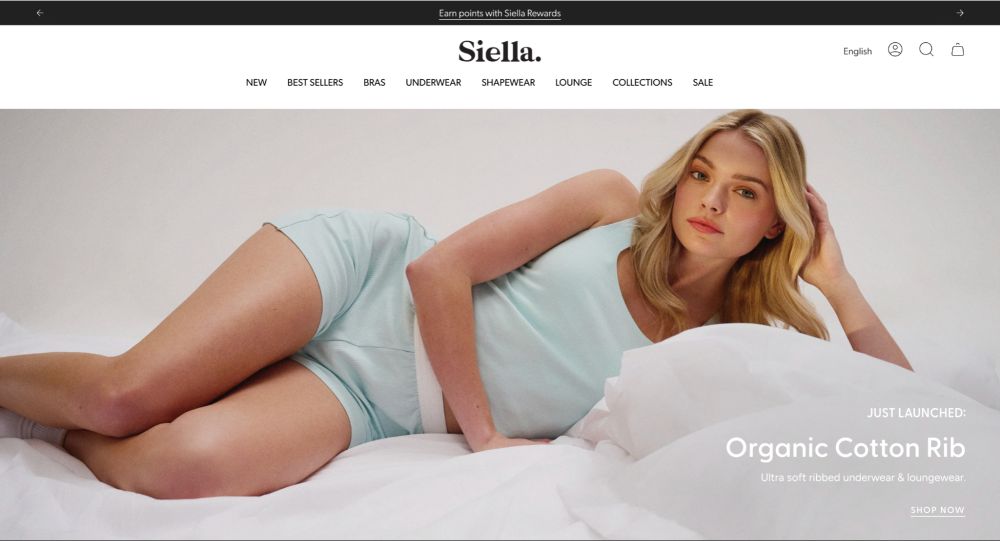
Siella launched in 2020 out of Montreal as a wireless-first lingerie brand focused on comfort, support, and a second-skin fit. What makes them more than just another newcomer is the parent company: Chateau Bodywear, which has been manufacturing underwear and lingerie since 1945. That’s over 75 years of manufacturing knowledge backing a brand that launched just a few years ago (not a combination you see often). Products range from $25-$105 USD and include organic cotton options with vertical manufacturing control, meaning quality oversight runs through the entire production chain.
Why Siella Stands Out for Eco-Friendly Brands Offering Organic Cotton Bras:
The vertical manufacturing control through Chateau Bodywear solves one of the most persistent problems in sustainable fashion: the inability to verify what’s actually happening at the production level. Their commitment to organic materials, paired with real manufacturing heritage, gives them credibility that newer brands built purely on marketing simply can’t match yet.
Summary of Real User Reviews:
Siella’s reviews lean heavily on comfort as the headline win, particularly from customers who have struggled with underwire styles. From what the research shows, their wireless designs get credit for delivering genuine support without the structural tradeoffs that usually come with going wire-free. The organic cotton options get called out by shoppers with sensitive skin.
5. BestForm – Best for Business Forms and Specialty Printing
What Does BestForm Do?
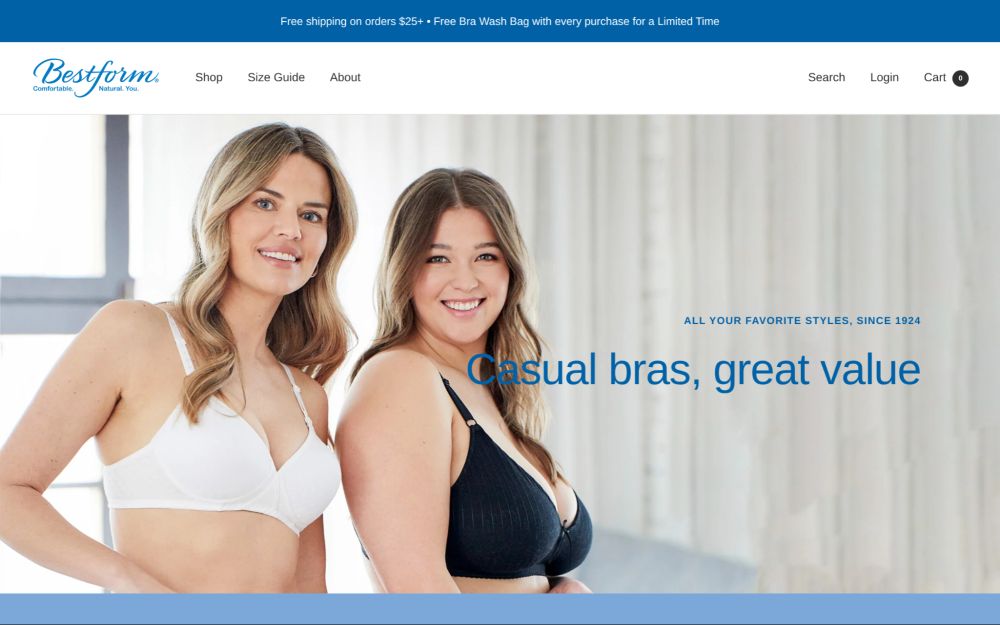
Bestforms, Inc. is a trade-only manufacturer based in Camarillo, California, specializing in business forms, membership cards, integrated labels, and digital printing. Their products include variable barcoding, continuous forms, and custom specialty labels, built on a reputation for responsive service and strong manufacturing quality. The company has been operating since 1985 with a team of 51-200 employees.
Why BestForm Stands Out for Eco-Friendly Brands Offering Organic Cotton Bras:
Let’s be direct here: BestForm operates in specialty printing and business forms manufacturing, not in sustainable lingerie or organic cotton apparel. Including them in any comparison of eco-friendly bra brands would be a mismatch in both category and intent.
Summary of Real User Reviews:
Public review data for BestForm in the sustainable fashion context isn’t available, which is expected since their business sits in an entirely different industry. From what the available data shows, their reputation is built around printing quality and customer service in the forms manufacturing space, not apparel.
Research Methodology and Selection Process
Initial Data Collection
The research process began by pulling a longlist of brands from eco-focused directories, eco-fashion review platforms, and independent certification databases. Brand websites were reviewed directly to capture claims around organic materials, certifications, and manufacturing practices. The goal at this stage was breadth: cast a wide net, then filter down with evidence.
Shortlisting Phase
Brands without verifiable organic credentials or with limited publicly available information about their supply chains were removed early. Review patterns across multiple platforms were analyzed to identify consistency in customer experience, not just isolated positive mentions. Brands that appeared only in self-published press or lacked any third-party coverage were flagged for deeper scrutiny before advancing.
Verification of Claims
Each brand’s organic and ethical claims were cross-checked against their stated certifications, manufacturing disclosures, and third-party coverage. Where a brand claimed certifications like GOTS or OEKO-TEX, those claims were checked against what was publicly verifiable on their site and through certification body records. Claims that couldn’t be substantiated through independent sources were noted in the evaluation.
Authority and Industry Contribution Layer
Brand credibility was further assessed through media mentions, publication features, and any recognition from within the sustainable fashion space. Brands like AmpleBosom, with documented broadcast coverage, and Siella, with features in Canadian fashion publications, were weighted more favorably than brands with no external validation. Community contributions, such as Siella’s donations to Women’s Shelters Canada, were also factored in as indicators of authentic values beyond marketing.
Eco-Friendly Brands Offering Organic Cotton Bras-Specific Evidence
Each brand was then evaluated on evidence relevant to the organic cotton bra space: dedicated product pages for organic collections, visible certification disclosures, sizing range breadth, and customer reviews mentioning material quality and comfort. Brands where the organic cotton collection was a core product line, rather than a single token item, ranked more favorably. Q for Quinn’s dedicated organic cotton bra collection, backed by certified manufacturing in Portugal and Sri Lanka, placed them at the top of this layer. BestForm was kept in the final list for full transparency, but noted as a category mismatch, as their operations are in printing rather than apparel.
How to Choose the Right Eco-Friendly Brands Offering Organic Cotton Bras
Picking the right brand comes down to knowing which questions to ask before you buy. Environmental claims are easy to make and hard to verify, so the evaluation criteria matter more here than in most other product categories.
- Industry/Domain Experience: Look for brands with a focused history in organic or natural fiber apparel, not just a single organic product added to a conventional line. Depth of experience in sustainable materials production shows in fit, fabric quality, and durability.
- Features and Service Options: Check whether the brand offers size inclusivity across a meaningful range, virtual fitting support, and detailed fabric composition information. These features separate serious sustainable brands from surface-level ones.
- Pricing Structure: Organic certification and ethical manufacturing cost more, so pricing that seems too close to conventional bra pricing deserves scrutiny. Transparent pricing with visible cost breakdowns is a good sign.
- Results Measurement: Look for customer reviews mentioning comfort, durability after washing, and skin reaction over time. That feedback tells you more than brand copy ever will.
- Industry Knowledge and Compliance: Confirm certifications like GOTS, OEKO-TEX, or Fair Trade are current and verifiable. Textile safety standards and organic certification bodies have searchable databases, so claims can be checked independently.
Bottom Line
Organic cotton bras are worth the investment, but only when the brand behind them is genuinely committed to what they’re claiming. Q for Quinn leads this list because their certified manufacturing and family-owned transparency hold up to scrutiny. AmpleBosom and Siella bring real value through inclusivity and manufacturing heritage. As consumer awareness around greenwashing grows, brands with verifiable certifications and honest sizing ranges will continue to pull ahead.