

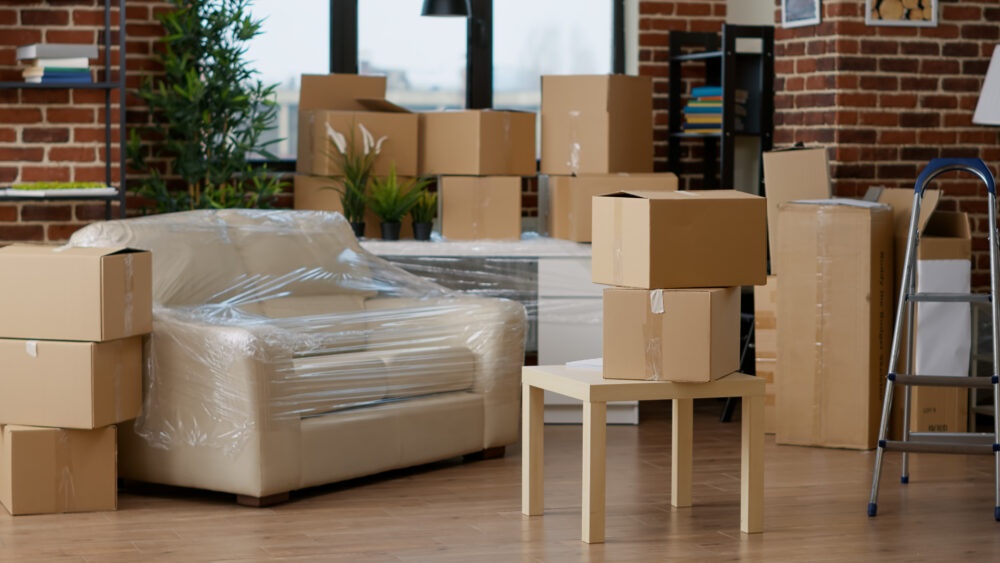
Moving has a way of exposing what people actually care about. Furniture can usually be replaced. Kitchen supplies are easy to repurchase. Sentimental items are different because damage often cannot be undone. Family photos, handwritten letters, childhood keepsakes, and inherited objects carry personal history that matters long after the move is finished.
A lot of people make the mistake of packing sentimental belongings last because they feel “safe enough” but those are usually the items that need the most planning. Paper absorbs moisture quickly. Old tape leaves stains. Fragile frames crack when boxes shift during transport.
Protecting sentimental items is less about expensive supplies and more about slowing down and packing with intention.
Start by separating sentimental items from everything else

Before packing anything, it helps to create one dedicated category for sentimental belongings. Mixing them into general moving boxes creates confusion later and increases the chance of loss or accidental damage.
Many people underestimate how quickly boxes become disorganized during a move. Labeling “miscellaneous bedroom” on five identical boxes is not enough when one contains photo albums from the 1980s.
A simple inventory helps more than people expect. You do not need a spreadsheet unless you want one. A notebook or phone list works fine.
Items worth identifying early usually include:
- Printed photographs
- Family documents
- Jewelry with family history
- Handmade gifts
- Children’s artwork
- Old letters and postcards
- Vintage ornaments
- Memory boxes
Once those items are separated, packing decisions become much easier because you stop treating them like ordinary household objects.
Protect paper items before the move even begins
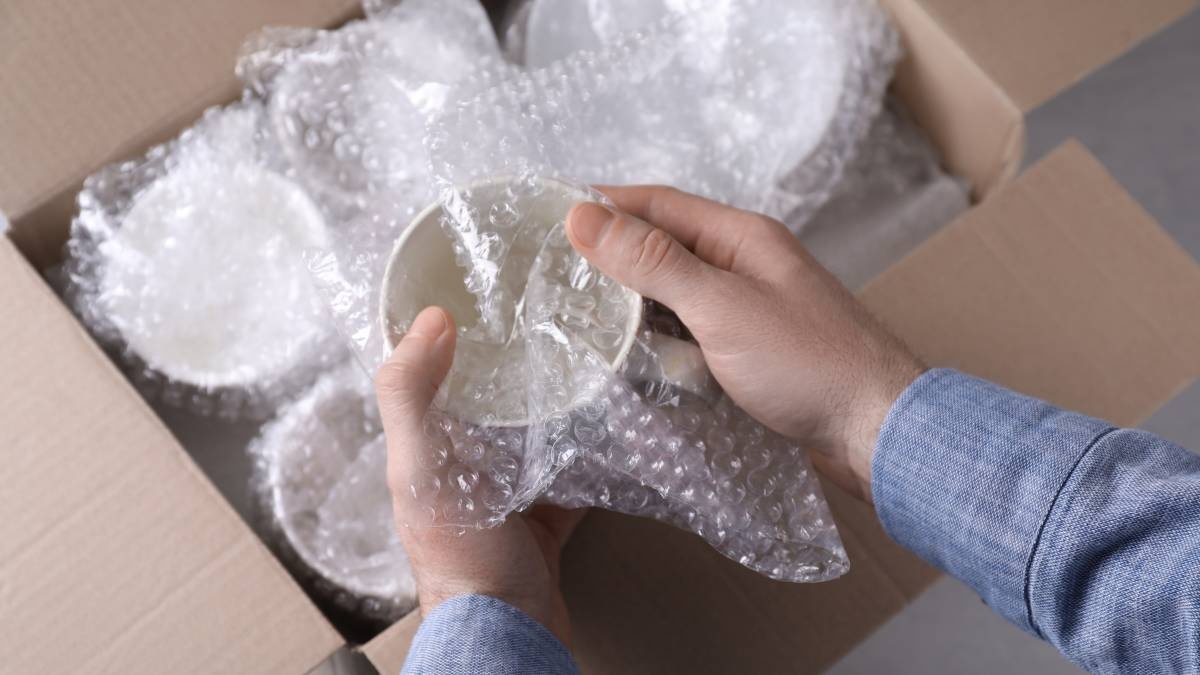
Paper-based keepsakes are often the first sentimental belongings to suffer during a move. Humidity, pressure, folding, and heat can permanently damage photographs and documents in just a few days.
According to preservation guidance from the U.S. National Archives and the Library of Congress, photographs should be stored in cool, dry environments with stable humidity because heat and moisture accelerate deterioration.
That matters during a move because storage units, garages, and moving trucks often become extremely humid.
If you have printed photos or albums, avoid plastic grocery bags, regular cardboard dividers, and rubber bands. Acid free folders and archival boxes are safer for long transport periods. People who need extra guidance on photo storage conditions often find practical tips through WheeKeep, especially when temporary storage becomes part of the moving process.
Important: Old photographs should never be stored tightly against glass or inside damp basements. Both conditions increase sticking, fading, and mold risk.
Do not trust one box with everything important
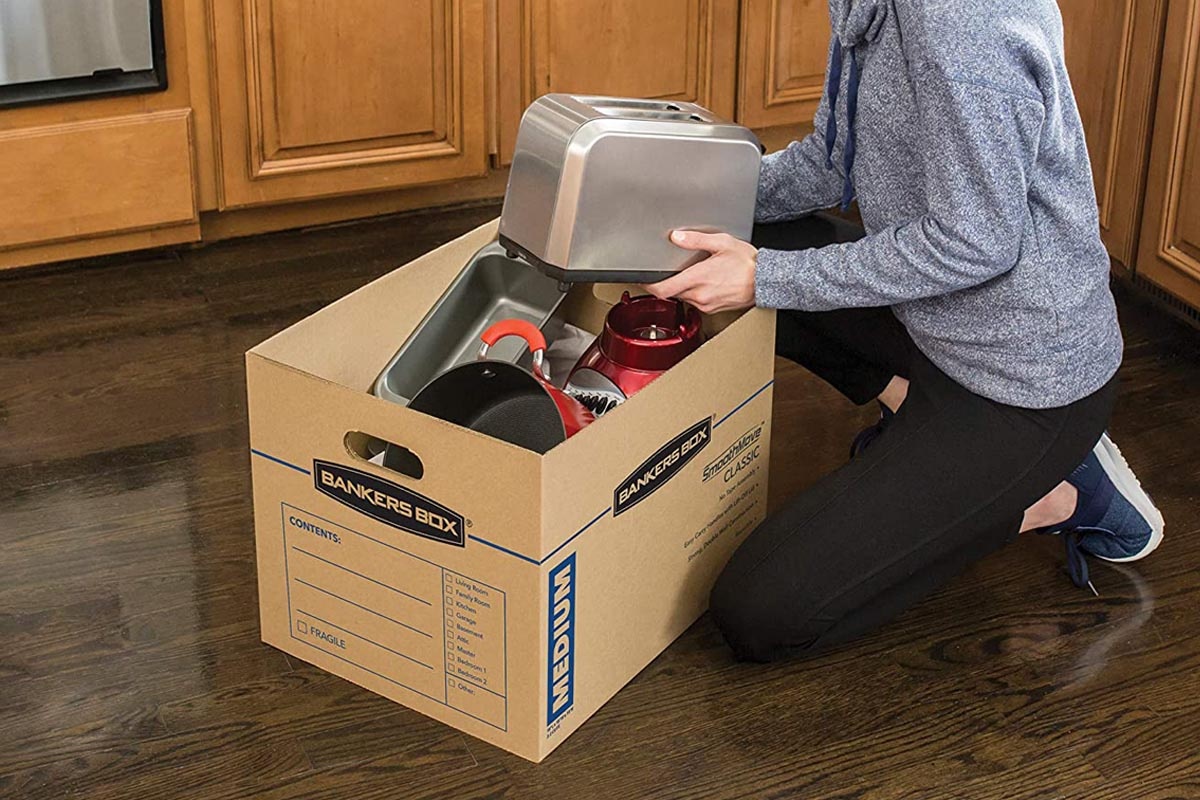
One common moving mistake is creating a single “important memories” box. It sounds organized until that box disappears, gets crushed, or ends up inaccessible for weeks.
Splitting sentimental items into smaller categories lowers the risk. It also makes unpacking less stressful later.
Here is a practical way to divide them:
|
Category |
Better Storage Option |
Why It Helps |
|
Printed photos |
Archival photo box |
Prevents bending and moisture exposure |
|
Jewelry |
Small padded organizer |
Stops tangling and scratching |
|
Letters and documents |
Acid free folders |
Reduces folding and paper transfer |
|
Small heirlooms |
Hard plastic bins with padding |
Better shock protection |
|
Digital memories |
Portable SSD or cloud backup |
Protects against device loss |
The biggest advantage of separation is control. If one container gets delayed, you still have access to other important items.
After organizing, keep the most valuable sentimental belongings with you personally instead of loading them into the moving truck.
Back up digital memories before packing devices
A surprising number of sentimental losses now happen digitally. Phones break during moves. Laptops disappear. External drives fail after being packed loosely in hot trucks.
People often assume cloud storage already protects everything, but many phones are only partially backed up. Before moving day, it helps to confirm what actually exists in cloud storage versus what still lives only on the device.
The Library of Congress also recommends maintaining multiple copies of important digital memories as part of long term preservation practices.
A good backup routine usually includes:
- One cloud backup
- One physical backup drive
- One organized folder system with dates or labels
Do not wait until the night before the move. Large photo libraries can take hours or days to upload fully.
Did you know?
Heat inside moving trucks can damage electronics faster than many people realize. Phones, external drives, and old camcorders should not stay inside parked trucks for extended periods during summer moves.
Handle framed items more carefully than you think
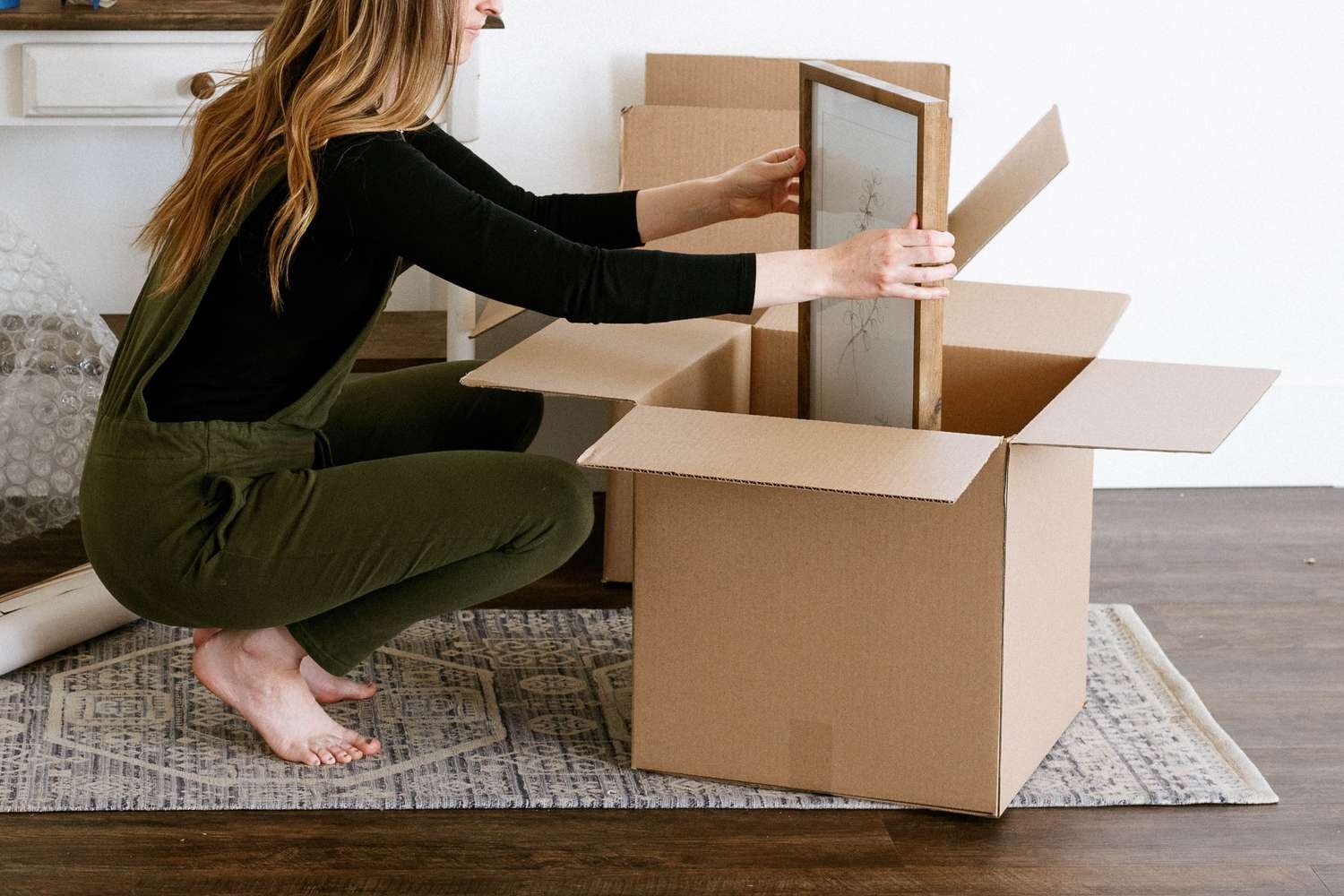
Frames create a false sense of protection. Glass cracks easily during moves, especially when frames are stacked flat on top of each other.
The safer approach is storing framed photos vertically with padding between each piece. Professional movers often use this method because vertical positioning reduces pressure points during transport.
For sentimental frames, it also helps to remove loose glass fragments immediately if damage happens during loading. Leaving broken glass against photographs can scratch surfaces permanently.
A few habits make a noticeable difference:
- Wrap frames individually
- Use painter’s tape lightly across glass in an X pattern
- Avoid newspaper directly against photos or artwork
- Keep framed pieces upright, never flat stacked
- Label boxes clearly as fragile
According to preservation guidance from the National Archives, fingerprints and rough handling can also permanently mark older photographs.
Small handling mistakes matter more with aging materials.
Pay attention to temperature and humidity during storage
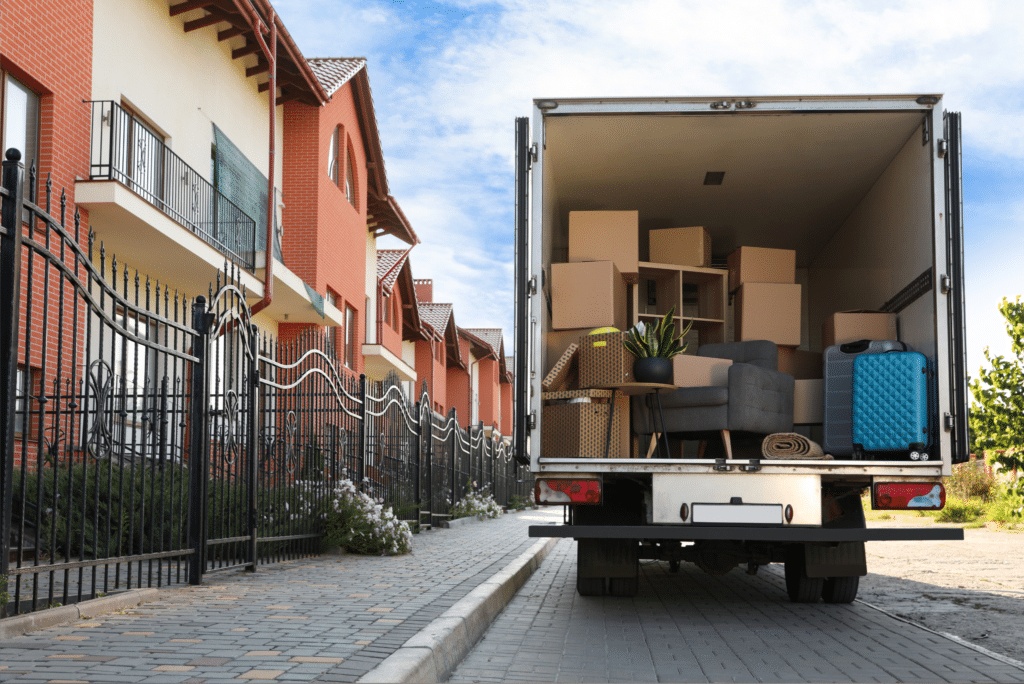
Temporary storage becomes part of many moves, especially long distance relocations. Unfortunately, storage conditions are often overlooked until damage already appears.
Paper, film, photographs, and fabric based keepsakes react badly to fluctuating humidity. Mold growth, sticking, fading, and brittleness become much more likely in unstable environments.
The National Archives recommends keeping humidity below 65 percent for family archives, while the Library of Congress recommends cool, stable environments with moderate humidity levels.
That means certain places are risky for sentimental storage:
- Attics with extreme heat
- Damp basements
- Non climate controlled garages
- Outdoor sheds
- Storage units without ventilation
A climate controlled unit costs more, but it often prevents irreversible damage.
If something truly matters to your family history, stable conditions are worth paying for, even temporarily.
Keep emotional decisions separate from moving stress
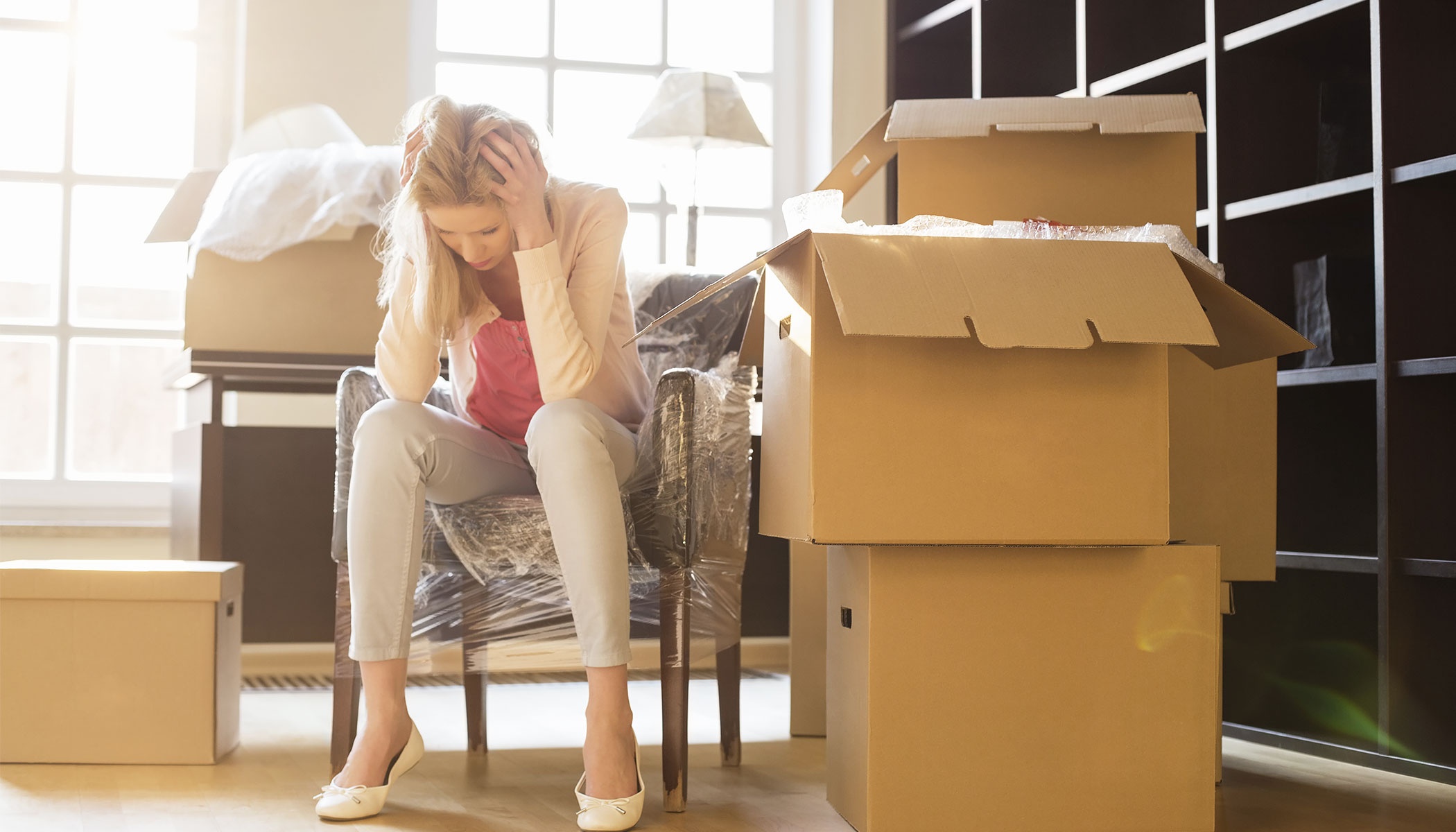
People make rushed decisions during moves because they are tired, overwhelmed, and trying to reduce clutter quickly.
That pressure leads to accidental regret. Old birthday cards get thrown away with junk mail. Family recipes disappear inside donation piles. Children’s drawings get crushed because nobody packed them intentionally.
A better approach is deciding ahead of time what deserves long term protection. That does not mean keeping everything.
It means slowing down enough to recognize what would genuinely hurt to lose.
Sometimes the best solution is digitizing fragile originals while keeping only the most meaningful physical copies. Sometimes it means giving certain items to relatives instead of storing them indefinitely.
The point is making those choices calmly, not at midnight while surrounded by half packed boxes.
Final thoughts
Protecting sentimental items during a move is mostly about preparation and pacing. Expensive packing materials help, but careful handling matters more.
People usually regret the things they rushed. They rarely regret taking extra time to organize old photographs properly or wrapping a fragile keepsake carefully.
Moves already involve enough uncertainty. Sentimental belongings deserve a slower process because many of them cannot truly be replaced once damaged or lost.
Even small habits, like labeling clearly, backing up digital files, or avoiding damp storage conditions, reduce problems significantly. Most sentimental damage happens through preventable mistakes, not major disasters.