

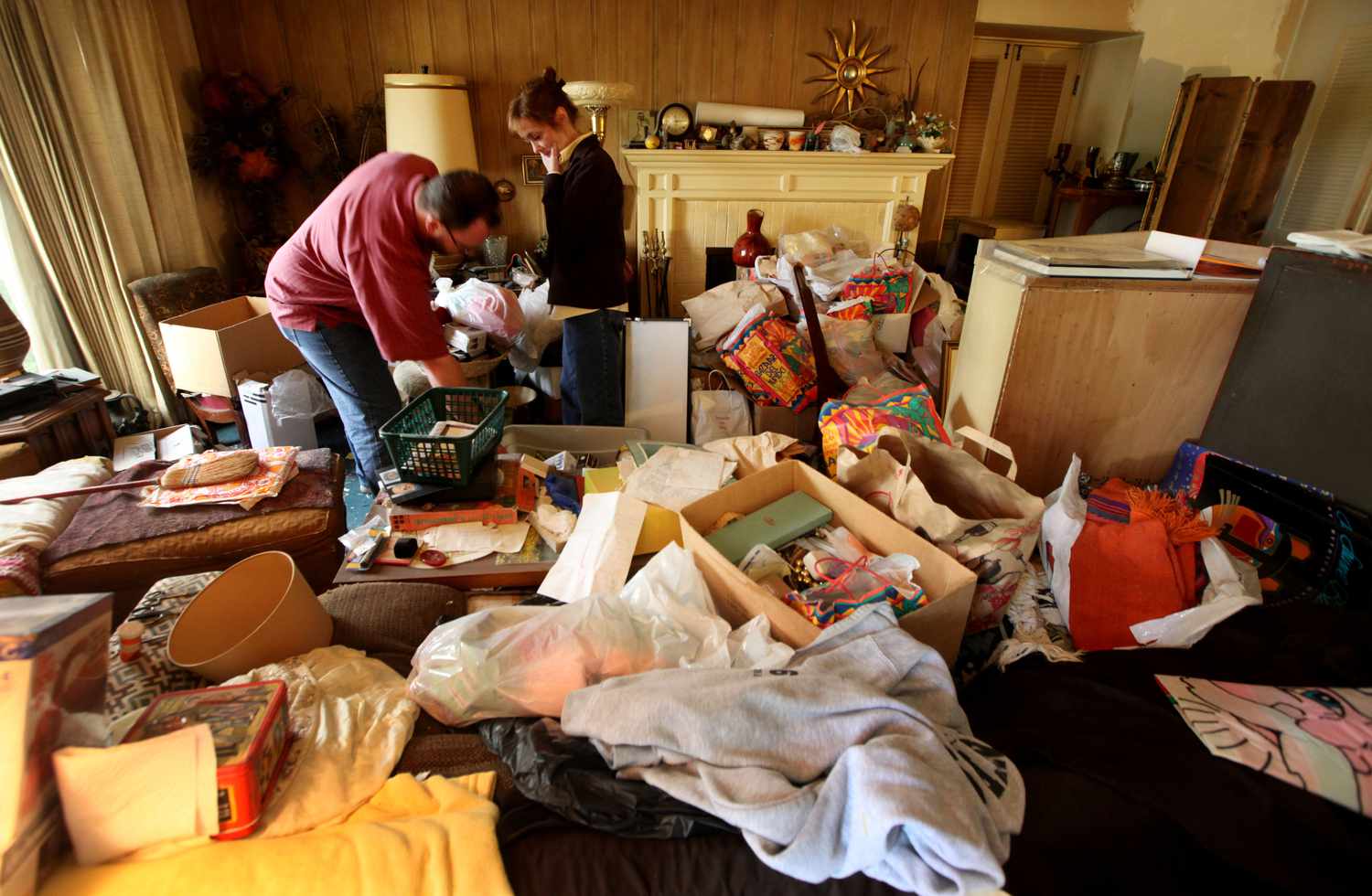
Cleaning up a hoard is a complex and emotional undertaking. It’s not a simple project or cleaning the house. To the resident of the house, each piece of hoarded clutter is important or will be valuable in the future.
In fact, making someone toss out their things can quickly create deep distress and destroy family dynamics. The cleanings are a delicate combination of human understanding and efficient muscle work.
Understanding the Emotional Attachment
Excessive clutter is not usually the result of laziness or disorganisation. Often, it is linked to complex emotional issues. Objects are physical talismans for anxiety or trauma. Attempts by family members to suddenly clean house can result in intense rage and panic.
Finding professional help for those grappling with hoarding disorder is the safest and most effective approach. Professional services know how to speak soothingly and establish the necessary rapport before taking one box to the curb.
Dealing with Hazardous Living Conditions
Hoarding has tremendous physical risks as well as emotional consequences. Piles of boxes can topple and block necessary escape routes. Older layers of accumulated junk might cover up problems such as toxic black mold, water damage, or even rats and mice.
Normal family members do not have the proper safety equipment to handle these toxic environments safely. Skilled removal crews have protective equipment and know how to safely remove damaged appliances and sharp objects without further damaging the actual home.
Sorting Items with Patience and Care
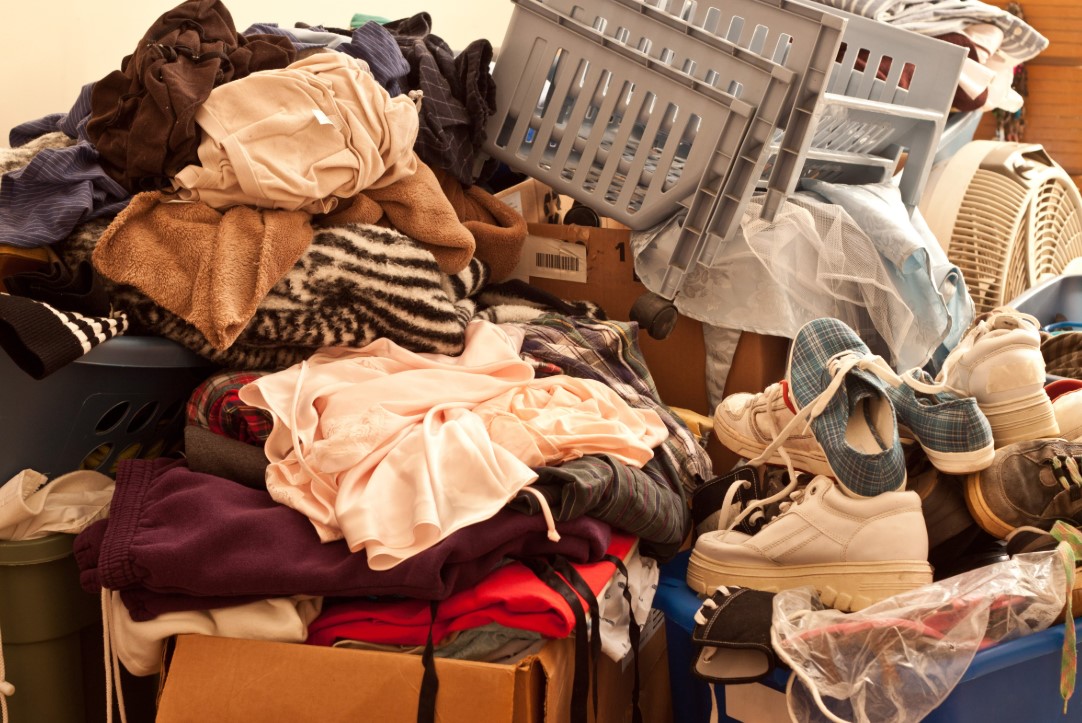
The typical junk removal service includes throwing all the stuff into a large trash heap. A delicate cleanout is entirely different and extremely systematic. Our specialists have the time to methodically comb through overwhelming piles of paper and clothing.
They search for vital missing paperwork, family photos, or even gold necklaces that may be sitting in the trash. This respectful and time-consuming sorting process assures the homeowner that their life is being given dignity rather than just being thrown away as pure junk.
Ensuring Eco-Friendly Disposal Options
A huge concern for an individual who wants to keep their personal belongings out of their home is the prospect of a “landfill funeral”. They hang onto items because they think they have a purpose. When personal hauling services are used, this weighty concern is alleviated by the promise of an eco friendly disposal process.
Teams work to sort through usable furniture and broken but still functional appliances to donate to charities. They also recycle worn out electronics and countless boxes of paper. The knowledge that their property will be put to new use allows people to finally move on.
Building a Support Plan After the Initial Cleanout
A successful hoarding cleanout does not end when the last truck leaves the driveway. For many households the harder part begins afterward. Empty space can feel calming, but it can also feel frightening and unfamiliar.
A resident who has lived among heavy clutter for years may suddenly feel exposed, guilty, or deeply unsettled by the change. That is why lasting progress often depends on what happens next, not only on what gets removed.
A thoughtful support plan can make the difference between a temporary improvement and a real turning point. In many cases that means involving therapists, social workers, case managers, or trusted relatives who know how to provide steady encouragement without slipping into judgment. Small routines often help more than dramatic promises. Simple habits such as clearing one surface each evening, creating a designated place for mail, or setting limits on what comes into the home can gradually restore a sense of order.
Without follow-up care, many people return to old patterns because the underlying pain, fear, or compulsive thinking never truly went away. A cleaned home needs an emotional framework to support it.
Recognising When the Situation Has Become Urgent
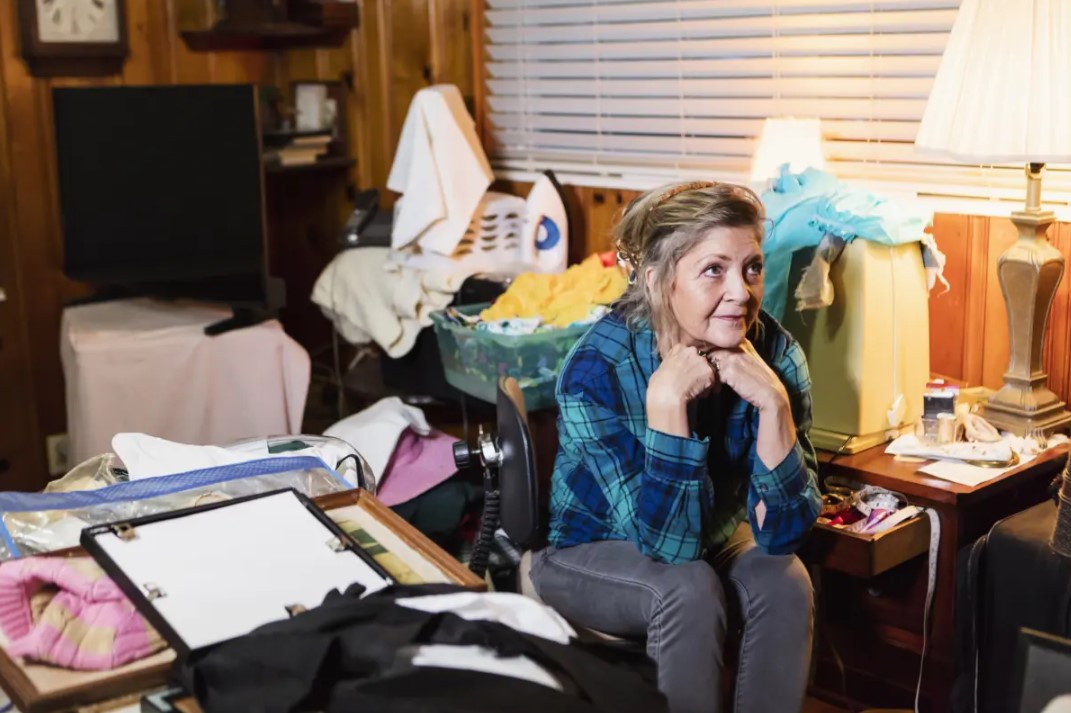
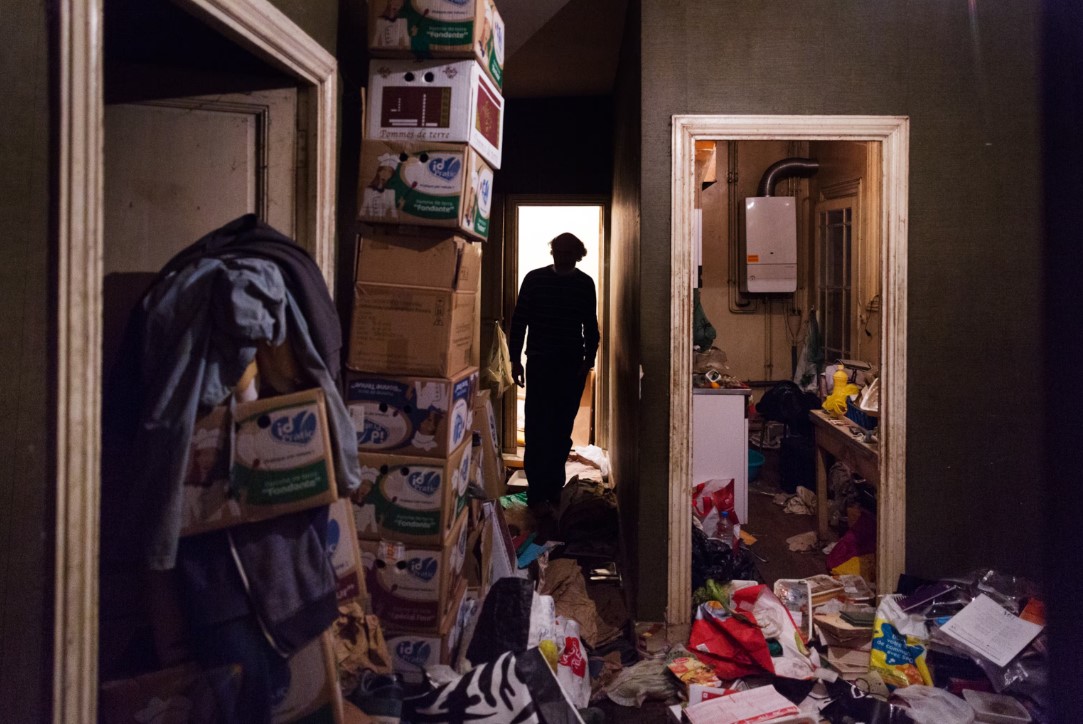
Some homes reach a point where professional intervention should not be delayed. Hoarding can quietly worsen until daily life becomes dangerous. At first, it may look like cluttered tables or crowded hallways. Later, it can affect sleeping, bathing, cooking, heating, and even the ability to open doors or windows. In severe cases, people lose access to sinks, toilets, beds, and basic appliances because every usable area is swallowed by belongings.
Warning signs of an urgent situation can include:
- blocked exits or stairways
- strong odours from spoiled food or waste
- insect or rodent activity
- mould growth and water damage
- risk of falling due to unstable piles
- inability to safely use the kitchen or bathroom
- isolation from neighbours, relatives, or landlords because of shame
When health and safety are at risk, waiting for the “right time” can allow the problem to spiral further. A faster response, handled with compassion, can protect both the property and the person living inside it.
Helping Without Making the Person Feel Cornered
Family members often step in with good intentions and make the situation worse without meaning to. Frustration builds over months or years, and eventually someone says the wrong thing. They call the home disgusting. They threaten to throw everything away. They demand immediate change. From the outside, that reaction may seem reasonable. To the person dealing with a hoarding disorder, it often feels like betrayal and attack.
A better approach is slower and calmer. The goal is not to win an argument. The goal is to create enough trust that help can actually happen. That usually starts with language that lowers the emotional temperature. Questions work better than commands. Listening works better than lecturing. Even acknowledging that the process is hard can reduce resistance.
It also helps to focus on specific safety concerns rather than making broad criticisms. Saying that a hallway needs to be cleared so nobody trips is far more productive than saying the whole house is a disaster. Professional teams are trained to keep conversations grounded in dignity and progress, which is one reason families often benefit from bringing in outside support.
Restoring a Home One Area at a Time
A hoarded property rarely becomes healthy in a single day. The safest path is often a staged one. One room gets stabilised first. Then another. High-risk zones such as kitchens, bathrooms, entryways, and sleeping areas often take priority because they are essential for daily living. Each completed area gives the resident proof that change is possible without erasing their identity or forcing panic.
That step-by-step process matters. It turns an overwhelming crisis into a sequence of manageable decisions. It also gives everyone involved a chance to pause, reassess, and protect important items from being lost in the rush. Real recovery is rarely flashy. More often, it looks like a clear path to the front door, a working stove, clean air, and a bed that can finally be used again.
When a home begins to function safely, hope tends to return with it.
Summary
Creating a 100% safe and 100% healthy home environment takes time, patience, and a bit of elbow grease. Attempting to handle this huge emotional task alone usually results in burnout and increased family tensions.
The physical threats are safely removed, and the homeowner receives the respect and attention they deserve by employing a highly empathetic team of professionals. A sensitive and highly skilled approach ensures a completely fresh start and a more positive tomorrow for all who have to deal with the daily recovery process today.