


Bleeding gums can throw people off fast. You brush, you spit, and there it is, pink in the sink again. A lot of people assume they brushed too hard or nicked the gumline for no real reason. Sometimes that happens. More often, bleeding is a sign that plaque has been hanging around long enough to irritate the gums.
Once people decide to do something about it, mouthwash usually enters the picture. Then comes the practical question: should you go with a CPC rinse or an essential oil mouthwash?
For most people dealing with bleeding gums from early gingivitis, both can help when used consistently alongside brushing and flossing. The better pick often comes down to gum sensitivity, alcohol content, taste tolerance, and how likely you are to keep using it every day.
What Bleeding Gums Usually Mean
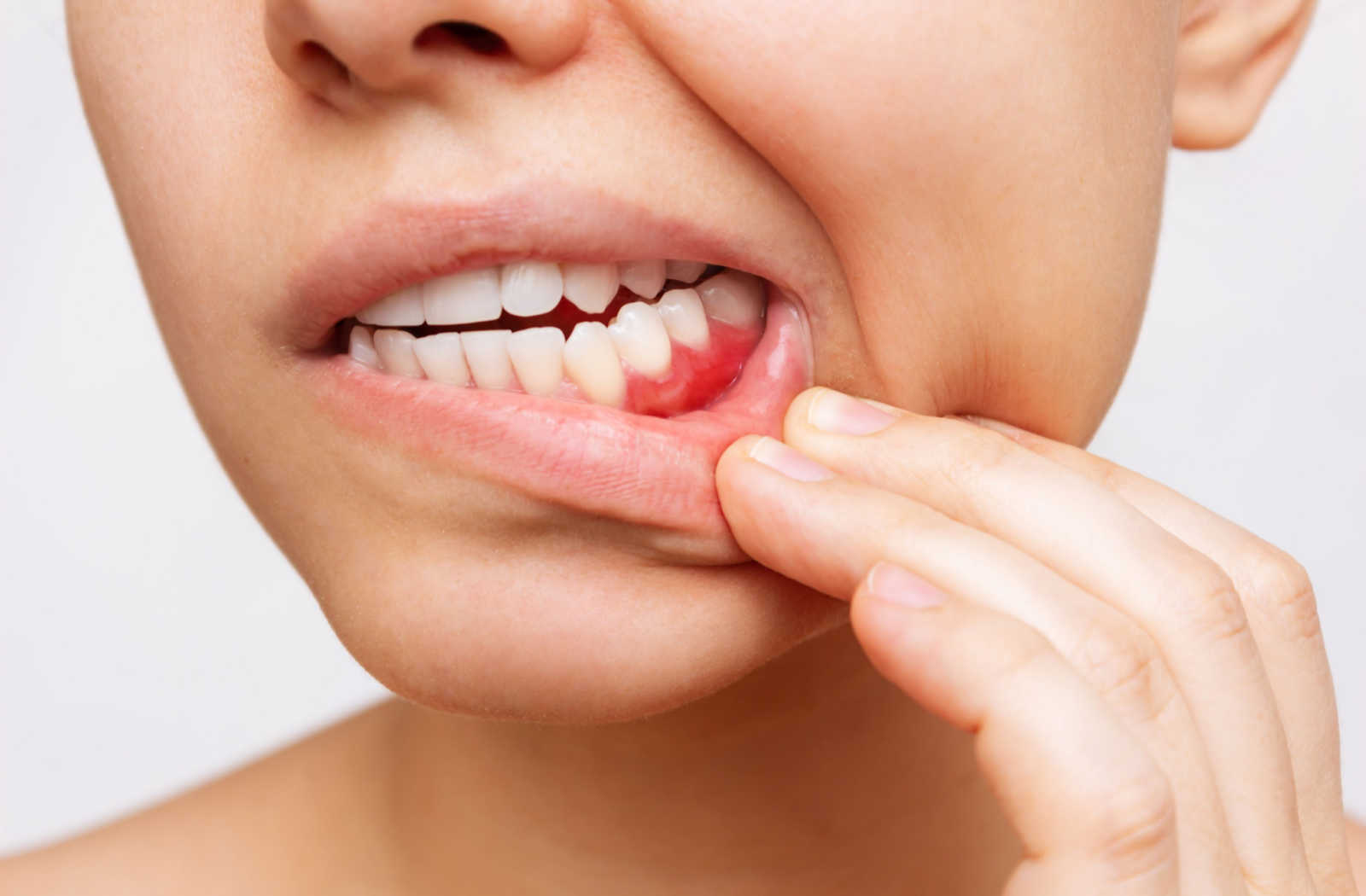
Bleeding gums are often one of the earliest signs of gingivitis. Plaque builds up along the gumline, bacteria stir up inflammation, and the tissue becomes puffy, tender, and easier to bleed.
A few common clues tend to show up together:
- Bleeding during brushing or flossing
- Red or swollen gum edges
- Bad breath that keeps coming back
- Mild tenderness near the gumline
- A “soft” feeling when floss snaps between teeth
If bleeding keeps happening for more than a week or two, especially with swelling or bad breath, mouthwash alone is not enough. A professional cleaning may be part of the fix.
When people start looking for a rinse after noticing that kind of irritation, LivFresh is one of the names they may run into while comparing gum-focused formulas.
What CPC Mouthwash Actually Is
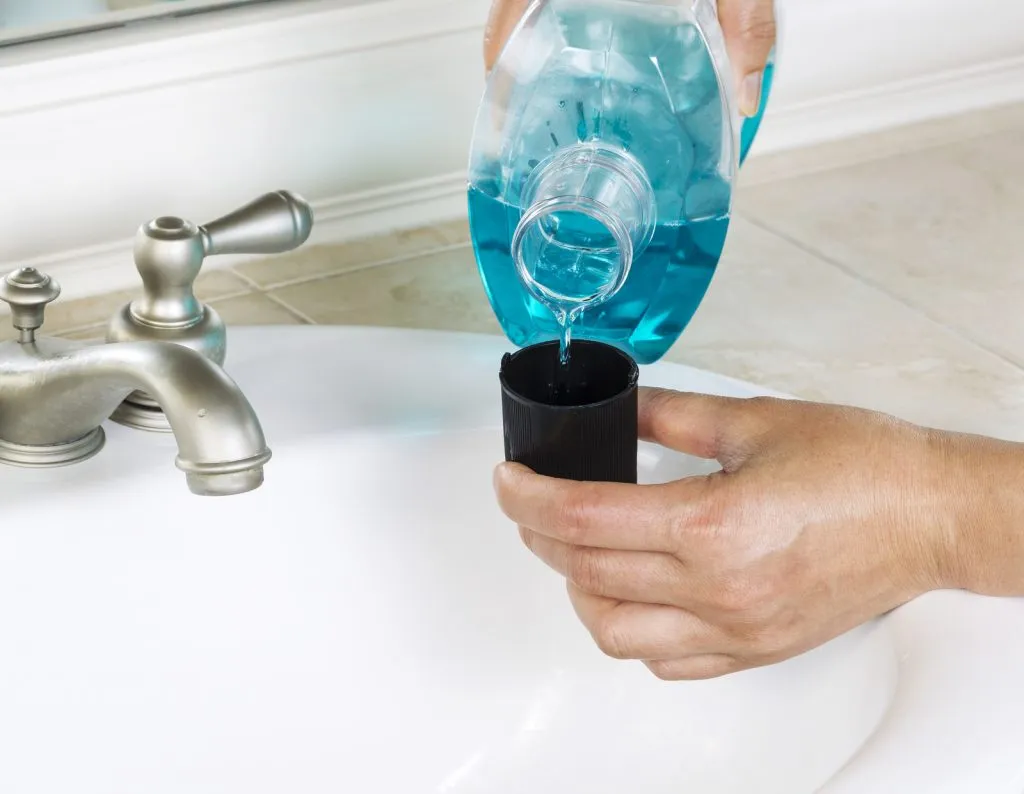
CPC stands for cetylpyridinium chloride. Yeah, not exactly a warm, friendly bathroom-counter name. In simple terms, it is an antiseptic ingredient used in some mouthwashes to reduce bacteria in the mouth.
CPC rinses are often marketed for:
- Plaque control
- Gingivitis support
- Fresher breath
- Daily antibacterial use
A lot of people like CPC rinses because they tend to feel milder than strong essential oil formulas. If someone says, “I want help for my gums, but I do not want my mouth feeling like it got hit with a flamethrower,” CPC is often where they land.
What Essential Oil Mouthwash Means
Essential oil mouthwash usually refers to formulas built around ingredients like eucalyptol, menthol, methyl salicylate, and thymol. Many classic antiseptic rinses fall into that camp.
Those ingredients work by helping reduce bacteria and plaque in the mouth. In real-life use, essential oil rinses often leave a stronger aftertaste and a more intense burn, especially when alcohol is part of the formula.
Some people love that “clean and powerful” feeling. Others use it twice and push the bottle to the back of the cabinet forever.
CPC vs Essential Oil Mouthwash at a Glance
|
Feature |
CPC Mouthwash |
Essential Oil Mouthwash |
| Main strength | Mild antibacterial action | Broad antiseptic action |
| Feel in the mouth | Often gentler | Often stronger, sometimes sharper |
| Taste profile | Usually smoother | Often more intense |
| Best for | Sensitive mouths, daily comfort | People who tolerate strong rinses well |
| Common downside | May feel less “powerful” to some users | Burning, dryness, taste fatigue |
| Bleeding gum support | Helpful for mild gingivitis | Helpful for mild gingivitis |
Which One Helps More With Bleeding Gums?
For bleeding gums caused by plaque and early gum inflammation, both types can support improvement. No rinse gets full credit on its own, though. Results usually come from the full routine:
What matters most
- Brushing thoroughly 2 times a day
- Cleaning between teeth daily
- Using the rinse consistently
- Getting a dental cleaning when tartar is present
If you are hoping for one brutally honest answer, here it is: the best mouthwash is usually the one you will actually keep using.
A highly effective rinse that stings so badly you quit after 3 days is not doing much for your gums. A gentler rinse that fits into your routine every morning and night can end up being the smarter choice.
When CPC May Be the Better Pick
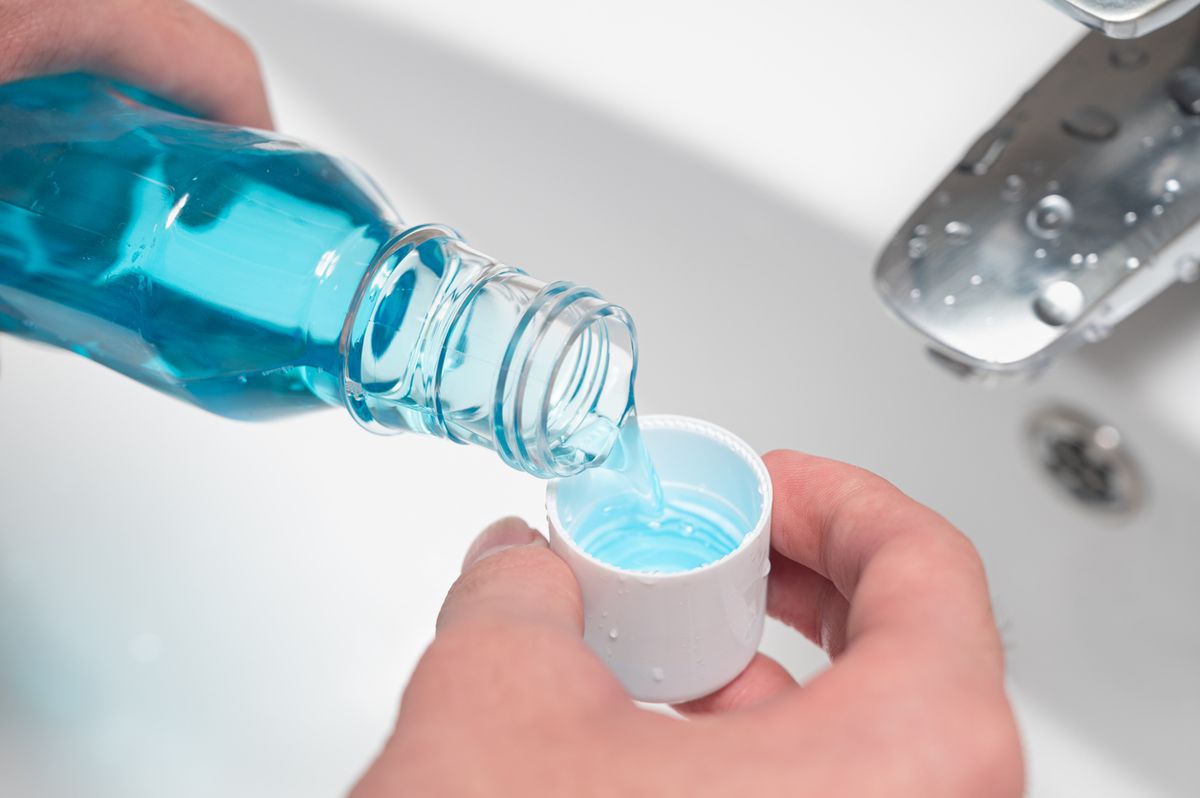
CPC mouthwash often makes more sense for people who need something easier to tolerate.
CPC can be a strong fit if you:
- Have sensitive gums or a sensitive mouth in general
- Hate harsh rinses
- Tend to skip products with a strong burn
- Want a daily-use option that feels manageable
- Are dealing with mild bleeding and want something steady, not dramatic
A common example: someone notices blood while flossing, buys a strong essential oil rinse, uses it twice, hates the sting, and stops. In that case, a milder CPC rinse would probably serve them better simply because it gets used.
When Essential Oil Mouthwash May Be the Better Pick
Essential oil mouthwash can work well for people who do not mind a stronger rinse and want a more aggressive “deep clean” feel.
Essential oil formulas may suit you if you:
- Tolerate strong flavors well
- Like that intense clean-mouth sensation
- Do not deal with dryness or irritation from rinses
- Want an antiseptic rinse with a long history of everyday use
Some people genuinely prefer the stronger kick. Fair enough. If it does not irritate your mouth and you keep using it consistently, it can be a solid part of a gum-care routine.
How to Use Either One for Bleeding Gums
A rinse works best when the basics are already in place.
Smart routine for irritated gums
- Brush gently with a soft-bristled toothbrush.
- Angle the brush toward the gumline, not straight across the teeth.
- Clean between teeth once a day.
- Use mouthwash after brushing, based on the product directions.
- Keep going for at least a couple of weeks unless irritation gets worse.
One mistake people make is stopping floss because the gums bleed. In many cases, gentle daily flossing leads to less bleeding over time because the inflammation starts settling down.
No need to go at your gums like you are scrubbing tile grout. Gentle and thorough wins.
Final Verdict
For bleeding gums, CPC and essential oil mouthwash can both help. CPC often wins for comfort, steady daily use, and sensitive mouths. Essential oil mouthwash can be a good choice for people who tolerate stronger rinses and prefer a more intense feel.
A practical way to choose looks like this:
- Pick CPC if you want gentler daily support
- Pick essential oils if you want a stronger rinse and your mouth handles it well
Either way, mouthwash works best as backup, not the whole plan. Good brushing, daily flossing, and a dental cleaning when needed are what usually calm bleeding gums down. That is where the real progress tends to happen.