

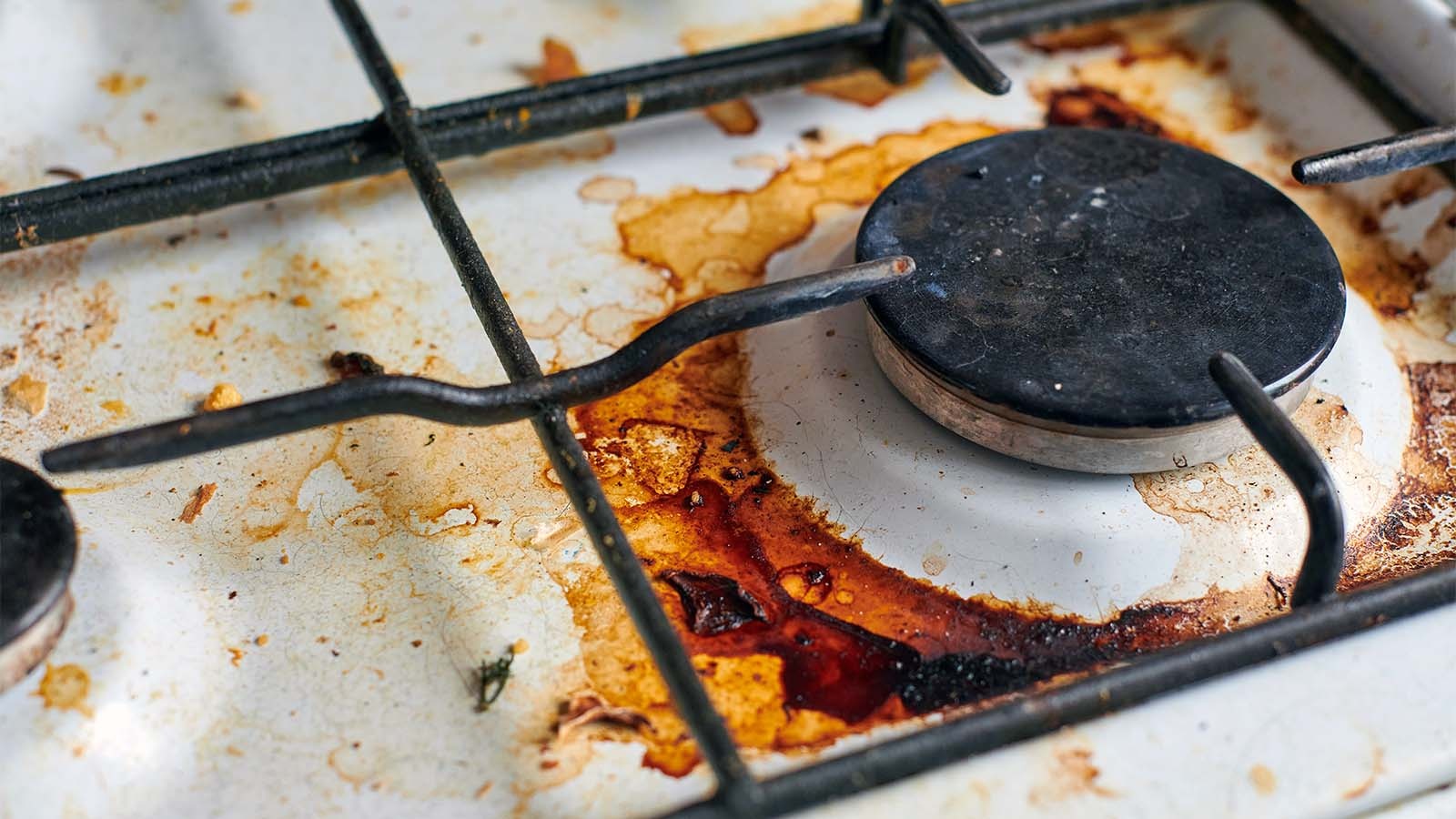
Oil and grease can make a simple cleaning job feel weirdly stubborn. You wipe once, the surface looks fine, then you come back ten minutes later and catch a slick film still hanging on. Anyone who has cleaned a stovetop, garage floor, fryer station, grill hood, bike chain splash zone, or shop tools knows the feeling.
Water temperature matters, but not in a one-size-fits-all way. For oil and grease, hot water often gives faster, easier results. Cold water still has a place, especially when you need control, want to avoid setting certain residues deeper into fabric, or are working with delicate materials.
The best choice depends on what you are cleaning, how much buildup there is, and what product you are pairing with the water.
Why do oil and grease behave differently from other messes
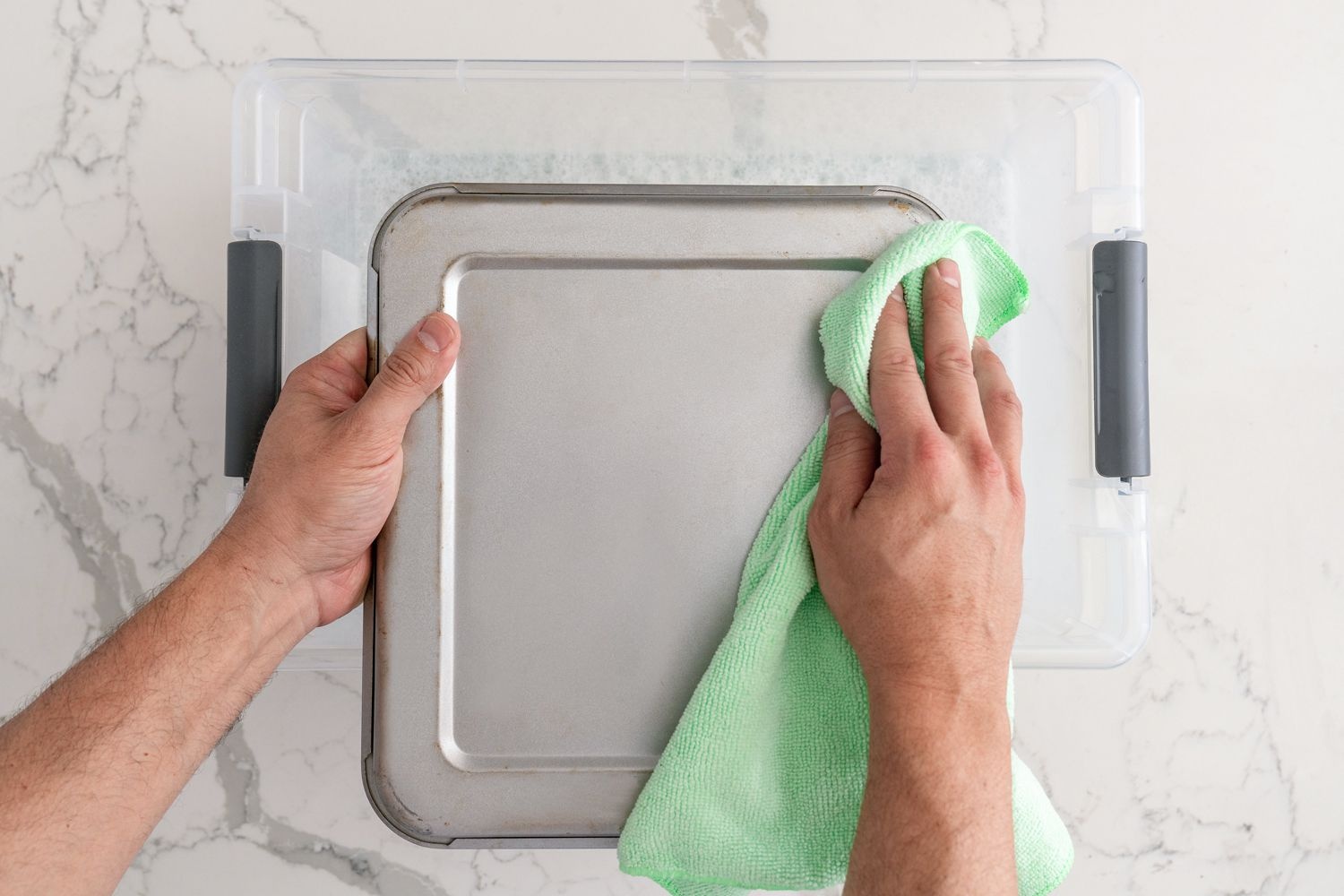
Oil and grease do not act like sugar, dust, or dried mud. They cling. They spread. They leave a thin residue even after you think the mess is gone.
Grease is usually a heavier, thicker form of oily residue. Think bacon fat on a pan, motor grease on a wrench, or fryer buildup on a backsplash.
Oil can be lighter and more fluid, like cooking oil on a countertop or machine oil on a part. In both cases, water alone struggles because oil and water naturally separate.
Cleaning works best when you do one of three things:
- loosen the oily film
- Break it up with detergent or degreaser
- lift it off the surface before it settles again
Temperature affects all three.
What hot water actually does
Hot water helps oil and grease move. That is the main advantage. As the temperature rises, thick, greasy residue softens and becomes easier to spread, dissolve with soap, and rinse away.
Picture cold bacon fat stuck to a skillet. It sits like wax. Run hot water over it with dish soap, and it starts to loosen quickly. The same basic idea applies to greasy range filters, grill grates, shop rags, and concrete spots with fresh oily staining.
For readers dealing with tougher industrial residue, especially around rigs, heavy equipment, or field vehicles, a real-world example of that kind of setup appears here: https://hotsyhouston.com/industries/pressure-washer-oilfields/
Hot water helps in a few practical ways:
- reduces the thickness of the grease
- improves the action of many detergents
- speeds up scrubbing and rinsing
- leaves less smeary residue behind
That last point matters a lot. Smearing grease around is one of the most common cleaning mistakes. Hot water lowers the chance of pushing oily film from one side of the surface to the other.
Where hot water usually wins
Hot water tends to perform best on:
- greasy cookware
- stovetops and oven doors
- range hoods and filters
- restaurant kitchen surfaces
- garage tools with heavy oily residue
- shop floors with fresh grease marks
- washable cloths used for greasy cleanup
In commercial cleaning, hot-water pressure washers are often chosen for equipment, concrete pads, dumpster areas, and vehicle fleets with greasy buildup for a reason. Heat cuts labor. Less scrubbing usually means less time and less chemical use.
When cold water makes more sense
Cold water is not useless with oil and grease. Far from it. It can be the smarter option when heat would create a bigger problem, especially on fabric, delicate finishes, or mixed messes.
For example, if greasy clothing also has protein-based material on it, heat can make cleanup harder. On some fabrics, starting with cold water gives you more control while you pretreat the stain. Cold water can also help keep certain surfaces from warping, fading, or reacting badly to sudden heat.
It is also a safer first step when you are not fully sure what the surface can handle.
Good times to start with cold water
Cold water is often a better starting point for:
- grease-stained clothing before laundering
- delicate synthetic fabrics
- painted or coated surfaces you do not want to stress
- electronics-adjacent cleaning where minimal moisture matters
- polished stone or surfaces sensitive to thermal shock
- small fresh spills where blotting matters more than rinsing
There is another practical point here. Cold water keeps fumes lower when you are using some degreasers in enclosed spaces. Anyone cleaning a greasy utility room or workshop sink in summer already knows heat can make a space feel rough fast.
The real answer: water temperature plus chemistry
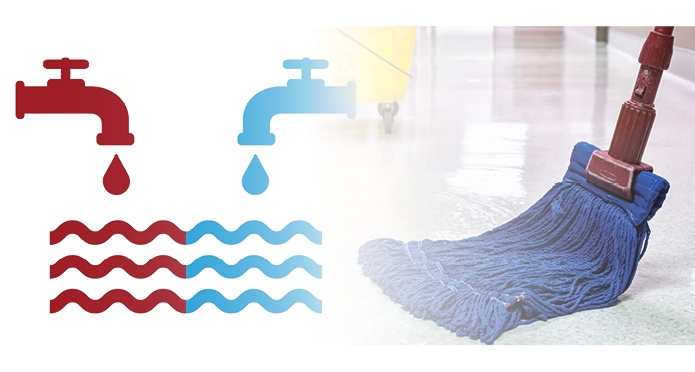
People sometimes give water too much credit. Temperature helps, sure, though soap or degreaser is usually doing the heavy lifting.
A basic detergent has molecules that grab oil on one end and water on the other. Once enough agitation happens, the oily mess gets suspended and rinsed away. Hot water often helps that process move faster. Cold water can still work well if the cleaner is strong enough and you give it enough dwell time.
Here is the practical rule most people can use:
| Cleaning situation | Better starting choice | Why |
| Bacon grease on pans | Hot water | Softens heavy fat quickly |
| Oily kitchen counters | Warm to hot water | Helps remove film and residue |
| Motor oil on tools | Hot water with degreaser | Cuts thick grime faster |
| Fresh grease on clothing | Cold water first | Safer for pretreating fabric |
| Delicate coated surfaces | Cold or lukewarm water | Reduces risk of damage |
| Concrete with oily marks | Hot water if available | Improves lift and rinse action |
That table gives the simple version, though application matters just as much as temperature.
Cleaning kitchen grease: where heat earns its reputation
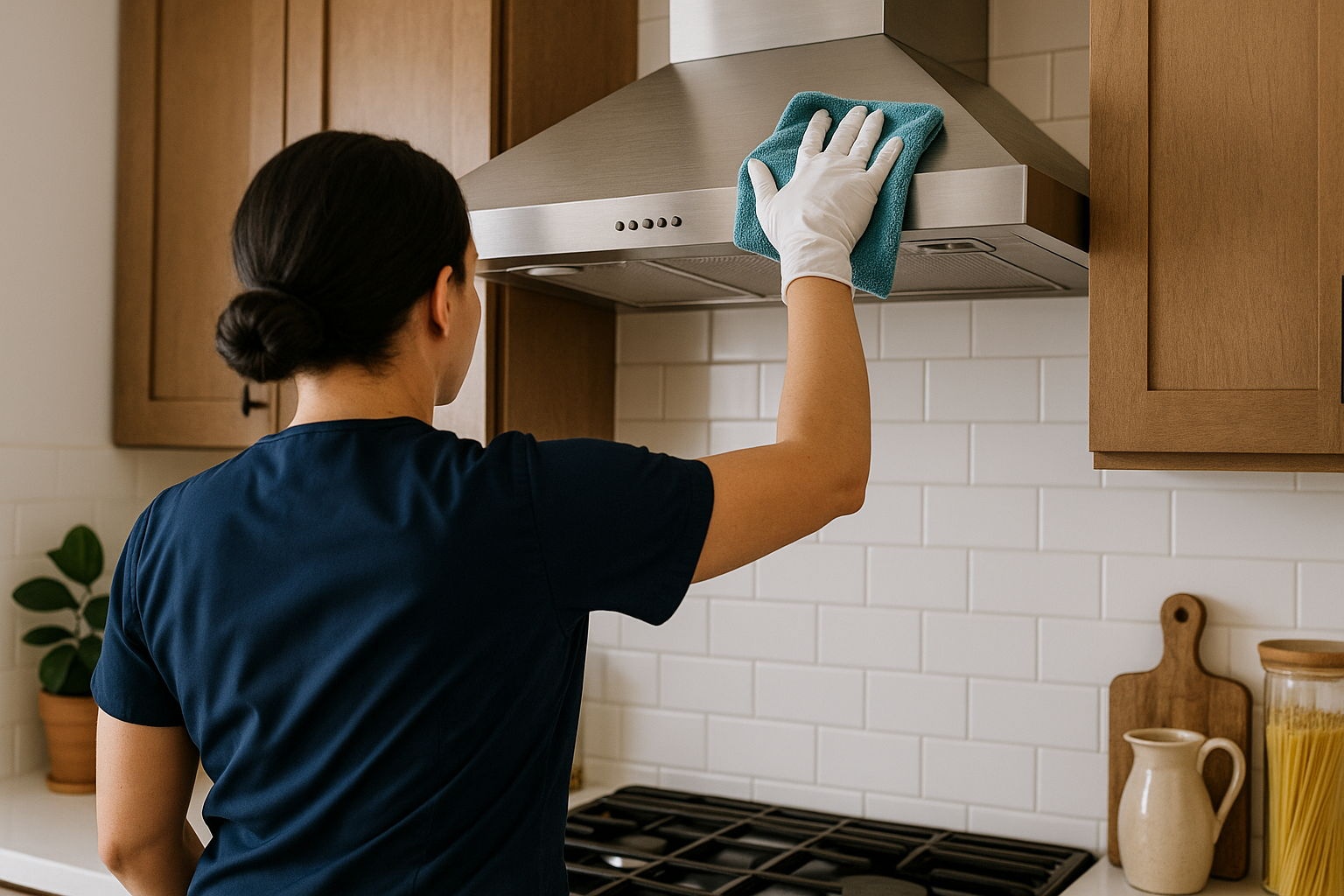
Kitchen grease is one of the clearest examples of hot water doing useful work. Airborne cooking oils settle on cabinets, backsplashes, microwave doors, and vent hoods. Over time, dust sticks to the oily layer and turns it into a dull, tacky coating.
Hot or very warm water helps loosen that film before you scrub. Add dish soap, let it sit for a minute or two, then wipe with a microfiber cloth. On thicker buildup, repeat rather than scrubbing like crazy right away. Hard scrubbing on greasy film often just spreads it wider.
A simple method for greasy kitchen surfaces
- Remove loose crumbs or dust first.
- Mix warm or hot water with dish soap.
- Apply with a cloth, sponge, or spray bottle.
- Let it sit briefly.
- Wipe in one direction.
- Rinse the cloth often.
- Finish with a clean damp cloth to remove residue.
That last pass matters more than people think. Leftover cleaner can leave its own haze.
Cleaning grease from fabric and clothing
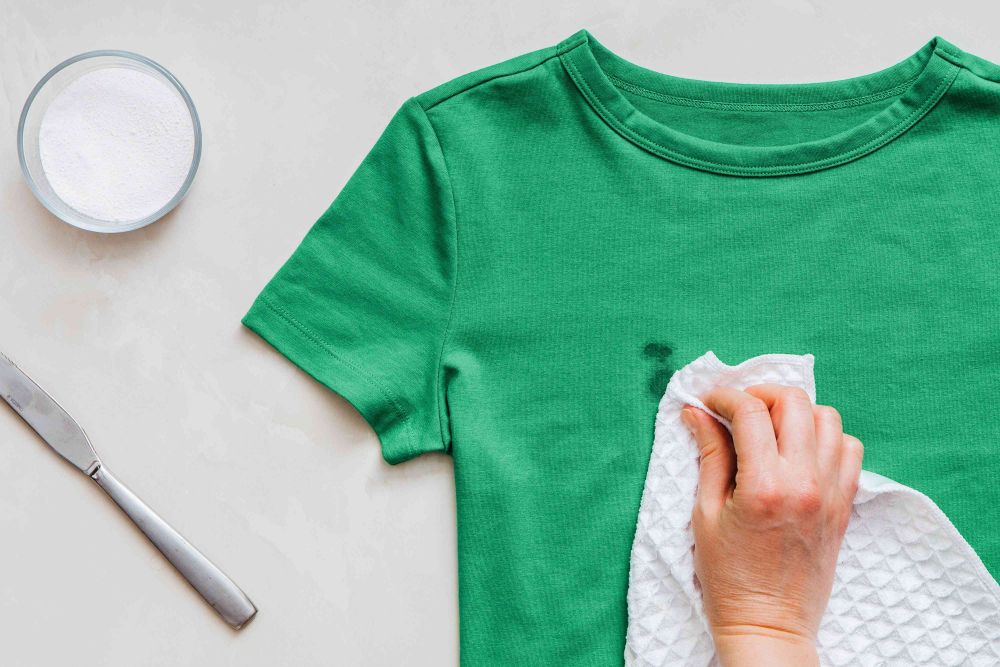
Fabric needs a different approach. Grease on a shirt, apron, or shop towel should usually be treated before hot water enters the picture. Starting with hot water can push the stain deeper during the early stage if you have not lifted the oil first.
A better sequence looks like this:
- blot the excess grease, do not rub
- apply dish soap, laundry pretreater, or stain remover
- work it in gently
- rinse with cold water
- launder based on garment care instructions
- check the stain before machine drying
Heat from a dryer can make a lingering grease mark much harder to remove. That step ruins a lot of recoverable shirts.
Shop, garage, and outdoor cleanup
For tools, machinery parts, and hard outdoor surfaces, hot water usually saves effort. Grease on a socket set, mower deck, or shop floor responds well to heat plus degreaser. If you have access to a hot-water pressure washer, oily buildup often comes off faster and with fewer passes.
Still, do not assume hotter always means better. Some rubber seals, adhesives, painted finishes, and plastic parts can react badly to excessive heat. Read product labels. Degreasers and pressure systems can be rough on materials even before temperature becomes a factor.
Common mistakes that make grease harder to remove
A few habits create more work than necessary:
- using water alone on heavy grease
- wiping with a dirty cloth and redistributing residue
- skipping dwell time for soap or degreaser
- laundering greasy fabric, then drying it before checking the mark
- using very hot water on surfaces that are heat-sensitive
- cleaning too aggressively at the start instead of loosening the mess first
Good cleaning is often less about force and more about sequence.
So, what works best?
For most oil and grease cleanup on hard surfaces, hot water works best because it loosens residue, supports detergents, and makes rinsing easier. In kitchens, workshops, and outdoor equipment cleaning, it is usually the more effective choice.
Cold water earns its place on fabrics, delicate materials, and situations where you need a controlled first step. It can also be the safer option when you are dealing with unknown finishes or mixed stains.
Best results usually come from matching the water temperature to the mess, then pairing it with the right cleaner and technique. Grease is stubborn, sure, though it is rarely unbeatable when the method makes sense.