

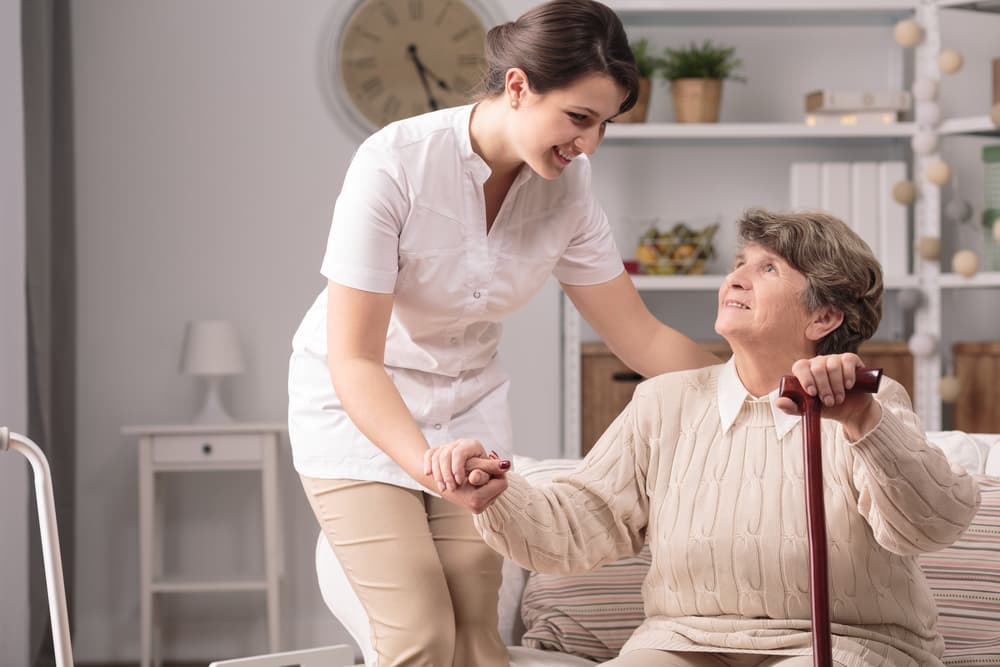
Growing numbers of seniors and families are choosing care at home as a practical and compassionate option.
Familiar surroundings, personal routines, and a sense of dignity all contribute to a higher quality of life for older adults who remain in their own homes. Independence stays intact longer, while comfort and emotional security remain strong.
Home care supports both everyday living and more advanced health needs. Assistance can range from help with bathing and meals to skilled nursing and therapy services.
Flexible options allow care to adapt as health conditions change.
Families should gain clarity before selecting a care path. Service scope, caregiver qualifications, scheduling models, and payment structures all influence long-term success.
Care decisions made with full awareness tend to lead to safer and more sustainable outcomes.
Signs a Senior May Need Home Care
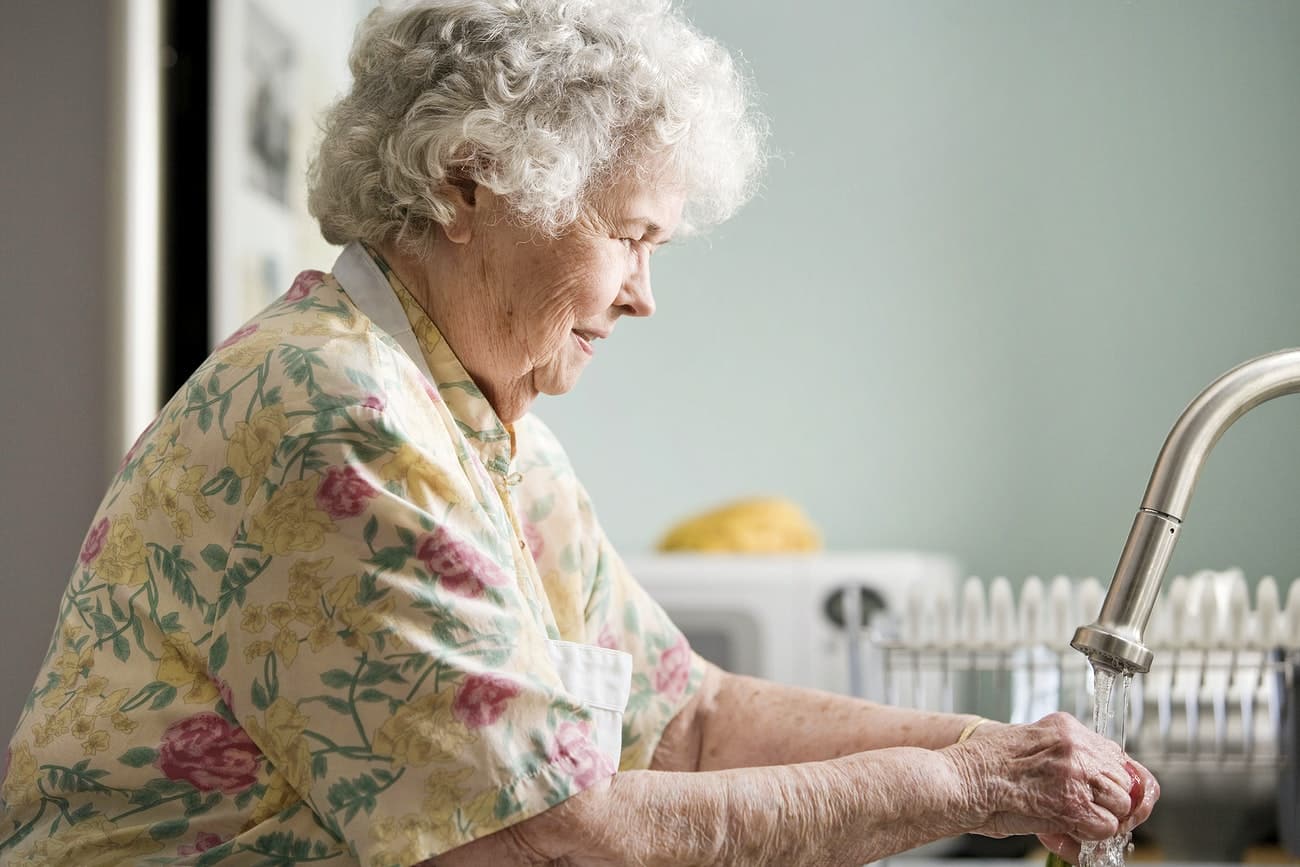
Recognizing early warning signs can help families act before small issues turn into serious risks.
Gradual changes in physical ability, memory, or behavior often indicate that additional support is needed to maintain safety and well-being at home.
Difficulty with daily activities often signals a growing need for assistance. Tasks that were once routine may become physically exhausting, confusing, or unsafe.
Common challenges include:
- Trouble getting in and out of the shower or bathtub
- Wearing the same clothes repeatedly due to difficulty dressing
- Neglected grooming, such as unbrushed hair or poor hygiene
- Avoidance of toileting due to mobility limitations
Mobility problems can significantly increase the risk of injury. Even a minor fall can lead to long-term complications, especially in older adults.
Warning signs related to movement include:
- Frequent stumbling or reliance on furniture for support
- Hesitation when walking across rooms or climbing stairs
- Unexplained bruises that may indicate unnoticed falls
- Reduced physical activity due to fear of falling
Cognitive decline often develops gradually but has a major impact on daily life. Memory loss and confusion can interfere with medication schedules, safety, and communication.
Main Types of Home Care Services

Home care includes a wide range of services designed to support both independence and safety. Each category addresses different aspects of daily living, health, and emotional well-being. Families benefit most when they clearly understand how these services differ and how they can be combined.
Personal Care and Daily Living Support
Personal care forms the foundation of most home care plans. Assistance with everyday activities helps seniors maintain dignity while reducing the risk of injury.
Support often includes:
- Bathing, showering, and hygiene assistance
- Dressing and grooming support
- Toileting and incontinence care
- Help with mobility inside the home
Consistent help allows seniors to follow routines without frustration or exhaustion. Stability in daily habits also supports emotional well-being and confidence.
Household Assistance and Practical Support
A clean and organized home environment plays a major role in safety and comfort. Practical support reduces the burden of chores that may become physically demanding.
Services typically cover:
- Light housekeeping such as dusting, vacuuming, and organizing
- Laundry, ironing, and linen changes
- Meal preparation with attention to dietary needs
- Grocery shopping and running errands
Transportation is another key element. Access to reliable transportation ensures seniors can attend medical appointments and stay socially connected, especially when working with trusted providers offering Home care Services in Livingston, NJ.
Companionship and Social Support

Social interaction is essential for mental and emotional health. Many seniors experience isolation, especially after losing a spouse or reducing social activity.
Emotional support reduces loneliness and can help prevent depression and cognitive decline.
Skilled Home Health Care
Medical care delivered at home allows seniors to receive treatment without leaving familiar surroundings.
Licensed professionals ensure that health conditions are properly managed.
Core medical services include:
- Medication administration and monitoring
- Wound care and dressing changes
- IV therapy and advanced medical treatments
- Monitoring vital signs and chronic conditions
Post-hospital recovery often requires close supervision. Skilled care helps prevent complications and reduces the likelihood of hospital readmission.
Therapy Services Delivered at Home
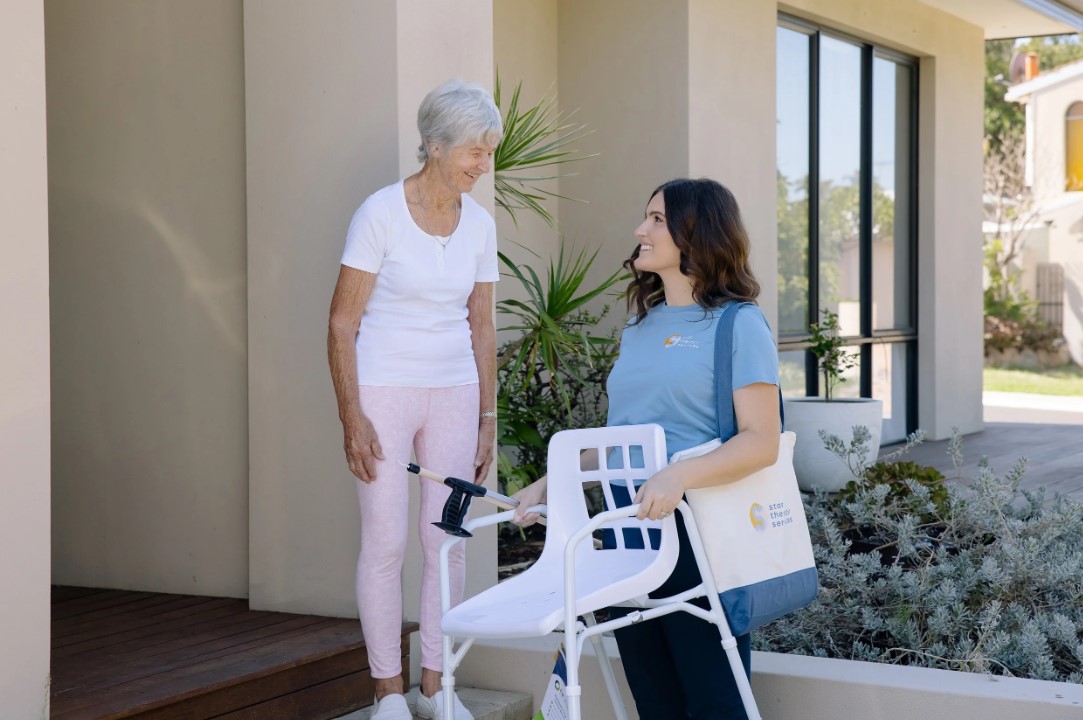
Therapy plays a critical role in maintaining or restoring function. Receiving therapy at home allows treatment to focus on real-life situations.
Types of therapy include:
- Physical therapy to improve strength, balance, and mobility
- Occupational therapy to support safe daily activities
- Speech therapy for communication and swallowing issues
Home-based rehabilitation allows therapists to adapt exercises directly to the living environment, increasing effectiveness.
Specialized Care Types
Certain health conditions require targeted expertise and training.
Specialized services address complex medical and cognitive needs while supporting both seniors and their families.
Key types of specialized care include:
- Dementia care with structured routines and memory support
- Post-surgical care focused on recovery and monitoring
- Chronic disease management for ongoing conditions
- Palliative care centered on comfort and quality of life
- Hospice care for end-of-life support at home
- Respite care providing temporary relief for caregivers
Respite options can vary widely. Short-term care, day programs, and emergency coverage help families maintain balance while ensuring continuous support.
Matching the Right Type of Care to the Senior’s Needs

Selecting appropriate care requires careful evaluation of current conditions and expected changes. No single approach fits every situation, so flexibility is essential.
Care levels can vary significantly. Some seniors need occasional help, while others require constant supervision.
Short-term care may focus on recovery after illness or surgery. Long-term care often addresses progressive conditions that require ongoing support.
Priorities differ among families. Some focus on hygiene and safety, while others prioritize companionship or medical supervision. Regular reassessment ensures that care continues to meet changing needs.
Paying for Home Care Services
Financial planning is a major part of arranging home care. Costs can vary widely depending on the level of support required and the type of services provided.
Medicare covers home health care under specific conditions. Eligibility generally requires that a patient is homebound, needs skilled nursing or therapy, has a physician’s order, and uses a certified agency.
Coverage tends to focus on short-term care. Services are often limited to recovery or stabilization rather than long-term assistance.
Careful review of provider policies is essential. Families should clarify:
- Accepted insurance types
- Participation in Medicare or Medicaid programs
- Additional fees not included in standard rates
Clear financial planning reduces stress and helps ensure continuity of care over time.
Summary
Home care includes a wide range of services, spanning basic daily assistance to skilled nursing, therapy, dementia care, palliative care, and respite options.
Effective care decisions rely on realistic evaluation of needs, living conditions, and family capacity.
Knowledge of service types, payment limitations, and provider selection criteria allows families to create safer and more sustainable plans for aging at home.