

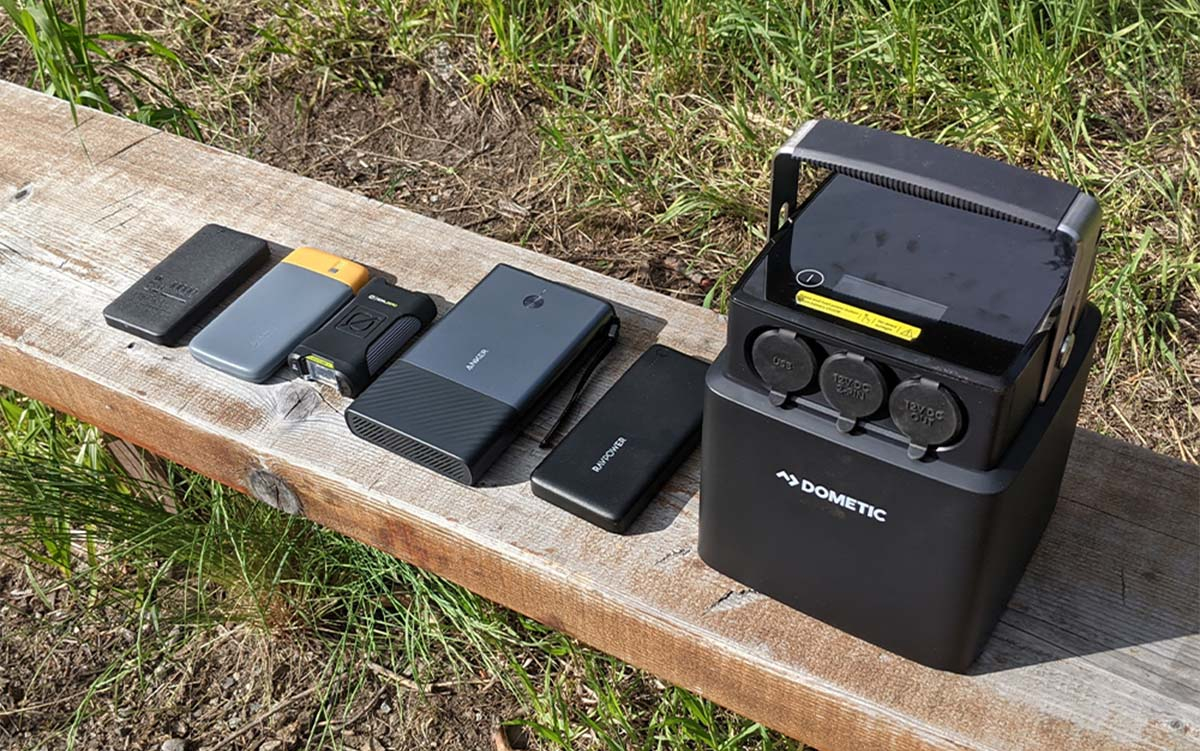
Choosing a rechargeable power source sounds simple until you start comparing specs. Capacity numbers look impressive, fast charging labels vary, and compatibility is not always obvious.
Most people end up buying something that works, but not something that actually fits how they use their devices.
The goal here is straightforward. You want enough power for your devices, reliable charging, and something that does not become inconvenient after a week of use.
Once you understand a few core factors, the decision becomes much easier and much more predictable.
Quick Comparison of Common Power Source Types
To make things clearer, here is a simple comparison of common rechargeable options:
| Type | Best Use | Pros | Limitations |
| Power bank | Phones, tablets | Portable, easy to use | Needs recharging |
| NiMH batteries | Cameras, controllers | Replaceable, durable | Lower energy density |
| High output battery packs | Laptops, multiple devices | High power delivery | Larger size |
| Built in device battery | Daily use | Integrated design | Not replaceable |
Each option serves a different purpose. Trying to use one type for everything usually leads to compromises.
Start With What You Actually Need to Power
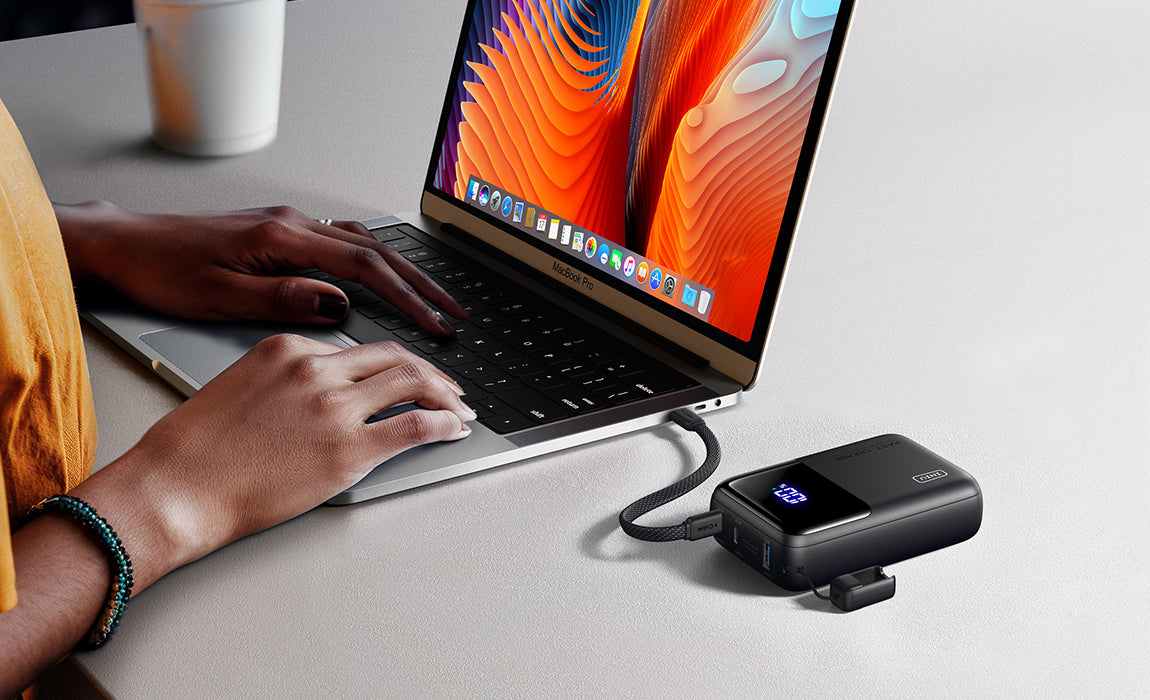
Before looking at specs, take a minute to think about your daily use. That alone narrows down most options.
If you only charge a phone once or twice a day, you do not need a large power source. If you carry a tablet, wireless earbuds, and maybe a portable console, the requirements change quickly.
A simple way to approach this is to group your usage:
- If you mainly charge smartphones, a compact power bank works fine
- If you include tablets or cameras, you need more capacity and stable output
- If you plan to charge laptops, you need higher wattage output and USB C support
This step matters because battery capacity alone does not tell the full story. You are matching the power source to your devices, not just picking the biggest number.
Understanding Battery Types and Where NiMH Fits
Not all rechargeable power sources use the same battery chemistry. Most modern power banks rely on lithium ion cells, but older formats and specific devices still use alternatives.
You will still come across NiMH rechargeable battery options in AA and AAA formats, especially in devices like cameras, controllers, and handheld tools. These are widely used because they are stable, reusable, and easy to replace.
They make sense in situations where:
- Devices are designed for standard batteries rather than built in packs
- You want interchangeable batteries instead of charging a single unit
- Safety and durability matter more than maximum energy density
NiMH batteries typically have lower energy density than lithium based ones, but they are reliable and widely supported. That makes them a practical choice in many everyday devices.
Capacity Matters, But Not the Way You Think
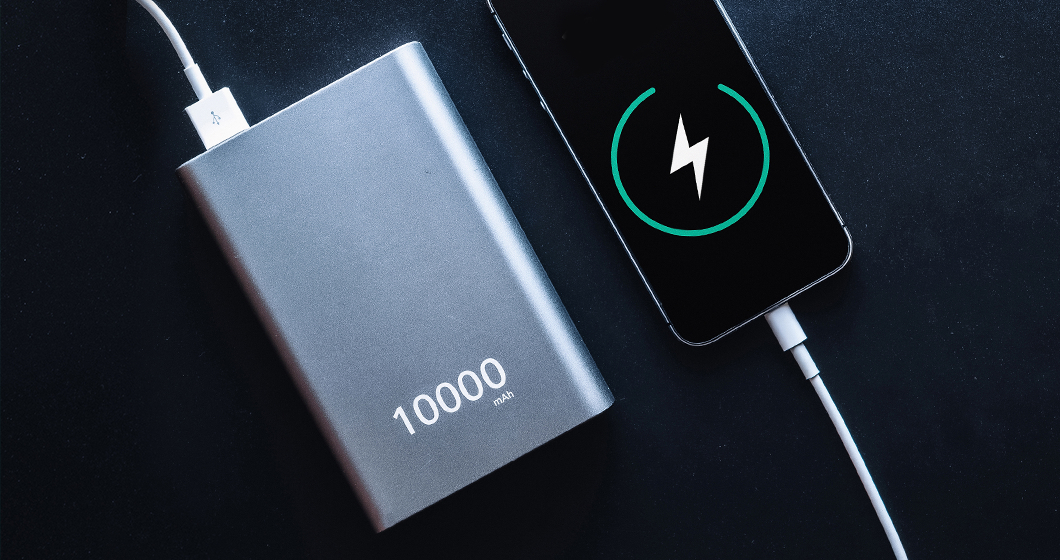
Most people look at mAh first, and that is understandable. It is printed clearly on almost every battery product. Still, it only tells part of the story.
mAh, or milliamp hours, measures how much charge a battery can store and how long it can last under certain conditions . A higher number usually means longer runtime, but only when comparing similar devices.
Here is the catch. Two batteries with the same mAh rating can deliver different real world performance because voltage also plays a role.
A watt hour value shows the actual energy a battery can deliver, combining both capacity and voltage .
So if you want a clearer picture, look for watt hours when possible. That tells you how much usable energy you are getting, not just stored charge.
Match Output Power to Your Devices
Capacity tells you how long a battery lasts. Output tells you what it can actually power. Many people overlook this and end up with slow charging or devices that do not charge at all.
For handheld electronic devices, output usually comes in two forms:
- Standard USB output for phones and small accessories
- USB C Power Delivery for tablets and laptops
If your device requires higher wattage, such as 45W or more, your power source must support that level. Otherwise, it will either charge slowly or not work.
A quick rule that helps in practice:
- Phones charge comfortably at lower output levels
- Tablets need moderate output
- Laptops require high wattage support
Ignoring this part leads to frustration even if the battery itself has plenty of capacity.
Charging Speed Is a Separate Factor
A common assumption is that a bigger battery charges devices faster. That is not how it works.
Charging speed depends on output current and supported charging protocols, not just battery size. A large power bank with low output can still charge slowly.
Here is what actually affects charging speed:
- Output current measured in amps
- Supported fast charging standards like USB Power Delivery
- Cable quality and compatibility
Even with high capacity, charging speed stays limited if the output is low .
So when comparing options, treat speed and capacity as separate decisions. One does not replace the other.
Real World Runtime: What to Expect
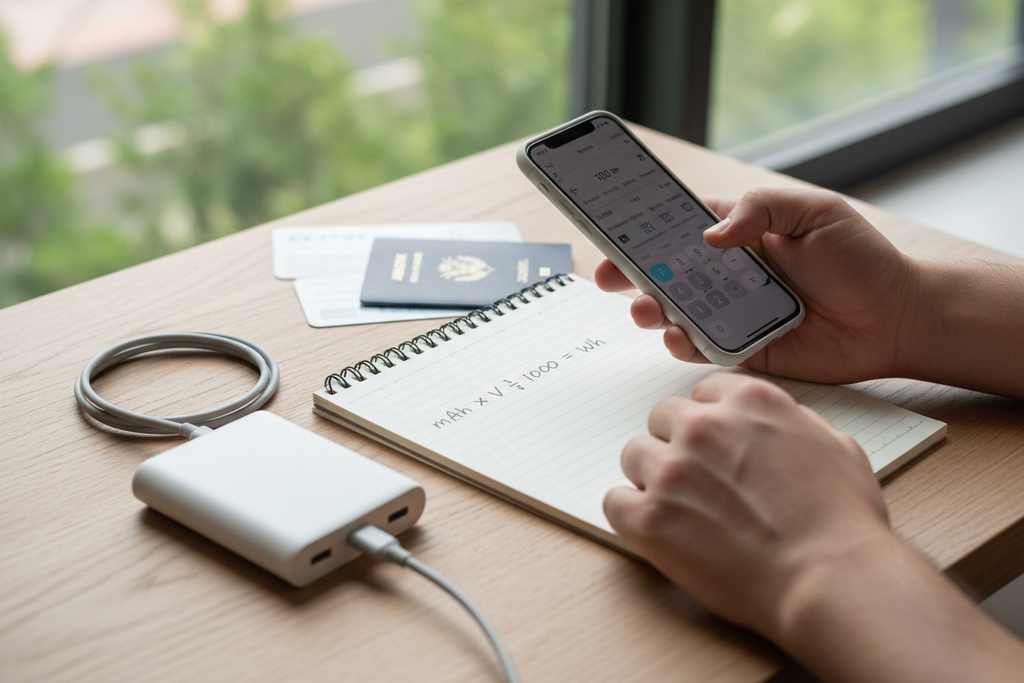
Even when you understand capacity and output, real world runtime still depends on how your device uses power.
There is a simple way to estimate it:
Runtime in hours is roughly equal to battery watt hours divided by device power usage .
For example, a 37Wh battery powering a 10W device gives you around 3.7 hours. In reality, you will see slightly less due to efficiency losses.
This is why advertised capacity often feels different in practice. Heat, conversion losses, and charging inefficiencies all reduce actual runtime.
Understanding this helps you set realistic expectations instead of relying on marketing numbers.
Safety and Build Quality Are Not Optional
A rechargeable power source is not just about performance. Safety matters, especially when you carry it daily.
Lower quality batteries can degrade faster or behave unpredictably. That is not common, but it happens often enough to be worth paying attention.
Here are a few signs of a reliable product:
- Clear specifications including voltage and watt hours
- Built in protection against overcharging and overheating
- Solid casing and consistent charging performance
Good design also improves lifespan. Batteries naturally lose capacity over time, but proper charging management slows that process.
Size, Weight, and Practical Use
It is easy to focus on specs and forget how the device fits into daily life. A large battery might look good on paper, but if it is too bulky, you will stop carrying it.
This is where trade offs become clear:
- Smaller batteries are easier to carry but need frequent charging
- Larger ones last longer but add weight
- Mid sized options often work best for daily use
Think about how you actually carry your devices. Pocket, bag, health hack or travel kit all change what feels practical.
A power source only works if you are willing to keep it with you.
Final Thoughts
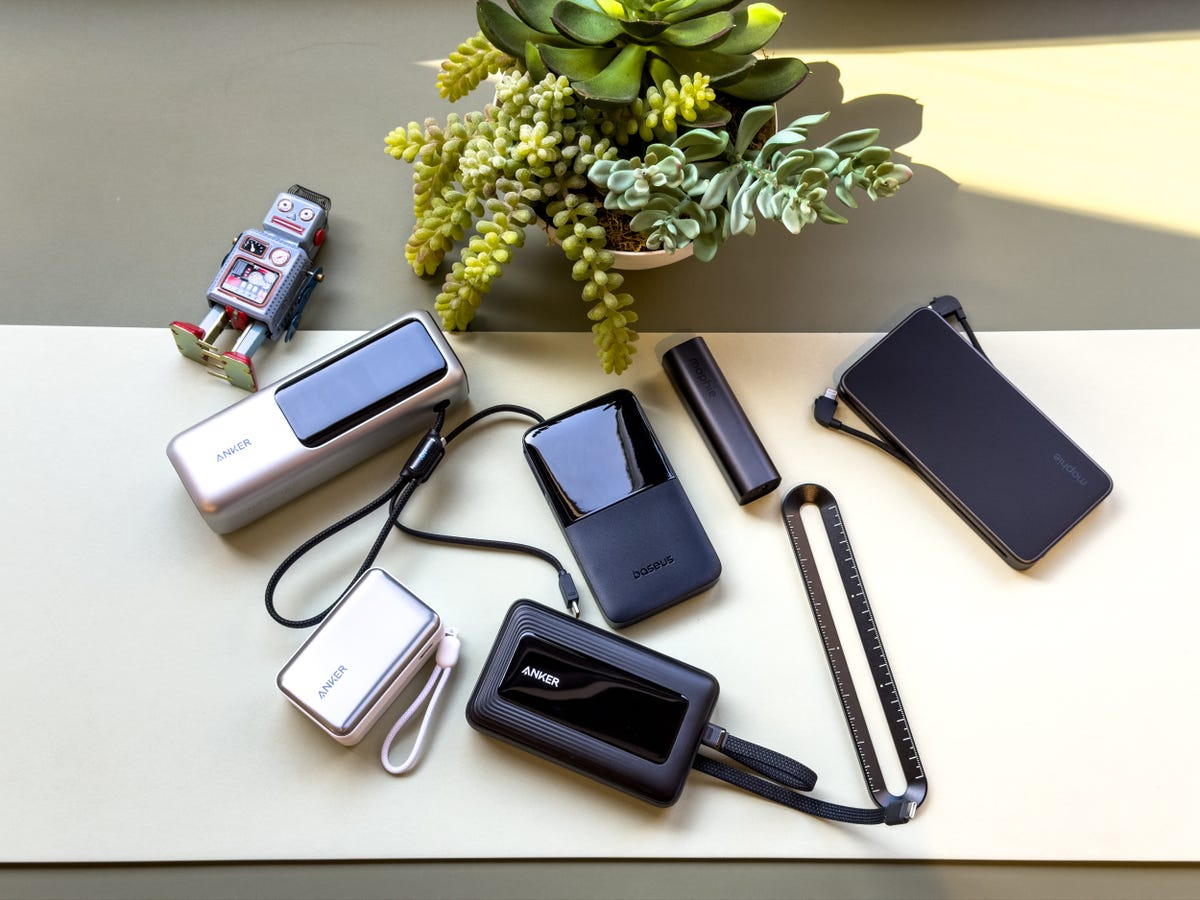
Choosing a rechargeable power source is mostly about matching real needs with realistic specs. Capacity, output, and compatibility matter more than brand names or marketing labels.
If you focus on what your devices require and how you use them daily, the decision becomes much more straightforward. You end up with something that works consistently instead of something that just looks good on paper.
FAQs
1. How many mAh do I need for a phone?
Most smartphones fall between 3000 and 5000 mAh internally. A 10,000 to 20,000 mAh power bank usually covers one to three full charges depending on efficiency.
2. Is higher mAh always better?
Not necessarily. Without considering voltage and output, a higher mAh number can be misleading. Watt hours give a clearer comparison.
3. Can I use one power source for all devices?
You can, but only if it supports the highest output required. Devices like laptops need higher wattage than phones.
4. Do rechargeable batteries lose capacity over time?
Yes. All rechargeable batteries degrade gradually. Proper charging habits and quality hardware slow that process.
5. Are NiMH batteries still worth using?
Yes, especially for devices designed for replaceable batteries. They are reliable, widely available, and easy to maintain.