

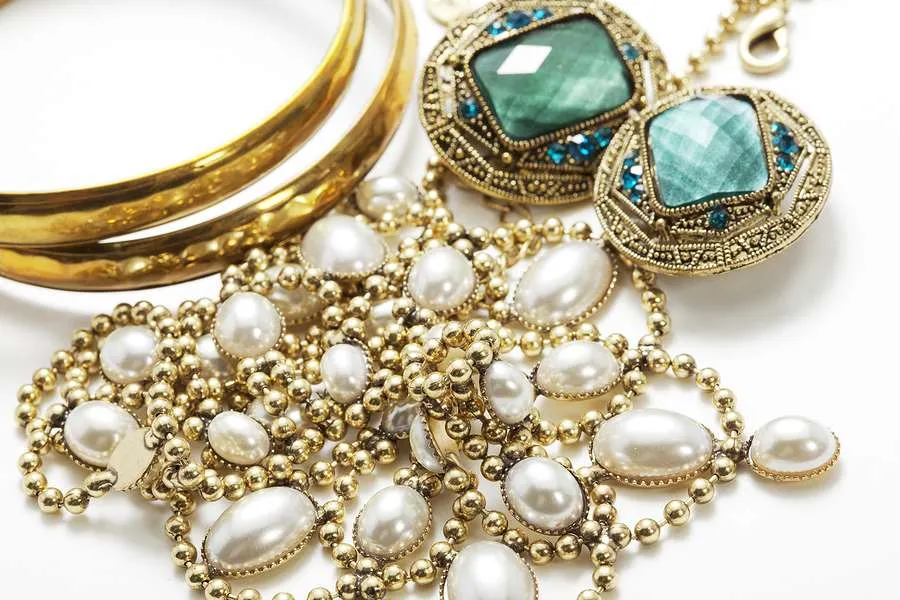
Pre-loved jewelry offers beauty, history, and strong value at a lower cost than new pieces. However, smart shoppers know that price alone does not guarantee a good deal. They need clear steps to judge quality, confirm authenticity, and understand true market worth before they commit.
They get the best value when they verify authenticity, assess quality, compare market prices, and choose sellers with strong reputations. This article guides them through how to research sellers, review certificates and appraisals, check craftsmanship, study brand demand, and judge resale potential so they can make informed and confident choices.
1. Research reputable sellers with positive reviews
A smart buyer checks the seller before paying for any piece of jewelry. Reviews from past customers show how the seller handles quality, shipping, and returns. Therefore, strong ratings and clear feedback help reduce risk.
Trusted review sites and marketplace rating systems also add useful insight. For example, feedback scores and written comments show if items match their descriptions. Consistent praise for authenticity and accurate photos builds trust.
However, a buyer should watch for red flags. Repeated complaints about damaged items, slow refunds, or poor communication suggest risk. As a result, careful research supports better value and fewer surprises.

2. Verify authenticity with certificates and appraisals
A certificate adds proof that a piece is real and matches the seller’s description. Many diamonds and gemstones come with a grade report that lists cut, color, clarity, and carat weight. This document helps a buyer compare price and quality with confidence.
In addition, an appraisal gives an expert opinion on metal type, gemstone quality, and market value. An appraiser can test metal content and inspect stones for signs of treatment or damage. As a result, the buyer gains clear facts about what the piece is worth.
If you are purchasing pre-loved jewelry online, it is especially important to verify documentation. If the seller cannot provide paperwork, the buyer should request an independent appraisal before payment.
This step may cost a fee; however, it can prevent loss from counterfeit or misrepresented items. Proper documents also help with insurance and future resale, since they confirm authenticity and value in writing.
3. Inspect craftsmanship and material quality closely
Examine the piece with care and focus on the details that reveal how well it was made. A close inspection helps separate high-quality items from those that may not hold value over time. Pay attention to the following elements:
- Start by checking the metal surface, since deep scratches, dents, or uneven finishing can indicate wear or poor handling, while a smooth and solid feel usually reflects better craftsmanship.
- Take a careful look at the stone setting, as properly mounted stones sit straight and secure without visible gaps, which shows precision in design and durability in use.
- Test clasps and hinges by opening and closing them, because they should move easily and lock firmly without feeling loose or overly stiff.
- Look for hallmarks on gold, silver, or platinum pieces, since these small stamps confirm metal purity and support the seller’s claims about value.
- Study the gemstones under good light, checking for even color, clean surfaces, and proper symmetry, as chips, cracks, or cloudy spots can reduce overall worth.
Finally, compare the piece to similar items on the market. Clear details, balanced design, and a consistent finish often indicate stronger craftsmanship and better long-term value.
4. Compare prices to market value and demand
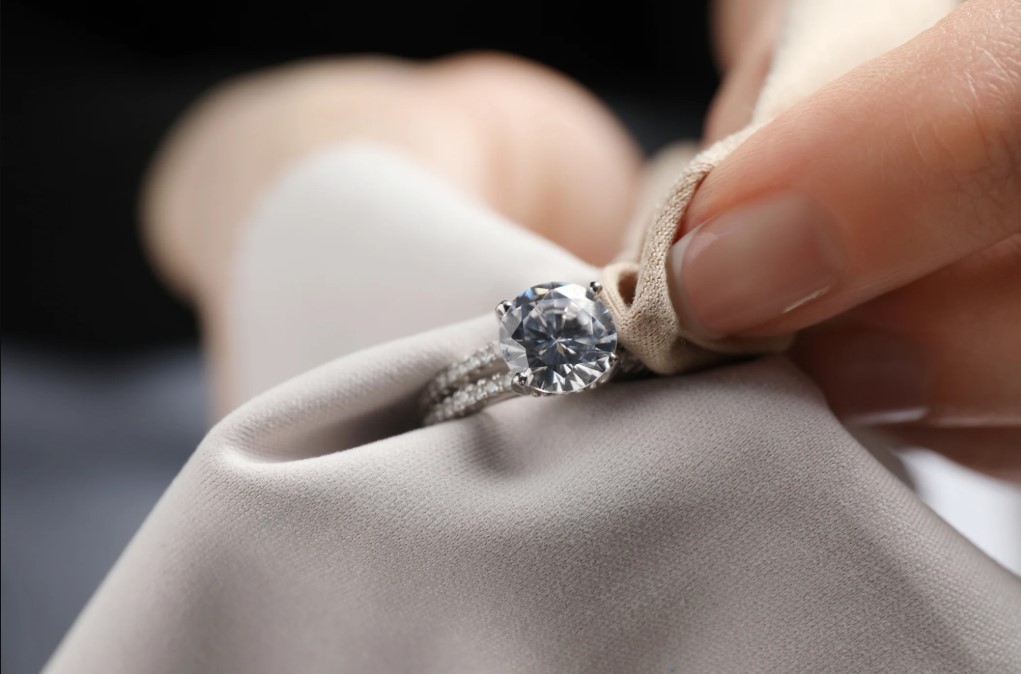
A smart buyer checks how the price compares to current market value. He or she reviews recent sale prices for similar pieces, not just the asking price. This step helps spot deals that seem fair and avoid pieces that cost too much.
Next, they look at details such as metal type, weight, gemstone quality, brand, and condition. For example, a gold ring with higher purity or a diamond with better clarity should cost more. Therefore, the price must match these features.
Demand also affects value. Some styles, eras, or gemstones attract more buyers at certain times. If demand drops, sellers may lower prices, which gives room to negotiate.
In addition, buyers compare several listings before they decide. They check at least three to five similar items to see a clear price range. As a result, they gain confidence and make a choice based on facts, not emotion.
5. Understand resale potential of specific brands
Brand reputation has a direct impact on resale value. Well-known luxury jewelry houses tend to hold their value better because buyers trust their history, materials, and level of craftsmanship.
Certain brands maintain steady demand in the secondhand market year after year. Market reports and resale platforms consistently show that pieces from these names attract strong interest and stable pricing. Because of that, they often sell faster and closer to their original retail price.
At the same time, not every item from a top brand performs equally well. Some features tend to increase resale value more than others, including:
- Classic, timeless designs that remain desirable across trends
- Limited edition pieces that are harder to find
- Original packaging and certificates that confirm authenticity
On the other hand, heavily customized items or trend-driven designs may not age well in the resale market, which can lead to lower returns.
Before making a purchase, it is important to check actual resale data. Buyers can review online listings and auction results to see what similar pieces have sold for, not just their listed prices. This approach helps identify items with stable demand and avoid those that tend to lose value over time.

Conclusion
Pre-loved jewelry offers real value if the buyer focuses on authenticity, condition, price, and seller reputation.
He or she should verify hallmarks and certificates, compare market prices, and request clear return terms before any purchase.
Careful research and patience help them avoid risk and secure fair value. With a clear plan and realistic budget, they can build a quality collection at a fair cost.