

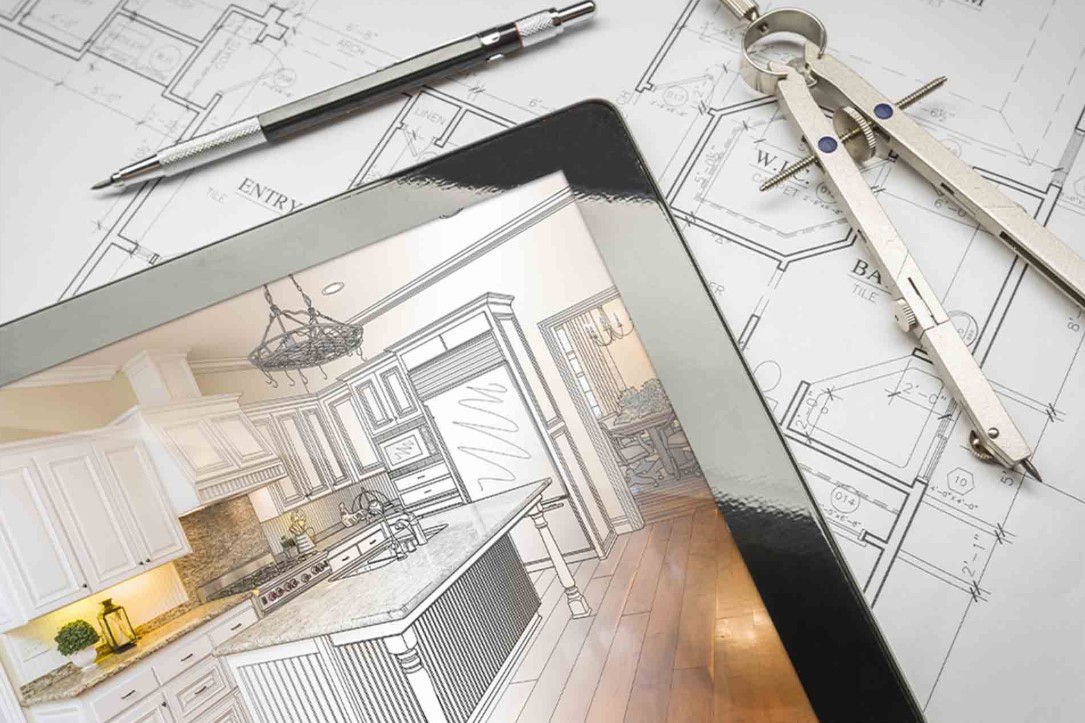
If you’re putting money into your home, it helps to think a few steps ahead. Not every upgrade increases value in a meaningful way. Some improvements look good but don’t translate into resale price or buyer interest.
Focus on upgrades that improve how the home works, reduce future costs, and match what buyers actually look for. Data backs this up. The 2024 Cost vs. Value Report shows that smaller, practical upgrades often return more value than large, expensive remodels.
What follows is a clear breakdown of the improvements that hold up over time and why they work.
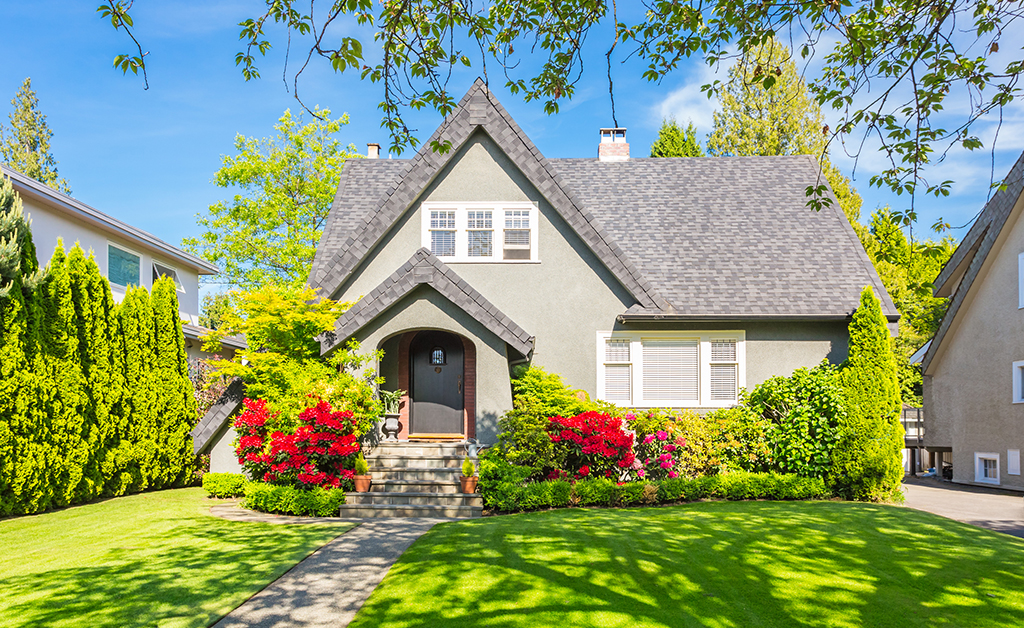
Start with curb appeal and outdoor basics
First impressions still matter more than most people expect. Buyers often form an opinion within minutes, and that shapes how they see the rest of the property.
One of the simplest upgrades here is improving the yard. Even small changes can make a difference. If you’re reseeding or starting fresh, choosing quality lawn grass seed makes the space look maintained without major cost.
The key is not to overcomplicate it. Stick to clean, functional upgrades:
- Keep the lawn healthy and evenly covered
- Add simple outdoor lighting for visibility and safety
- Repair walkways, fences, and visible exterior wear
A clean exterior signals that the home has been maintained. That alone builds buyer confidence before they even step inside.
Kitchen upgrades that actually pay off
The kitchen is where most buyers focus first. It’s also where spending can get out of control fast, so it helps to be selective.
According to data summarized in the National Association of Realtors remodeling reports, kitchens are the most commonly renovated space, and they consistently influence buyer decisions.
Instead of a full renovation, smaller updates tend to perform better in terms of value:
- Replace or upgrade countertops with durable materials
- Refresh cabinets instead of replacing them completely
- Improve lighting, especially under cabinets and over work areas
- Update fixtures like sinks and faucets
A midrange kitchen remodel can recover close to its full cost, sometimes around 96 percent depending on the market.
The goal is not perfection. It is functionality and a clean, updated look.
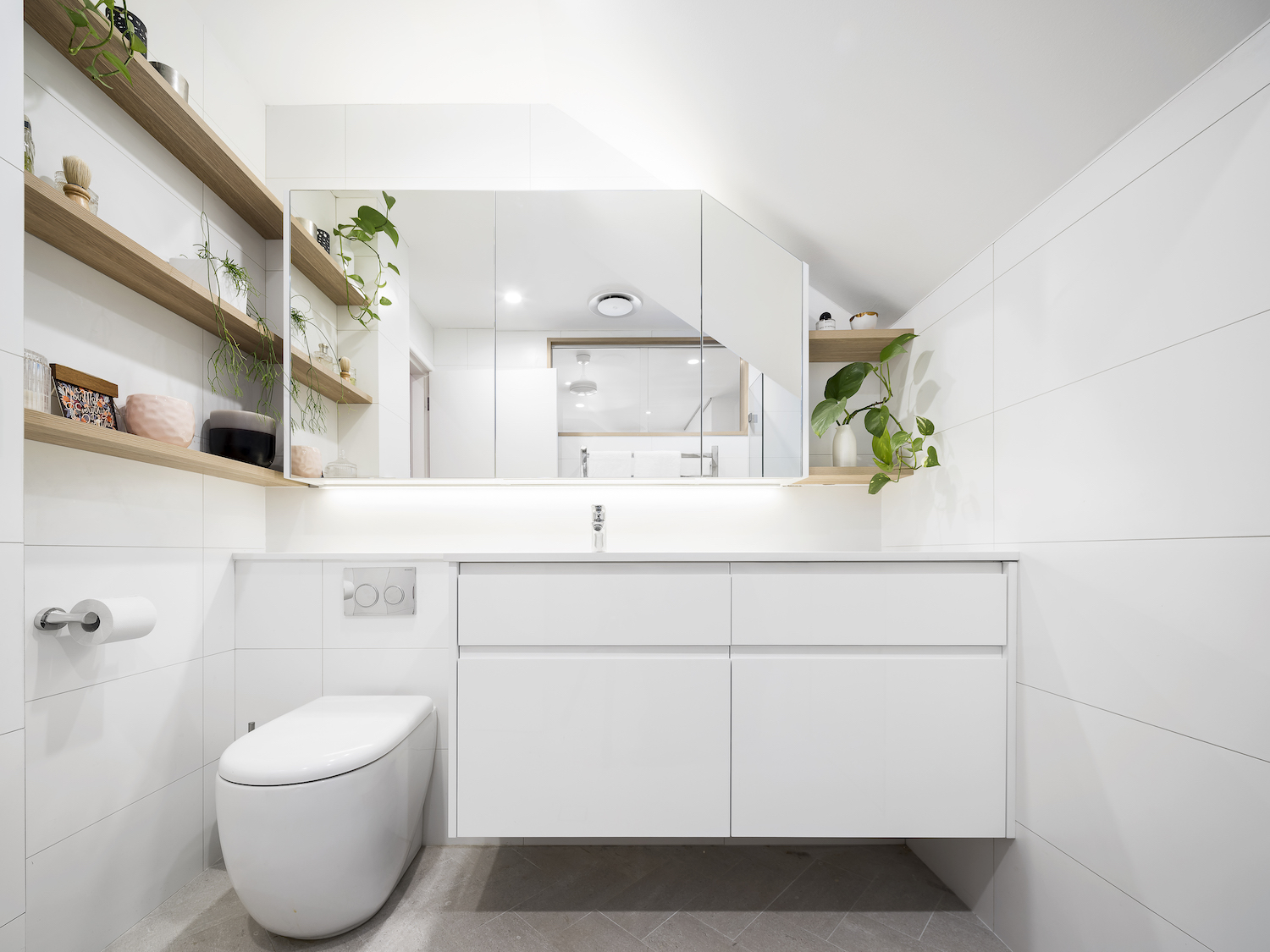
Bathroom improvements that buyers notice immediately
Bathrooms are similar to kitchens in terms of impact, but easier to manage from a budget standpoint.
Buyers pay attention to condition first. They check for wear, outdated finishes, and signs of moisture issues. Fixing those problems often matters more than adding luxury features.
A typical midrange bathroom remodel returns around 60 to 70 percent of its cost.
Focus on practical upgrades:
- Replace old fixtures with modern, water efficient options
- Update flooring and wall surfaces for durability
- Improve ventilation to prevent long term damage
Important fact
Higher end bathroom remodels usually return less value than midrange updates because the cost increases faster than the resale benefit.
Keep it simple and clean. That is what most buyers expect.
Exterior upgrades with the highest return
Some of the strongest returns come from the outside of the home, not the inside.
Here is a quick comparison based on national averages:
|
Upgrade |
Average Cost Recouped |
| Garage door replacement | 194% |
| Steel entry door | 188% |
| Stone veneer exterior | 153% |
| Minor kitchen remodel | 96% |
These numbers come from the 2024 Cost vs. Value Report.
What stands out is how basic upgrades outperform larger renovations. Replacing a garage door or entry door improves both appearance and functionality at the same time.
This is where long term value becomes clear. Buyers see these upgrades as signs that the home is well maintained.
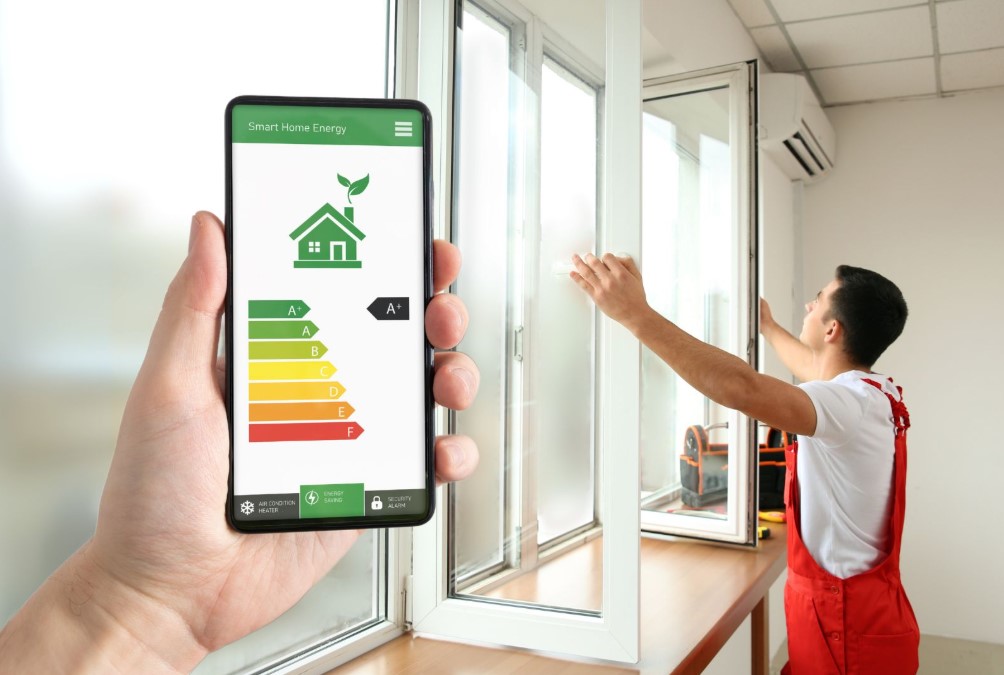
Energy efficiency and system upgrades
This is one category that buyers rarely talk about directly but always care about once they understand it.
Upgrading systems improves both living costs and long term durability. That combination makes a property more attractive.
Common upgrades include:
- Modern HVAC systems with better efficiency
- Improved insulation in walls and attic
- Updated windows that reduce energy loss
Energy efficient homes can also increase property value because they lower monthly expenses. Some estimates suggest efficiency upgrades can add several percentage points to overall value.
These improvements are not always visible, but they make a real difference when buyers compare options.
Adding usable space instead of just square footage
Extra space helps, but only if it’s usable.
Large additions often have lower returns because of their cost. For example, adding a primary suite may return only a fraction of the investment, sometimes around 35 percent or less.
A better approach is to improve existing space:
- Finish a basement for additional living area
- Convert unused rooms into functional spaces
- Improve storage and layout efficiency
Buyers value homes that feel practical. A well organized home often performs better than a larger one that lacks usability.
Avoid over improvement and keep things balanced
One of the most common mistakes is spending too much relative to the property and neighborhood.
High end upgrades in a midrange area rarely pay off. Buyers compare your home to nearby properties, not to your renovation budget.
Keep these limits in mind:
- Match upgrades to the standard of the neighborhood
- Avoid overly personalized design choices
- Focus on neutral finishes that appeal to most buyers
- Stay within a reasonable percentage of the home’s value
Recent reports also highlight that over improving can reduce value if it pushes the home outside its market range.
Consistency matters more than luxury.
Final thoughts
The best home renovation improvements for long term property value follow a simple pattern. They improve how the home works, reduce future problems, and appeal to a wide range of buyers.
Small and targeted upgrades consistently outperform large and expensive projects. Kitchens, bathrooms, exterior updates, and energy efficiency remain the core areas that drive value.
If you focus on function first and keep decisions grounded in real buyer behavior, your investment is far more likely to hold up over time.