


Addiction can narrow a person’s world fast. Days start revolving around cravings, damage control, secrecy, shame, and the next promise to stop. From the outside, people often talk about willpower. From the inside, recovery usually feels far messier than that.
Real healing rarely follows a neat line. Progress may come through treatment, community, routine, medication, therapy, faith, family repair, movement, or plain old repetition.
Often, it comes from a mix of all of them. What matters most is that recovery is possible, and there is more than one way to reach it.
Why Addiction Takes Hold So Deeply
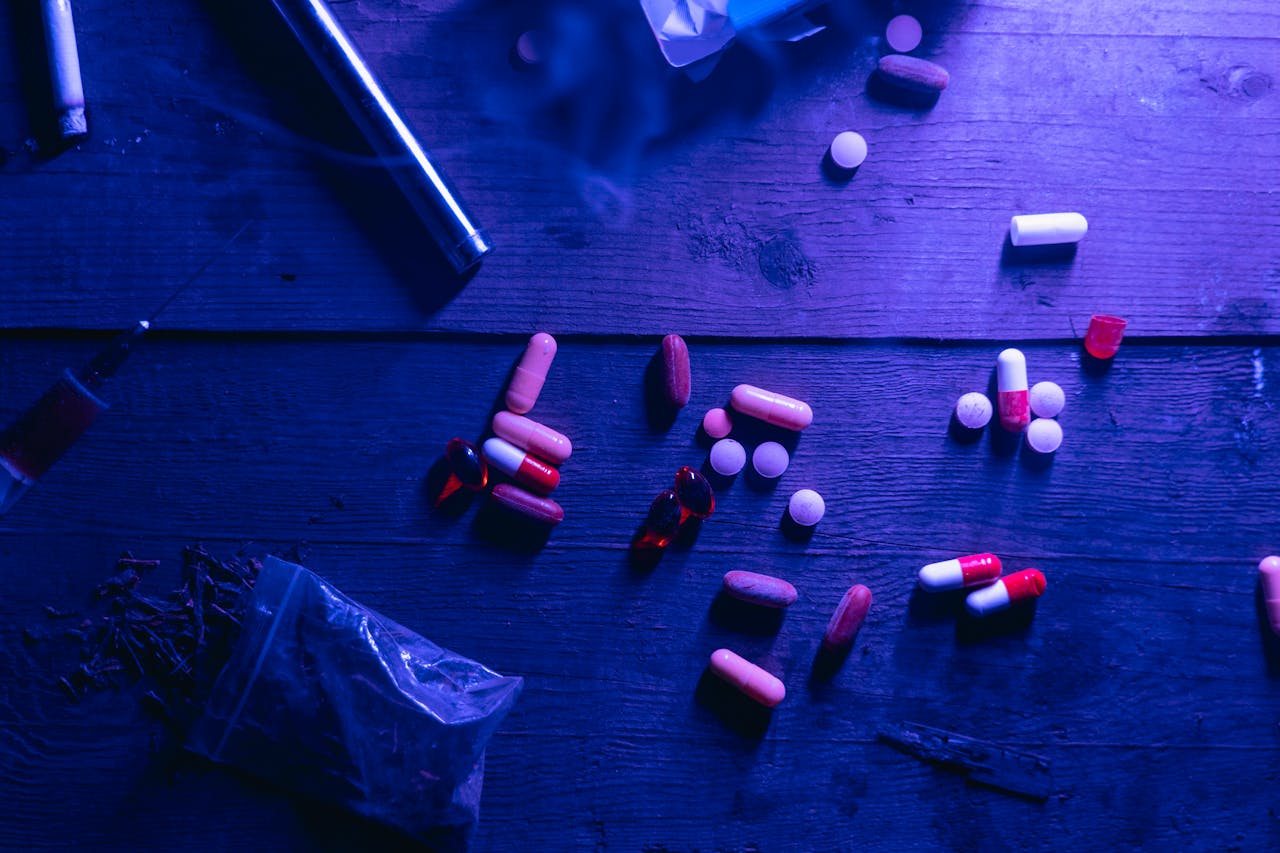
Substance use disorders and behavioral addictions affect reward, memory, stress response, and decision-making. Over time, a person may stop using for pleasure and start using to avoid panic, withdrawal, emotional crash, or mental fog. That shift matters.
A lot of people also carry other burdens at the same time:
- trauma
- chronic stress
- anxiety or depression
- grief
- loneliness
- pain conditions
- unstable housing or finances
- family patterns around substance use
Once addiction settles into daily life, the habit can attach itself to ordinary moments. Wake up, use. Fight with a partner, use. Get paid, use. Feel ashamed, use again. Recovery often means breaking those links one by one, with enough support to survive the discomfort.
Signs That Someone Needs Real Help

People often wait for a dramatic rock-bottom moment. Life does not always work that way. Plenty of serious addiction cases look ordinary from a distance.
Common warning signs
- needing more of a substance to feel the same effect
- getting sick, shaky, or panicked without it
- hiding use, lying, or minimizing
- missing work or family obligations
- repeated attempts to quit that last only a short time
- money problems tied to use
- legal trouble, risky driving, or dangerous decisions
- losing interest in friendships, hobbies, and routines
- using alone more often
- feeling unable to imagine a day without it
A person does not need to lose everything before asking for care. Early action can prevent years of damage.
Recovery Starts with Safety
For some people, the first step is not motivation. It is medical safety. Alcohol, benzodiazepines, and opioids can bring dangerous withdrawal symptoms. Detox at home may sound private and manageable, though it can turn risky quickly depending on the substance, dose, and history.
Here is a simple way to think about early-stage options:
| Situation | Best Next Step | Why It Helps |
| Mild misuse with strong daily stability | Outpatient assessment | Gives structure without removing work or family routines |
| Heavy alcohol or sedative use | Medical detox | Reduces risk during withdrawal |
| Opioid addiction with a relapse history | Medication-assisted treatment | Can lower cravings and overdose risk |
| Repeated relapse after short quits | Intensive outpatient or residential care | Adds accountability and daily support |
| Addiction with major depression, trauma, or panic | Dual-diagnosis treatment | Treats both conditions together |
A proper assessment matters because people often choose care based on shame, cost, or convenience instead of need.
For readers exploring California outpatient addiction treatment, starting with a proper assessment can make the difference between getting enough support and choosing a level of care that falls short.
Main Paths Toward Recovery

No single model fits everyone. Good treatment matches the person, the substance, the environment, and the risk level.
Detox and stabilization
Detox helps the body clear a substance and manage withdrawal. On its own, detox is rarely enough. It is an opening step, not the full recovery plan.
Outpatient treatment
Outpatient care works for people who still have some stability at home and can attend sessions regularly. A good program may include counseling, relapse prevention, group therapy, family sessions, and medication support.
Residential treatment
Residential programs give people distance from daily triggers. For someone stuck in a cycle of chaos, that pause can be huge. Meals, sleep, therapy, movement, and routine start to return.
Medication-assisted treatment
For opioid and alcohol addiction, medication can be life-saving. Some people resist it because they want a fully drug-free path. In real life, staying alive and stable is a strong outcome. Cravings drop, thinking clears, and the person has a shot at rebuilding.
Peer support
Mutual-aid groups help many people because addiction thrives in isolation. Some prefer twelve-step spaces. Others do better in secular recovery groups, faith-based circles, or smaller community meetings. Fit matters more than image.
What Daily Recovery Actually Looks Like

A lot of public talk about recovery sounds dramatic. Daily reality is usually quieter. It can look like drinking water, showing up to therapy, deleting numbers, walking around the block, making breakfast, and getting through 8 p.m. without using.
That kind of repetition may sound small. It is not small.
Recovery often improves when a person builds anchors
- wake and sleep at roughly the same time
- eat regular meals, even simple ones
- attend meetings or therapy on a fixed schedule
- keep emergency contacts visible
- avoid high-risk places during early recovery
- plan evenings carefully, since cravings often hit harder then
- move the body every day in some manageable way
As with rebuilding physical strength after an injury, consistency matters more than intensity. Somebody who knows movement work well, including full-body Pilates routines, will recognize the pattern right away. Recovery responds to steady practice, body awareness, breath control, and realistic progression. Too much too soon can backfire.
Triggers, Cravings, and the First Hard Months
Cravings do not always arrive as loud, obvious urges. Sometimes they sneak in through routine, smell, music, boredom, payday, loneliness, or overconfidence.
A practical trigger map
| Trigger | Example | Better Response |
| Stress | fight with a partner | call sponsor, therapist, or trusted friend before leaving home |
| Isolation | long weekend alone | schedule two check-ins and one outside activity |
| Celebration | work bonus or birthday | plan sober event before the date arrives |
| Physical pain | back flare-up or injury | coordinate with a doctor early |
| Shame | relapse or secrecy | speak honestly within 24 hours |
Planning ahead takes pressure off the moment. A person in early recovery should not rely on fresh decision-making during peak craving. A written plan works better.
Healing the Body Alongside the Mind

Addiction recovery is not only about stopping a substance. The body often needs repair too. Sleep patterns can be wrecked. Digestion may be off. Muscles stay tense. Heart rate runs high. Some people feel numb for weeks. Others feel everything all at once.
Gentle physical care can help:
Helpful body-based supports
- walking after meals
- light strength work
- stretching
- yoga or mobility practice
- breathing exercises
- regular hydration
- basic meal planning
- medical follow-up for pain, liver health, blood pressure, or nutrition deficiencies
Movement should feel grounding, not punishing. Early recovery is not the time for extreme health kicks. A short walk done 5 days a week can do more good than one heroic workout followed by collapse.
Family, Trust, and Repair
Addiction affects more than the person using. Partners, children, parents, and close friends may carry fear, anger, resentment, and exhaustion. Repair takes time. Words help, though changed behavior carries more weight over months.
Healthy repair often includes:
- honest timelines
- clear boundaries
- separate support for loved ones
- no forced forgiveness
- financial transparency where needed
- patience when trust returns slowly
A person in recovery may hope for quick relief once use stops. Families often need longer. That gap can hurt, though it is normal.
Relapse Can Happen, and It Does Not Erase Progress
Relapse is common in addiction recovery. It deserves a serious response, because overdose risk can rise after a period of abstinence. It should lead to a review of what broke down: treatment intensity, isolation, untreated mental health symptoms, overexposure to triggers, or plain fatigue.
Useful questions after a relapse:
- What happened in the 72 hours before it?
- Who knew I was struggling?
- What warning signs did I ignore?
- Did I stop meetings, medication, meals, or sleep?
- What needs to change today, not next month?
Shame keeps people hidden. Fast honesty saves lives.
A Realistic Hope
Recovery is rarely glamorous. In many cases, it is repetitive, humble, and hard-earned. It may begin with detox, a phone call, a group meeting, medication, or one truthful conversation after months of lying. From there, life can widen again.
People do recover. Families do heal. Bodies calm down. Clear mornings come back. Work can return. Joy can return too, slowly at first, then more often. A person does not need perfect strength to begin. They need a safe first step, then another, then another.