


Sleep plays a critical role in a dog’s physical and mental health. Proper rest supports immune function, muscle repair, brain activity, and emotional balance.
Lack of quality sleep can lead to behavioral issues such as irritability, anxiety, and reduced ability to learn or respond to training.
Quality of sleep directly affects stress levels and long-term health outcomes.
Dogs that experience interrupted or insufficient sleep may show signs of chronic stress, which can weaken overall health over time. Consistent, restorative rest helps regulate mood, energy, and daily behavior.
Modern pet ownership has shifted toward treating animals as full members of the household. Greater attention is now given to:
- Diet
- Exercise
- Sleep environments
Scientific evidence supports its role in improving sleep quality, protecting physical health, and creating a stable environment that benefits both dog and owner.
The Human–Dog Sleep Connection

Relationships between humans and dogs extend into nighttime habits, shaping both emotional well-being and sleep quality.
Shared sleeping spaces create comfort and bonding, yet they also introduce measurable effects on rest patterns.
Research and behavioral observations show that closeness at night carries both benefits and drawbacks.
Emotional Benefits of Co-Sleeping
Co-sleeping with dogs has become a common practice in modern households.
A significant portion of owners prefer keeping pets close during rest, reinforcing the emotional role dogs play in daily life.
Key data points illustrate how widespread and impactful this habit is:
- Close to 46% of pet owners share their bed with their pets
- Many report improved emotional comfort and reduced feelings of loneliness
- Nighttime proximity strengthens long-term human–animal bonding
Sleeping near a dog can create a sense of safety and emotional stability. Physical closeness helps regulate stress responses and encourages relaxation at the end of the day.
Dogs often act as calming companions, especially during periods of anxiety or emotional strain.
Touch plays an important biological role in this interaction. Petting or simple proximity can increase oxytocin levels in both humans and dogs.
Elevated oxytocin supports:
- Reduced stress levels
- Lower heart rate and improved relaxation
- Stronger emotional connection between owner and pet
Regular co-sleeping can therefore reinforce emotional security while strengthening the relationship over time.
The Science-Backed Trade-Off

Positive perception does not always match measurable sleep outcomes.
Many owners believe their sleep improves with a dog nearby, yet objective data suggest otherwise.
Scientific findings point to several disruptions linked to co-sleeping:
- Increased sleep fragmentation
- Lower overall sleep efficiency
- More frequent nighttime awakenings
Dogs move, adjust positions, and respond to environmental stimuli throughout the night..
Differences in circadian rhythms also play a role. Dogs tend to wake more often and shift between sleep stages differently than humans.
Observed effects include:
- Movement and repositioning that interrupts deep sleep
- Sounds such as scratching, breathing changes, or small vocalizations
- Sleep cycle differences that lead to inconsistent rest patterns
Over time, repeated interruptions can reduce restorative sleep. Some studies connect co-sleeping with increased insomnia symptoms, especially in individuals already sensitive to sleep disturbances.
A Practical Middle Ground
Balancing emotional comfort with sleep quality is possible through simple adjustments.
Experts often suggest keeping dogs close but not on the same sleeping surface.
Keeping a dog in the same room preserves a sense of connection while reducing disruptions.
Physical separation during sleep allows both humans and dogs to maintain more stable rest cycles.
Benefits of this approach include:
- Continued emotional security due to proximity
- Fewer interruptions caused by movement or noise
- Improved sleep consistency for both parties
Separate sleeping arrangements can still support bonding.
Dogs remain aware of their owner’s presence, which reinforces safety and comfort without compromising rest quality.
Why Dog Beds Matter
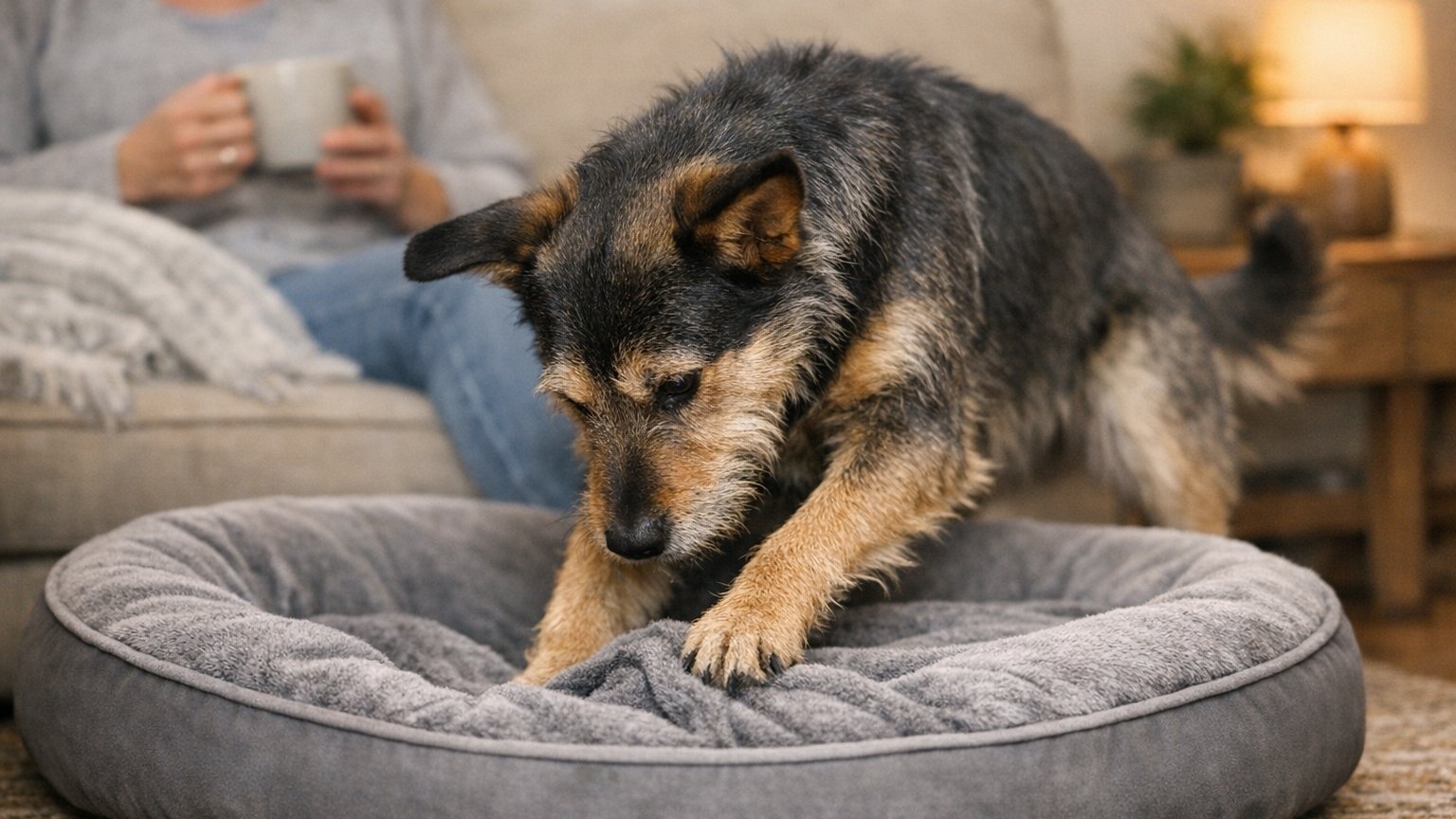
Sleep quality for dogs depends heavily on the surface and environment provided.
Dedicated beds are not simply accessories. They influence physical health, temperature balance, and emotional stability.
Support and Joint Health
Proper support during sleep plays a critical role in maintaining musculoskeletal health.
A well-designed bed distributes weight evenly, reducing strain on pressure points.
The importance of support becomes more evident in certain groups:
- Large breeds that carry more body weight
- Senior dogs with reduced joint flexibility
- Dogs with arthritis or hip dysplasia
Without adequate support, pressure builds in joints and muscles. Over time, this can lead to discomfort, stiffness, and worsening of existing conditions.
Orthopedic and memory foam beds are designed to address these concerns. Materials contour to the dog’s body, allowing for:
- Even weight distribution
- Reduced pressure on joints
- Improved spinal alignment during rest
Consistent use of supportive bedding can help prevent long-term issues and improve mobility.
Temperature Regulation and Sleep Efficiency
Temperature plays a major role in sleep quality. Dogs can become uncomfortable quickly if heat builds up during rest.
Low-quality materials often trap heat, leading to restlessness.
Choosing breathable and protective options, such as a waterproof dog mattress, can help manage both temperature and moisture, creating a more comfortable and hygienic sleep surface.
Frequent repositioning interrupts sleep cycles and prevents deep recovery.
High-quality beds address these problems through advanced materials.
Breathable fabrics and specialized layers help regulate heat by either cooling or insulating based on the environment.
Better temperature control leads to deeper, more restorative sleep.
Security, Territory, and Behavioral Science
Natural instincts influence how dogs choose sleeping spaces. Many dogs seek areas that feel enclosed, predictable, and safe.
A dedicated bed creates a defined resting zone. Consistency helps reduce anxiety and encourages relaxation.
Behavioral benefits of a designated sleeping area include:
- Reduced stress due to familiar surroundings
- Stronger sense of territory and ownership
- Easier transition into rest
Scent also plays an important role. Over time, bedding absorbs familiar smells, reinforcing comfort and stability.
Familiar scent cues can:
- Help regulate emotional responses
- Provide reassurance during rest
- Encourage consistent use of the bed
A stable sleeping environment supports both mental and physical recovery.
Types of Dog Beds and Their Functions

Different bed designs address specific needs related to health, behavior, and environment.
Selecting the right type depends on the dog’s condition and habits.
Orthopedic Beds
Orthopedic beds provide targeted support for joints and muscles. Memory foam adapts to body shape, reducing pressure and improving comfort.
Key advantages include:
- Relief for dogs with joint pain
- Improved support for aging dogs
- Better alignment during rest
Donut or Bolster Beds
Raised edges offer structural support and a sense of enclosure. Circular shapes encourage curling behavior, which many dogs prefer.
Benefits of this design include:
- Head and neck support
- Increased feeling of security
- Reduced anxiety during rest
Cooling Beds
Cooling beds help maintain a comfortable body temperature during sleep. Specialized materials prevent heat buildup.
Situations where cooling beds are especially useful:
- Warm climates
- Breeds with thick or dense coats
- Dogs prone to overheating
Elevated Beds
Elevated beds lift the sleeping surface above the ground. Airflow improves underneath, helping regulate temperature and cleanliness.
Advantages include:
- Better ventilation
- Reduced contact with hard or hot surfaces
- Easier maintenance and hygiene
Matching the Bed to Your Dog

Selecting a bed requires attention to physical traits, health needs, and natural behavior. A well-matched bed improves both comfort and sleep quality.
Size and Sleeping Behavior
Sleeping position provides insight into the type of bed a dog needs.
Dogs that curl up prefer enclosed or round shapes, while those that stretch require more open space.
Important considerations include:
- Length and width relative to body size
- Preferred sleeping position
- Need for support or enclosure
Incorrect sizing can lead to discomfort. Beds that are too small restrict movement, while overly large beds may reduce the sense of safety.
Health and Age Considerations
Health status plays a major role in bed selection. Older dogs and those with joint issues benefit most from supportive materials.
Key factors to consider:
- Presence of arthritis or joint pain
- Risk of injury or strain
- Level of daily activity
Supportive beds can reduce discomfort and improve sleep quality. Early use of proper bedding can also help prevent future problems.
Behavioral Preferences
Each dog has individual preferences shaped by instinct and personality. Some dogs prefer enclosed spaces, while others feel more comfortable in open areas.
Matching bed design to behavior can lead to:
- Increased willingness to use the bed
- Reduced anxiety during rest
- More consistent sleep patterns
Observation of daily habits can help identify the best fit.
Sleep Environment Optimization

The environment plays a crucial role in how well a dog sleeps. Even the best bed will not perform effectively if placed in a disruptive setting.
The location of the bed should support calm and uninterrupted rest. Quiet areas with minimal foot traffic allow dogs to relax fully.
Important placement factors include:
- Distance from noise sources
- Stability of room temperature
- Access to a familiar and secure area
Cleanliness is equally important. Regular maintenance helps maintain a healthy sleep space.
Routine cleaning helps:
- Remove allergens and bacteria
- Eliminate odors that may cause discomfort
- Extend the lifespan of the bed
Consistency in daily routines also improves sleep patterns. Dogs benefit from predictable schedules that align activity and rest.
Keeping a dog close during the night, while maintaining a separate sleeping surface, offers a balanced approach. Emotional comfort remains intact while both dog and owner experience improved sleep quality.
Summary
Sleep forms the foundation of a dog’s physical and emotional health.
Consistent, high-quality rest supports behavior, reduces stress, and promotes long-term wellness.
A dedicated, well-designed dog bed delivers physical support, temperature regulation, and a sense of security.
Investing in a high-quality dog bed represents a practical, science-backed decision that enhances a dog’s life and improves the owner’s sleep as well.