

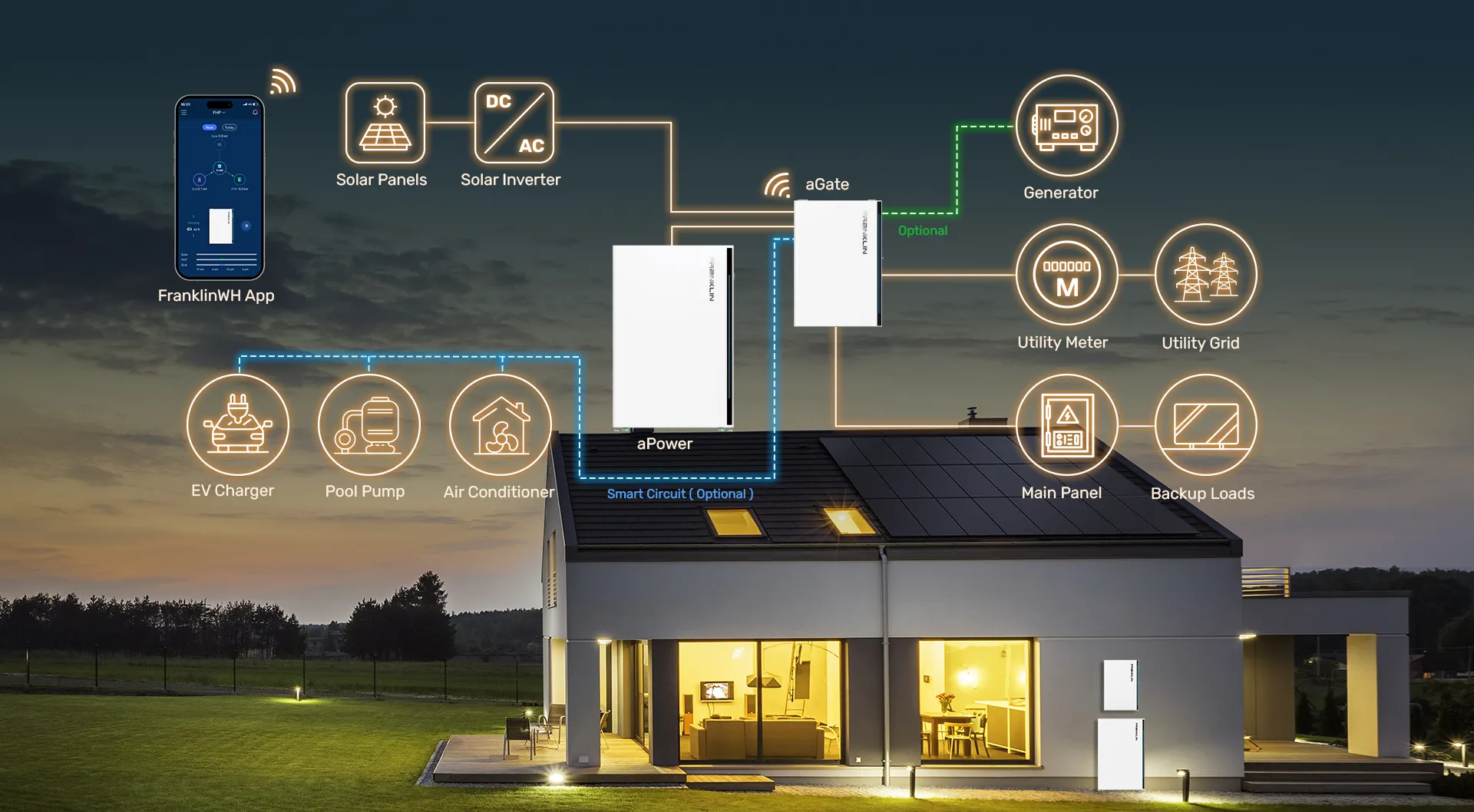
Power outages are becoming more common, and most homeowners now want something more reliable than a basic generator. The good news is that home energy backup has improved a lot. You now have options that are quieter, easier to maintain, and often compatible with solar.
What matters most is not the brand name. It is how well the system matches your home’s energy use, how long it can run your essentials, and how smoothly it switches on when the grid goes down.
What “Backup Power” Really Means at Home
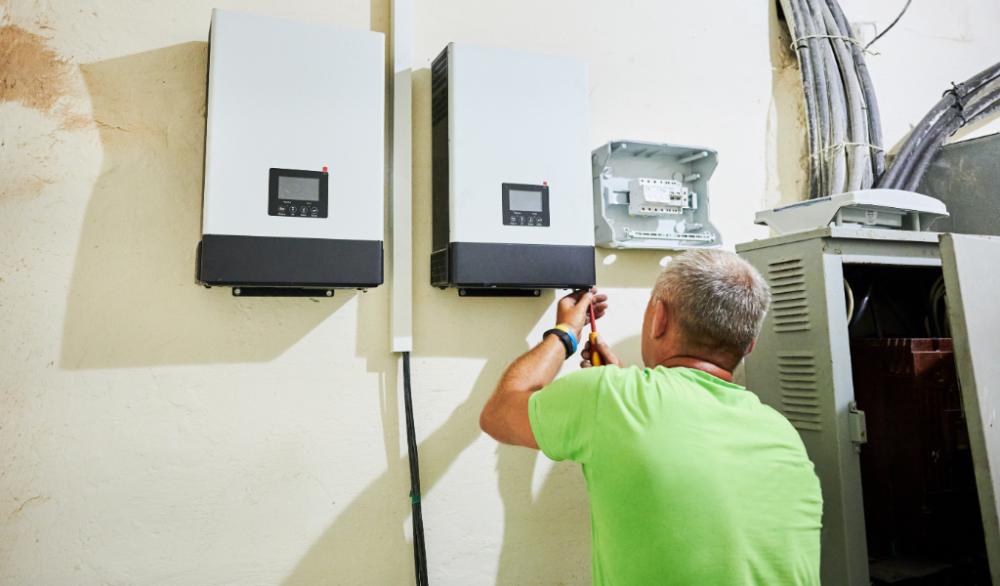
Before looking at specific systems, it helps to get clear on how backup actually works in a real house.
A battery does not power everything forever. It gives you a limited window, and that window depends on two numbers: capacity and output. Capacity, measured in kWh, tells you how long it can run. Output, measured in kW, tells you how much it can run at once.
Here is a simple way to think about it:
- A fridge, lights, and WiFi might use 1 to 2 kW combined
- A central AC unit can spike much higher during startup
- A typical home uses around 29 kWh per day(according to the S. Energy Information Administration).
So when you see a battery rated at 10 to 15 kWh, that usually means backup for essentials, not full-home comfort.
Whole-Home Battery Systems
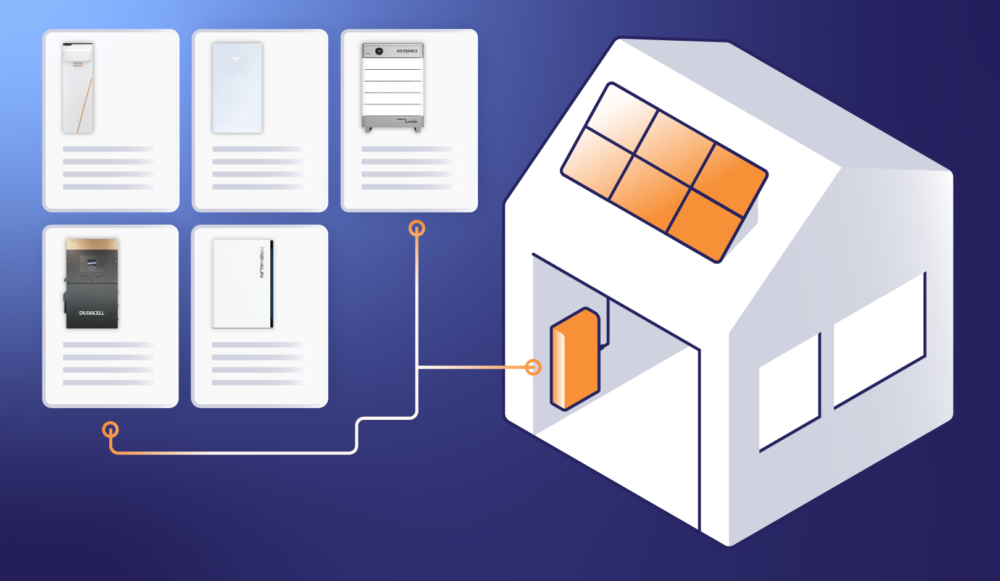
If your goal is seamless backup with minimal involvement, whole-home battery systems are where most people end up. These systems connect directly to your electrical panel and switch on automatically during an outage.
In practice, the main difference between options is scale. Some systems are fixed in size, while others grow with your needs.
A good example of how far these systems have come is modular setups. You can start small and expand later. Systems like EcoFlow’s newer models can scale from a single battery to very large storage banks, reaching up to 90 kWh and delivering over 20 kW of output . That is enough to run heavy loads like HVAC systems without shutting anything off.
If you want to see how these systems are typically configured or priced in real setups, The Solar Store gives a practical sense of what homeowners are actually installing and combining. Check them out here: https://thesolarstore.com/.
Important note: whole-home backup almost always requires a transfer switch or smart panel. Without that, the system cannot safely isolate your house from the grid.
Portable and Semi-Portable Power Stations
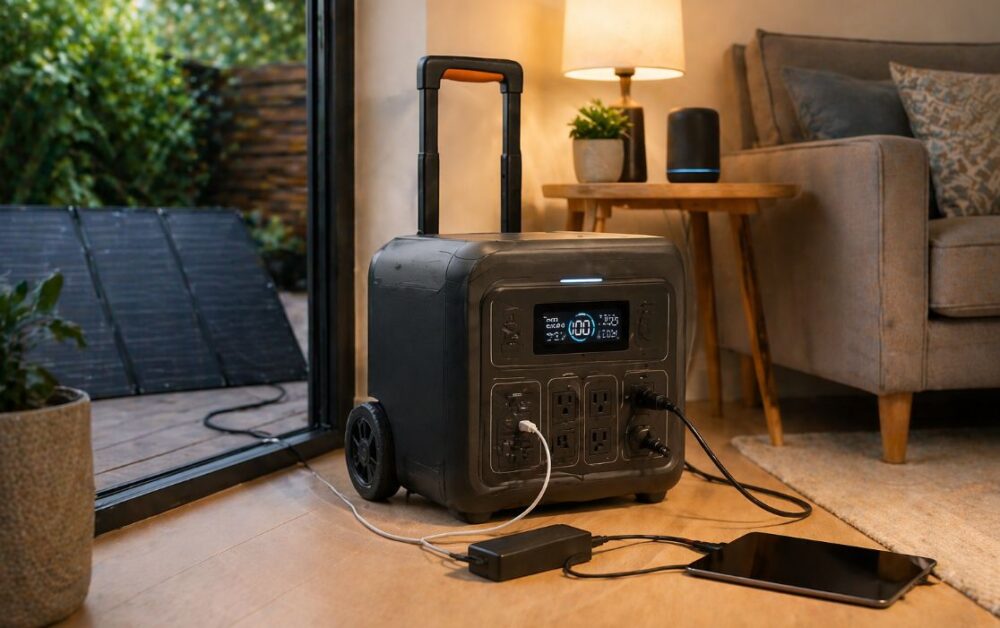
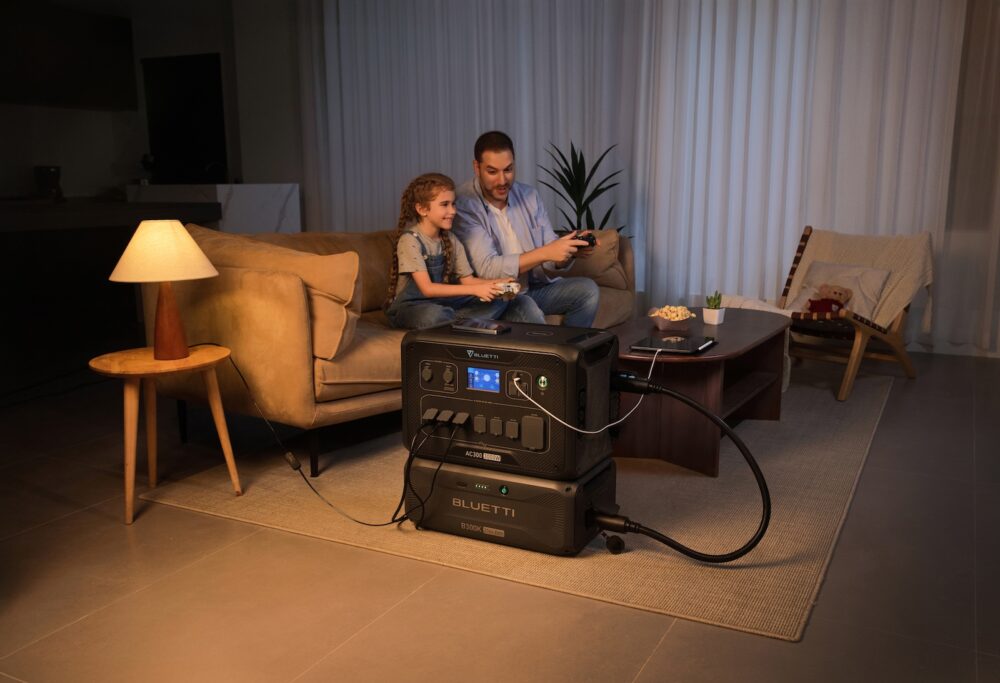
Not everyone needs a permanent install. Portable power stations fill a different role. They are easier to set up and do not require electrical work, but they come with limits.
These systems work well for:
- Apartments or rental homes
- Short outages
- Backup for specific circuits or rooms
The trade-off is power and integration. Even high-end portable systems usually need manual setup, and they do not always connect directly to your home panel unless you add extra hardware.
Still, newer units are much more capable than older models. Some now support 240V output and can integrate with a home panel, which makes them closer to hybrid solutions than simple backup boxes.
Battery Chemistry and Why It Matters
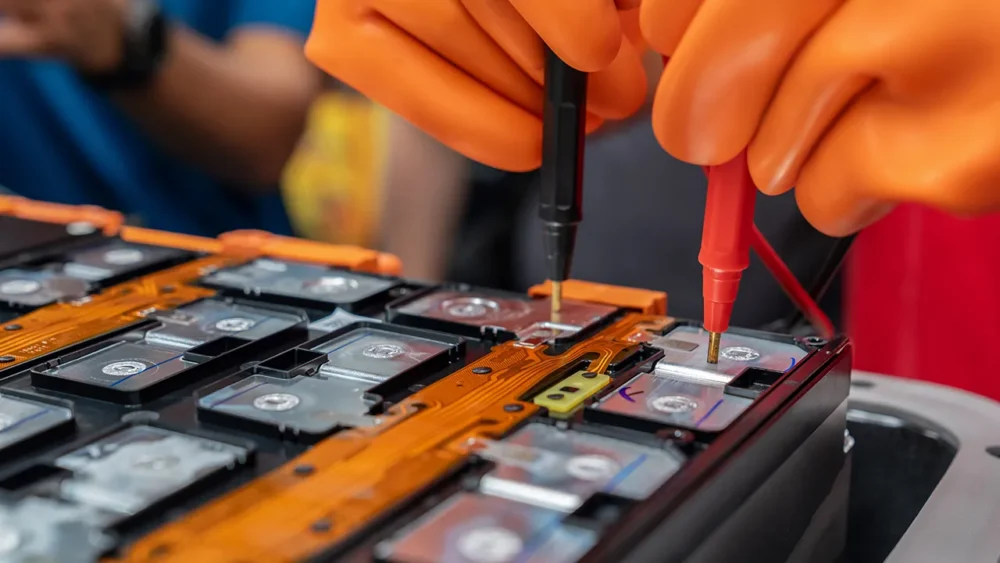
One detail that often gets ignored is battery chemistry. It has a direct impact on safety, lifespan, and performance.
Most modern systems use lithium iron phosphate, often called LFP. This chemistry is more stable and lasts longer than older lithium-ion types.
Here is why it matters in real use:
- LFP batteries typically last 3,000 to 5,000 cycles before dropping to 80 percent capacity
- They are less prone to overheating under heavy loads
- They handle repeated daily use better, especially with solar
Fact: cycle life matters more than warranty length. A longer cycle life means the system will stay useful even if you rely on it daily, not just during outages.
Choosing the Right System Size
Sizing is where most homeowners get it wrong. Many either overspend or end up with a system that cannot handle their needs.
Instead of guessing, break your usage into two categories:
First, identify essential loads. That usually includes refrigeration, lighting, internet, and a few outlets. Then decide if you want comfort loads like air conditioning or electric heating.
A quick comparison helps clarify the difference:
| Usage Type | Typical Capacity Needed | What It Covers |
| Essentials only | 5 to 10 kWh | Fridge, lights, WiFi |
| Partial home | 10 to 20 kWh | Essentials plus some appliances |
| Full home | 20 kWh and above | Most or all circuits |
After choosing your range, match it with output. A system with high capacity but low output will still struggle with large appliances.
Battery Backup vs Gas Generators
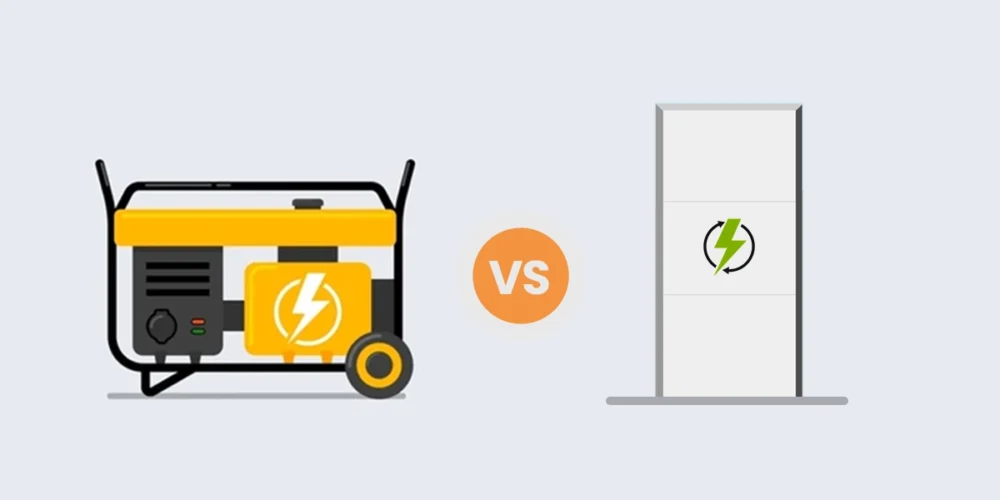
This is a common question, and the answer depends on how you plan to use backup power.
Generators still have one clear advantage. They can run as long as you keep adding fuel. That makes them useful for long outages in rural areas.
Batteries work differently. They are quieter, require almost no maintenance, and can recharge from solar. That makes them better for daily use and shorter outages.
The practical differences look like this:
- Batteries switch on automatically and run silently
- Generators need fuel, ventilation, and regular testing
- Batteries can recharge during the day if paired with solar
Most homeowners today lean toward batteries because they integrate better with modern electrical systems and require less effort over time.
Smart Features and Real-World Use
Modern backup systems are not just batteries. They are part of a larger system that manages energy use.
A smart panel or app can control which circuits stay on during an outage. It can also prioritize loads and help stretch your battery longer.
Some systems even prepare ahead of time. If a storm is expected, they can charge to full automatically. That kind of automation reduces the need for manual checks.
In real use, these features matter more than extra capacity. A well-managed 10 kWh system can often outperform a poorly managed 15 kWh setup.
Frequently Asked Questions
1. Can a home battery power an entire house all day?
Yes, but only if the system is large enough. Most standard systems in the 10 to 15 kWh range are designed for essential loads. Running a full house for an entire day usually requires 20 kWh or more, especially if you use HVAC systems.
2. How long do home battery systems typically last before replacement?
Most modern systems last around 10 to 15 years. The exact lifespan depends on usage patterns, charging cycles, and temperature conditions. Systems used daily with solar may reach their cycle limits faster than those used only during outages.
3. Do home batteries work during long multi-day outages without solar?
They can, but only until the stored energy runs out. Without solar or another charging source, even large systems will eventually deplete. For outages lasting several days, pairing batteries with solar or a generator provides more reliability.
4. Is it possible to add more batteries later?
Yes, many modern systems are modular. You can start with a smaller setup and expand over time. This approach helps manage upfront costs while keeping the option to increase capacity later.
5. Will a battery backup reduce my electricity bill or just provide backup?
It can do both. If paired with solar or time-of-use pricing, a battery can store energy when rates are low and use it when rates are higher. That reduces reliance on grid electricity and lowers overall costs.
Final Thoughts
Choosing the best home energy backup option is less about finding the “top” product and more about matching the system to your home.
Start with your actual usage. Decide what needs to stay on, and for how long. Then choose a system that can handle both the energy and the power demand without stretching its limits.
Most modern households benefit from battery systems because they are quiet, automatic, and easy to integrate with solar. Portable units make sense for flexibility, while larger fixed systems are better for full-home coverage.
If you approach it this way, the decision becomes much clearer. You are not comparing brands. You are building a system that fits how your home actually uses energy.