

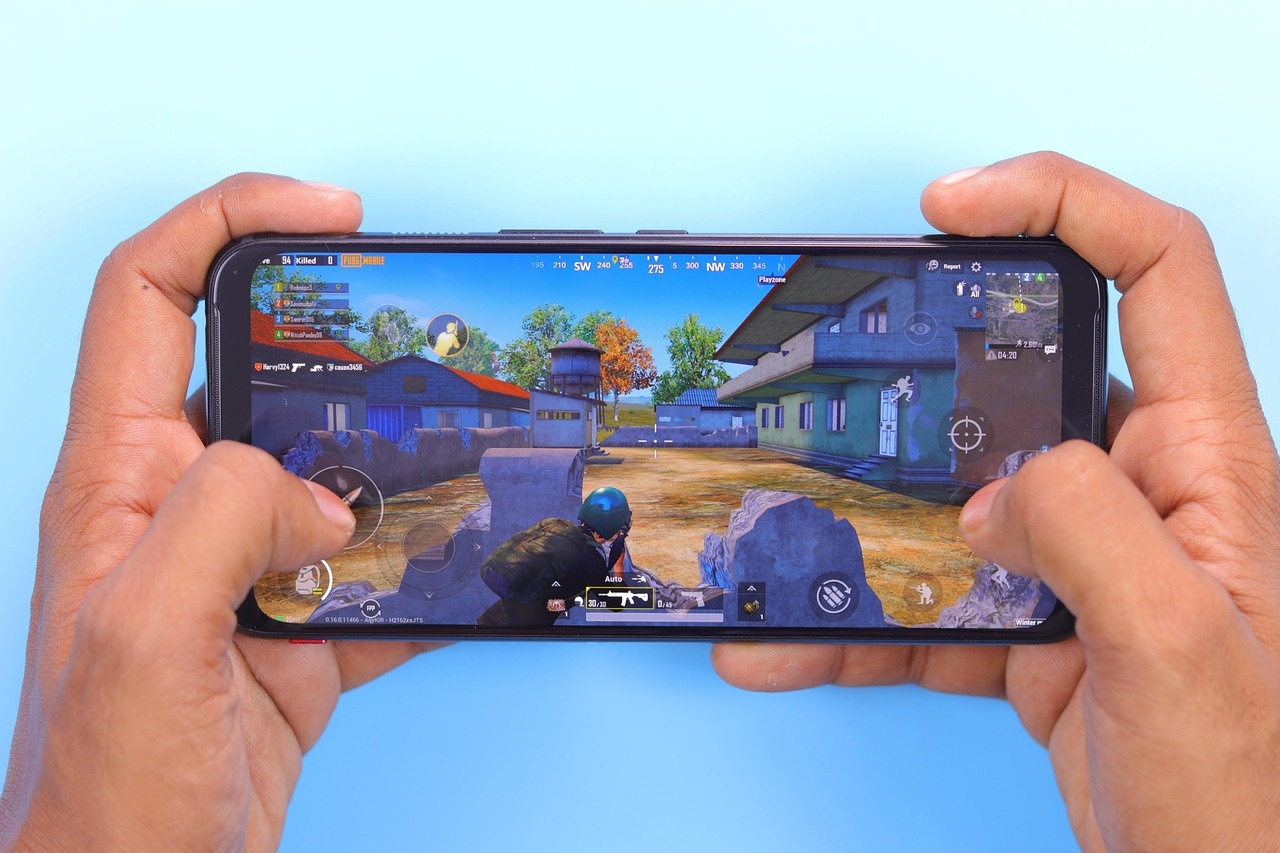
Mobile gaming has moved past simple tap mechanics. Today, platforms are built around retention, personalization, and long-term engagement. The focus is no longer just on getting a player to install a game, but on keeping them active for weeks or months. That shift has changed how games are designed at every level, from UI decisions to backend systems.
If you look at the most successful platforms right now, they all share a similar mindset. They treat design as part of a larger system that connects gameplay, data, and monetization. The trends below explain how that system actually works in practice.
Hybrid gameplay and long-term engagement loops

Modern mobile-first platforms rarely rely on a single gameplay idea. Instead, they combine simple mechanics with deeper progression systems that keep players coming back. This hybrid approach has become standard because it balances accessibility with long-term value.
In practical terms, a player might start with a very simple mechanic but quickly move into systems like upgrades, collections, or seasonal events. That shift matters because retention now depends more on meta systems than core gameplay alone.
To understand how this shows up in real platforms, you can look at ecosystems built around providers like Online Jili Games, where multiple game types coexist under one platform. Players are not just engaging with one loop. They move between different experiences, which extends session time and keeps the overall platform active.
What stands out here is the pacing. Early gameplay is quick and simple. Later progression becomes layered. That balance is intentional and driven by data.
Minimal UI and touch-first interaction design

Mobile screens are limited, so every element on the screen has to justify its presence. The current direction is clear. Interfaces are getting simpler, and interaction is shifting toward gestures instead of buttons.
Developers are reducing clutter because too many elements increase friction. A clean interface helps players stay focused and reduces confusion during early sessions.
Here are a few patterns that show up consistently:
- Interfaces show fewer permanent elements, with controls appearing only when needed
- Gestures like swipe and pinch replace static UI buttons
- Feedback is handled through subtle animations or haptics instead of extra text
The result is a faster onboarding experience. Players learn by doing rather than reading instructions. That has a direct impact on retention in the first few minutes of gameplay.
Clear UI reduces cognitive load and improves early retention, which is one of the most critical metrics in mobile games.
AI-driven personalization and adaptive systems

Personalization has moved beyond cosmetic changes. It now affects gameplay, difficulty, and even interface layout. The goal is simple. Make the experience feel relevant to each player.
AI systems track behavior in real time. Based on that data, they adjust difficulty, recommend content, or change pacing. This approach improves engagement because players are less likely to feel stuck or bored.
A simple way to understand this is through difficulty scaling. If a player struggles, the system adjusts challenges slightly. If they perform well, the game becomes more demanding. That balance helps reduce churn.
There is also a production benefit. AI is increasingly used to generate content, test features, and speed up development pipelines. That reduces time to release while keeping quality consistent.
Cross-platform continuity and ecosystem design
Mobile-first no longer means mobile-only. Most platforms are built with cross-device usage in mind. A player might start a session on a phone and continue later on another device.
This shift requires a different kind of architecture. Systems need to support shared progress, unified accounts, and synchronized data.
To make this work, developers focus on a few core elements:
- Cloud-based save systems that update in real time
- Unified user profiles across devices
- Interfaces that adapt to different screen sizes
The benefit is not just convenience. It increases total playtime because players are not restricted to one device or session type. That flexibility directly supports retention goals.
Monetization aligned with player experience

Monetization has changed significantly in mobile-first platforms. Aggressive pay-to-win systems are being replaced with models that focus on perceived fairness.
Players are more willing to spend when purchases feel optional and do not block progression. That has led to a stronger focus on cosmetics, seasonal content, and subscriptions.
A simple breakdown of current monetization structure looks like this:
| Model | What it offers | Why it works |
| Cosmetics | Skins, avatars | No gameplay advantage |
| Battle passes | Time-based rewards | Encourages regular play |
| Subscriptions | Ongoing perks | Predictable revenue |
The key detail here is alignment. Monetization works best when it supports engagement rather than interrupting it. That is why design and revenue systems are now closely connected.
Performance optimization and technical efficiency
Performance is often overlooked in discussions about design, but it plays a major role in mobile-first platforms. If a game drains battery or runs poorly, players leave quickly.
Developers now design with performance constraints in mind from the start. That includes optimizing rendering, reducing file sizes, and improving load times.
Two technical strategies are widely used:
- Asset streaming, which loads content only when needed
- Scalable graphics settings for different device levels
These approaches make it possible to deliver high-quality visuals without excluding lower-end devices. That matters because mobile audiences are diverse in terms of hardware capability.
Social features and immersive layers

Mobile platforms are becoming more social by default. Features like friend lists, co-op missions, and shared events are integrated early in development rather than added later.
Social systems increase engagement because they create reasons to return. A player might log in not just to play, but to interact with others or participate in events.
Another growing area is immersive technology. Augmented reality and spatial audio are being used more carefully. The goal is not to add complexity but to enhance interaction when it makes sense.
What matters here is balance. Social and immersive features need to support the core experience, not distract from it.
FAQs
Final thoughts
Modern mobile-first game platforms are built around systems, not isolated features. Design decisions are tied to retention, performance, and monetization from the beginning.
The trends are consistent across successful platforms. Simpler interfaces, deeper progression, smarter personalization, and flexible access across devices. None of these ideas work in isolation. They support each other.
If you look at how games are evolving, the direction is clear. Platforms are becoming more adaptive, more connected, and more focused on long-term engagement. That shift is not theoretical. It is already shaping how top-performing games are built and maintained today.