

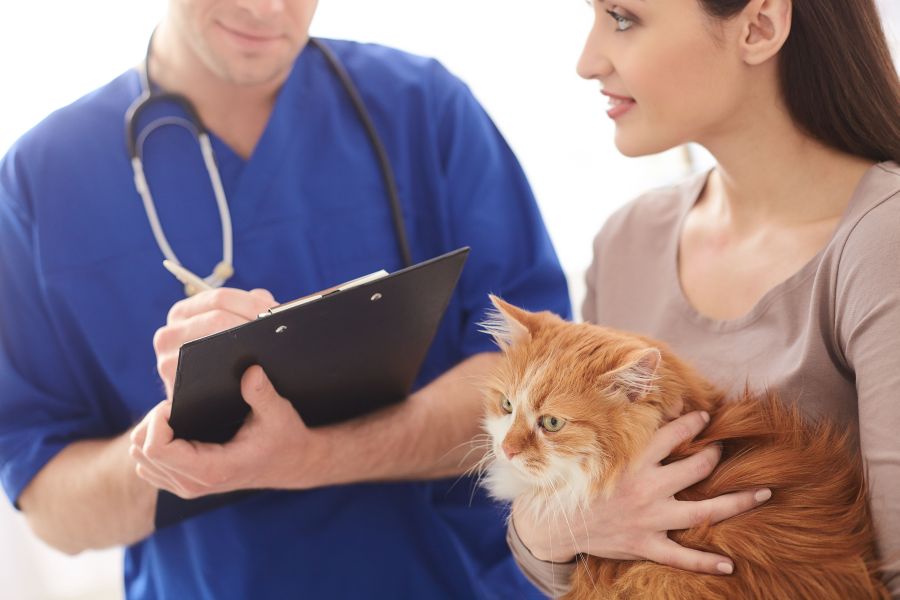
If you are thinking about becoming a veterinary osteopath, you are probably already working with animals in some way. That matters more than most people expect. This is not a career you step into from zero. It builds on an existing clinical or manual therapy background, and the learning curve is practical, not just academic.
The path is clear once you understand how the profession actually works. You need a solid foundation, then structured training, then supervised clinical experience. There are no shortcuts, but it is a very defined process.
What a veterinary osteopath actually does

Before getting into training, it helps to understand the day to day reality. A veterinary osteopath works with the musculoskeletal system of animals, mostly dogs and horses, using manual techniques.
You are not diagnosing diseases or replacing a vet. You are assessing movement, tension, and function, then applying treatment that supports recovery or performance.
In practice, that usually means:
- Assessing gait and posture in motion and at rest
- Using palpation to identify restrictions in joints and soft tissue
- Applying manual techniques to improve mobility
- Working alongside veterinarians and other professionals
Most practitioners end up specializing. Some focus on sport horses, others on rehabilitation in dogs. The work becomes very hands-on very quickly, which is why the training is structured the way it is.
Do you need a background before starting
This is one of the biggest points people get wrong. In many cases, yes, you do need a prior qualification.
Most recognized programs expect you to come from:
- Veterinary medicine
- Physiotherapy
- Human osteopathy
- Chiropractic or animal rehabilitation
There are exceptions depending on the country, but many structured pathways are postgraduate. For example, MSc-level courses are designed specifically for already qualified practitioners who want to apply osteopathic techniques to animals.
In some regions, the title “osteopath” is also legally protected, which affects how you can describe your work and what you are allowed to do.
If you do not have a clinical background yet, your first step is not osteopathy training. It is getting into a related profession first.
Choosing the right training pathway
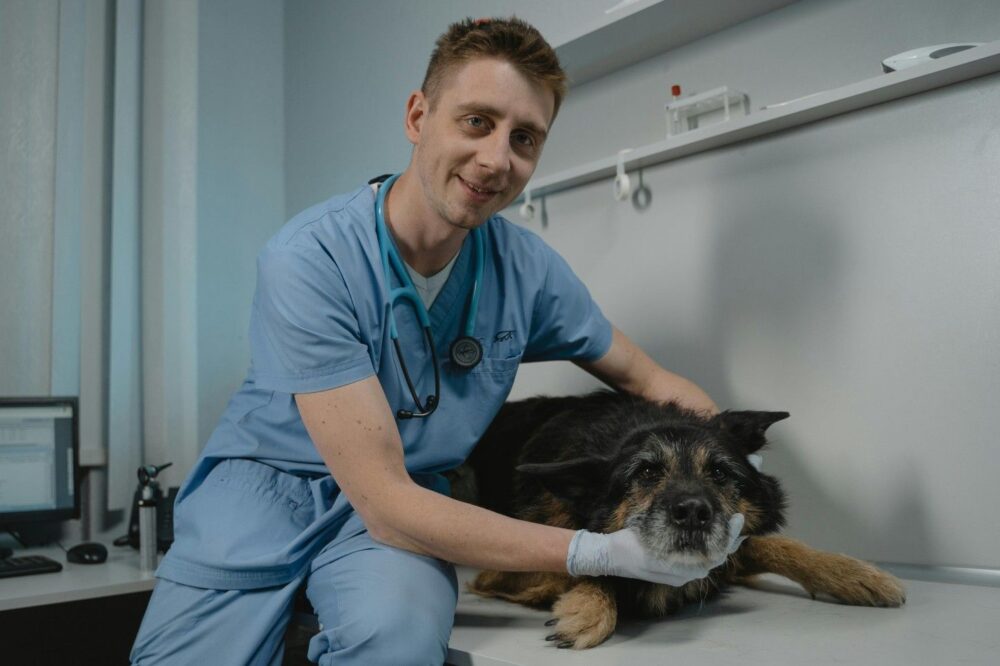
Once you have the right foundation, the next step is choosing a training program. This is where people often feel overwhelmed because there are many options.
Some are fully in-person. Others combine online theory with practical workshops. A good example is enrolling in a structured distance learning course in animal osteopathy, which allows you to build theoretical knowledge while still working in your current role.
Programs typically include:
- Detailed anatomy and biomechanics
- Neurology and pathology
- Manual therapy techniques
- Case assessment and clinical reasoning
Many courses are modular. You start with preclinical theory, then move into clinical application. According to program structures, this can involve hundreds of hours of study before you even begin hands-on work.
The key is to choose a program that includes supervised clinical training. Without that, you are not ready to practice.
How long does it take to qualify
This is not a quick certification. Most people underestimate the time commitment.
Training duration depends on your background and the program, but realistic timelines look like this:
- 2 years for a part-time MSc program
- 3 to 5 years for full structured training pathways
- Additional time for clinical experience and case work
Human osteopathy training alone often takes 4 to 5 years to reach clinical competence, and animal osteopathy builds on that level of depth.
Some diploma programs include more than 2,000 hours of combined theory and clinical work, which gives you an idea of the expected level.
If you are planning this path, think in terms of years, not months.
Clinical training is where it really starts
The real shift happens when you move from theory into clinical work. This is where most people either gain confidence or realize how much more they need to learn.
Clinical training usually involves supervised sessions where you:
- Work on real animal cases
- Record and analyze treatment outcomes
- Get direct feedback on technique
- Build consistency in your assessments
Some programs require hundreds of hours per species. For example, equine and canine training streams can include 500 to 600 hours each.
Important: Clinical competence is not about knowing techniques. It is about knowing when not to use them.
That distinction is what separates a trained practitioner from someone who has only studied theory.
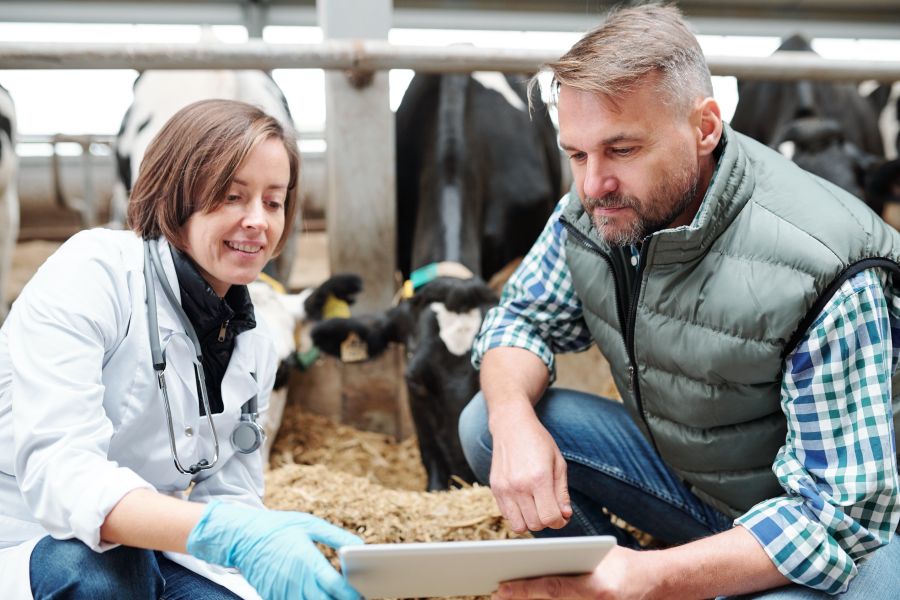
What you actually study during training
The content goes deeper than most people expect. It is not just learning techniques. It is understanding how the body functions and adapts.
Core study areas usually include:
- Functional anatomy of dogs and horses
- Biomechanics and movement analysis
- Neurological assessment
- Pathology and contraindications
- Osteopathic principles and treatment models
Programs often include over 400 hours of preclinical study before clinical modules begin.
A lot of time is spent learning how to assess, not just treat. That includes gait analysis, posture evaluation, and case history taking.
Regulations and legal considerations
This part is often overlooked, but it matters a lot.
Animal osteopathy is not regulated the same way everywhere. In some countries, you can practice with a diploma. In others, your scope depends on your original profession.
For example:
- Some regions require veterinary referral before treatment
- Some restrict the use of the title “osteopath”
- Some expect you to work under veterinary legislation
In the UK, for instance, work with animals must align with the Veterinary Surgeons Act and related exemptions.
You need to check local rules before choosing your training path, not after.
Building a career after qualification
Once you are qualified, most people work independently but stay connected to veterinary networks.
Typical career paths include:
- Private practice treating pets and sport animals
- Collaboration with veterinary clinics
- Specialization in rehabilitation or performance
- Ongoing education and advanced techniques
Continuing professional development is expected. In some professional frameworks, practitioners complete around 30 hours of CPD each year to stay current.
The work is hands-on, and your reputation builds through results, not marketing.
Common mistakes people make early on
A few patterns come up often with people entering this field.
One is underestimating the need for a strong clinical base. Another is choosing a course based only on flexibility without checking clinical requirements.
Some also expect to work independently right after finishing theory, which usually leads to poor outcomes.
If you want to avoid setbacks, focus on:
- Getting the right prerequisite qualification
- Choosing a program with real clinical training
- Understanding local regulations early
- Building experience gradually
There is no benefit in rushing this process.
Frequently Asked Questions
1. Do you need to pass an official exam to practice as a veterinary osteopath?
In some countries, yes. For example, in France, practitioners must pass a national aptitude exam organized by the veterinary authority after completing their training. The exam includes both theory and practical assessment to confirm clinical competence. In other countries, there is no single national exam, but you may still need to register with professional bodies or meet specific criteria before practicing.
2. Can you treat animals directly, or do you always need a vet referral?
That depends on local regulations. In many regions, especially in Europe, treatment often requires veterinary referral or at least collaboration with a veterinarian.
Even where it is not legally required, working with a vet is considered best practice. It ensures that underlying medical conditions are ruled out before manual treatment begins.
3. What skills matter most beyond formal training?
Technical knowledge is important, but it is not enough on its own.
The skills that make a real difference include:
- Strong palpation sensitivity
- Clear clinical reasoning
- Ability to handle different animal behaviors safely
- Communication with owners and veterinarians
4. Is there a demand for veterinary osteopaths right now?
Yes, demand has been growing, especially in rehabilitation and performance care.
More animal owners are looking for non-invasive support for mobility issues, recovery after injury, and long-term maintenance. This trend is visible across companion animals and equine sectors.
Final thoughts
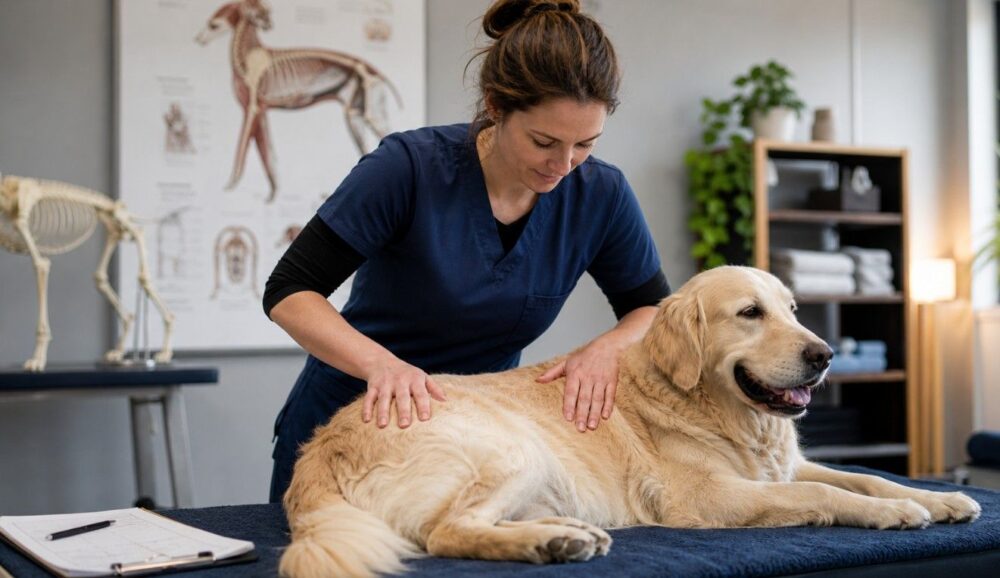
Becoming a veterinary osteopath is a structured, long-term commitment. It starts with the right background, then moves through formal education and supervised practice.
If you approach it step by step, it is very achievable. The key is staying realistic about the time, the training, and the responsibility involved.
Once you are properly trained, the work becomes very practical. You are helping animals move better, recover more effectively, and stay functional longer. That is where the real value of this profession shows up.