

Want to make your classroom run smoother without a full refit?
Many teachers are not aware of the difference that minor changes to the furniture in the classroom can have on the school day. The right desk, the right chair, the right layout… they can alter everything from levels of focus to how quickly pupils settle.
Here’s the truth:
You don’t have to do a major renovation to make a difference. Just some minor upgrades can improve day-to-day activities and the quality of pupil learning.
The classroom environment is one of the most underrated tools a teacher has.
In this article, you’ll learn the small upgrades that make the biggest difference.
Inside this article:
- Why Furniture Affects Classroom Routines
- The Best Small Upgrades To Consider
- How To Choose The Right Furniture For Your Classroom
- Quick Wins You Can Implement This Week
Why Furniture Affects Classroom Routines
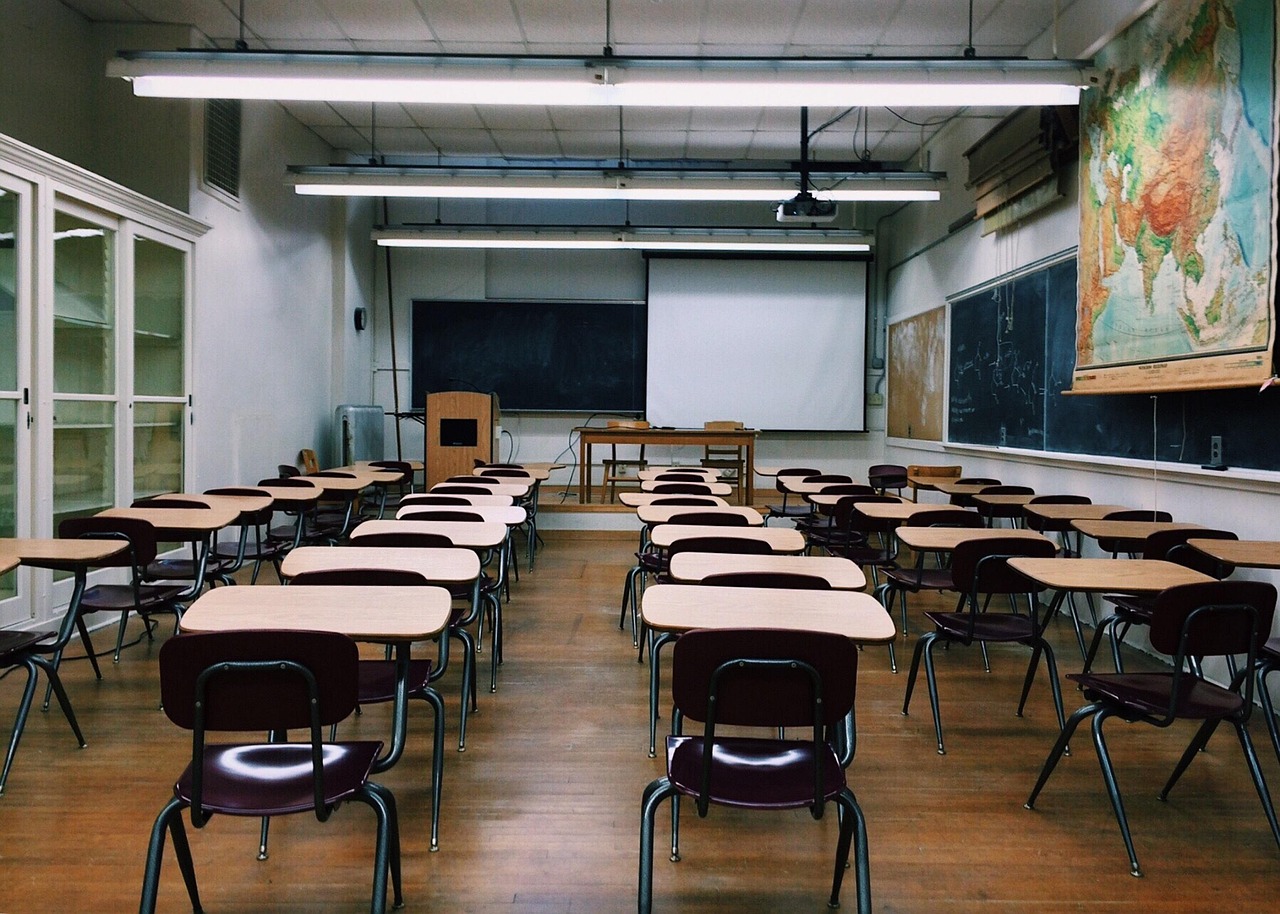
The subject of furniture may seem unexciting. It is, in fact, one of the major determinants of a classroom operation.
Why? Because students are at a desk for most of the school day. A UK study found that sitting is more than 65% of waking hours for primary-aged children. Most of that sitting occurs at school. It’s a significant portion of their day in a furniture system that can either support or hinder them.
When furniture works for your classroom, everything gets easier:
- Pupils settle quicker
- Transitions take less time
- Less mess, less fuss, less wasted minutes
But when the furniture doesn’t fit the space or the pupils?
Chaos ensues. Scraped knees, tipped chairs, lost worksheets – and a teacher who is constantly refereeing instead of teaching.
Research by the University of Salford discovered that classroom design elements can influence a pupil’s academic progress by up to 25% over the course of a school year. Furniture is one of the largest design elements in any classroom.
The Best Small Upgrades To Consider
Okay. Now for the good stuff. Here are the little upgrades that matter the most in real classrooms.
Bench Desks That Actually Fit The Room
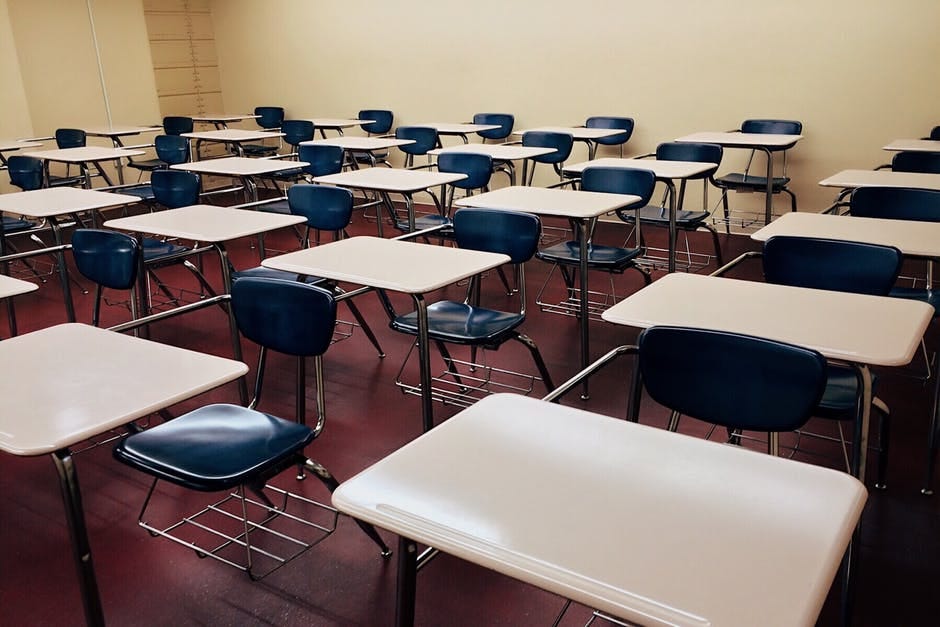
Bench desks are one of the most underrated upgrades you can make.
Here’s why they work so well:
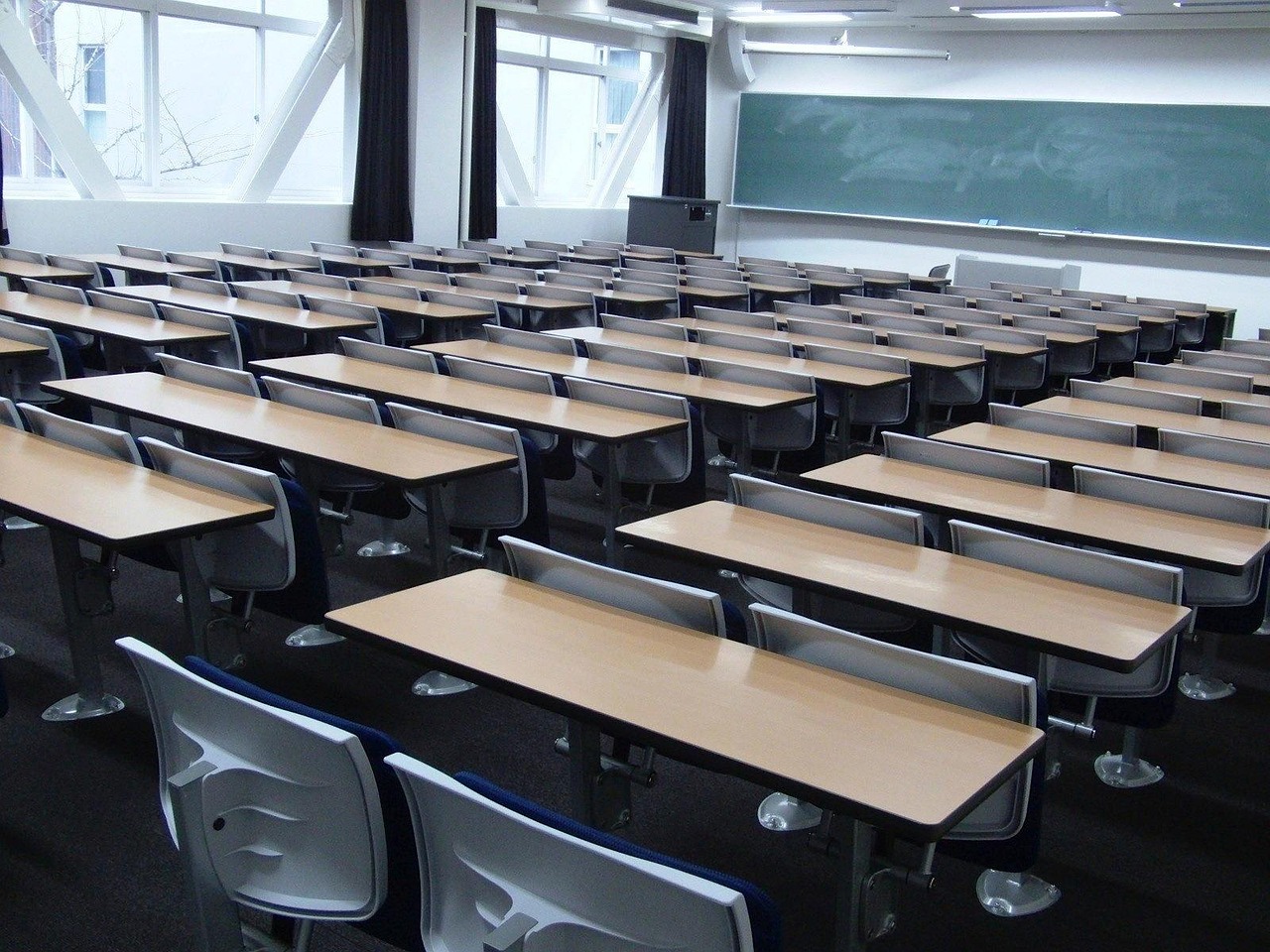
Rows of individual single desks can be space-consuming and cumbersome to use when working in groups. Bench desks solve this problem by providing a long shared workspace capable of seating several students that are simple to reconfigure between individual and group work.
You can also match them with classroom desks with tray drawers so every child has their own private storage space without using up additional desk space. So books, pens and worksheets stay neat and ready to hand. No more lost homework. No more rummaging through bags during class time.
Cleaning is also easier with bench desks. One long surface to wipe rather than 12 separate tables.
It’s a small change. But it makes the daily routine so much easier.
Chairs That Match The Pupil
This one is huge.
A chair that’s the wrong height for a child causes:
- Slouching
- Fidgeting
- Tired legs
- Lost focus
Science supports this. A study concluded that students sit more properly and are on task more frequently when in chairs that are proportioned to their bodies. Ergo, if your seats are ill-sized, students literally can’t focus.
You don’t need $800 ergonomic chairs for this. You just need chairs that are appropriate to the age of the students you teach. Nothing more.
Storage That Lives Where It’s Needed
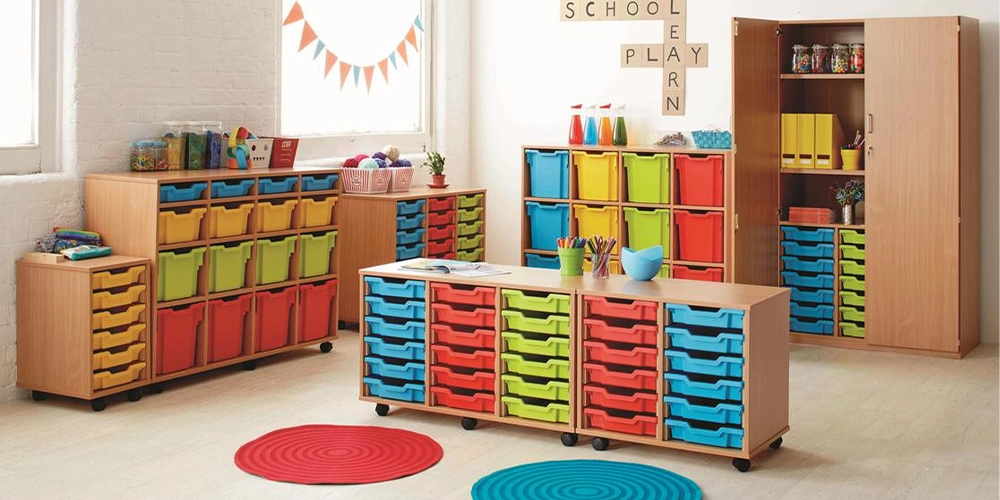
Storage is a daily killer. If your storage is across the room, every time you transition it’s a 5 minute walk for everyone.
Solve this with:
- Mobile trolleys that you can move during lessons
- Low-level shelving pupils can reach themselves
- Cubby units near the door for bags and coats
Keep it simple. Kids need to get what they need and return it without creating a class disruption.
Sit-Stand Desks Or Standing Options
This might surprise you…
A UK study found that when sit-stand desks were introduced to a classroom, there was a decrease of approximately 30 minutes in sitting time per day. This is significant for posture, concentration and energy.
You do not have to switch out all the desks. Even a few 1 or 2 standing options at the side of the room provides students with an opportunity to move throughout the lesson. It is especially good for restless students.
How To Choose The Right Furniture For Your Classroom
Selecting classroom furniture isn’t about choosing the “cutest”. It’s about choosing what is best for your students, your room, and your teaching style.
Here are the things to think about:
- Age of pupils – Younger pupils should have smaller, lighter furniture that they can easily move. Older pupils should have more durable, full-size furniture that will not rock.
- Space – Measure your classroom prior to making any purchases. A bench desk that looks nice in the catalog may leave you with no room to move when it’s in place.
- Activity type – Do you do lots of group work? Pick furniture that can be easily rearranged. Do you teach mostly direct instruction? Rows might work better for you.
- Storage needs – Consider daily used items versus items that can be stored out of the way.
- Durability – School furniture takes a beating. Cheap is rarely worth it long term.
Don’t rush the decisions. The right furniture will last for years and impact how your classroom operates day in and day out.
Quick Wins You Can Implement This Week
Don’t have the budget for new furniture? No problem.
Here are some quick wins that don’t cost much:
- Rearrange your layout – Moving desks into a different formation changes how pupils interact
- Add labels – Clear labels on storage cuts down “Where does this go?” questions
- Create zones – A reading zone, a group work zone, a quiet zone
- Sort out cables – Tidy cables prevent trips
- Declutter – Remove anything you haven’t used in 3 months
These small tweaks cost almost nothing but they make routines flow much better.
Bringing It All Together
Small furniture changes can make a big impact on classroom rituals. You don’t need to break the bank or a complete overhaul. You simply have to be strategic in your choices about the pieces you use day in and day out.
To recap:
- Pick bench desks that fit your space and teaching style
- Match chairs to your pupils’ size
- Put storage where it’s actually needed
- Add some standing options for variety
- Use quick wins to improve what you already have
Most teachers don’t realize how much a difference furniture makes in their day. After making a few small upgrades, you’ll question how you ever got by without them.
The classroom should work for you, not against you.