

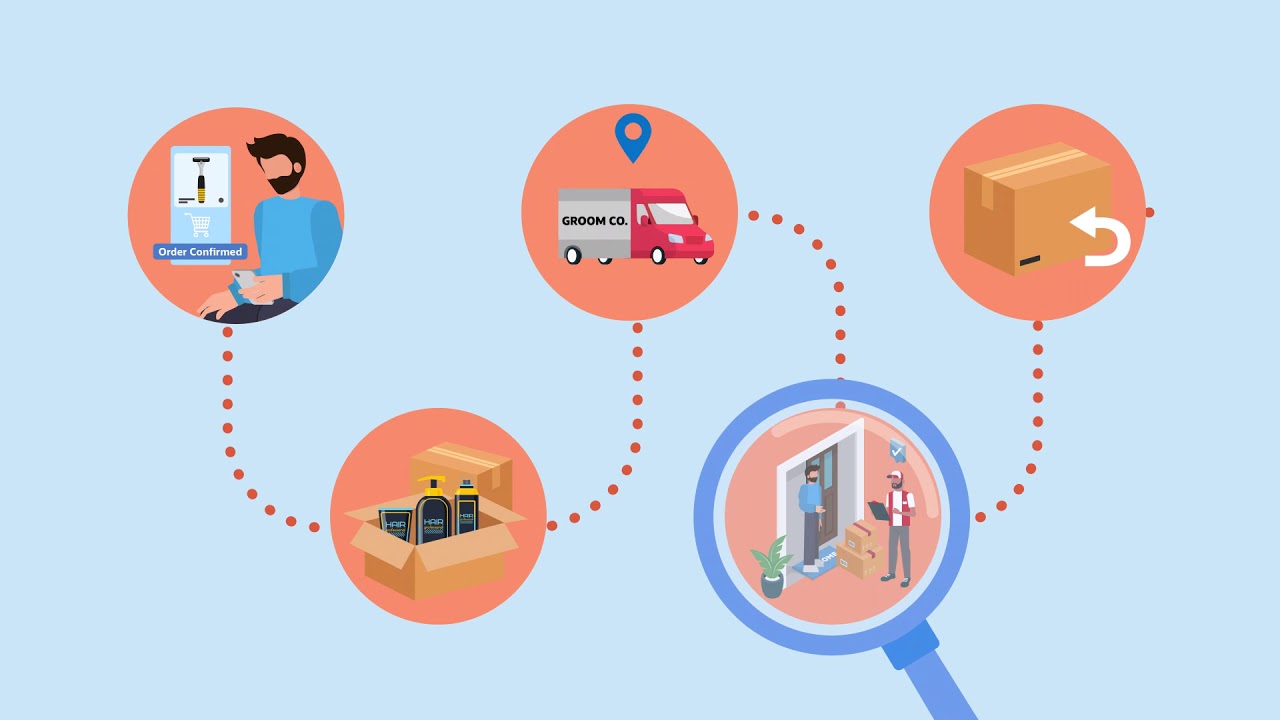
Most online shoppers only see the final step of ecommerce fulfillment. They place an order, get a tracking email, and wait for the package to arrive. Behind that process, there is a system handling inventory, warehouse operations, packaging, carrier coordination, and returns.
Ecommerce fulfillment affects delivery speed, customer satisfaction, inventory accuracy, and operating costs. Small mistakes inside the process often create bigger problems later, especially when order volume increases. Understanding how fulfillment works helps online stores scale without losing control of shipping quality or customer experience.
What Ecommerce Fulfillment Actually Includes
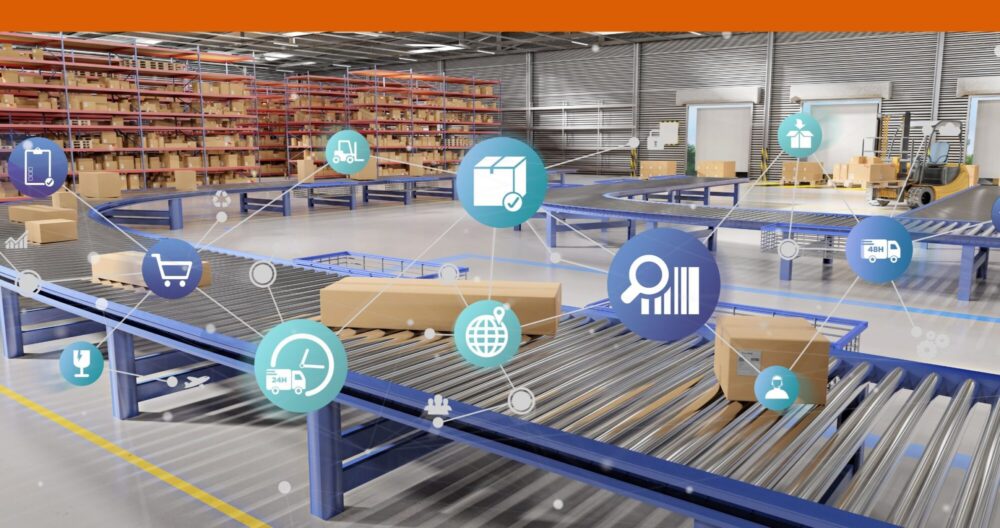
Ecommerce fulfillment covers every operational step between inventory arrival and final delivery. Once products enter a warehouse, they move through receiving, storage, order processing, picking, packing, shipping, and returns management. Most fulfillment systems are built around speed and inventory accuracy because customer expectations are now much higher than they were a few years ago.
Many growing stores eventually realize fulfillment becomes difficult to manage internally once order volume increases. That is usually when businesses start looking for a reliable 3PL for ecommerce provider that can manage warehousing, inventory tracking, packaging, and shipping operations under one system. Outsourcing fulfillment does not automatically solve operational problems, but it often reduces delays caused by limited warehouse space or understaffed shipping teams.
Important fact: fulfillment problems usually start long before shipping. Inventory errors during receiving and storage often create delivery mistakes later in the process.
Receiving Inventory and Organizing Storage
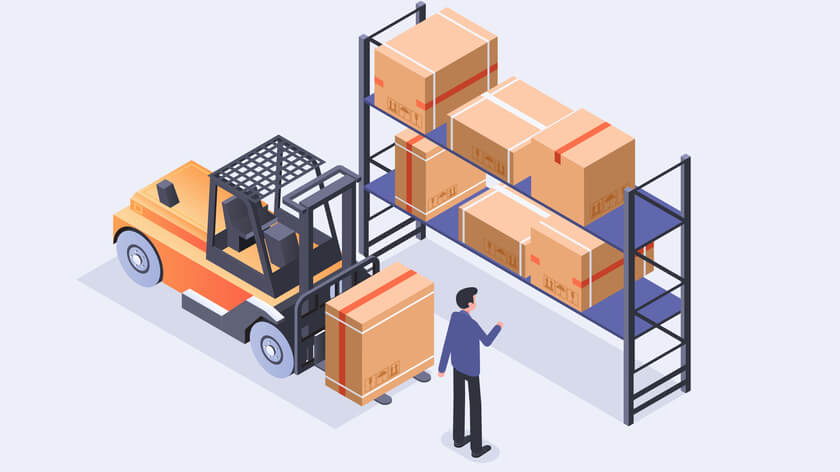
Before any order can be shipped, products first need to arrive at a warehouse or fulfillment center. Receiving inventory sounds simple, but it directly affects stock accuracy. Warehouse staff check quantities, inspect products for damage, assign SKUs, and enter inventory into warehouse management systems.
Warehouse efficiency also depends on having the right access equipment available for staff handling inventory at different storage heights. Many fulfillment centers use specialized ladders and access platforms to safely reach upper shelving locations, perform stock checks, and organize incoming inventory. Proper access equipment helps reduce workplace injuries while allowing workers to move products more efficiently throughout the storage area.
A poorly organized warehouse slows down every stage after receiving. Fast moving products are usually stored closer to packing stations while slower inventory may stay deeper inside storage areas. Warehouses also separate fragile products, oversized items, and temperature sensitive goods to reduce damage risks.
Some fulfillment centers now use barcode scanners and RFID systems to track inventory movement in real time. That improves stock visibility and reduces overselling problems during busy sales periods.
Here are a few warehouse practices that improve fulfillment speed:
- Clear SKU labeling reduces picking mistakes
- Organized shelf layouts shorten walking time
- Real time inventory tracking improves stock accuracy
- Frequent cycle counts reduce missing inventory problems
How Order Processing Starts After Checkout
Once a customer places an order, the ecommerce platform sends order details into the fulfillment system. Payment verification usually happens first. After that, warehouse software creates a picking request that tells workers where products are located inside the facility.
The process sounds automatic, but there are still many points where delays happen. Orders with missing inventory, invalid addresses, or incomplete payment information often get flagged for manual review. During major shopping periods, warehouses also prioritize certain shipping methods depending on delivery deadlines.
| Fulfillment Step | Main Goal | Common Problem |
| Payment verification | Prevent fraud | Failed transactions |
| Inventory allocation | Reserve stock | Overselling |
| Pick ticket creation | Start warehouse retrieval | Incorrect SKU mapping |
| Shipping selection | Match delivery speed | Carrier delays |
Most modern ecommerce systems connect directly with warehouse software so stock levels update automatically after each sale.
Picking and Packing Inside the Warehouse

Picking is the stage where warehouse workers retrieve ordered products from storage shelves. Packing happens after all items are collected. These two steps have a major impact on shipping speed and order accuracy.
Large warehouses often use zone picking systems where workers only handle one section of the facility. Smaller warehouses may use batch picking to collect multiple orders at the same time. Both methods are designed to reduce unnecessary movement across warehouse floors.
Packing is not just about putting products into boxes. Staff need to choose packaging sizes carefully, apply shipping labels correctly, and include protective materials when necessary. Poor packaging increases return rates because damaged deliveries cost both time and money.
Did you know?
Shipping costs are often affected more by package dimensions than product weight. Oversized packaging can increase carrier fees significantly even when products are light.
Shipping Carriers and Last Mile Delivery
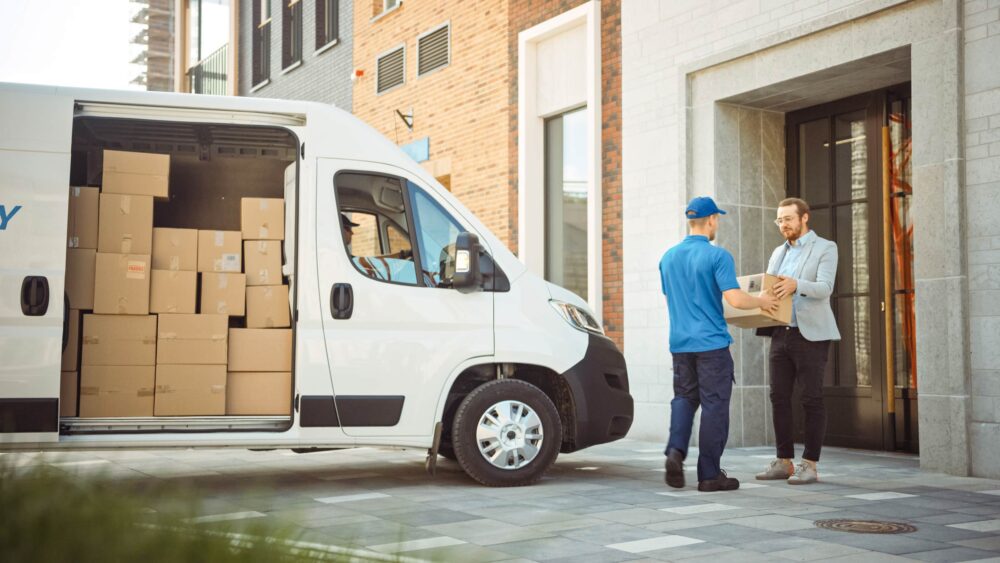
After packing is complete, shipments move to carrier pickup areas. Fulfillment teams generate tracking numbers and sort packages based on carrier requirements. Some warehouses work with multiple shipping providers at the same time to reduce delays and control delivery costs.
Last mile delivery is usually the most expensive part of ecommerce fulfillment. That final trip from a local distribution center to the customer often determines whether delivery arrives on time. Delays during this stage create most customer complaints because buyers already expect fast shipping updates.
Many ecommerce businesses now offer customers multiple delivery options:
- Standard shipping for lower costs
- Expedited delivery for urgent orders
- Local same day delivery in selected cities
- Pickup locations for missed deliveries
Tracking visibility also matters more than many businesses realize. Customers are usually more patient when tracking updates remain accurate and consistent.
Returns Management Is Part of Fulfillment Too
A fulfillment process is not finished after delivery. Returns management plays a major role in ecommerce operations, especially in industries with higher return rates like apparel, electronics, and beauty products.
Returned items need inspection before they can be restocked, discarded, or sent back to suppliers. Warehouses also process refunds, replacement shipments, and damaged goods claims. A slow returns process creates frustration quickly because customers expect refunds to happen fast.
Many businesses underestimate how expensive reverse logistics can become. Returned products create extra labor costs, additional shipping expenses, and inventory complications. Some retailers even lose money completely on low value returned items because processing costs exceed product margins.
Clear return policies reduce confusion and help support teams handle disputes more efficiently.
Common Fulfillment Problems Growing Stores Face
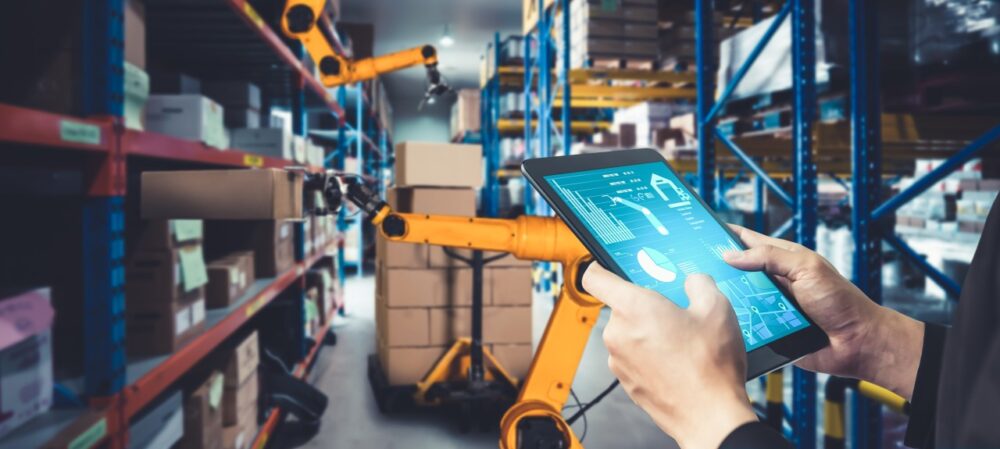
Most fulfillment systems work reasonably well at small scale. Problems usually appear during rapid growth, seasonal demand spikes, or inventory expansion. Warehouses that handled fifty daily orders may struggle badly once volume reaches several hundred shipments per day.
Inventory mismatches are one of the biggest operational issues in ecommerce fulfillment. If warehouse systems show incorrect stock counts, businesses may sell products that are no longer available. That creates canceled orders and customer frustration.
Other common fulfillment issues include:
- Slow receiving during inventory restocks
- Picking errors caused by similar product SKUs
- Carrier delays during peak shopping seasons
- Packaging shortages during high demand periods
- Limited warehouse space for expanding inventory
Many stores eventually redesign their fulfillment process once operational bottlenecks start affecting delivery speed and customer retention.
Frequently Asked Questions
1. How long does ecommerce fulfillment usually take?
Most ecommerce fulfillment centers process orders within 24 to 48 hours after purchase, but timing depends on inventory availability, carrier schedules, and order volume. Same day fulfillment is possible for businesses with automated systems and local inventory placement. Smaller stores handling fulfillment manually may need more time during busy periods.
2. Can ecommerce fulfillment work internationally?
Yes, but international fulfillment adds more operational layers. Businesses need to manage customs documentation, import taxes, shipping restrictions, and longer delivery timelines. Many ecommerce brands use regional warehouses or third party logistics providers to reduce international shipping costs and improve delivery speed.
3. What software is commonly used in fulfillment operations?
Most fulfillment systems rely on warehouse management software, inventory tracking tools, shipping integrations, and ecommerce platform connections. Popular systems usually connect directly with platforms like Shopify, WooCommerce, and Amazon so inventory and order data update automatically across all channels.
4. Why do some ecommerce stores split shipments into multiple packages?
Split shipments usually happen when products are stored in different warehouse locations or when one item is temporarily unavailable. Some fulfillment systems also separate oversized products from smaller items because carriers apply different shipping rules and packaging requirements.
5. Is ecommerce fulfillment different for subscription businesses?
Yes. Subscription fulfillment often follows recurring shipping schedules instead of individual one time orders. Warehouses handling subscriptions usually focus heavily on inventory forecasting because delays affect large groups of recurring customers at once.
Final Thoughts
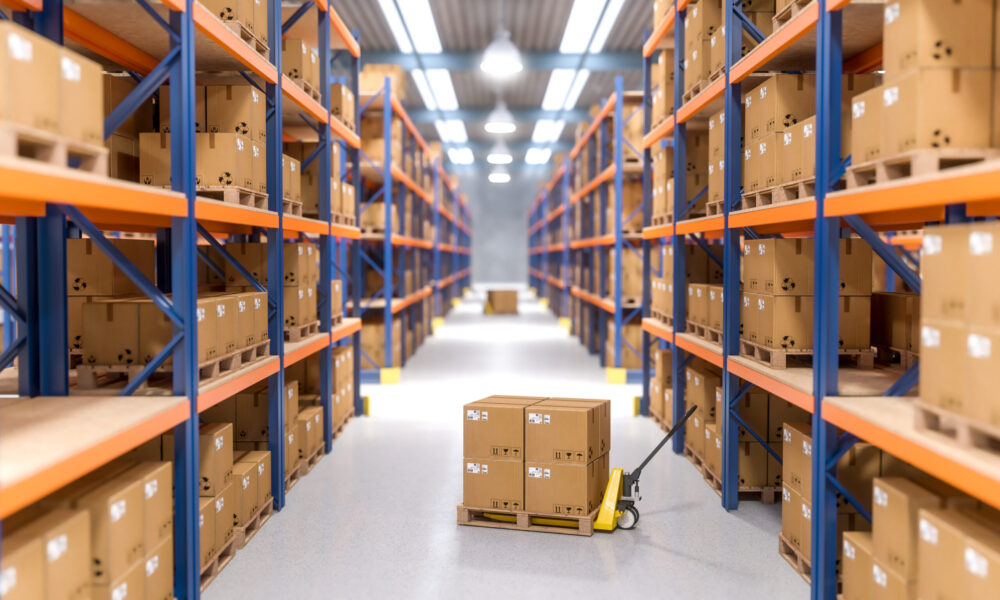
Ecommerce fulfillment looks straightforward from the customer side, but the operational side is much more detailed. Every shipment depends on inventory accuracy, warehouse organization, efficient picking systems, carrier coordination, and reliable returns handling.
Businesses that treat fulfillment as a basic shipping task usually run into scaling problems later. Strong fulfillment operations improve delivery consistency, reduce errors, and protect customer trust. That becomes more important as order volume grows and competition around shipping speed keeps increasing.