

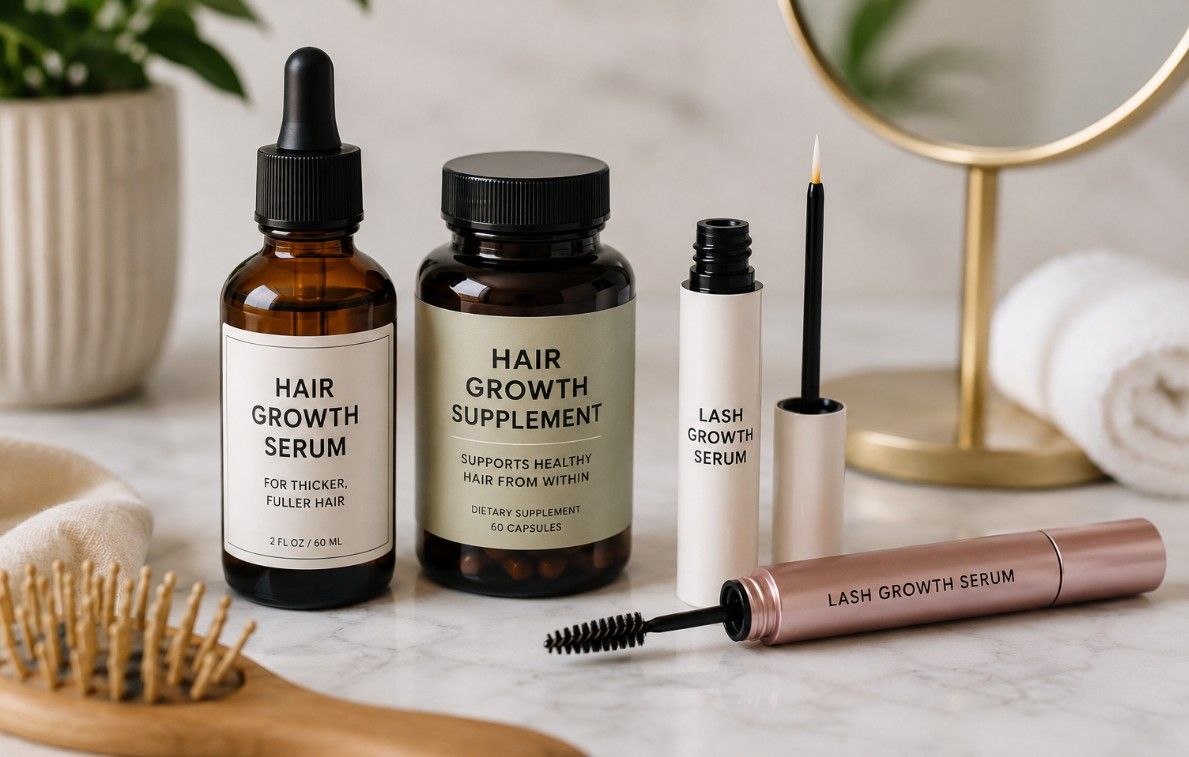
The beauty industry has no shortage of products promising thicker lashes, fuller brows, and healthier hair. Social media ads, influencer testimonials, and dramatic before and after photos often make every growth product look life changing. Real performance, though, usually comes down to ingredient quality, safety standards, transparency, and realistic claims.
A trustworthy beauty brand explains what is inside the formula, how the product was tested, and what users can realistically expect over time. Brands that avoid clear information often rely more on marketing than formulation quality. Before spending money on any growth product, it helps to evaluate the company behind it as carefully as the product itself.
Quick signs of a trustworthy beauty brand
- Full ingredient disclosure with clear explanations
- Independent safety or dermatology testing
- Realistic product claims instead of miracle promises
- Verified customer reviews from multiple platforms
- Responsive customer support and fair refund policies
- Evidence based formulation choices
- Ethical manufacturing and cruelty free standards
Clinically Backed Ingredients With Proven Results

The first thing to check is what’s actually inside the product. A trustworthy beauty brand does not just list ingredients: it uses compounds that have been studied, tested, and shown to produce real results.
ForChics plant-based beauty products, for example, focus on active botanical ingredients that have a documented track record in growth and follicle support. This matters because plant-derived compounds like biotin, castor oil, and peptide complexes each have research behind them. They are not filler ingredients added to make a label look impressive.
Before you buy, ask yourself: Does this brand explain why each ingredient is in the formula? If the answer is no, that is a red flag worth taking seriously.
“Randomized trials studying biotin supplementation in hair disorders are lacking.”
Journal of Cosmetic Dermatology review on biotin and hair growth research.
That distinction matters because credible brands usually avoid overstating what ingredients can realistically do. Strong formulations often combine supportive ingredients, scalp conditioning agents, peptides, and vitamins rather than presenting a single ingredient as a miracle solution.
Transparent Labeling and Ingredient Clarity
Ingredient transparency has become one of the clearest signs of a credible beauty company. Buyers today are more informed than ever, especially when choosing a growth product used near the scalp, eyes, or lash line.
The table below shows the difference between brands focused on transparency and brands that rely heavily on vague marketing language.
| Transparent Beauty Brands | Brands That Raise Concerns |
| Publish full ingredient lists | Only mention “hero ingredients” |
| Explain ingredient purpose | Use vague proprietary blend wording |
| Share testing standards | Avoid discussing safety testing |
| Provide allergy information | Leave potential irritants unclear |
| Discuss realistic timelines | Promise instant dramatic results |
A clear ingredient label also helps consumers identify allergens, fragrance sensitivities, and unnecessary fillers. Many dermatologists recommend reviewing ingredient lists before buying any cosmetic growth product because reactions around the scalp and eye area can take weeks to fully appear.
According to dermatology reviews, ingredient transparency strongly influences consumer trust in cosmetic products and long term brand credibility.
Brand Reputation and Professional Credibility
A reputable beauty company usually builds trust gradually through product consistency, customer satisfaction, and professional recognition. Viral popularity alone does not automatically make a growth product reliable.
Strong beauty brands often have:
- Independent media coverage
- Reviews from licensed dermatologists or trichologists
- Long term customer retention
- Consistent ingredient standards across product lines
- Public responses to customer complaints
Brands that actively address criticism often appear more trustworthy than companies showing only perfect reviews. A healthy mix of positive and moderate feedback tends to look more authentic than pages filled with identical five star testimonials.
Did You Know?
Several major beauty marketplaces now remove incentivized or suspicious reviews after investigations into fake testimonial networks. Many experienced shoppers compare reviews across retailer websites, Reddit discussions, and independent beauty forums before purchasing cosmetic products.
That extra verification process can reveal whether a growth product performs consistently outside sponsored promotions.
Dermatologist and Trichologist Support Matters
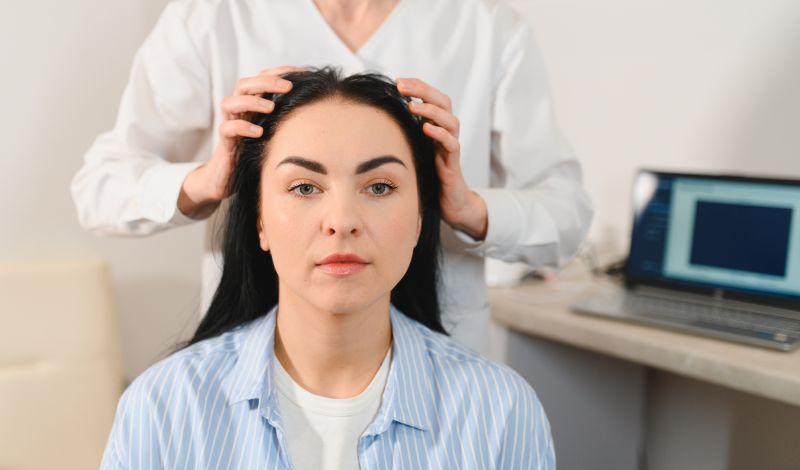
Professional endorsements can improve a brand’s credibility, especially when experts explain why they support a specific formula. Dermatologists and trichologists evaluate scalp health, follicle conditions, irritation risks, and ingredient compatibility regularly, which gives additional context beyond standard marketing claims.
A credible expert recommendation usually includes:
- Discussion of ingredient function
- Explanation of expected timelines
- Mention of possible side effects
- Clarification about who may benefit most
Some beauty brands misuse medical language without meaningful professional involvement. Phrases like “doctor approved” or “clinically inspired” often sound impressive while offering very little actual information.
In the United States, cosmetic products do not require FDA premarket approval before entering the market, except for certain color additives.
That regulatory reality makes professional oversight even more valuable when evaluating a new growth product.
Customer Reviews and Before and After Evidence
Customer reviews remain one of the strongest trust indicators when they appear authentic and balanced. Verified purchase reviews usually contain more specific details about consistency, application experience, timelines, and visible changes.
Reliable before and after evidence often includes:
- Different hair or lash types
- Realistic progress timelines
- Consistent lighting conditions
- Moderate rather than exaggerated results
Perfect transformations shown after only a few days often deserve skepticism. Hair and lash growth cycles naturally require time, especially with cosmetic products rather than prescription treatments.
Research published in dermatology journals repeatedly notes that consumer perception and anecdotal improvement frequently differ from controlled clinical evidence, particularly with ingredients like biotin.
That does not mean a product cannot support healthier looking hair or lashes. Realistic brands simply avoid presenting cosmetic support products as guaranteed medical solutions.
Safety Testing and Ethical Manufacturing Standards

Safety testing is one of the most overlooked factors when buying a beauty growth product. The scalp and lash line are sensitive areas, which means poorly formulated products may trigger irritation, dryness, redness, or allergic reactions.
Responsible beauty brands usually discuss:
- Dermatological testing
- Ophthalmologist testing for lash products
- Hypoallergenic standards
- Cruelty free certification
- Manufacturing quality controls
Some independent certifications also help verify ethical standards and product consistency. Cruelty free verification, vegan certification, and third party laboratory testing often signal stronger quality control processes.
A growing number of dermatologists also recommend caution with supplements and topical formulas making aggressive regrowth claims without discussing safety limitations or contraindications.
Consumers evaluating a growth product should pay close attention to how openly a brand discusses both benefits and limitations.
Return Policies and Customer Support Quality
A beauty company’s customer support standards often reveal how confident the brand feels about its products. Reputable brands usually provide accessible communication channels, reasonable refund timelines, and clear instructions for returns or reactions.
Some warning signs include:
- Hidden refund conditions
- Extremely short return windows
- No visible customer service contact
- Automated responses without real assistance
- Complicated cancellation procedures
Many consumers overlook this part until they experience irritation, shipping issues, or disappointing results. A strong support team can make a major difference when questions arise about ingredient interactions, usage frequency, or product expectations.
A fair refund policy also shows that the company understands individual biology affects results. No growth product works identically for every customer, especially when factors like hormones, nutrition, stress, and genetics influence hair and lash health.
Frequently Asked Questions
1. Can two products with similar ingredient lists perform very differently?
Yes. Ingredient lists only show part of the picture. Formulation quality, ingredient concentration, stability testing, and delivery systems all influence how effective a cosmetic product feels in real use. Two lash or hair serums may contain similar ingredients while producing completely different user experiences because of formulation balance and manufacturing standards.
2. Why do some beauty brands avoid publishing clinical testing details?
Some companies reference “clinical testing” without sharing sample size, testing duration, or study conditions. Reliable brands usually provide at least some information about how testing was performed or who conducted it. Limited transparency around testing often makes it harder for consumers to evaluate whether the claims are meaningful or mainly promotional.
3. Should consumers stop using a cosmetic product immediately after irritation appears?
Most dermatologists recommend discontinuing use if redness, burning, swelling, excessive dryness, or eye irritation develops. Continuing application may worsen inflammation or prolong skin barrier damage. The FDA also encourages consumers to report adverse cosmetic reactions when serious symptoms occur.
4. Do beauty brands legally have to report serious consumer complaints?
Under the Modernization of Cosmetics Regulation Act (MoCRA), responsible parties must report serious adverse cosmetic events to the FDA within specific timelines. That requirement increased industry accountability compared with earlier cosmetic oversight standards.
5. Why do some products show results for certain users but not others?
Hair and lash appearance are affected by genetics, hormone levels, age, stress, nutrition, medication use, and underlying medical conditions. Cosmetic products may support healthier looking growth, but individual biological differences strongly affect visible outcomes. That variability is one reason trustworthy brands avoid guaranteed result claims.
Final Perspective
Choosing a beauty brand should involve more than reacting to attractive packaging or viral advertising. Reliable companies usually communicate clearly, publish complete ingredient information, discuss safety standards openly, and avoid exaggerated promises.
The most trustworthy growth product brands focus on transparency, formulation quality, realistic education, and long term customer trust. Buyers who evaluate ingredients, professional credibility, safety practices, and customer feedback carefully are far more likely to avoid disappointing products and misleading claims.