

People searching for natural ways to relax, reduce stress, or improve focus often come across two plant based substances: kratom and kava. Both come from traditional cultures and both affect mood and the nervous system. Because they are sometimes discussed in the same context, many readers assume they work in similar ways. The reality is more complicated.
Kratom and kava differ in origin, chemical composition, effects, and safety considerations. Understanding those differences helps people make more informed decisions and avoid common misunderstandings. In this guide we will look at how each plant works, how they feel in the body, and what science and health authorities currently say about their risks.
What Are Kratom and Kava
Before comparing effects or safety, it helps to understand what these plants actually are and how they have been used historically.
Kratom and kava both come from traditional herbal practices, yet they originate from different parts of the world and belong to entirely different plant families. Their preparation methods and cultural uses also reflect those differences.
Kratom comes from Southeast Asia
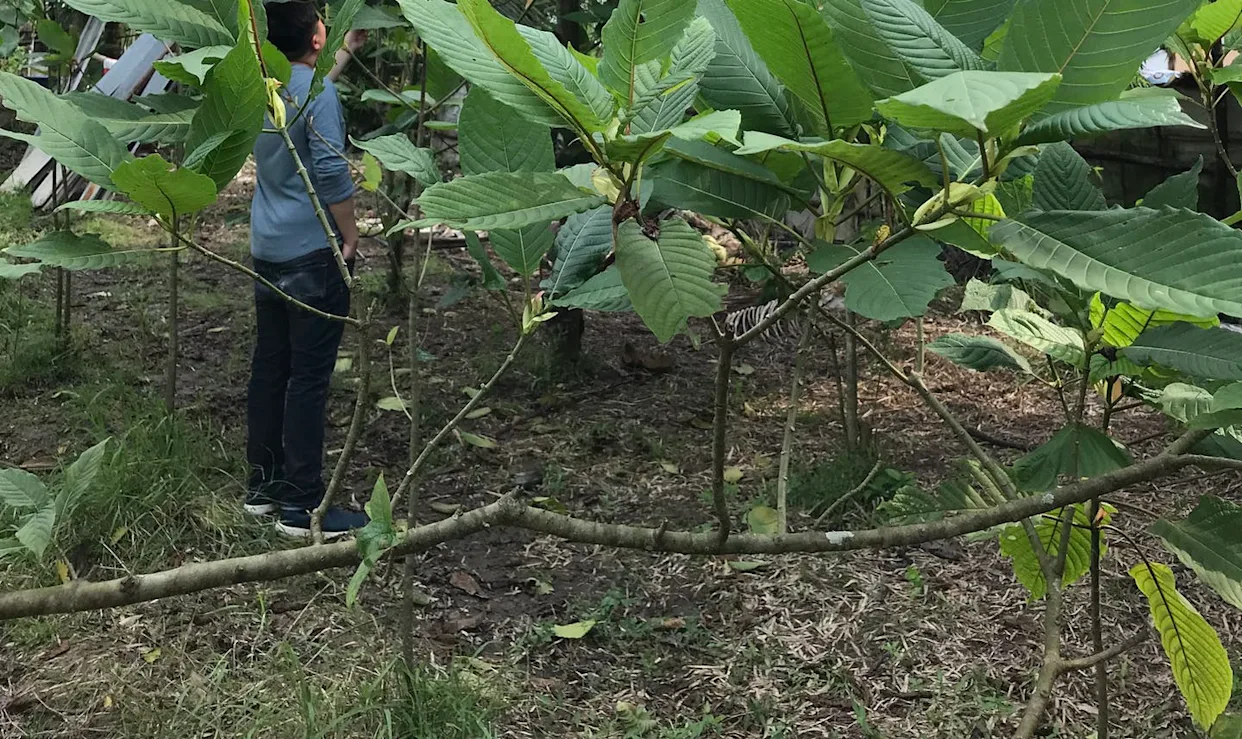
Kratom is derived from the leaves of Mitragyna speciosa, a tropical tree native to Thailand, Indonesia, Malaysia, and surrounding regions. Traditionally, laborers chewed the leaves or brewed them as tea to combat fatigue and improve productivity during long workdays.
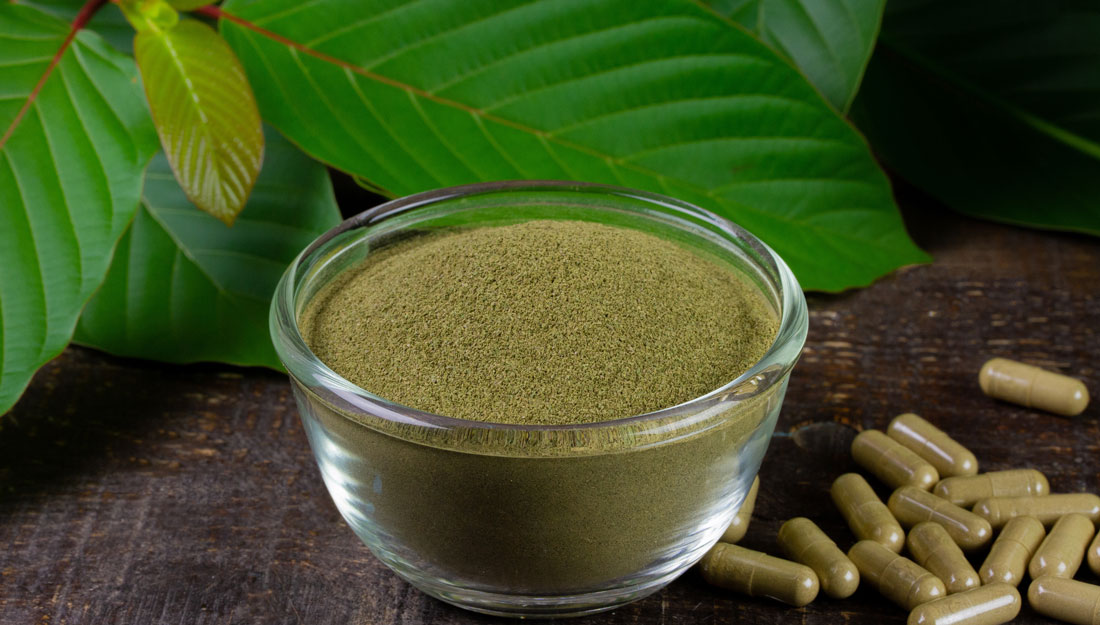
Modern kratom products come in several forms such as powders, capsules, extracts, and newer formats like kratom strips that dissolve quickly and provide a more convenient method of consumption.
The active compounds in kratom are alkaloids, mainly:
- Mitragynine, the most abundant compound in the plant
- 7 hydroxymitragynine, a stronger compound that interacts with opioid receptors
These alkaloids affect the brain’s opioid receptors, which explains why kratom can produce stimulating effects at lower doses and sedative effects at higher doses.
Kava originates in the South Pacific
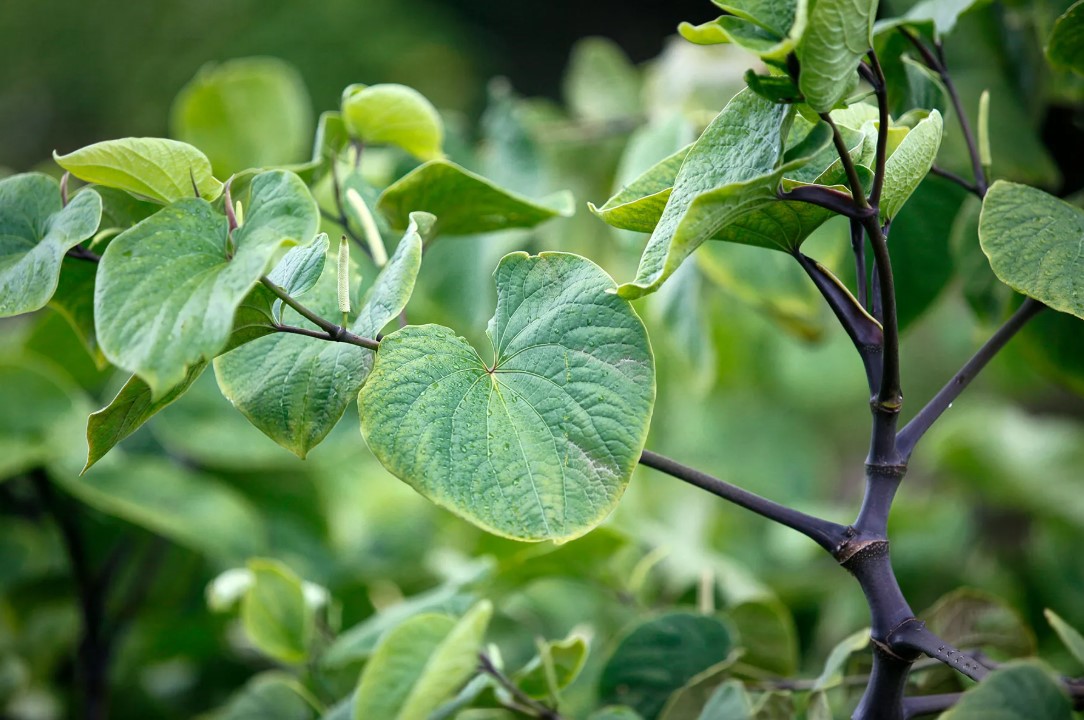
Kava comes from the root of Piper methysticum, a plant native to islands across the South Pacific such as Fiji, Vanuatu, and Tonga. In traditional ceremonies, the root is ground and mixed with water to create a calming beverage used in social and spiritual gatherings.
The active compounds in kava are called kavalactones. These compounds affect neurotransmitters linked to relaxation and anxiety reduction.
Unlike kratom, kava does not interact with opioid receptors. Instead, it mainly influences the GABA system in the brain, which is associated with calming and anti anxiety effects.
|
Feature |
Kratom |
Kava |
| Plant part used | Leaves | Root |
| Primary compounds | Mitragynine, 7 hydroxymitragynine | Kavalactones |
| Traditional region | Southeast Asia | South Pacific islands |
| Typical effect | Stimulating or sedating depending on dose | Relaxing and calming |
Understanding this biological difference explains why the experiences and risks are not the same.
How the Effects Differ
Even though kratom and kava are often grouped together as herbal mood enhancers, their effects on the body can feel very different.
Kratom produces dose dependent effects. Lower doses often lead to mild stimulation, increased alertness, and sometimes elevated mood. Higher doses can lead to sedation and pain relief.
Kava works differently. Its effects tend to be calming and muscle relaxing rather than stimulating.
Readers often summarize the difference like this:
- Kratom can increase energy at small doses and produce sedation at larger ones
- Kava typically promotes relaxation without strong stimulation
- Kratom may affect pain perception through opioid receptors
- Kava mainly reduces anxiety through GABA related pathways
The experience can also vary depending on individual tolerance, preparation methods, and the amount consumed.
Research published in the Journal of Ethnopharmacology in 2016 reviewed kratom’s pharmacology and confirmed that mitragynine interacts with opioid receptors while also affecting adrenergic and serotonergic systems, which may explain its mixed stimulant and sedative effects.
Safety and Health Risks
Both kratom and kava carry potential safety concerns. While some users report benefits, health authorities emphasize caution, particularly when these substances are used frequently or in high amounts.
Kratom safety concerns often relate to dependence and withdrawal. Because its alkaloids interact with opioid receptors, some users develop tolerance or mild withdrawal symptoms after prolonged use.
The U.S. Food and Drug Administration has also raised concerns about contamination and unregulated products. The agency notes that kratom has been linked to cases of dependence and adverse reactions when used improperly.
Kava presents a different set of concerns. The main issue historically has been potential liver toxicity associated with certain extracts.
The World Health Organization concluded in a 2007 risk assessment that traditional water based kava preparations show a much lower risk profile than concentrated extracts
Moderation and product quality appear to be key factors when evaluating safety.
Legal Status Around the World
Regulation is another major difference between kratom and kava.
Kava is legal in most countries and widely available in supplement form. In many regions it is sold as a relaxation aid or herbal product.
Kratom, on the other hand, has a more complex legal situation. Some countries have banned or restricted it due to concerns about misuse.
For readers trying to understand the regulatory picture, these general trends help clarify the situation:
- Kava is legal in the United States, Canada, and most European countries
- Kratom remains legal in many U.S. states but is banned in others
- Several countries in Asia and Europe restrict kratom sales entirely
- Regulation often focuses on consumer safety and product quality
Because laws change frequently, checking current regulations in your region is always recommended.
Final thoughts
Kratom and kava share a reputation as natural mood altering plants, yet their chemistry, effects, and safety profiles differ significantly. Kratom interacts with opioid receptors and can produce both stimulating and sedative effects depending on dose. Kava primarily promotes relaxation through its action on GABA related pathways.
Cultural context also matters. Kava has a long history of ceremonial use across Pacific Island societies. Kratom has roots in Southeast Asian labor traditions and herbal medicine practices.
Readers who understand these distinctions are better equipped to evaluate claims, recognize risks, and choose responsibly if they decide to use either plant.
Careful research, moderation, and attention to product quality remain the most important principles when considering any psychoactive herbal product.