

A routine vet appointment sounds simple until you are fitting it between work calls, school pickup, and a nervous pet who refuses the carrier.
Should you reserve 20 minutes or your whole morning?
A 2019 study published in Heliyon, based on appointment data from 307 UK first-opinion small-animal practices, found that 49.8% scheduled 15-minute consultations and 39.4% scheduled 10-minute consultations.
The full visit usually takes longer. Below, you will learn what happens, what causes delays, and how modern clinic technology can make the experience smoother.
Here’s What’s Inside
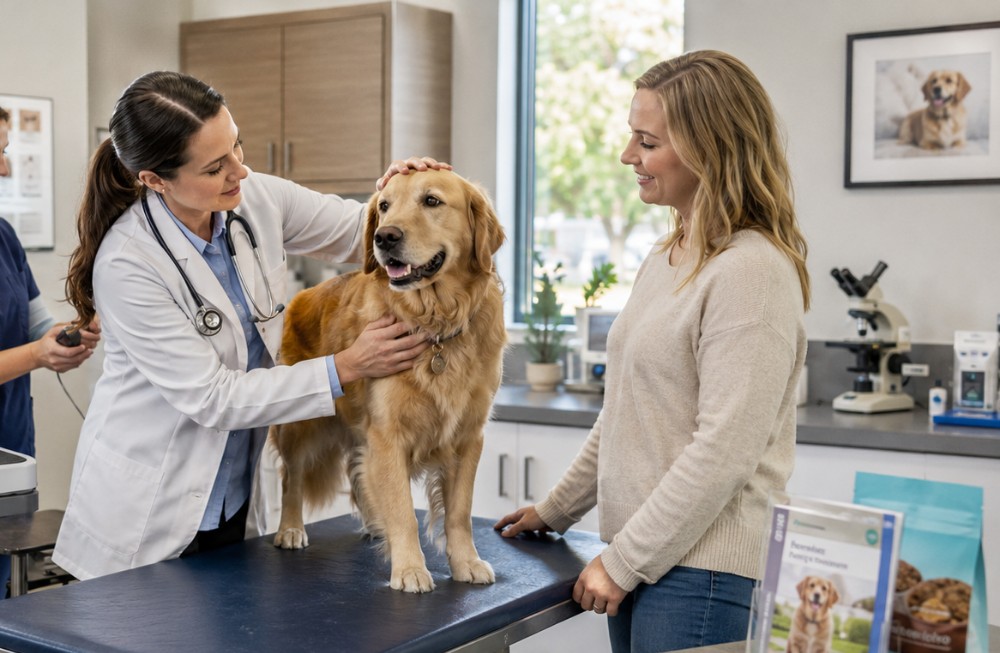
For a healthy adult dog or cat, plan for roughly 30 to 60 minutes from arrival to departure. The veterinarian’s direct consultation and examination often occupies about 15 to 30 minutes, while check-in, weighing, technician questions, payment, and prescription processing add time. A new patient, senior pet, anxious animal, or appointment involving vaccines and laboratory work may need longer.
The main stages are:
- Digital or front-desk check-in and record review
- Weight, temperature, pulse, breathing, and health-history updates
- A head-to-tail physical examination
- Vaccination, parasite-control, nutrition, dental, and behavior discussions
- Optional blood, urine, fecal, or heartworm testing
- A care plan, checkout, and follow-up instructions
Here’s the thing: “routine” describes the purpose, not a guaranteed minute count. Clinic workflow and your pet’s needs determine the real appointment length.
How Long Does a Routine Vet Appointment Take?
A sensible planning window is 30 to 60 minutes inside the clinic, plus travel and parking. The table below separates the scheduled medical consultation from the complete customer journey, which is why online estimates can appear inconsistent.
| Appointment stage | Typical planning range |
| Check-in and record confirmation | 5–10 minutes |
| Technician history, weight, and basic observations | 5–10 minutes |
| Veterinarian examination and discussion | 15–30 minutes |
| Vaccines, samples, medication, or checkout | 5–15 minutes |
These are practical estimates, not service guarantees. The 2019 Heliyon study found that nearly half of surveyed UK practices scheduled 15-minute consultations, yet about half of first-opinion consultations exceeded their allocated time. That explains why a short booking slot can still become a longer visit. Emergencies, complex questions, or an unexpected finding may also shift the schedule.
Check-In, Health History, Weight, and Vital Signs
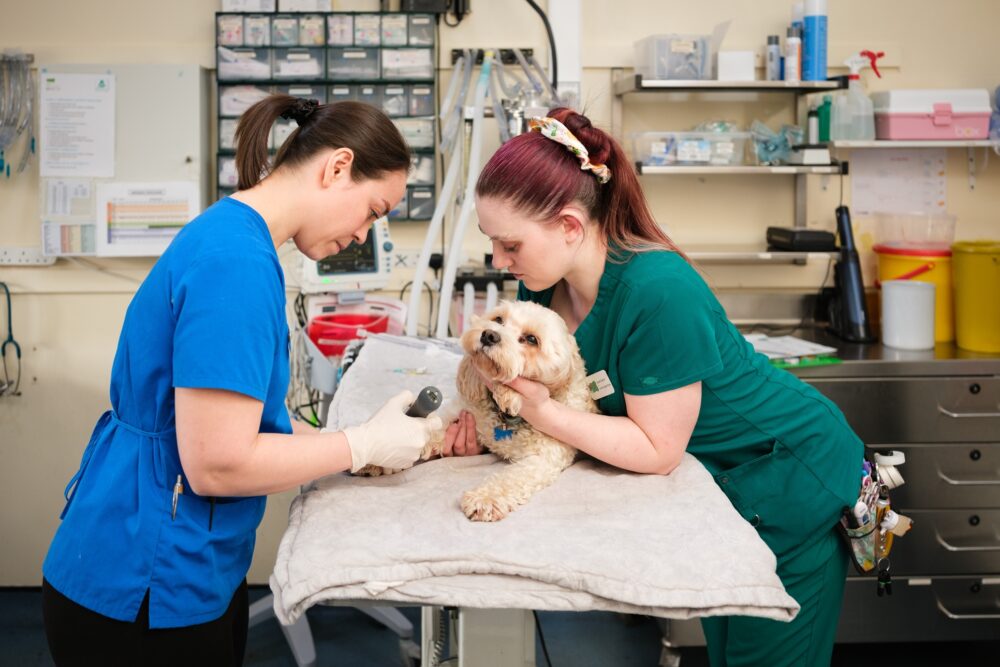
The appointment usually begins before the veterinarian enters the room. A receptionist or digital form confirms contact details, medications, allergies, diet, parasite prevention, recent symptoms, and the reason for the visit. A veterinary technician may then record weight, temperature, pulse, breathing rate, and notes about behavior or mobility.
Weight is not just an administrative number. It helps the team track trends, discuss nutrition, and calculate many medication doses. Clinics choosing dedicated veterinary scales should look for a stable platform, non-slip surface, readable display, suitable capacity, and easy-clean construction.
The linked model includes a stainless-steel platform, 900 x 600 mm weighing area, rechargeable batteries, and readings in kilograms, pounds, and ounces. Accurate data entry matters too. A misplaced decimal or incorrect unit can create avoidable risk, so software should preserve units clearly and flag unusual changes.
What the Physical Exam and Preventive Review Include
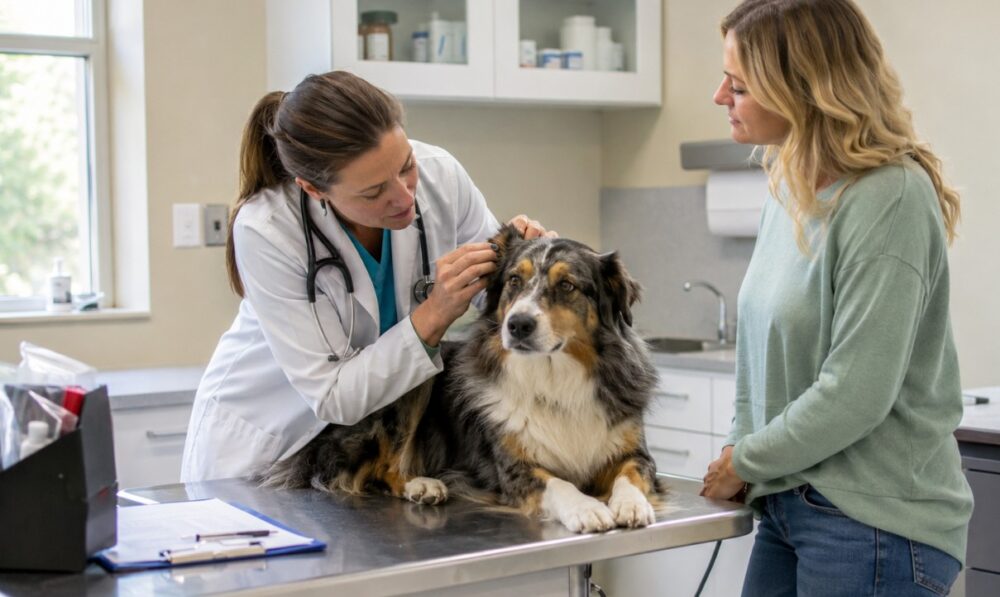
Next comes the head-to-tail examination. The veterinarian typically checks the eyes, ears, mouth, teeth, skin, coat, heart, lungs, abdomen, joints, mobility, and neurologic responses. They may also assess body condition, hydration, pain, lymph nodes, and any lumps you noticed.
AAHA’s 2026 guidance confirms that routine exams evaluate these body systems and use findings to decide whether further testing is appropriate.
A wellness exam is a screening visit, not a promise that every possible disease can be ruled out without diagnostic testing.
The preventive discussion may cover vaccines, flea and tick control, heartworm prevention, dental care, diet, exercise, and behavior. Depending on age and risk, the veterinarian may recommend bloodwork, urinalysis, fecal testing, heartworm screening, or feline viral testing. Samples require collection, labeling, documentation, and sometimes on-site processing, so testing can extend the visit.
How Veterinary Software Can Make the Visit Faster
Practice-management software can reduce repetitive steps when it connects scheduling, reminders, intake forms, medical records, invoices, laboratory results, and client portals. A pre-visit form lets the team review medications and concerns before arrival. Integrated records make weights, vaccine dates, test results, and chronic conditions easier to compare.
The good news? Faster does not have to mean rushed. Better data flow can preserve more consultation time for examination and questions.
The 2021 AAHA/AVMA Telehealth Guidelines recommend designing workflows around scheduling, data management, staff roles, consent, communication templates, and record capture. They also state that telehealth interactions should be documented in the medical record.
Automation should support clinical judgment, not replace it. A portal reminder can prompt a vaccine review, but the veterinary team decides what suits that pet.
What Can Make a Routine Appointment Take Longer?
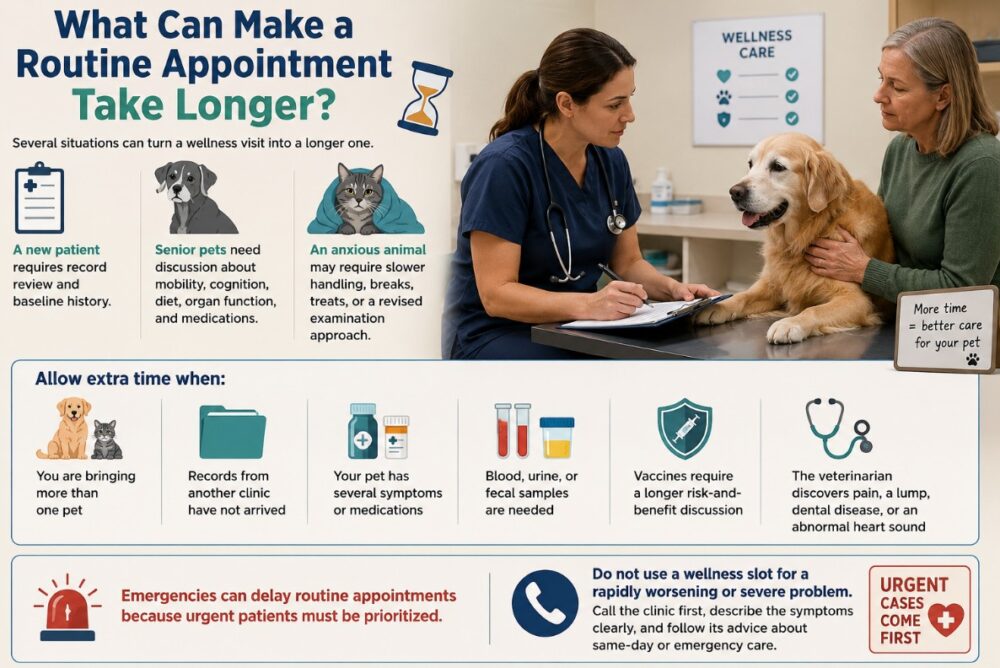
Several situations can turn a wellness visit into a longer one. A new patient requires record review and baseline history. Senior pets need discussion about mobility, cognition, diet, organ function, and medications. An anxious animal may require slower handling, breaks, treats, or a revised examination approach.
Allow extra time when:
- You are bringing more than one pet
- Records from another clinic have not arrived
- Your pet has several symptoms or medications
- Blood, urine, or fecal samples are needed
- Vaccines require a longer risk-and-benefit discussion
- The veterinarian discovers pain, a lump, dental disease, or an abnormal heart sound
Emergencies can delay routine appointments because urgent patients must be prioritized. Do not use a wellness slot for a rapidly worsening or severe problem. Call the clinic first, describe the symptoms clearly, and follow its advice about same-day or emergency care.
How to Prepare for a Faster, More Useful Vet Visit
Preparation can save minutes without cutting corners. Complete online forms, send records early, and write down three questions. Bring a medication list, including supplements and parasite products. Photos or videos help when a cough, limp, or unusual behavior does not appear in the exam room.
Use this checklist:
- Confirm whether a stool or urine sample is requested
- Ask whether your pet should fast before possible bloodwork
- Keep cats in secure carriers and dogs on reliable leads
- Bring treats or a familiar blanket for anxious pets
- Arrive 10 minutes early as a new client
Veterinary portals may contain contact details, appointment information, and medical records. Use a unique password, enable multifactor authentication when available, and verify unexpected payment or password-reset messages directly with the clinic. AAHA guidance emphasizes safeguards, staff training, protected portals, and secure handling of client information.
Frequently Asked Questions
1. Can I request a copy of my pet’s visit summary?
Yes. Ask how summaries, vaccine certificates, laboratory results, and invoices are delivered. Many practices use a secure client portal or email system.
2. Should I bring my pet’s insurance information?
Bring the policy number and check whether the clinic submits claims or expects you to pay first and request reimbursement. Processes vary.
3. Can routine appointments be done entirely by video?
Usually not when a physical examination, vaccination, sample collection, or new diagnosis is required. Telehealth is more commonly used for triage, education, selected follow-ups, and remote monitoring under applicable rules.
4. What if I remember another concern after checkout?
Contact the clinic through its approved phone number or portal. A clarification may be enough, but a new symptom could require another appointment.
Plan for the Visit, Not Just the Exam
So, how long does a routine vet appointment take? Reserve 30 to 60 minutes for the clinic visit, while expecting the examination and conversation to occupy only part of that window. It may include record review, weight and vital signs, a physical exam, preventive-care decisions, testing, treatment, and digital follow-up.
Start with two manageable actions: complete the intake form early and prepare a short question list. Those steps help the veterinary team work efficiently while keeping the focus on individualized care. A smooth appointment is one where the right information reaches the right professional at the right time.