

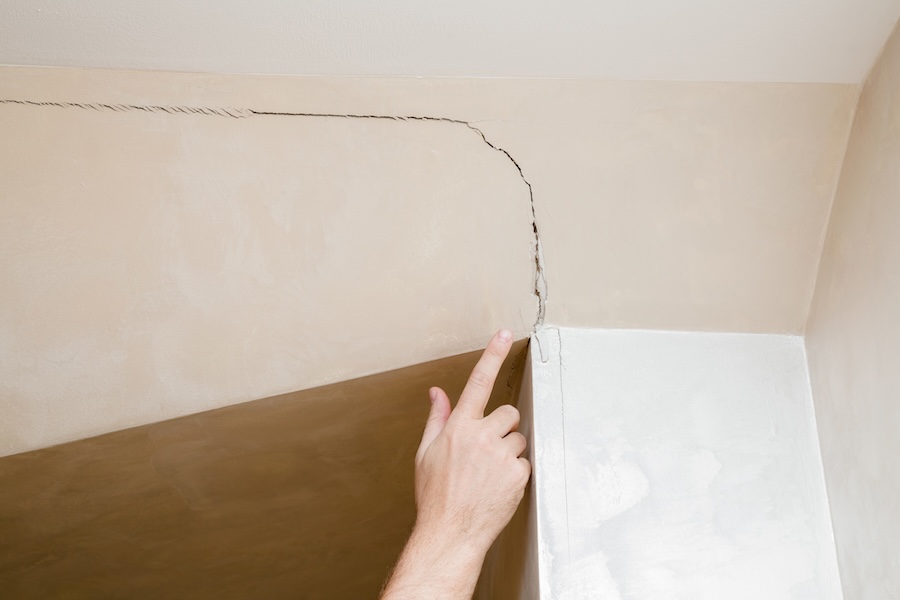
A hairline crack above a doorway may look harmless, but what if it keeps returning after every repair? Drywall cracks are common in newer and older homes, yet they can point to anything from seasonal movement to a leak or shifting foundation.
The Colorado Geological Survey reports that some expansive clays can swell up to 20% by volume when wet and exert forces up to 30,000 pounds per square foot, enough to stress foundations and interior finishes.
So, what causes drywall cracks, and which ones deserve attention? This guide explains the patterns, likely causes, repair options, and warning signs.
Here’s What’s Inside
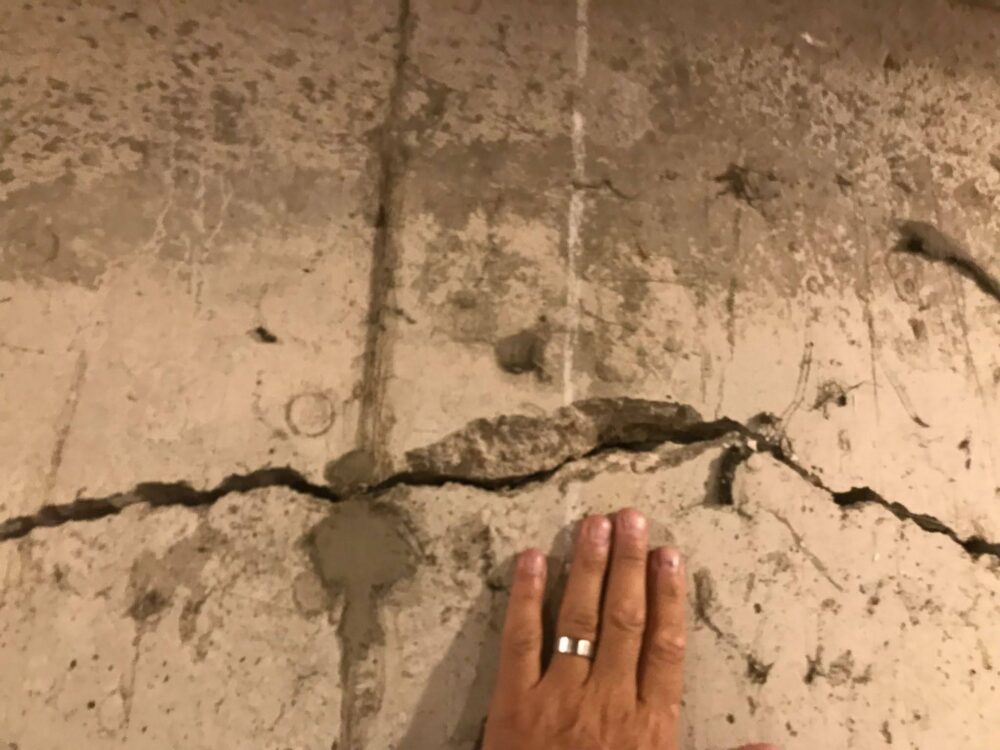
You do not need to diagnose the whole house from one thin line in the paint. Start by checking the crack’s location, shape, width, and whether it changes over time. This practical article will help you quickly:
- separate cosmetic cracks from signs of structural movement;
- recognize damage caused by moisture, roof-truss movement, poor taping, or settling;
- decide when a basic drywall crack repair is reasonable;
- document changes before calling a drywall contractor, plumber, foundation specialist, or structural engineer.
The Most Common Causes of Drywall Cracks
Drywall is rigid, but the framing and foundation behind it can move. That mismatch creates stress at seams, corners, ceilings, doors, and windows. For additions, remodels, and new construction projects, professional installation matters because panel layout, fastening, taping, control joints, and drying conditions affect performance.
| Crack pattern | Likely cause | First check |
| Straight line along a seam | Loose tape or poor finishing | Look for bubbles or movement |
| Crack above an opening | Framing shrinkage or settlement | Check whether it is out of square |
| Ceiling-to-wall gap | Truss uplift | Note seasonal changes |
| Stained or soft crack | Water intrusion | Inspect plumbing, roof, and HVAC |
| Repeated diagonal crack | Building movement | Check doors, floors, and exterior walls |
The pattern is evidence, not a complete diagnosis.
Settling and Foundation Movement Can Transfer Stress Upstairs
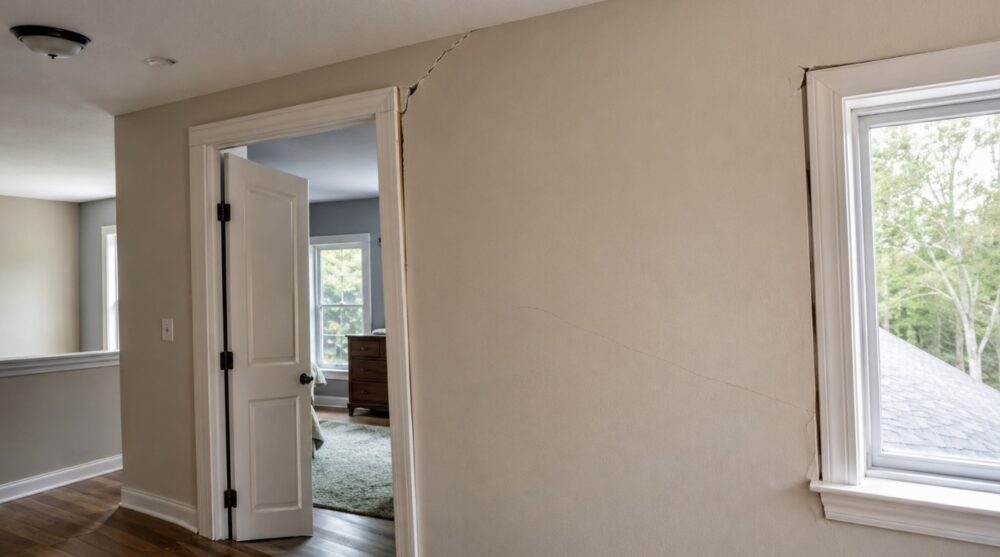
Differential movement occurs when one part of the foundation shifts more than another. Expansive soil, poor drainage, plumbing leaks, erosion, or inadequately compacted fill can contribute. Stress travels through framing and may appear as diagonal drywall cracks near openings, gaps at trim, or cracks across several rooms.
Did you know? The Colorado Geological Survey calls expansive soil one of the most prevalent causes of building damage in the United States and says annual losses run into billions of dollars.
Do not judge foundation trouble by drywall alone. Look for symptoms together: doors that suddenly stick, windows that sit out of square, sloping floors, exterior masonry cracks, or gaps between walls and ceilings. A cluster of changes matters more than one stable hairline crack, especially when the pattern is growing.
Seasonal Wood Movement and Truss Uplift
Here’s the thing: wood framing gains and loses moisture, while drywall stays comparatively rigid. Building Science Corporation explains that wood shrinkage can contribute to nail pops and joint cracking. Roof trusses may also develop moisture differences between warm lower chords and colder upper chords. The ceiling can lift slightly away from interior partitions, producing a crack where the ceiling meets the wall.
“Wood moves. Drywall does not.” — Building Science Corporation
If a ceiling crack opens in winter and closes in warmer weather, truss uplift is a strong possibility. Repeatedly filling it with hard compound may fail because the movement continues. Contractors may use floating drywall corners, clips, backing, or trim that allows controlled movement. Photograph the crack in different seasons before choosing a repair.
Water Damage Changes the Repair Plan
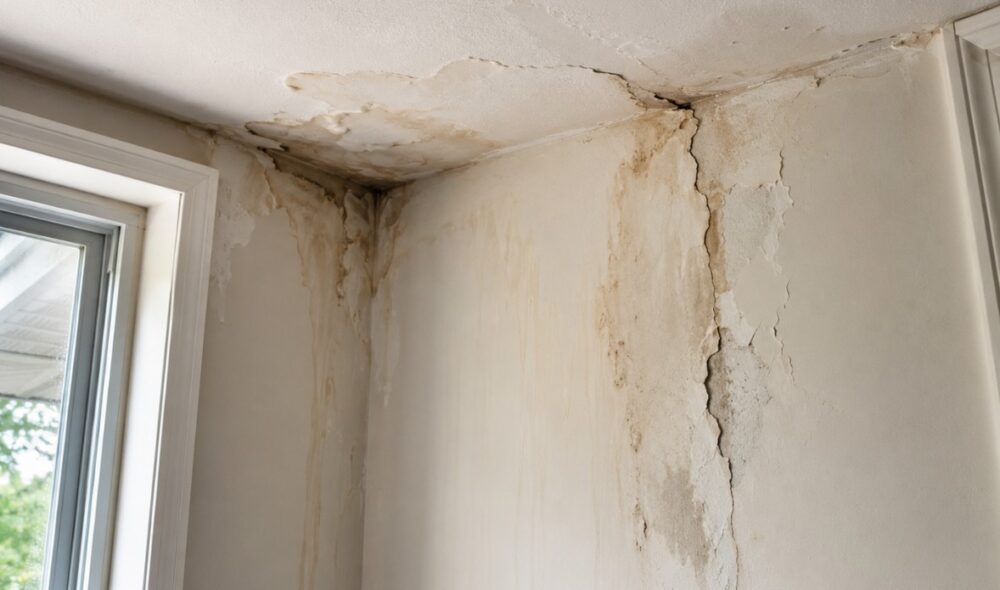
A crack with discoloration, bubbling paint, musty odor, softness, or swelling is not a cosmetic repair. Find and stop the moisture source first. Common culprits include roof leaks, plumbing lines, bathroom fixtures, window flashing, condensation, and clogged HVAC drains.
The U.S. Environmental Protection Agency advises drying water-damaged materials within 24 to 48 hours to help prevent mold growth. It recommends indoor relative humidity below 60%, ideally between 30% and 50%.
Check:
- the room above a ceiling crack;
- nearby supply and drain lines;
- attic roof decking and insulation;
- exterior walls after heavy rain.
Wet drywall can lose strength and may require removal instead of patching. When water came from sewage, flooding, or another contaminated source, use qualified remediation professionals rather than opening the wall yourself.
Poor Installation Often Causes Recurring Seam Cracks
Sometimes the building is stable and the drywall work is the problem. A seam may crack when tape was not fully embedded, compound dried too quickly, fasteners missed framing, panel edges were stressed, or a joint was placed at a high-movement location. Long uninterrupted surfaces may also need planned movement relief.
The Gypsum Association’s GA-216 guidance calls for control joints where a straight wall or partition exceeds 30 feet without interruption, along with other specified locations. USG states that high-tensile paper joint tape reinforces seams and improves crack resistance.
Practical note: Spackle over loose tape hides the line but does not rebuild the joint. A durable repair usually means removing failed material, securing loose board, retaping, applying feathered coats, sanding, priming, and repainting.
A Simple Repair Method for Stable Cracks
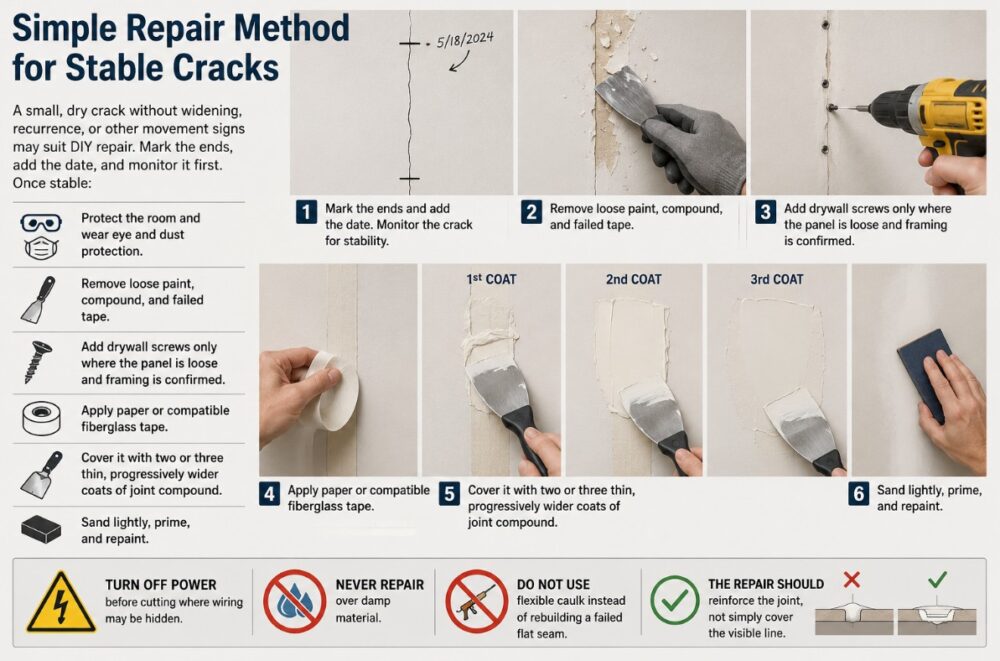
A small, dry crack without widening, recurrence, or other movement signs may suit DIY repair. Mark the ends, add the date, and monitor it first. Once stable:
- Protect the room and wear eye and dust protection.
- Remove loose paint, compound, and failed tape.
- Add drywall screws only where the panel is loose and framing is confirmed.
- Apply paper or compatible fiberglass tape.
- Cover it with two or three thin, progressively wider coats of joint compound.
- Sand lightly, prime, and repaint.
Turn off power before cutting where wiring may be hidden. Never repair over damp material, and do not use flexible caulk instead of rebuilding a failed flat seam. The repair should reinforce the joint, not simply cover the visible line.
When Should You Call a Professional?
Call a drywall contractor when damage is widespread, the same crack returns, panels are loose, or texture must be matched. Use a plumber, roofer, or restoration specialist when moisture is involved. A structural engineer or qualified foundation professional is the better first call when cracking appears with broader movement.
Arrange an inspection when you notice:
- a diagonal, horizontal, stair-step, or widening crack;
- several cracks appearing within a short period;
- bulging walls, a sagging ceiling, or major separation;
- doors and windows sticking in multiple rooms;
- sloping floors or visible foundation damage;
- water stains, soft drywall, mold, or an active leak.
Ask what caused the crack, whether movement is active, what must be fixed first, and how the patch will be reinforced. Diagnosis should come before cosmetic repair.
Frequently Asked Questions
1. Can paint hide a hairline drywall crack?
Only briefly. Paint adds little reinforcement, so a failed joint usually cracks again.
2. Should I use mesh tape or paper tape?
Both can work. Paper tape offers strong joint reinforcement; fiberglass mesh should be paired with compatible compound and installed as directed.
3. Can heavy wall-mounted items cause cracks?
Yes. Poor anchors, overloaded fasteners, or cabinets pulling away from framing can damage drywall around attachment points.
4. Should I repair cracks before selling a home?
Repair stable cosmetic damage, but disclose known leaks or structural concerns. Do not use a patch to conceal an unresolved defect.
5. How can I track a crack?
Photograph it with a ruler, record the date, and repeat from the same angle after weather changes or heavy rain.
Start With the Cause, Not the Patch
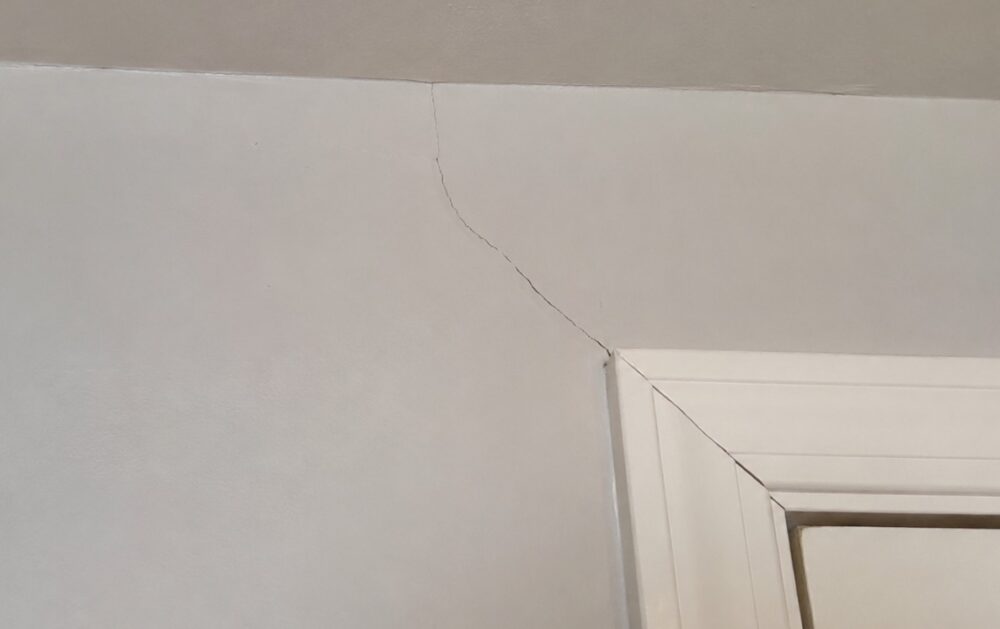
Most drywall cracks are manageable once you identify what is moving, shrinking, loosening, or getting wet. Begin with two simple actions: photograph the crack and inspect the surrounding area for moisture or related movement.
A stable seam crack may need only proper tape and compound, while recurring diagonal cracks, sagging surfaces, or several sticking doors deserve professional evaluation.
The goal is not to panic over every line in the wall. It is to avoid covering evidence before understanding it.
Fix the source first, choose the right repair method, and the finished wall has a much better chance of staying smooth.