

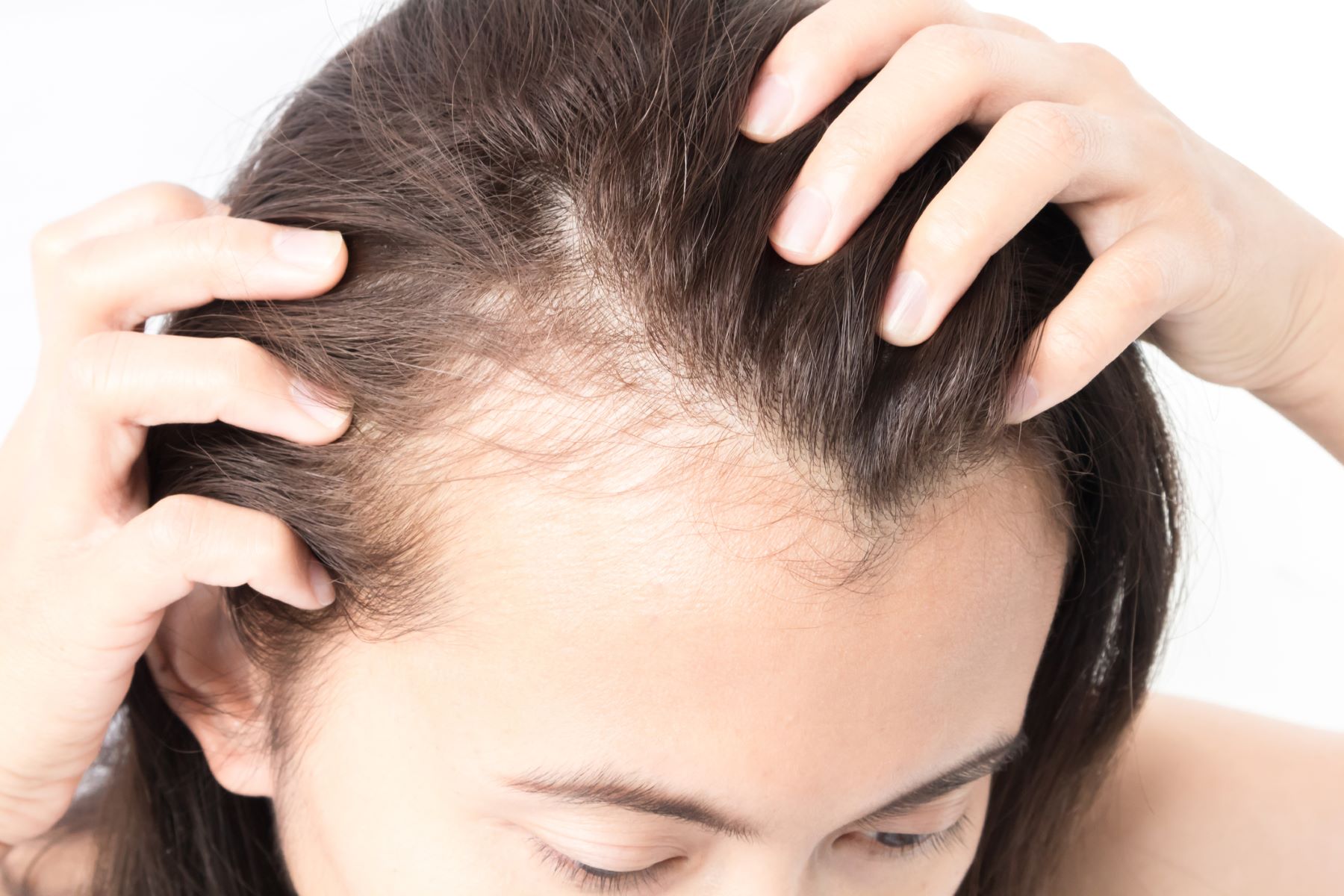
Hair is more than a physical feature, it’s a form of self-expression, a marker of identity, and often a source of confidence. For many women, changes in hair density or quality can feel deeply personal, influencing not just appearance but also how they move through everyday life.
What’s changing today is not the existence of hair loss in women, but how women are responding to it. Instead of accepting it as an inevitable or unspoken issue, more women are seeking to understand the causes, explore modern solutions, and make informed choices that align with their individual needs.
1. Causes of Hair Loss in Women
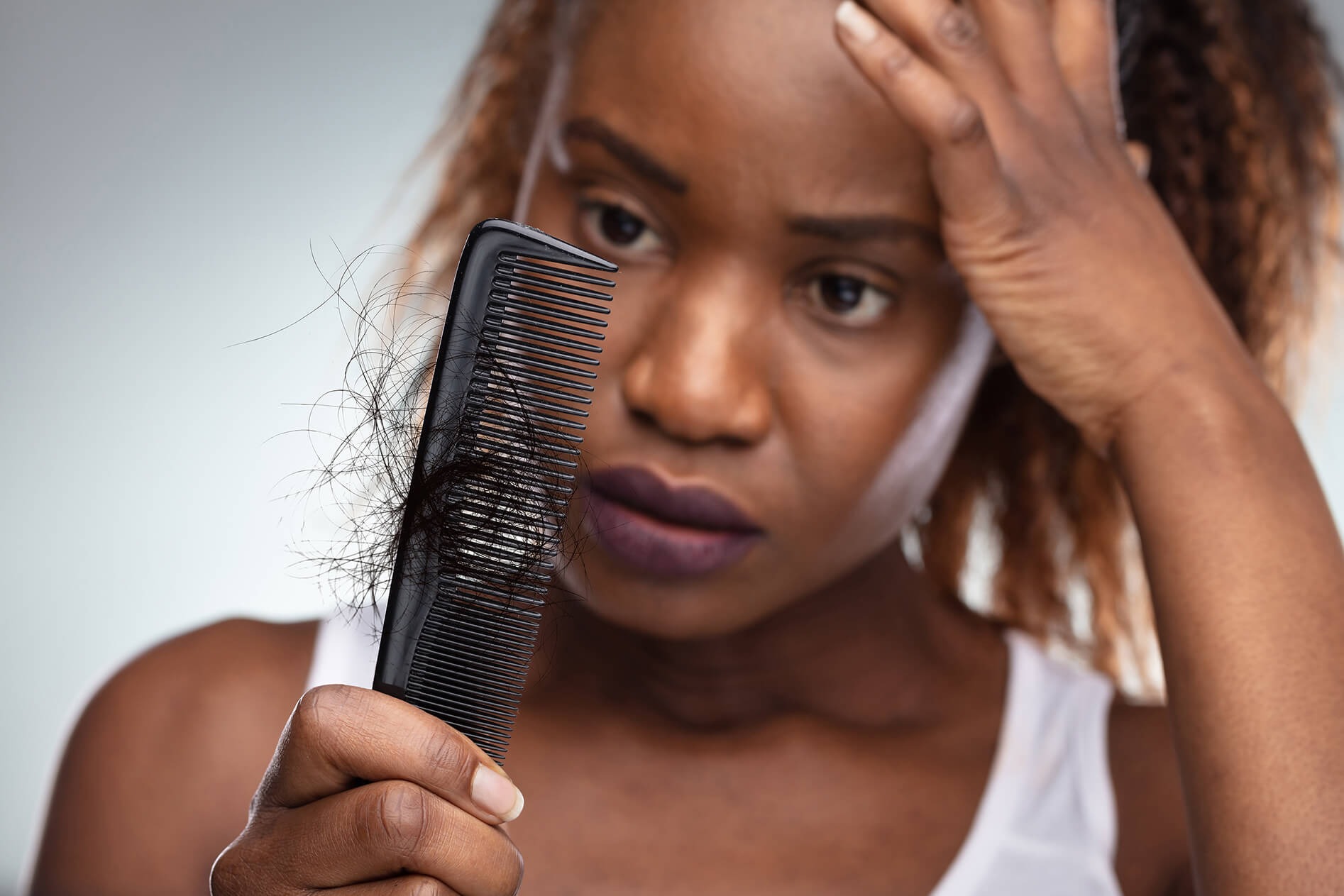
Understanding the etiology of hair loss in women is critical for accurate diagnosis and appropriate treatment selection. Female hair loss is typically multifactorial, involving complex interactions between hormonal, metabolic, nutritional, and systemic factors. In many cases, it presents as a symptom of an underlying condition rather than a standalone disorder.
Hormonal Changes
Hormonal fluctuations represent a primary contributor to female pattern hair loss and telogen effluvium. Changes in estrogen and progesterone levels—particularly during pregnancy, the postpartum period, and menopause—can alter the normal hair growth cycle.
A reduction in estrogen levels, especially during menopause, shortens the anagen (growth) phase and prolongs the telogen (resting) phase, leading to increased shedding. Additionally, increased sensitivity to androgens may contribute to follicular miniaturization in genetically predisposed individuals.
Stress and Lifestyle Factors
Both physiological and psychological stress can induce telogen effluvium, a condition characterized by diffuse hair shedding. Stress triggers a premature shift of hair follicles from the anagen phase into the telogen phase, typically resulting in noticeable hair loss approximately 2–3 months after the inciting event.
Contributing factors may include acute illness, surgery, rapid weight loss, or chronic emotional stress. While often reversible, persistent stress exposure can prolong the condition and impair normal hair cycle recovery.
Nutritional Deficiencies
Nutritional status plays a significant role in maintaining normal hair follicle function. Deficiencies in key micronutrients—particularly iron, vitamin D, zinc, and essential amino acids—have been associated with various forms of hair loss.
Iron deficiency, even in the absence of anemia, is one of the most commonly identified contributors to diffuse hair thinning in women. Protein deficiency can impair keratin production, leading to weakened hair shafts and reduced growth rates. Correction of these deficiencies is often necessary to restore normal hair cycling.
Medical Conditions
Several systemic and dermatological conditions are linked to chronic hair loss in women. Thyroid dysfunction, including both hypothyroidism and hyperthyroidism, can disrupt hair follicle cycling and lead to diffuse thinning.
Autoimmune disorders such as alopecia areata result in targeted follicular attack, causing patchy or, in severe cases, extensive hair loss. Other contributing conditions may include polycystic ovary syndrome (PCOS), which is associated with androgen excess, and chronic inflammatory or scalp disorders.
Given the broad range of potential causes, a comprehensive clinical evaluation—including medical history, laboratory testing, and scalp assessment—is essential to establish an accurate diagnosis and guide targeted treatment.
2. Symptoms of Hair Loss in Women
Recognizing the clinical signs of hair loss in women at an early stage is important for timely intervention and improved treatment outcomes. Symptoms are often subtle and progressive.
- Diffuse Thinning – Gradual reduction in hair density across the scalp, particularly at the crown and along the part line, without the presence of well-defined bald patches. This pattern is characteristic of diffuse hair thinning.
- Increased Hair Shedding – Noticeable increase in daily hair loss, often observed during brushing, washing, or as loose strands on pillows and clothing. This may indicate a disruption in the normal hair growth cycle.
- Changes in Hair Texture and Quality – Hair may become finer, more fragile, and less voluminous over time. These changes are commonly associated with early stages of female pattern hair loss and follicular miniaturization.
- Widening of the Part Line – A visible widening of the central hair part can be an early indicator of reduced hair density and progressive thinning.
- Reduced Hair Volume
Overall decrease in hair fullness, often noticeable when styling or tying the hair, reflecting a decline in follicular output.
Because these symptoms typically develop gradually, they may go unrecognized until hair loss becomes more pronounced.
3. New Treatment Options for Hair Loss in Women
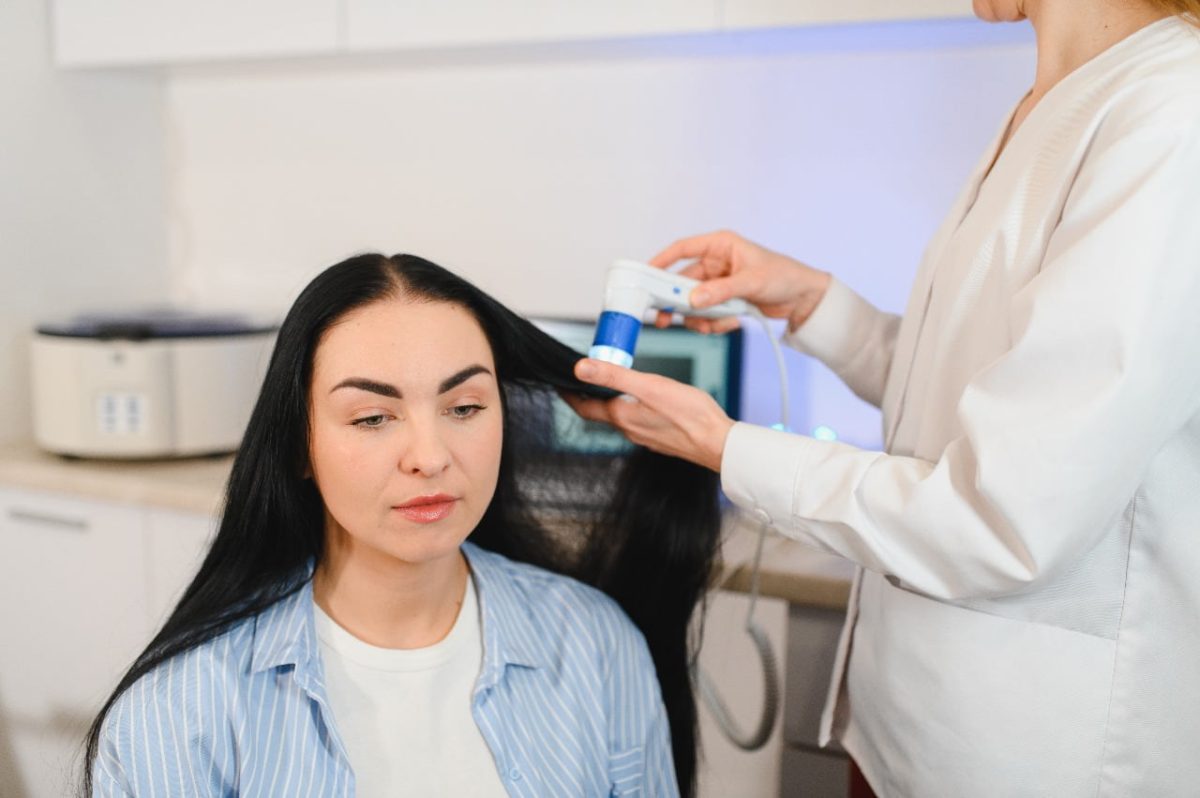
Modern approaches to hair loss treatment for women focus on long-term restoration rather than temporary cosmetic solutions.
Non-Invasive Treatments
Non-invasive treatments are commonly used in early to moderate stages of hair loss, aiming to slow progression, support hair regrowth, and improve follicular function without surgical intervention.
Medications
Pharmacological therapies help regulate the hair growth cycle and reduce hair loss progression.
Topical treatments such as minoxidil are frequently prescribed to stimulate hair follicles and prolong the anagen (growth) phase. In certain cases, oral medications may be used to address underlying hormonal factors.
Consistent, long-term use is typically required to maintain results, and treatment should be guided by a medical professional.
PRP Therapy (Platelet-Rich Plasma)
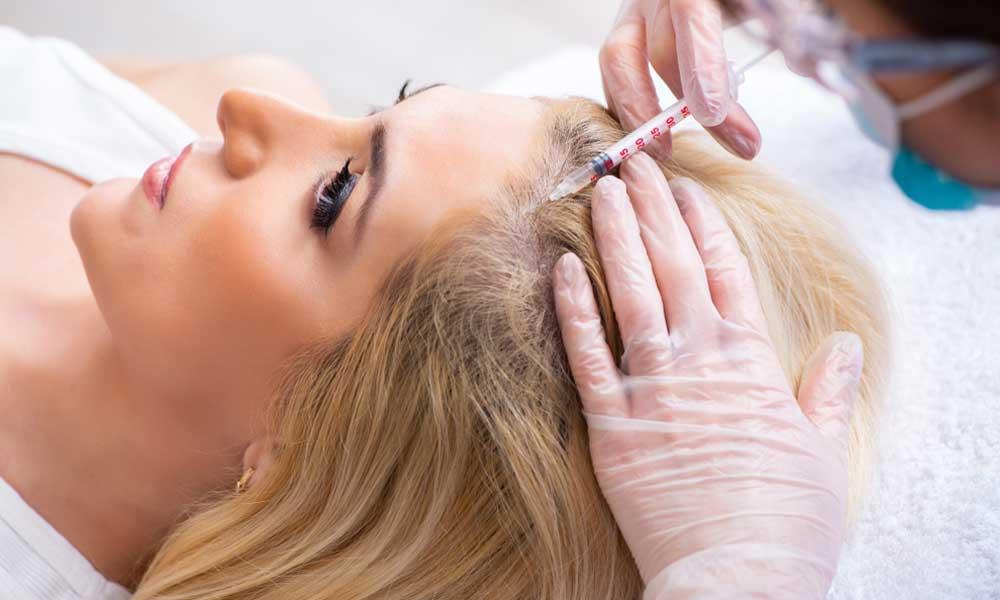
PRP therapy is a regenerative approach that uses the patient’s own blood components to promote hair growth.
Platelet-rich plasma is prepared by concentrating platelets from a blood sample and injecting them into the scalp. These platelets release growth factors that enhance follicular activity, improve blood supply, and support hair density.
PRP is often used alongside other treatments and usually requires multiple sessions with ongoing maintenance.
Advanced Hair Restoration – FUE Hair Transplant for Women
Follicular Unit Extraction (FUE) is a minimally invasive technique that transplants individual hair follicles to thinning areas.
For women, this procedure focuses on increasing density rather than creating new hairlines, ensuring natural-looking results that blend seamlessly with existing hair.
Many women are now exploring specialized clinics abroad for high-quality care. Female hair transplant in Turkey has become a popular option due to experienced specialists, advanced techniques, and personalized treatment plans.
Personalized Treatment Approach
No two cases of hair loss in women are the same. Effective treatment depends on factors such as hair type, lifestyle, severity of hair loss, and long-term expectations.
Medical consultation is essential to identify whether the cause is hormonal, nutritional, or medical, ensuring the chosen treatment delivers optimal results.
Conclusion
Hair loss in women is increasingly understood and openly discussed. With better awareness, early diagnosis, and innovative treatments like PRP therapy and FUE hair transplant, women now have more effective solutions than ever before.
Addressing hair loss is about restoring confidence, improving well-being, and making informed decisions tailored to individual needs.