


Buying a house feels exciting right up until you stand in the middle of it holding a tape measure, staring at outdated cabinets, chipped flooring, and a bathroom fan that sounds like a lawn mower.
Most people immediately want to start with the fun stuff. Paint colors. Kitchen tiles. Light fixtures. I completely understand that urge because I had it too.
But renovation done in the wrong order becomes expensive very quickly. New floors get scratched during plumbing work. Fresh drywall gets opened again because the old wiring failed inspection. People spend thousands fixing cosmetic details while ignoring leaks inside the walls. That part is less fun, but it matters more.
Most renovation professionals follow the same sequence for a reason. Structural work first, systems second, finishes last. Skipping around usually creates delays, extra labor, and avoidable repairs.
Start With Inspection and Planning
Before demolition begins, the house needs a full assessment. I know that sounds boring compared to picking backsplash samples, but it honestly saves people from huge mistakes later.
One friend moved into her house and immediately replaced the flooring. Three weeks later, plumbers discovered leaking galvanized pipes underneath. Entire sections of the new floor had to come out. Nobody wants to pay for the same project twice.
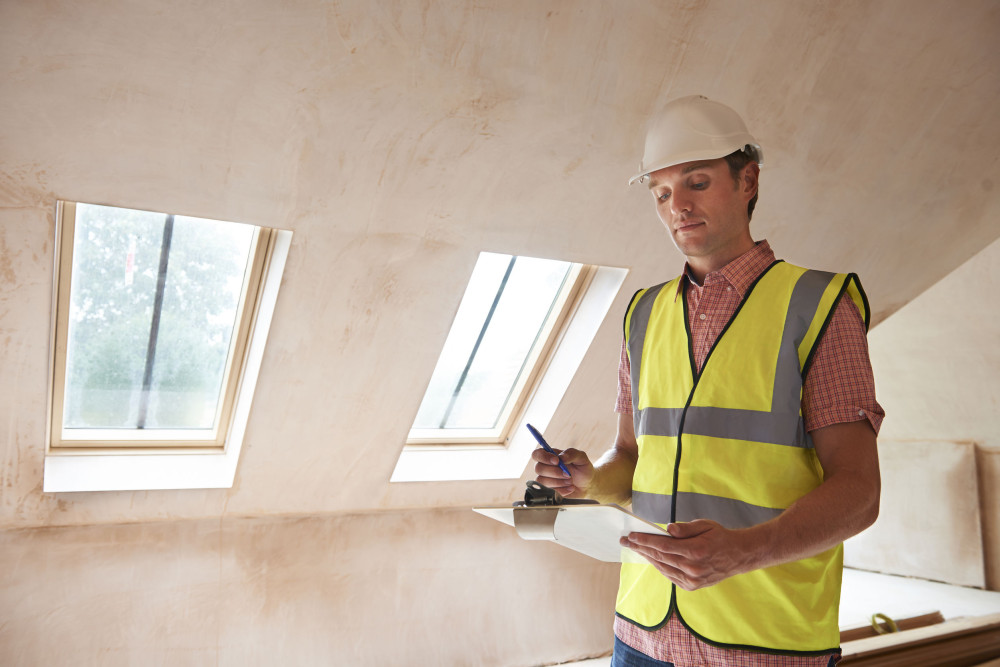
Professional inspections help uncover:
- Foundation cracks
- Mold and moisture problems
- Outdated electrical panels
- Roof leaks
- Plumbing issues hidden behind walls
Many contractors also recommend setting aside an extra 15 to 20 percent of your budget for surprises because older homes almost always have them.
Permits matter more than many homeowners realize. Structural, plumbing, HVAC, and electrical work often require approvals before construction begins. Skipping permits can create resale and insurance problems later.
Handle Plumbing and Water Issues Early
Water damage spreads quietly. A small leak behind a cabinet can turn into rotten framing, mold, and damaged insulation before anyone notices.
That is why plumbing should never wait until the end of a renovation.
If your inspector finds old piping, drainage issues, or water stains, address those first. Cosmetic upgrades can wait. I know people hate hearing that because nobody dreams about spending money on pipes after buying a house, but plumbing failures ruin finished spaces fast.

During one renovation, we thought the kitchen only needed new countertops. Then a contractor opened the wall and found corroded pipes that looked ready to split apart. Suddenly, the countertop budget became a plumbing budget.
If you need emergency plumbing help or want professionals to inspect older systems before starting renovations, many homeowners look up local specialists through services like Roto-Rooter Plumbing (Google map place/ roto). Getting ahead of plumbing problems early protects everything that comes after.
Fix Structural Problems Before Cosmetic Work
A surprising number of homeowners try to decorate around structural issues. I have seen people install expensive kitchen cabinets while ignoring sagging floors underneath. Please do not do that to yourself.
Structural repairs should always happen before finishes.
That usually includes:
- Roof repairs
- Foundation stabilization
- Rot repair
- Window replacement
- Exterior sealing
- Load bearing wall changes
Homes need to be weather-tight before interior upgrades begin. Otherwise, moisture keeps damaging the work you already paid for. Several renovation guides stress the importance of handling exterior protection first for exactly this reason.
Demolition Comes Before Any Finish Decisions
Demolition looks simple on television. In reality, it creates dust absolutely everywhere. Inside drawers. Inside closets. Somehow, inside sealed containers you forgot existed.
That is why many contractors recommend deep cleaning before and after demolition phases.
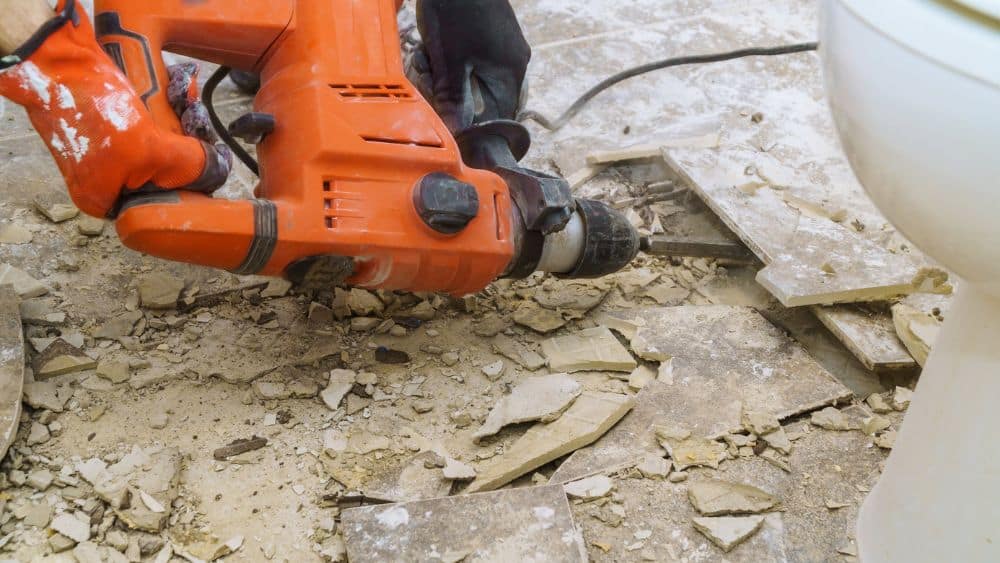
This stage usually includes:
- Removing cabinets
- Pulling flooring
- Tearing out drywall
- Removing outdated fixtures
- Opening walls for system access
Here is where renovation pacing matters. Do not order custom finishes too early unless measurements are finalized after demolition. Walls are rarely perfectly straight once materials come off. Measurements change more often than people expect.
Did You Know?
Many renovation delays happen because homeowners order cabinets, tile, or appliances before rough measurements are confirmed. One incorrect cabinet size can delay an entire kitchen installation for weeks.
Electrical, HVAC, and Plumbing Rough Ins Come Next
Once walls are open, trades need access.
Electricians run wiring. Plumbers install pipes. HVAC crews handle ducts and ventilation. All of this happens before drywall closes the walls again. Professionals call this the “rough in” stage.
I always tell people not to underestimate how important this phase is. Modern living requires more outlets, better lighting, and stronger ventilation than older homes were designed for.
Think about how you actually live:
- Do you work from home?
- Need extra kitchen outlets?
- Want better bathroom ventilation?
- Planning smart home upgrades?
It is much cheaper to add these improvements while walls are already open.
| Renovation Stage | Why It Happens Here |
| Plumbing rough in | Pipes need wall access |
| Electrical rewiring | Inspection required before drywall |
| HVAC installation | Ducts and vents fit inside open framing |
| Insulation | Installed after systems are complete |
| Drywall | Closes walls after inspections |
That order exists to prevent finished work from being torn apart later.
Drywall, Paint, and Flooring Come Later
People get impatient during this part because the house still looks unfinished. Honestly, it can look worse before it looks better.
Once inspections pass, insulation and drywall go in. Then comes sanding, which creates another round of dust nobody enjoys. Painting usually happens before flooring because contractors are still carrying tools, ladders, and materials through the space.
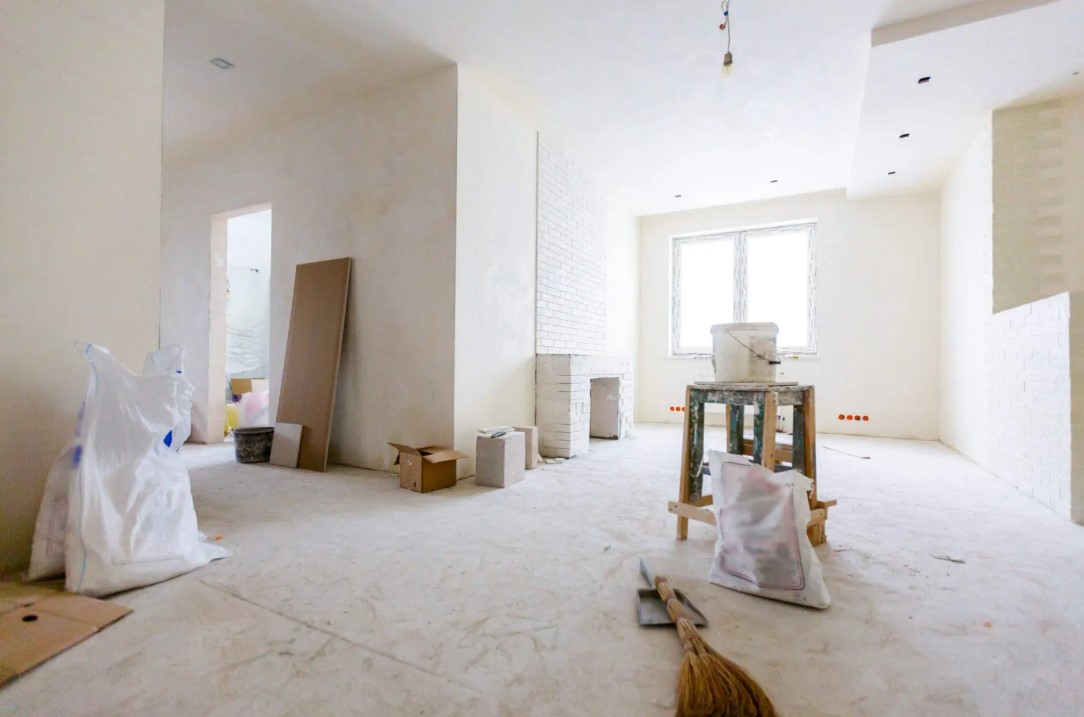
Flooring timing depends on the project, but most full renovations leave it closer to the end.
I learned this lesson the hard way after watching movers scratch newly finished hardwood during a cabinet delivery. Protective paper helps, but it is not magic.
After flooring, the house finally starts feeling complete:
- Cabinets installed
- Bathroom vanities connected
- Light fixtures added
- Appliances brought in
- Trim and hardware finished
That is usually the moment homeowners finally relax a little.
Should You Renovate Everything at Once?
This depends entirely on budget, stress tolerance, and how livable the home already is.
Whole house renovations often cost less overall because contractors can coordinate everything in one timeline.
At the same time, living inside a construction zone gets exhausting fast. Dust spreads everywhere. Kitchens disappear for weeks. One functioning bathroom suddenly becomes the center of household negotiations.
If you renovate in phases, prioritize rooms that affect daily life most:
- Kitchens
- Main bathrooms
- Plumbing systems
- Flooring and finishes
Many experienced homeowners also recommend living in the house for a few months before making huge layout decisions. Sometimes what looked important during a showing turns out to matter far less once you actually live there.
Final Thoughts
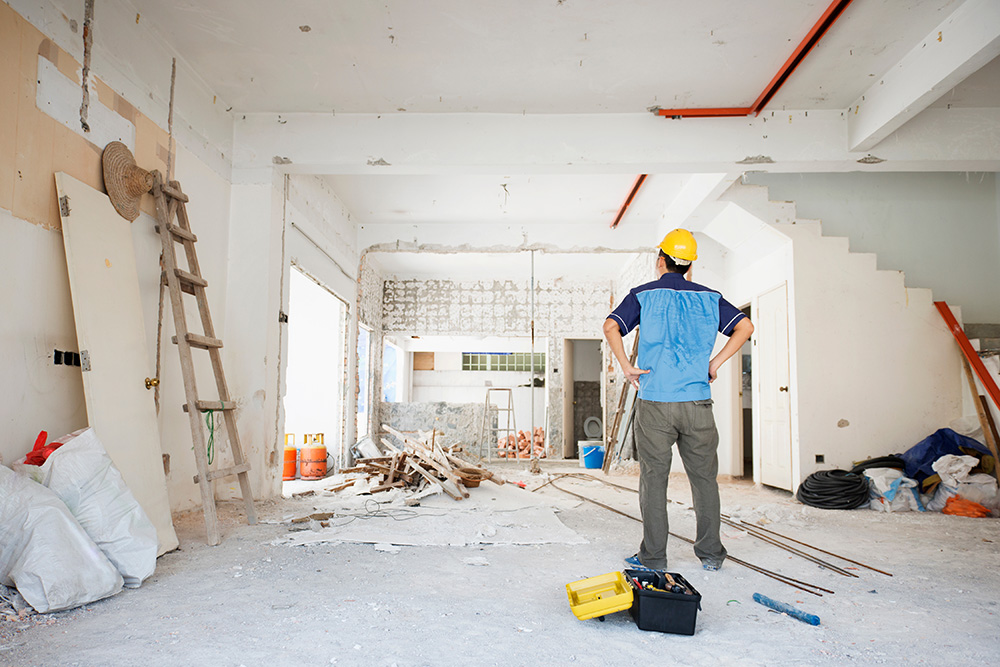
The right renovation order protects your budget and your sanity. Planning first feels slower in the beginning, but it prevents expensive corrections later.
Structural repairs come before cosmetic upgrades. Plumbing and electrical work happen before drywall. Floors wait until messy work finishes. There is a reason professionals repeat this sequence across almost every renovation project.
And honestly, if you remember only one thing from this article, let it be this: pretty finishes are easy to photograph, but hidden systems are what make a house actually function well long term.