


Online casino slots have changed a lot during the past decade. Traditional paylines still exist, though many players now spend more time on Megaways slots and jackpot games. Both categories promise larger payouts than standard slots, though they work in very different ways. Many players jump into them without understanding volatility, RTP, or how the bonus systems affect bankroll management.
A Megaways slot can produce hundreds of losing spins before a strong bonus round appears. Progressive jackpot games can drain a balance even faster because part of every bet contributes to the jackpot pool. Players who understand those mechanics usually make better choices about session limits, bet size, and game selection.
Why Megaways Slots Became So Popular
Megaways slots changed the way online slot mechanics work. Instead of fixed paylines, the reels shift on every spin. Symbol counts change constantly, which creates thousands of possible win combinations. Big Time Gaming introduced the mechanic years ago, then other providers licensed it for their own games.
Many players like the faster pacing and chain reactions from cascading reels. A winning combination disappears, then new symbols drop into place without another paid spin. Multipliers often increase during those sequences, which creates the large wins players chase.
Players looking for a new casino usually notice Megaways games promoted heavily on casino homepages. Casinos use them because they attract active players who prefer high volatility gameplay instead of slower classic slots.
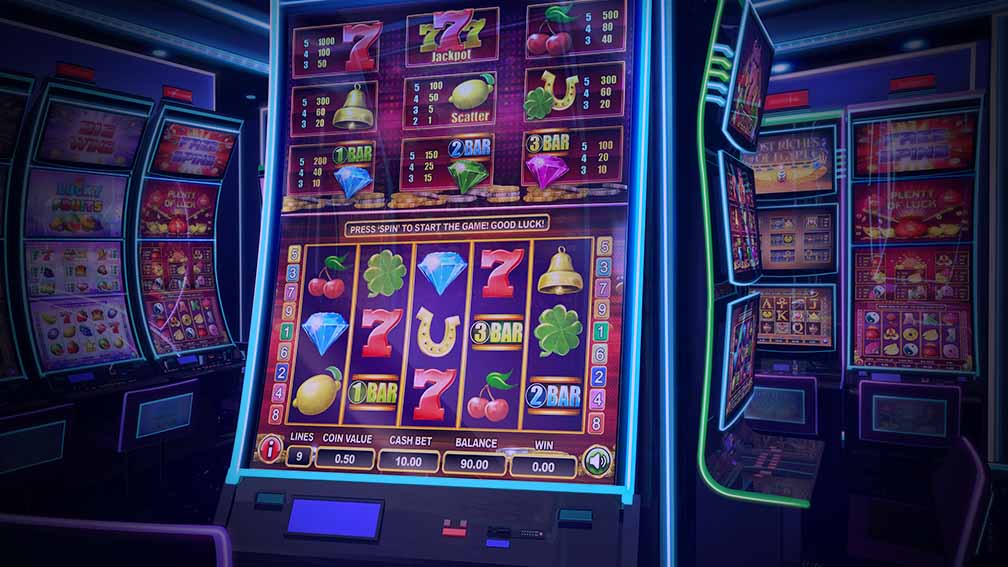
A few mechanics appear repeatedly in most Megaways titles:
- Cascading reels after wins
- Free spins with multipliers
- Variable reel layouts
- High volatility payout structures
Jackpot Games Work Differently Than Most Players Think
Jackpot slots focus less on constant action and more on rare high payout events. Progressive jackpots grow every time players place bets without triggering the top prize. A small portion of each wager feeds the jackpot pool.
Many people assume jackpot games always offer the best long term value. That is not automatically true. Some progressive slots reduce the base RTP because part of the wager funds the jackpot prize instead of standard payouts.
A quick comparison helps explain the difference:
|
Game Type |
Main Attraction |
Volatility |
Win Frequency |
| Standard video slots | Consistent smaller wins | Medium | Moderate |
| Megaways slots | Bonus chains and multipliers | High | Lower |
| Progressive jackpots | Rare massive payouts | Very high | Low |
Players often confuse high potential with better odds. Jackpot games simply shift more value toward extremely rare outcomes.
RTP represents long term statistical return, not short session results. A slot with 96 percent RTP can still produce long losing streaks.
Volatility Matters More Than Most Features
Volatility changes the entire playing experience. Many Megaways and jackpot slots operate at high variance levels, which means payouts arrive less often but can be much larger.
A lot of players focus only on maximum wins shown in casino marketing. That number means very little without understanding how difficult those outcomes are to reach. Some slots advertise wins above 20,000x stake, though most sessions never come close.

High volatility usually means:
- Longer losing streaks
- Bigger swings in bankroll size
- More dependence on bonus rounds
- Larger payout gaps between sessions
Low volatility slots behave differently. Small wins appear more frequently, though the top payout ceiling stays lower.
RTP Numbers Need More Context
Many casino guides oversimplify RTP discussions. Players see 96 percent RTP and assume they will recover most of their money during a session. Slot mathematics do not work that way.
RTP calculations are based on huge sample sizes involving millions of spins. Short sessions rarely reflect the published percentage.
Some casinos also run alternate RTP versions of the same slot. A game advertised at 96 percent might operate at 94 percent or lower depending on the casino configuration.
Players should always check:
- RTP percentage inside game information
- Volatility level
- Maximum exposure during bonus rounds
- Provider reputation
- Licensing and auditing information
Licensed casinos publish RTP details because regulators require transparency in many jurisdictions. Independent audits also help confirm fair RNG operation.
Bankroll Management Separates Casual Fun From Bad Sessions
Players usually lose control when chasing volatility instead of managing session length. Megaways and jackpot slots encourage longer play because large wins feel possible at any moment.
A practical approach works better than emotional betting.

Small adjustments help reduce damage during high variance sessions:
- Use fixed betting sizes
- Set session limits before starting
- Avoid increasing bets after losses
- Leave after large wins instead of chasing more
- Treat jackpots as low probability events
Many experienced slot players treat bankroll survival as part of the game itself. Sessions last longer when bet sizing stays realistic.
Interesting fact:
Some progressive jackpots only activate at maximum stake levels. Players betting smaller amounts may contribute toward jackpots they cannot actually win.
Frequently Asked Questions
Final Thoughts
Megaways slots and jackpot games attract attention for different reasons. Megaways titles focus on volatility, combinations, and extended bonus chains. Jackpot slots focus on rare life changing payouts. Both categories can become expensive quickly when players misunderstand how variance works.
The smartest approach stays simple. Check RTP information, understand volatility before betting, and set realistic session limits. Large wins happen, though they remain statistically uncommon.
Players who treat slot games as entertainment usually make better decisions than players chasing recovery or guaranteed profits. That mindset matters more than any bonus feature or jackpot meter.