

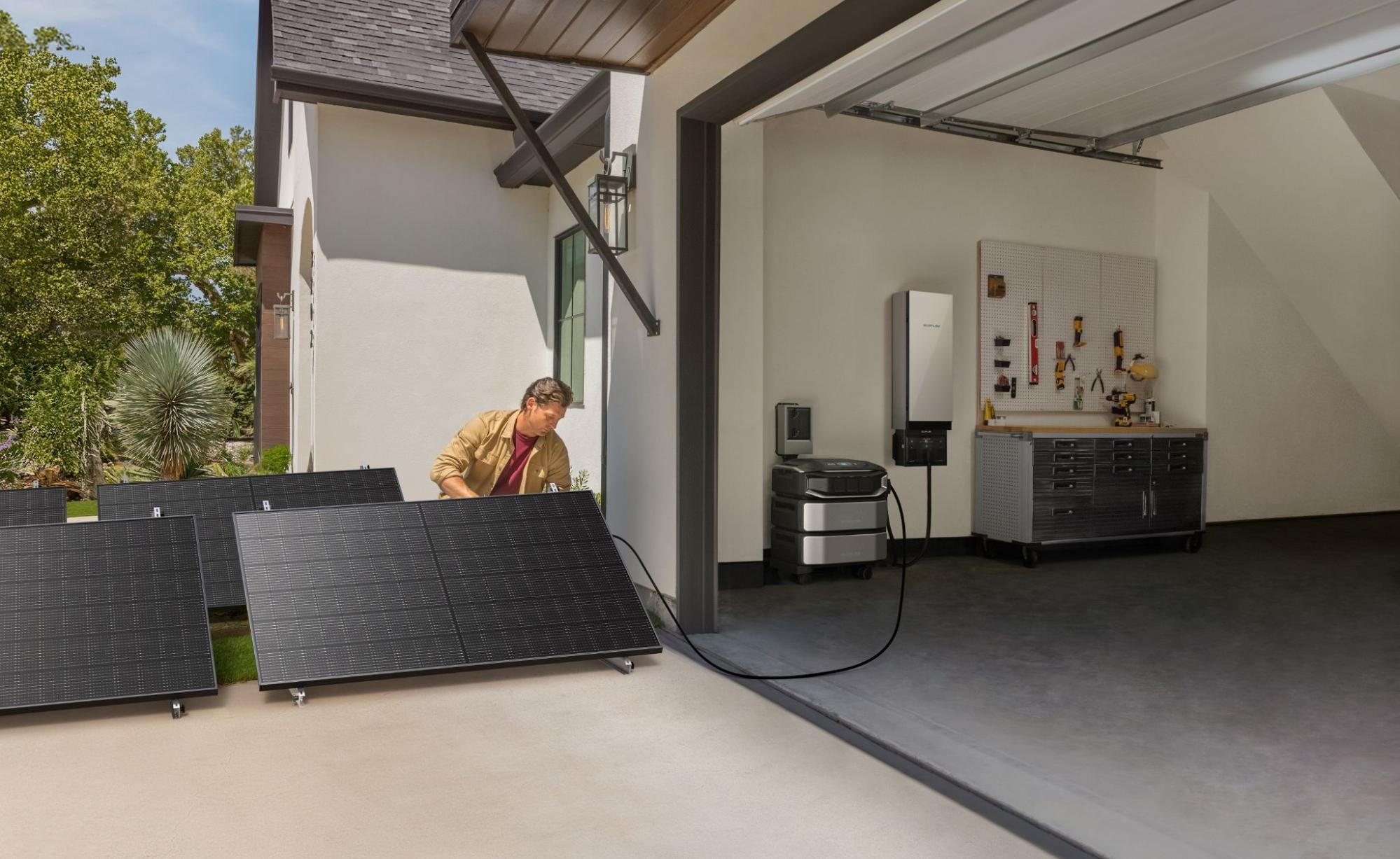
Home backup power systems provide electricity during outages by using stored energy or fuel-based generation.
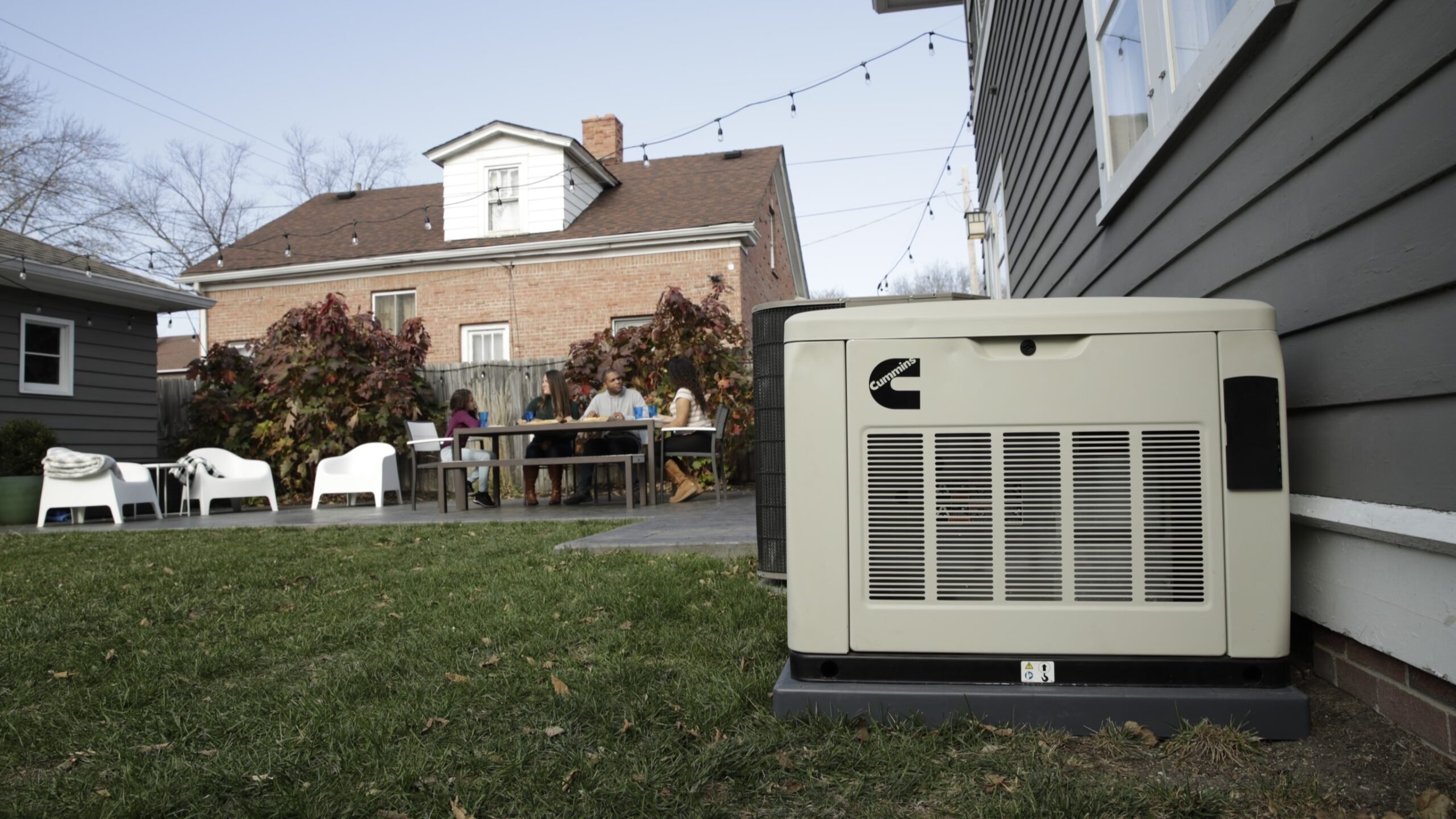
Common setups include battery storage paired with solatwr panels, hybrid systems that combine grid and storage, and traditional generators.
The growing demand for these systems comes from several trends. Power outages are becoming more frequent in many regions, raising concerns about grid reliability. Electricity prices continue to rise, especially during peak hours when demand is high.
Many homeowners also want greater control over their energy use, aiming to reduce dependence on utility providers and increase self-consumption.
Careful evaluation helps determine if such a system aligns with a household’s needs, usage patterns, and long-term goals.
Assessing Your Energy Needs

A clear picture of energy consumption is essential before selecting any backup system.
Reviewing past electricity bills helps determine daily and monthly kilowatt-hour usage.
Patterns across different seasons can reveal spikes in heating or cooling demand, which directly affect system sizing.
Energy timing plays a major role in performance. Daytime usage may align with solar production, while evening and nighttime demand relies on stored energy.
Careful review should include:
- Average daily consumption in kWh
- Peak usage hours during the day
- Differences between weekday and weekend usage
Critical loads should be identified early. Essential items usually include refrigeration, lighting, internet equipment, and medical devices. These loads ensure basic functionality during outages and should receive priority in system design.
Optional loads require additional consideration due to higher power demand. Examples include:
- Heating and cooling systems
- Electric ovens and stoves
- Washing machines and dryers
Including these devices increases required battery capacity and reduces runtime during outages.
Most battery systems cannot support an entire home continuously. Prioritization is necessary, especially during extended outages.
Essential backup remains the most common approach because it balances cost and reliability. Whole-home backup requires significantly larger capacity and often additional equipment.
Outage patterns in a specific area should guide decisions. Local data can influence both system size and configuration. Key factors include:
- Frequency of outages per year
- Typical duration of each outage
- Seasonal trends that affect reliability
Matching system design to these conditions improves performance and prevents overspending on unnecessary capacity.
Compatibility with Existing Systems
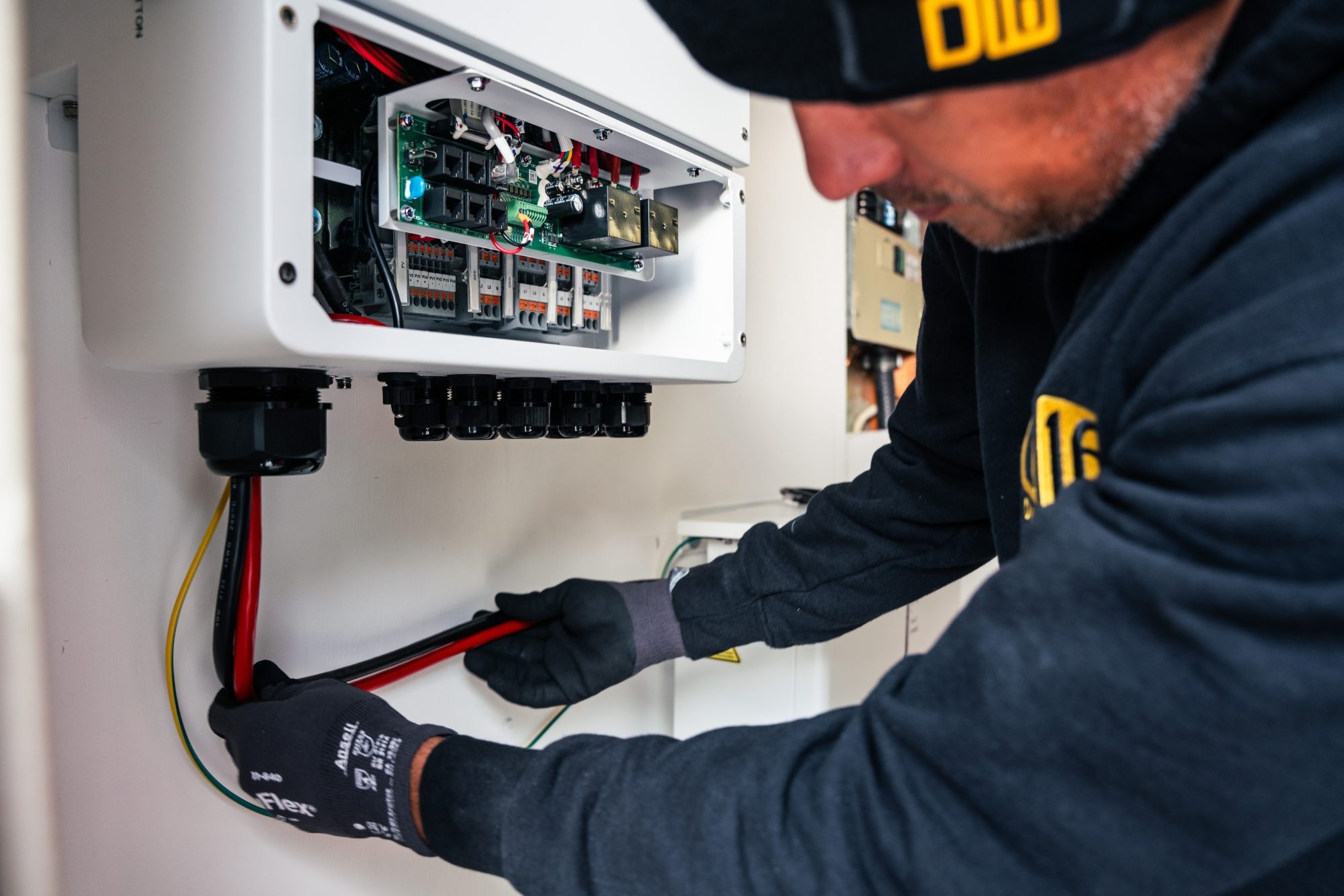
Existing solar installations must be evaluated for compatibility with battery storage. System design and equipment specifications determine how easily a battery can be added.
Two main configurations are used in residential setups. AC-coupled systems are often chosen for retrofits due to simpler integration with existing solar arrays.
DC-coupled systems offer higher efficiency and are typically installed as part of new systems.
Some integrated solutions, such as ecoflow power kits, combine battery storage, inverters, and energy management into a single system, simplifying compatibility and installation.
AC-coupled setups usually require fewer changes to current equipment, while DC-coupled systems reduce energy conversion losses.
Inverter selection plays a critical role in system performance. Some installations require additional components to manage energy flow effectively. Key considerations include:
- Compatibility with existing solar inverter
- Need for a hybrid inverter
- Requirement for a dedicated battery inverter
Backup functionality depends on proper configuration. Some battery systems do not provide power during outages unless designed with backup capability. Special components such as transfer switches or backup circuits are often required.
Smart monitoring systems improve visibility into energy usage. Real-time tracking allows homeowners to adjust consumption patterns and improve efficiency. Common features include:
- Mobile app access to energy data
- Alerts for high usage or system performance
- Optimization tools for maximizing savings
Choosing the Right System Size and Capacity
Battery capacity, measured in kilowatt-hours, determines how long a home can operate during an outage and how much solar energy can be stored for later use.
Proper sizing depends on both consumption patterns and available solar production.
Solar generation should be evaluated alongside usage. Excess daytime production must be enough to charge the battery for nighttime operation. Important inputs include:
- Daily solar production levels
- Amount of unused solar energy exported to the grid
- Seasonal variation in sunlight
Key sizing factors extend into daily usage habits. Nighttime demand often becomes the primary driver of battery size since solar panels do not produce energy after sunset.
Peak demand also plays a role. Short periods of high usage can strain smaller systems, even if total daily consumption appears moderate. Expected backup duration should be clearly defined, ranging from a few hours to multiple days.
Most systems power selected circuits instead of running everything at once. Load prioritization allows a smaller battery to perform effectively during outages.
Sizing mistakes can create long-term issues. Oversizing increases upfront cost and extends payback time. Undersizing leads to frequent depletion and limited usefulness. A balanced approach should consider:
- Essential load requirements
- Desired backup duration
- Available solar charging capacity
Future energy demand should not be ignored. Planned additions can significantly increase consumption. Common examples include:
- Electric vehicle charging
- Heat pumps or electric furnaces
- Additional living space or appliances
Planning for future needs avoids costly upgrades later.
Battery Types and Technology
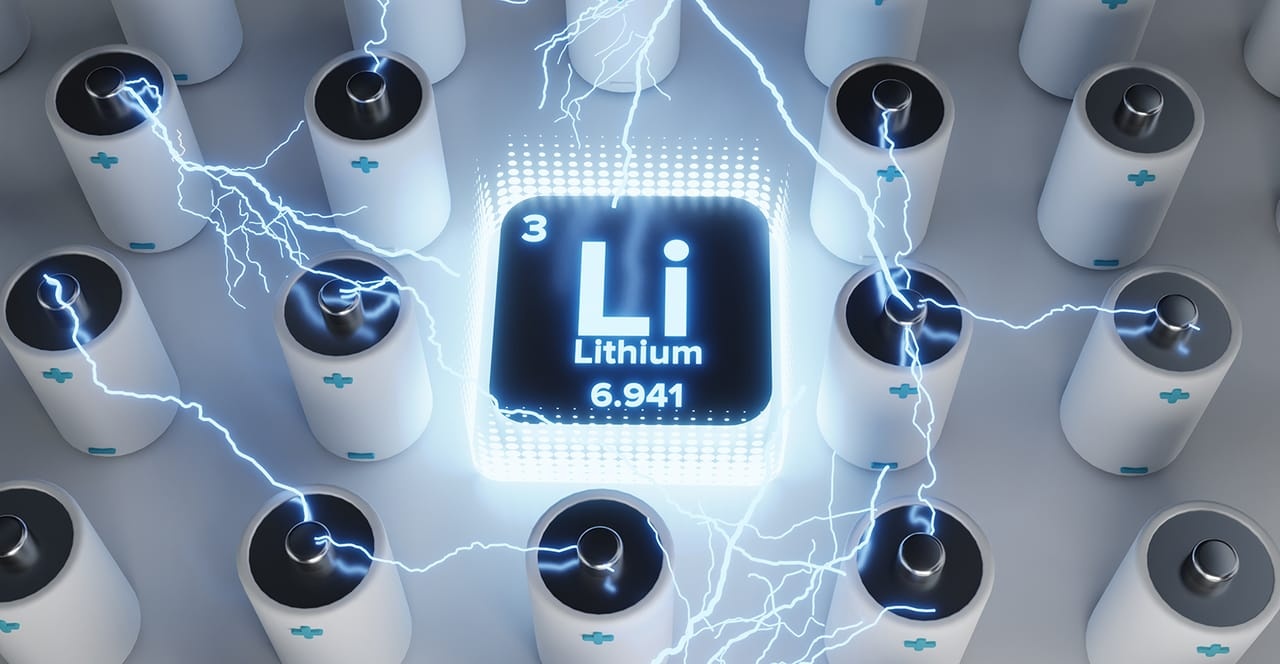
Lithium-ion batteries dominate the current market due to high efficiency, often exceeding 90 percent round-trip efficiency.
Longer lifespan and deeper discharge capability make them suitable for daily cycling. Minimal maintenance requirements add to their practicality.
Lead-acid batteries remain an option for lower upfront cost. Trade-offs include shorter lifespan and lower efficiency. Limited depth of discharge reduces usable energy, which impacts overall performance.
Performance differences between battery models require careful comparison. Several technical specifications determine real-world effectiveness:
- Usable capacity instead of total rated capacity
- Depth of discharge, which affects how much energy can be used safely
- Round-trip efficiency, indicating energy loss during charging and discharging
Usable capacity plays a critical role in determining actual performance. A battery with a higher rated capacity may still deliver less usable energy if depth of discharge is limited.
Warranty terms provide insight into expected lifespan. Common structures include:
- Cycle-based warranties tied to number of charge and discharge cycles
- Time-based warranties measured in years
Evaluating these details helps estimate long-term value and replacement timelines.
Installation and Safety Considerations
Professional installation is essential for safe and reliable operation. Licensed installers ensure compliance with electrical standards and local regulations.
Approval requirements vary by location but often include permits and inspections. Grid connection approval may also be necessary before activation.
Battery systems must meet strict safety standards due to fire risks. Proper installation reduces these risks and ensures long-term performance. Important installation factors include:
- Location such as garage, utility room, or exterior wall
- Adequate ventilation to prevent overheating
- Protection from extreme temperatures
Environmental conditions directly affect battery lifespan and efficiency. Shaded and temperature-controlled areas are preferred for optimal performance.
Backup capability requires additional system design elements. Dedicated circuits or transfer switches isolate critical loads during outages. Proper configuration ensures continuous power to essential devices.
Costs and Financial Considerations

Total cost includes several components that contribute to the overall investment. Battery units, inverters, installation labor, and electrical upgrades all factor into the final price.
Cost breakdown often includes:
- Battery system price based on capacity
- Inverter equipment, if not already installed
- Installation and labor charges
- Electrical panel upgrades or rewiring
Initial investment can be substantial, especially for larger systems designed for extended backup duration.
Financial return depends on multiple variables. Electricity tariffs, feed-in rates, and usage patterns influence savings over time. In many cases, payback periods extend over several years.
Incentives can improve affordability. Government programs may reduce upfront cost through rebates or tax credits. Availability varies based on location and policy.
Energy security often becomes a primary motivation. Reliable backup power provides stability during outages, especially for households with critical needs.
Long-term ownership costs should also be evaluated. Additional expenses may include:
Battery replacement after warranty expiration
System upgrades as energy needs increase
Maintenance or component replacement over time
Careful financial planning ensures realistic expectations and better long-term decisions.
Summary
Home backup power systems require careful planning and customization. No single setup fits every household, and decisions should be based on actual energy usage and outage patterns.
Accurate sizing and load prioritization determine system effectiveness. Many installations support only selected circuits rather than full-home operation. Financial outcomes differ widely, making it important to evaluate costs realistically.
Comparing multiple quotes helps identify the best option. Verifying installer credentials ensures quality and safety. Aligning system design with real-world needs leads to better performance and long-term satisfaction.