


Blockchain transformed digital finance by introducing transparent and decentralized transactions. Artificial intelligence is now adding another layer to that system by making blockchain networks more adaptive, predictive, and efficient.
AI driven crypto infrastructure is no longer limited to automation. Modern networks can evaluate congestion patterns, detect suspicious behavior, optimize transaction routing, and improve how digital assets are analyzed in real time.
Interest in AI integrated blockchain systems has grown because traditional crypto networks still struggle with scalability and fraud prevention. Ethereum congestion periods remain a clear example of how high traffic can increase fees and delay confirmations. Research focused on blockchain scalability continues to show that processing bottlenecks remain one of the industry’s biggest technical problems
Why AI Is Becoming Important in Blockchain Infrastructure
Traditional blockchain systems operate through predefined rules. AI changes that model because machine learning systems can continuously analyze data and adapt to changing conditions. That matters in crypto markets where transaction activity can change dramatically within minutes.
Several improvements are already becoming visible across decentralized ecosystems:
- AI systems can predict network congestion before transaction queues become overloaded
- Fraud monitoring tools can identify abnormal wallet activity faster than manual review systems
- Machine learning models improve liquidity analysis in decentralized finance platforms
- Automated risk scoring helps exchanges flag suspicious transactions earlier
A growing number of blockchain projects are now experimenting with AI assisted analytics for gaming and metaverse ecosystems as well. Trading activity linked to virtual assets often changes rapidly after community announcements or platform updates. Predictive systems tied to metrics such as Decentraland price can help traders and platforms monitor unusual market behavior more effectively.
Did You Know?
According to the Chainalysis 2026 Crypto Crime Report, AI assisted scams are becoming more profitable and harder to detect as criminals use deepfakes and automated impersonation tools to manipulate victims.
Scalability Problems Are Pushing AI Adoption
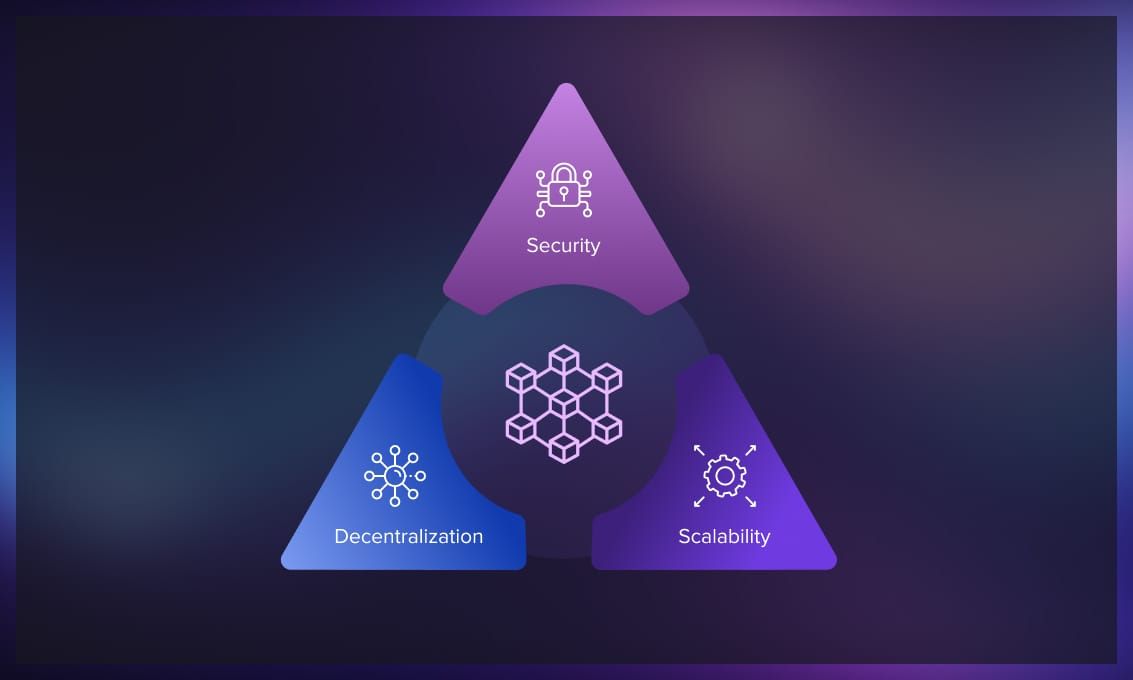
Scalability remains one of the largest obstacles for public blockchain systems. Networks slow down significantly when transaction demand rises. Ethereum has historically struggled with this issue because every node processes every transaction, limiting throughput during peak activity. Several industry reports still describe scalability as one of blockchain’s central technical weaknesses.
|
Blockchain Challenge |
AI Assisted Improvement |
Expected Benefit |
| Network congestion | Predictive transaction routing | Faster confirmations |
| High gas fees | Traffic forecasting models | Lower transaction costs |
| Validation delays | Smart node optimization | Improved efficiency |
| Liquidity imbalance | Real time AI analysis | Better DeFi stability |
Research published in Algorithms in 2025 examined how artificial intelligence could improve blockchain scalability, security, and transaction management through adaptive optimization models (AI Driven Optimization of Blockchain Scalability, Security and Transaction Management, MDPI, 2025).
That shift matters because crypto adoption cannot expand into mainstream finance if networks remain slow during heavy activity periods.
Security Systems Are Becoming More Intelligent
Fraud prevention has become one of the strongest arguments for combining blockchain with AI systems. Rule based security systems can detect known attack patterns, but they often fail when criminals use new techniques or automated scams.
Machine learning changes that approach by constantly analyzing transaction behavior. Instead of relying on static rules, AI systems learn from previous activity and adapt when unusual wallet interactions appear. Several recent studies have focused on anomaly detection models for blockchain payments and suspicious transaction analysis.
Research demonstrated how explainable AI models could improve anomaly detection accuracy in Bitcoin transactions (Detecting Anomalies in Blockchain Transactions Using Machine Learning Classifiers and Explainability Analysis, arXiv, 2024).
Chainalysis reported that scams connected to AI driven fraud systems generated significantly higher revenues than traditional crypto scams during recent investigations.
Platforms monitoring NFT and metaverse economies are also using AI based surveillance tools more frequently because rapid price volatility creates opportunities for manipulation. In some virtual asset ecosystems, analytics linked to Decentraland price movements are already being used to identify irregular trading spikes and coordinated wallet activity.

Smarter Smart Contracts Are Expanding DeFi Capabilities
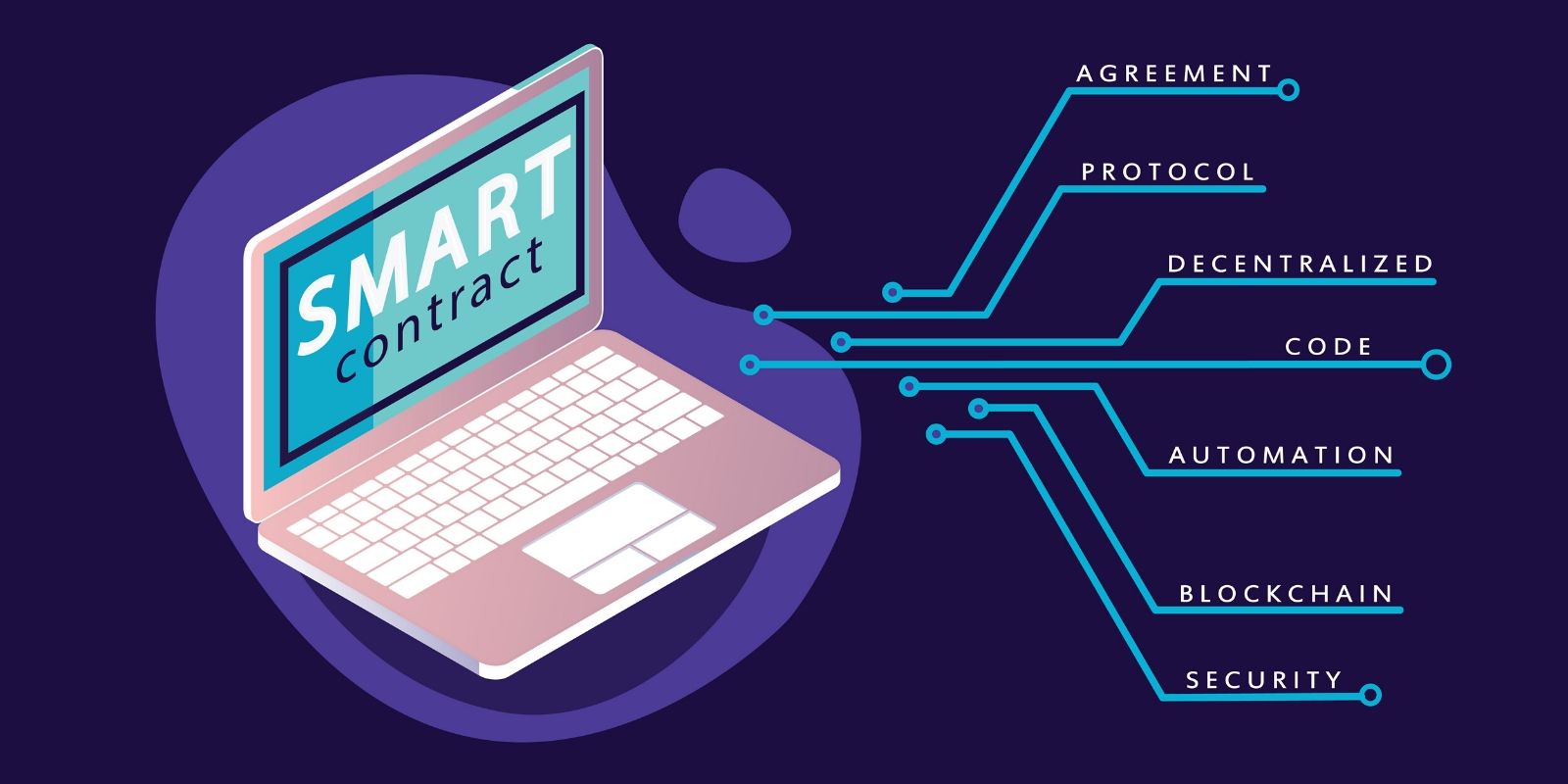
Traditional smart contracts execute commands only when predefined conditions are met. That structure works well for simple automation, but decentralized finance has become too dynamic for rigid systems alone.
AI enhanced smart contracts can process external information and react to changing market conditions more effectively. Liquidity pools, lending systems, and automated trading environments benefit from this flexibility because AI models can adjust calculations in real time instead of relying entirely on fixed logic.
Several important applications are gaining traction:
- Dynamic lending risk assessments
- Automated collateral management
- Real time market sentiment analysis
- Adaptive pricing systems for decentralized exchanges
Research examining blockchain and machine learning integration has shown that combining AI with smart contracts may improve scalability and transaction efficiency while reducing security weaknesses in decentralized systems.
AI enhanced smart contracts still depend heavily on high quality external data feeds. Poor or manipulated input data can still create inaccurate outcomes even if the contract logic itself becomes more advanced.
Decentralized Governance Is Becoming More Data Driven
Governance has become one of the defining concepts in decentralized finance because token holders can participate in protocol decisions. AI is beginning to influence that process by analyzing proposals, forecasting risk, and simulating potential economic outcomes before votes occur.
That does not replace community governance. Instead, AI provides additional analytical support that helps users understand technical and financial implications more clearly. Governance systems dealing with treasury management or token economics can benefit from predictive modeling because decisions often involve large financial consequences.
Research published in Scientific Reports in 2024 explored how machine learning integrated blockchain systems could strengthen trust and improve decision making within decentralized environments.
Metaverse ecosystems may become one of the strongest examples of this trend because governance decisions frequently affect token valuation, virtual property markets, and platform economies.
Community sentiment analysis connected to indicators such as Decentraland price may eventually influence treasury allocation strategies and development priorities inside decentralized communities.
The Future of AI Enhanced Transactions
AI integrated crypto systems are moving from experimentation toward practical adoption. Blockchain networks are becoming more adaptive through machine learning models that improve fraud detection, transaction routing, and scalability.
Research published in Algorithms in 2025 highlighted how AI based optimization can improve blockchain transaction efficiency and security management.
Future decentralized systems may rely on predictive fee management, automated liquidity balancing, and real time threat detection. Security researchers increasingly view AI integration as necessary because blockchain fraud and transaction complexity continue to grow across crypto markets. At the same time, scalability limitations remain one of the industry’s biggest unresolved technical challenges.