

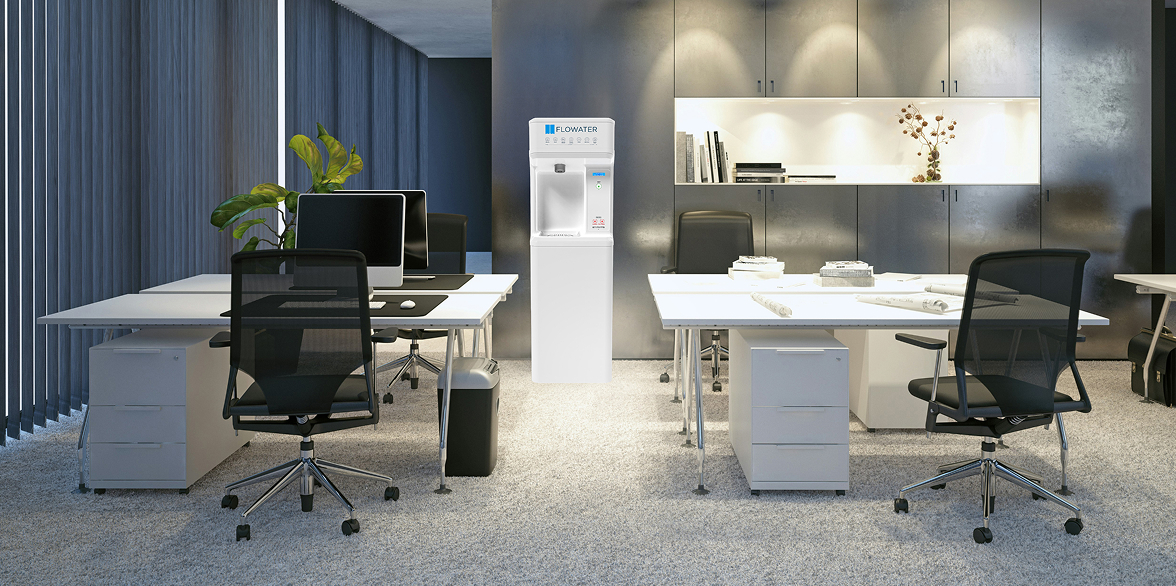
The office water station still plays an important role in workplace culture. Employees stop there between meetings, refill bottles during the day, and take short breaks that help reset their focus. Traditional water coolers with large plastic jugs handled that need for decades, yet many workplaces are now shifting toward bottleless systems that connect directly to the building’s water supply.
Several factors are driving the transition. Offices want cleaner layouts, fewer operational interruptions, and hydration systems that support sustainability goals. A bottleless water dispenser for office reduces the need for storage, deliveries, and manual bottle replacement while giving employees consistent access to filtered water. Many newer systems also fit modern office aesthetics better than stacked water jugs in a corner.
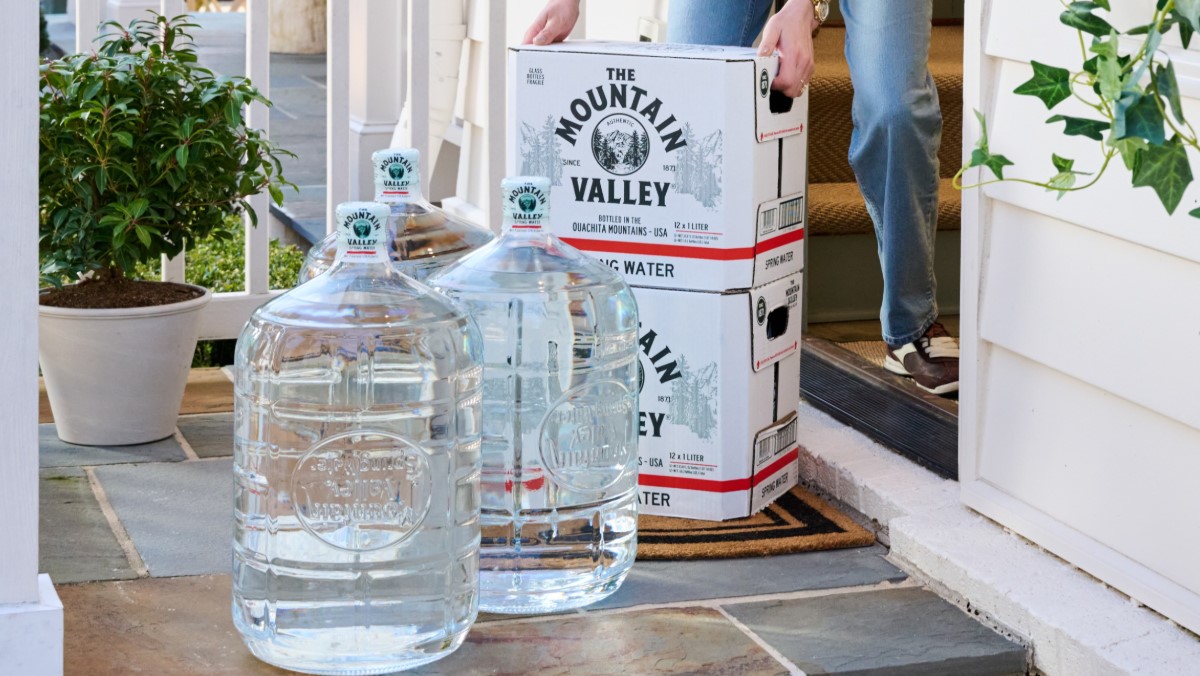
Why Traditional Water Jugs Are Becoming Less Practical
The standard office water jug solved a practical problem for many years. It gave businesses an alternative to relying entirely on tap water and offered a simple setup employees already understood. Office layouts and expectations have changed, though, and the weaknesses of jug systems have become harder to ignore.
Several recurring issues now affect offices that still depend heavily on bottled delivery systems:
- Storage space becomes limited because full and empty bottles both need dedicated areas.
- Replacing heavy jugs creates physical strain for reception staff, office managers, or maintenance workers.
- Delivery schedules introduce another operational task involving invoices, bottle counts, and timing problems.
- Overflow stock can clutter kitchens, storage closets, or employee common areas.
Many companies also want to reduce dependence on plastic delivery systems as part of broader sustainability initiatives. Public water systems in the United States are regulated under EPA drinking water standards, while bottled water falls under FDA packaged food regulations.
Important note – EPA regulations set legal limits for more than 90 drinking water contaminants in public water systems.
Purification Technology Is Changing Employee Expectations
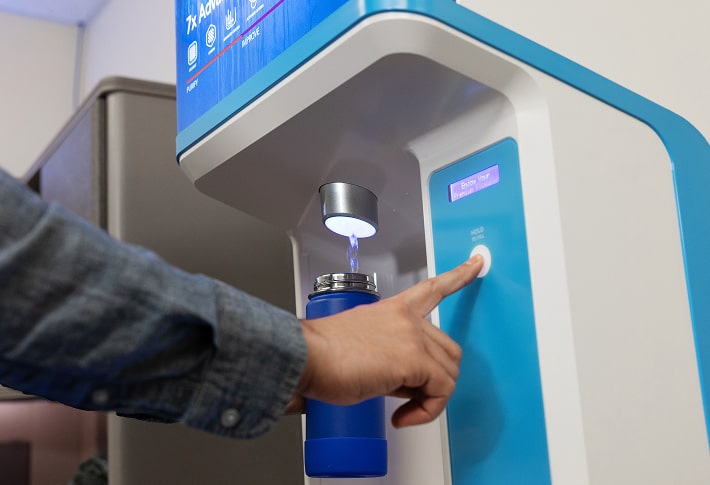
Modern bottleless dispensers focus on filtration, convenience, and continuous access. Instead of storing delivered water, these systems connect directly to the building’s plumbing and purify water before dispensing it.
Different systems use different purification methods. Some rely on activated carbon filters to improve taste and reduce chlorine odor. Others use reverse osmosis or multi stage filtration to target additional contaminants. Many workplaces also choose dispensers that provide chilled, hot, or sparkling water from the same unit.
Common Features in Modern Office Dispensers
| Feature | Workplace Benefit |
| Carbon filtration | Improves taste and reduces odor |
| Reverse osmosis | Provides advanced filtration support |
| Touchless dispensing | Reduces surface contact in shared spaces |
| Hot and cold water | Supports tea, coffee, and quick meals |
| Bottle filling station | Encourages reusable bottle use |
The shift affects more than convenience.
According to the CDC, proper hydration helps prevent dehydration related symptoms such as unclear thinking, mood changes, overheating, and fatigue.
Employees are more likely to refill reusable bottles when clean water is easy to access throughout the workday.
Workplace Wellness and Hydration Are Becoming Connected
Hydration is now part of a broader workplace wellness conversation. Businesses increasingly recognize that small environmental improvements influence employee comfort and daily habits. Water access may appear minor compared to large wellness programs, yet employees interact with hydration stations several times a day.
Research around workplace hydration continues to support regular fluid intake during the workday. The National Institute for Occupational Safety and Health recommends workers drink water consistently before becoming thirsty, especially during physically demanding or warm working conditions.

Did You Know?
A 2025 review published in Hydration of Workers in Thermal Environments examined workplace hydration recommendations from OSHA and NIOSH. The review emphasized that workers should drink small amounts of water regularly rather than waiting for thirst signals during demanding conditions.
Better hydration access also changes employee behavior in practical ways. Workers may rely less on sugary drinks, reduce trips outside the office, and refill reusable bottles more consistently when filtered water is immediately available. Those small routine changes often align with company wellness and sustainability goals without requiring formal campaigns.
Office Design Now Influences Water System Decisions
Modern workplaces pay more attention to appearance and employee experience than many offices did a decade ago. Break rooms, open kitchens, and collaborative lounges are designed to feel cleaner and more welcoming. Older water coolers with stacked jugs often clash with that updated environment.
Bottleless systems are becoming part of office design rather than just utility equipment. Slimmer profiles, touchless controls, and integrated bottle filling areas fit more naturally into modern shared spaces.
Several workplace trends are pushing businesses toward upgraded hydration stations:
- Hybrid offices want flexible shared amenities that require less oversight.
- Sustainability programs encourage reusable bottles and reduced delivery waste.
- Smaller office footprints leave less room for bottle storage.
- Employee expectations for workplace comfort continue to rise.
According to the EPA, public water systems follow strict monitoring and testing standards under the Safe Drinking Water Act. Many offices now combine those regulated municipal systems with additional on site filtration to improve taste and convenience.
A cleaner break room often affects employee perception more than companies expect. Small daily conveniences tend to receive frequent employee use, which increases their visibility and perceived value.
Cost Comparisons Are More Complex Than They First Appear
At first glance, traditional jug systems can appear cheaper because the initial setup is familiar and simple. Real operating costs often extend beyond the visible invoice. Businesses also absorb delivery coordination, bottle storage, administrative handling, and occasional service interruptions.
Bottleless systems introduce different expenses, including installation, scheduled maintenance, and filter replacements. The better financial choice depends heavily on office size, water usage, employee count, and local supplier contracts.
Comparing Operational Considerations
|
Factor |
Jug Based System |
Bottleless System |
| Storage needs | High | Low |
| Delivery dependence | Yes | No |
| Manual lifting | Frequent | Minimal |
| Filter maintenance | Limited | Required |
| Plastic waste | Higher | Lower |
| Refill consistency | Depends on supply | Continuous |
Businesses evaluating upgrades should focus on total operational efficiency rather than only monthly cost comparisons. An office with heavy daily water use may save time and reduce logistical headaches by switching to a connected filtration system. Smaller offices with minimal usage may still find traditional delivery practical in certain situations.
What Businesses Should Evaluate Before Upgrading
Choosing a workplace water system should begin with employee habits and office layout rather than product marketing. Water demand varies significantly depending on workforce size, office schedule, and break room traffic patterns.
Questions businesses should consider include:
- How many employees are in the office daily?
- Are refill periods concentrated around lunch or meetings?
- Does the office need hot water access for tea or instant meals?
- Will sparkling water reduce canned beverage consumption?
- Is reusable bottle use already encouraged?
Placement also matters. A dispenser connected to plumbing requires access to water and electricity while remaining easy to reach without creating congestion.
According to OSHA and NIOSH hydration guidance, workplaces should encourage regular water access throughout the day rather than waiting until workers feel thirsty. Offices that place dispensers in visible, convenient locations often improve refill frequency naturally.
A Better Water Station Reflects Broader Workplace Priorities
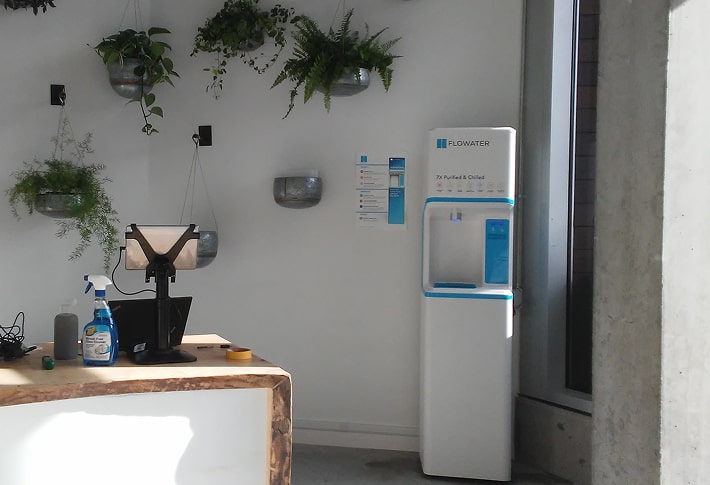
The decline of the traditional office water jug reflects broader workplace changes rather than a simple equipment upgrade. Businesses now prioritize efficiency, sustainability, employee comfort, and operational simplicity more consistently than before.
Bottleless systems help reduce storage demands, delivery coordination, and repetitive maintenance tasks while supporting cleaner office layouts. Employees gain easier access to filtered water throughout the day, and companies reduce dependence on recurring plastic bottle deliveries.
The transition also aligns with visible environmental goals. Refillable bottles paired with filtered dispensers reduce waste in a way employees notice daily. Small operational upgrades often carry more long term value because they become part of regular workplace routines rather than occasional perks.
FAQs
1. Do bottleless water dispensers still work during a water outage?
Most bottleless dispensers stop functioning during a building wide water interruption because they rely on a direct plumbing connection. Some advanced systems include temporary резерв options or internal reserve tanks, though standard office units typically do not.
Businesses operating in areas with occasional water disruptions often keep emergency bottled water supplies as backup. The CDC also advises avoiding water from line connected appliances during official drinking water advisories.
2. Are touchless office water dispensers more hygienic?
Touchless dispensers can help reduce repeated contact with shared surfaces in busy offices, especially around refill buttons and dispensing areas. Hygiene still depends heavily on regular maintenance and cleaning schedules. The CDC notes that cleaning and decontamination practices remain essential for shared water related equipment and surfaces.
3. What certifications should businesses look for in a filtration system?
Businesses should look for systems certified by organizations such as NSF International or the Water Quality Association. Certifications help confirm that filters meet tested standards for contaminant reduction and safety claims. It is also important to review exactly what contaminants a system is certified to reduce, since filtration capabilities vary between models.