

Freelancing gives you flexibility, but it also puts you in charge of your own financial records. Nobody hands you a neat payroll report at the end of the year. Nobody reminds you which client still owes you money. That responsibility falls on you.
I learned this lesson early. For a while, I assumed checking my bank balance was enough. Then tax season arrived, and I spent hours searching through emails, invoices, and payment notifications. Since then, I’ve kept a much better system. It saves time, reduces stress, and gives me a clear picture of how my business is performing.
Good income tracking is not only about taxes. It helps you understand where your money comes from, which clients are most valuable, and whether your freelance business is actually growing. Financial authorities also recommend keeping records that clearly show income sources, expenses, invoices, receipts, and bank transactions.
Start With Proof of Every Payment
When freelancers think about income tracking, they often focus on invoices. In reality, the payment itself matters just as much.
Every time money enters your business, you should have documentation that proves where it came from. Some clients pay through direct bank transfers, while others use payment platforms or payroll services.
One habit that helped me stay organized was saving all supporting payment records in one place. Alongside invoices and bank statements, I also keep copies of paystubs whenever they are relevant to a project or payment arrangement. Having all income documents together makes it much easier to verify earnings, answer questions from an accountant, and prepare tax records later.
A simple folder structure by year and client can save hours of searching.
Keep Every Invoice You Send
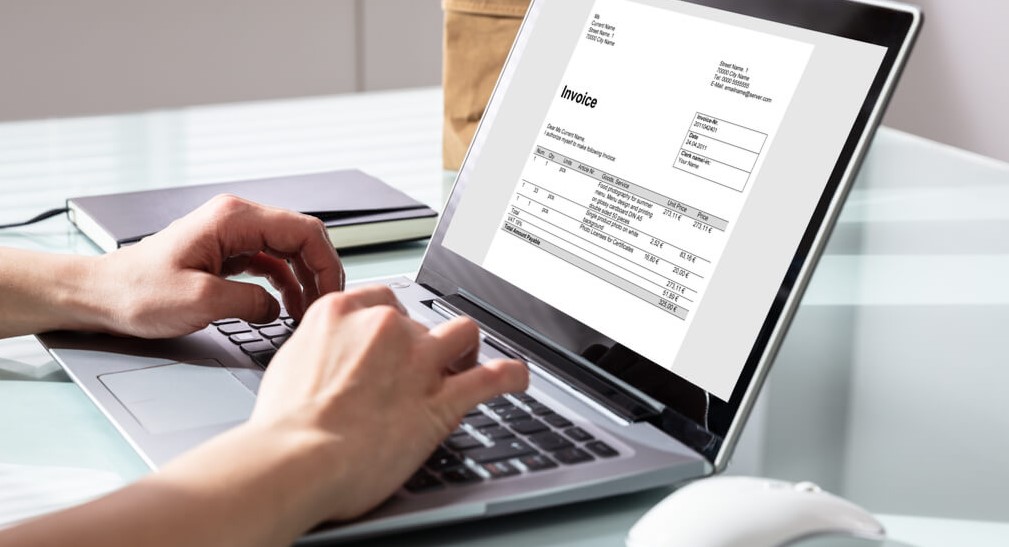
Invoices are often the backbone of freelance income records.
Even if a client pays immediately, the invoice creates a timeline that shows what work was completed, when it was billed, and how much revenue was expected. Tax authorities commonly list invoices among the most important supporting business records.
Here are the details every invoice should include:
- Invoice number
- Client name
- Date issued
- Services provided
- Amount charged
- Payment terms
Something interesting happens when you keep invoices consistently. Patterns become obvious. You can quickly see which months are strongest, which clients pay slowly, and which services generate the most revenue.
That information becomes useful long before tax season arrives.
Separate Business and Personal Banking
A surprising number of freelancers still mix personal and business transactions.
I understand why. Opening another account feels unnecessary when you’re just starting out. The problem appears six months later when you’re trying to figure out whether a payment was business related or personal.
Keeping business income separate from personal spending creates a clearer financial record and reduces reporting mistakes.
A dedicated business account provides several benefits:
- Easier income tracking
- Faster bookkeeping
- Cleaner tax preparation
- Better visibility into monthly cash flow
Financial recordkeeping guidance consistently highlights bank statements as important proof of business income and transactions.
The less detective work you have to do later, the better.
Track Outstanding Payments

Not all income arrives when expected.
One of the biggest mistakes freelancers make is recording only money received while ignoring money still owed. If three clients owe you payments, that information deserves its own tracking system.
I keep a simple table like this:
| Client | Invoice Amount | Due Date | Status |
| Client A | $800 | May 15 | Paid |
| Client B | $1,200 | May 20 | Pending |
| Client C | $500 | May 25 | Overdue |
A table like this takes only a few minutes to maintain.
More importantly, it prevents uncomfortable surprises. Have you ever realized a client never paid an invoice from three months ago? It happens more often than many freelancers admit.
Tracking outstanding payments protects your cash flow and helps you follow up before invoices become forgotten.
Save Income Reports and Tax Documents
Many freelancers receive income documentation from multiple sources throughout the year.
Some clients issue tax forms. Payment processors provide annual summaries. Freelance platforms generate earnings reports. All of these documents should be saved.
Did You Know?
Many tax authorities do not require you to submit supporting records with a return, but they may request them later if questions arise. Keeping organized documentation can significantly reduce problems during reviews or audits.
Whenever I receive an annual statement, I immediately store it in a dedicated tax folder. Waiting until the end of the year almost guarantees that something important will be misplaced.
The goal is simple. If someone asks you to verify your income from last year, you should be able to find the answer within minutes.

Maintain a Running Income Log
A running income log is probably the most useful record I keep.
Unlike invoices or bank statements, an income log gives you a complete business overview in one place. It combines information from multiple sources and shows exactly how much revenue your freelance work generates.
A good income log typically includes:
- Date received
- Client name
- Service provided
- Payment amount
- Payment method
Professional bookkeeping resources often recommend maintaining records that summarize business transactions and income activity rather than relying solely on individual documents.
Reviewing this log every month helps answer practical questions.
Which client generated the most revenue? Which service is growing fastest? Which month performed best?
Without records, those answers become guesses.
Use Digital Storage Instead of Paper
Paper records can work, but digital storage is usually easier.
Receipts fade. Printed invoices disappear. Email attachments get buried.
I prefer a simple digital system with folders organized by year and category. Income records, invoices, tax documents, contracts, and bank statements each have their own location.
Many freelancers also use accounting software that automatically stores records and generates reports. The specific tool matters less than consistency.
The important thing is having a system that you will actually use.
If finding a document feels difficult today, it will feel much harder a year from now.

A Simple Habit That Pays Off
Income tracking does not require complicated software or an accounting background.
What it does require is consistency. Save invoices. Keep payment records. Store tax documents. Maintain an income log. Review everything regularly.
Most freelancers spend plenty of time improving their skills and finding new clients. Spending a little time organizing financial records deserves the same attention. Clear records help you understand your business, prepare for taxes, and make better decisions throughout the year.
Future you will be grateful when tax season arrives and everything is already where it belongs.